


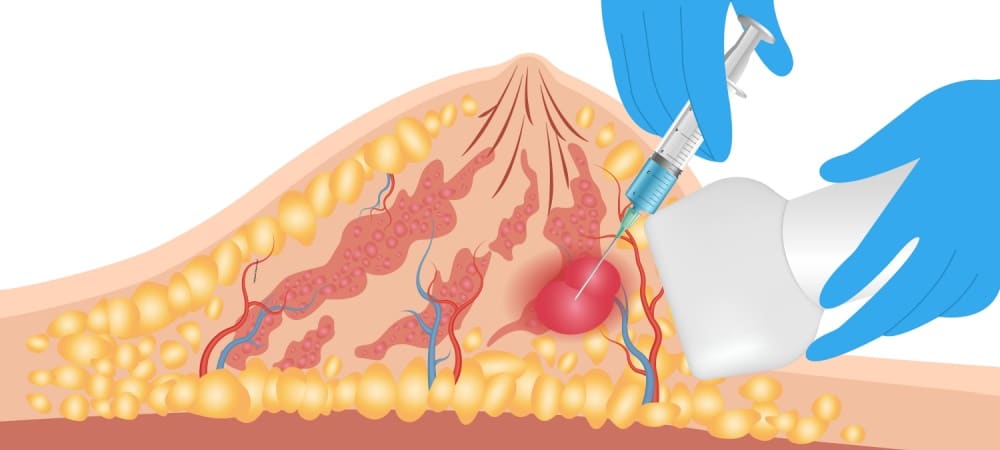
What is a Breast Biopsy and How is it Performed?
A biopsy is a procedure that involves taking a small sample of abnormal or suspicious tissue from the body to determine the presence or type of disease, commonly used to diagnose cancer. A breast biopsy is a type of biopsy performed to understand whether a mass or abnormal area detected in the breast is cancerous. In this procedure, the tissue sample taken from the breast is examined under a microscope to obtain definitive information about the presence of cancer.
What is a Breast Biopsy?
A breast biopsy is a procedure that involves taking a small piece of tissue to determine whether a suspicious area or mass in the breast is cancerous. It is used for the definitive diagnosis of abnormal tissues detected by imaging methods or felt by hand. Unlike other screening methods, a biopsy is necessary to confirm the diagnosis as it allows for microscopic examination of the tissue. The biopsy procedure provides detailed examination of the cells in breast tissue, offering clear information about whether breast cancer is present. Additionally, if a tumor is present, it provides important data about the type and grade of the tumor. This procedure, usually performed under local anesthesia, is one of the outpatient procedures that allows the patient to return home on the same day.
Why is a Breast Biopsy Requested?
A breast biopsy is requested when the doctor identifies abnormal tissues during imaging tests or physical examinations that require further detailed investigation. A biopsy is performed to understand whether masses seen during mammography or ultrasound are benign or malignant. It is also used for definitive diagnosis if there are symptoms such as abnormal discharge from the nipple, thickened tissues, or deformities. A biopsy not only confirms the presence of cancer but also plays a critical role in treatment planning by determining what type of cancer it is.
When is a Breast Biopsy Performed?
A breast biopsy is generally performed when an abnormal area is detected during imaging tests such as mammography, ultrasound, or MRI. Hard or irregularly bordered masses felt by hand may also require a biopsy. Additionally, when noticeable changes such as nipple discharge, skin retraction, or color changes are observed, the doctor may recommend a biopsy. The biopsy is important for determining cancer risk and distinguishing other benign lesions.
How is a Breast Biopsy Performed?
A breast biopsy can be performed using several different methods. One of the most commonly used methods is fine needle aspiration biopsy. In this method, a fine needle is inserted into the mass to obtain a cell sample. In a core needle biopsy, a larger needle is used to obtain a larger tissue sample. In some cases, a surgical biopsy may be performed to completely remove the tissue. These procedures are usually done under local anesthesia, and imaging devices (ultrasound, mammography) are used to accurately target the biopsy area. The samples taken are sent for pathology. Pathological examination allows for detailed evaluation of the tissue under a microscope. This examination reveals whether there are any abnormal cells or signs of disease in the tissue.
What are the Side Effects of a Breast Biopsy?
A breast biopsy is generally a safe procedure, but some side effects may occur rarely. After the procedure, mild pain, bruising, or swelling may occur in the breast. Most of the time, these effects resolve on their own within a few days. Rarely, an infection may develop at the biopsy site, which may require antibiotic treatment. It is also possible for a small scar to remain on the skin after the procedure. Some patients may experience temporary sensitivity in the breast area after the biopsy. If severe pain or signs of inflammation persist for a long time, it is essential to consult a doctor.
How Long Does a Breast Biopsy Take?
The duration of a breast biopsy can vary depending on the type of biopsy used. Procedures typically last between 15 to 30 minutes. Needle biopsies are relatively shorter, while surgical biopsies may take longer. In biopsies performed under local anesthesia, the patient is not expected to feel pain during the procedure. The total time for preparation, biopsy, and a short rest period afterward can be about an hour. However, obtaining results usually takes a few days. During this time, tissue samples are thoroughly examined under a microscope in the pathology laboratory.
What are the Differences Between Breast Biopsy and Other Diagnostic Methods?
Unlike imaging tests (mammography, ultrasound, MRI), a breast biopsy involves directly obtaining a tissue sample to make a definitive diagnosis of a suspicious area. Additionally, breast biopsy procedures can be combined with MRI guidance. While imaging tests are effective for detecting masses, a biopsy is the only way to confirm whether cancer is present. Tests like mammography or ultrasound indicate the presence of abnormalities, but a biopsy is essential to determine whether these abnormalities are malignant. This is the most crucial factor that distinguishes biopsy from other screening methods. Through biopsy, the type, grade, and stage of the tumor can be determined, allowing for treatment planning.
Frequently Asked Questions
Who is Suitable for a Breast Biopsy?
A breast biopsy may be suitable for anyone who has a suspicious mass or abnormality detected in the breast. It is particularly recommended for those with a family history of breast cancer, those who have abnormal results in breast imaging tests, or those who have noticed a mass during physical examination.
In What Situations is a Breast Biopsy Preferred?
A breast biopsy is preferred when a suspicious area is detected in breast screening tests. A biopsy is performed when imaging tests such as mammography, ultrasound, or MRI show an abnormal mass or tissue change. Additionally, palpable masses, bloody discharge from the nipple, or noticeable skin changes may require a biopsy. Other diagnostic methods only show abnormalities, while a biopsy definitively determines whether cancer is present. Performing a biopsy for breast cancer diagnosis is vital for treatment planning.
What are the Long-Term Effects of a Breast Biopsy?
Long-term side effects of breast biopsy are rare. Short-term bruising, sensitivity, and mild pain usually resolve within a few days. A small scar may remain at the biopsy site, but this typically does not pose a significant cosmetic issue. The risk of infection in the long term is quite low, and complications after the procedure are rarely seen. If the biopsy result is benign, the patient can continue regular monitoring for breast cancer. If a cancer diagnosis is made, treatment can be initiated quickly due to early detection.
What Should be Considered During a Breast Biopsy?
During a breast biopsy, the patient should follow the doctor’s instructions. Since the biopsy is performed under local anesthesia, it is essential for the patient to be comfortable during the procedure. The doctor marks the area where the biopsy will be performed and works in a sterile environment. The patient should remain as calm and still as possible during the procedure to ensure it is safe and smooth. Additionally, those with bleeding disorders or those taking blood-thinning medications should inform their doctor about this before the procedure. This way, the biopsy can be planned more safely.
What Should be Considered After a Breast Biopsy?
In the first few days after a breast biopsy, heavy exercises and pressure on the biopsy site should be avoided. Symptoms such as bruising, mild pain, or swelling may occur. In this case, pain relievers recommended by the doctor can be used. If signs of infection such as redness, warmth, or excessive sensitivity are noticed, the doctor should be consulted immediately.
What is the Recovery Process After a Breast Biopsy?
After the procedure, mild pain, bruising, and sensitivity may be observed in the area. However, these symptoms usually decrease quickly. This can be easily managed with pain relievers. If swelling or signs of infection such as redness are noticed at the biopsy site, the doctor should be consulted. Generally, patients can return to their normal activities a few days after the procedure. Following the care instructions given by the doctor speeds up the recovery process and prevents possible complications.
For more information about the breast biopsy process and to get a personalized health assessment, you can visit our Interventional Radiology Department. Our expert physicians will provide you with the most accurate guidance throughout all processes before and after the biopsy.