



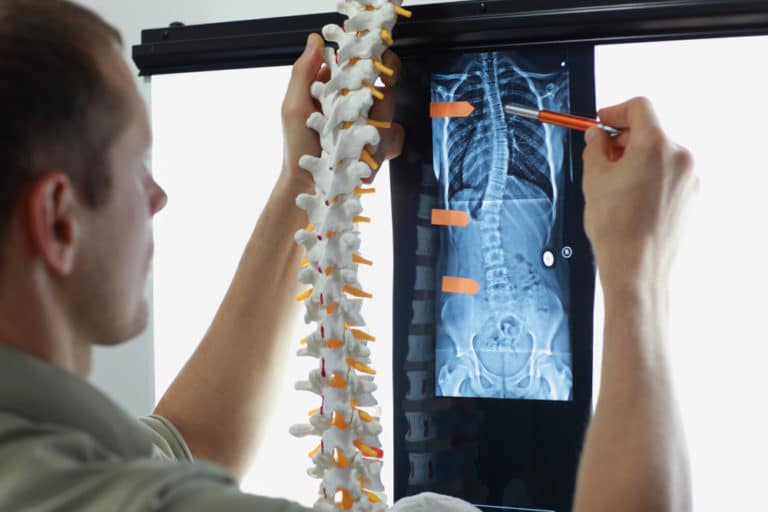
What is Spinal Displacement (Spondylolisthesis – Lumbar Displacement)? What are the Symptoms and Treatment Methods?
The spine is an important bony structure responsible for the body’s upright posture and protecting the spinal cord. It consists of more than 30 bones and is vital for overall health. Therefore, damage to the spine can lead to serious consequences.
The spine is composed of bones called vertebrae, discs tightly embedded between the bones, and facet joints that allow movement over the vertebrae. All these structures protect the spinal cord inside.
Spinal displacement, known as “spondylolisthesis,” is defined as the displacement of vertebrae moving forward and compressing certain nerves and tissues. Imbalance and compression in the vertebrae cause them to move more than they should. The sliding of one vertebra over another creates pressure that affects not only the spine but also the lower back, back, and legs.
Spinal displacement does not always manifest itself, but it is most commonly reported as lower back pain. It can be congenital or develop later in life. There are surgical and non-surgical treatments available, and the recovery period is not very difficult.
What is Spinal Displacement (Lumbar Displacement)?
The spine consists of ring-shaped vertebrae stacked on top of each other. Between each vertebra are facet and disc joints that connect the bones. The joints facing the back are facet joints; the joints facing the inside of the body are disc joints. These joints connect all the vertebrae in the same arrangement. The joints provide flexibility and movement to the spine; they determine the posture of the spine.
Nerves are located between the vertebral joints. In spinal displacement, one of the vertebrae slides forward. It tilts over the lower vertebra. As a result, the nerve between the two vertebrae gets compressed. This condition is called “spondylolisthesis,” or spinal displacement, and is diagnosed through imaging tests:
- X-ray
- MRI
- Computed Tomography
Spinal displacement is graded according to its severity. Stages 1 and 2 are less severe and do not require surgery. Stages 3 and 4 are more severe and serious. If you experience severe symptoms, surgery may be necessary.
What Causes Spinal Displacement?
Spinal displacement generally arises from five main causes: degenerative, isthmic, dysplastic, pathological, and traumatic.
- In degenerative spondylolisthesis, there are no abnormalities in the facet joints connecting the upper and lower vertebrae. The main cause here is the wear and tear of tissues due to aging. The degeneration of the combined facet and discs is associated with aging. The imbalance of one vertebra over another leads to forward movement of the vertebra. It is usually seen in individuals over 40 years old and occurs more frequently in women.
- In isthmic spondylolisthesis, there is an abnormality in the facet joints at the back of the vertebrae. Although the main cause is not fully known, a possible reason is micro-trauma occurring in individuals engaged in sports like gymnastics, football, and wrestling that stretch the lumbar joints.
- Dysplastic spondylolisthesis is congenital and arises due to an abnormal arrangement of the facet joints.
- Pathological spondylolisthesis results from disorders in bones and connective tissues affecting many organs in the body or infections. Additionally, it can arise from neoplasms (new tissue, tumors) and iatrogenic (caused by human intervention) processes that are unwanted after treatment.
- Traumatic spondylolisthesis often occurs as a result of trauma and is caused by fractures of the facet joints.
- An additional risk factor for spinal displacement is genetic. The presence of spinal displacement, scoliosis, and hidden spina bifida in first-degree relatives should be considered.
Who is Affected by Spinal Displacement?
Spinal displacement is most commonly seen in the lower lumbar spine but can also occur in the cervical spine and rarely in the thoracic spine.
- Degenerative spondylolisthesis usually occurs in adults after the age of 40-50. Due to hormonal reasons, it is more common in women than in men. The risk increases especially in cases of obesity. The likelihood of elderly individuals with low-grade stages 1 and 2 of spinal displacement increasing over time is low.
- Isthmic spondylolisthesis is common in young and adult individuals engaged in various sports. However, it may sometimes go unnoticed until symptoms develop in adulthood. It is more common in men than in women.
- Dysplastic spondylolisthesis is a congenital condition. Therefore, it is commonly seen in infants and children. It is observed more frequently in girls than in boys. Children with spinal displacement have a high likelihood of an increase in the degree of displacement as they enter puberty.
Stage 1 spinal displacement accounts for nearly 75% of all cases. The most common spinal displacement occurs in the L5-S1 vertebrae. The second most common area is the L4-5 vertebrae.
What are the Ways to Prevent Spinal Displacement?
To reduce the risk of developing spinal displacement, you can pay attention to some important steps:
- Regular exercise is crucial for strengthening the back and abdominal muscles.
- Adequate and balanced nutrition helps maintain strong bone structure and supports a healthy body weight.
- Losing excess weight relieves additional pressure on the lower part of the body.
What are the Symptoms of Lumbar Displacement?
Lumbar displacement may not always show symptoms and can go unnoticed, but the most common symptoms are as follows:
- Lower back pain
- Muscle pain and tension
- Pain, numbness, and tingling radiating to the legs
- Weakness in the legs and abnormal walking patterns
- Pain and numbness in the hip
- Difficulty standing
- Spasms and tension in the hamstring muscles
- Pain worsening with exercise
The compressed damaged nerve between the vertebrae primarily causes lower back pain. Additionally, the tension, weakness in the leg muscles, and tingling in the thigh and hip arise from pressure on the nerve roots.
What are the Treatment Methods?
According to studies, approximately 76% of patients without neurological symptoms show that symptoms do not progress and can be treated with conservative treatment (monitoring and medication). Even with neurological complaints, non-surgical treatments should be the first choice. Commonly recommended conservative treatments include:
- Use of nonsteroidal anti-inflammatory drugs (pain relievers, anti-inflammatories)
- Physical therapy, aerobic exercises
- Weight control
- Management of osteoporosis
In physical therapy, specific exercises are applied. Stretching and strengthening the muscles in the back, lower back, legs, and abdomen are ensured. Flexibility exercises, walking, and cycling exercises aim to increase functional capacity. These aim to reduce pain, increase freedom of movement in the lower back, and ensure proper use of the spine. In cases of acute symptoms, steroid injections may be preferred in the area where the pressure causing pain occurs.
There are no definitive standards for surgical treatment. However, important criteria have been established:
- Recurring lower back and leg pain that negatively affects quality of life and persists for at least three months despite conservative treatment
- Progressive neurological deficiency or damage
- Loss of bladder control, urinary incontinence, and involuntary defecation
The aim of surgery is to relieve pressure on the nerves. Surgical treatment may include decompression (removing pressure on the nerves), instrumented or non-instrumented fusion, or a combination of fusion.
- Fusion treatment involves joining the displaced vertebra to the lower vertebra with metal rods, screws, and bone grafts. The goal of fusion treatment is to prevent instability and reduce pain associated with the facet joint. There are both implanted and non-implanted treatment options available in fusion treatment.
- Decompression treatment is a procedure performed to relieve pressure on compressed spinal nerves.
Post-Surgery Considerations After Spinal Displacement Surgery
Recovery after surgery may take several weeks, but most symptoms of spinal displacement improve.
- It is normal to experience pain at the surgical site for a while after spondylolisthesis surgery. The length of hospital stay depends on your physiological condition and the type of surgery. Pain management continues with pain relief treatment to help you cope with pain during and after the surgery. Pre-operative leg pain usually resolves immediately. However, it may take up to six weeks for post-operative pain and fatigue to completely subside.
- Some patients may experience difficulty urinating after surgery. This condition is temporary. However, rarely, bladder issues may arise due to nerve damage.
- When you return home, you may need help with your tasks initially. You should not rush to lift heavy objects or do strenuous household chores. You can manage the process with less pain by gradually increasing your activity each day or seeking help.
- You should continue with physical therapy after surgery and regularly perform the exercises recommended by your physiotherapist. These exercises help speed up the recovery process. It will be better for your pain if you do not strain or push yourself during the exercises.
- Sports and walking done without straining your body are ideal for staying active. However, you should definitely consult your doctor regarding your activities.
- You should not rush to drive immediately after surgery. The pain medications you take may make you drowsy and impair your ability to control the vehicle. Generally, many patients are ready to drive after a few weeks (2-6 weeks).
Does Spinal Displacement Recur After Treatment?
Spinal displacement may recur, although it is not very common. This occurs if the degree of displacement is high and persistent symptoms continue. However, most of the time, symptoms and complaints improve after surgery. Patients return to their normal lives within a few months after surgery. However, the flexibility of the spine may not be the same as before. Therefore, it is important to be careful in your exercises and activities.
Severe headaches, fever, urinary incontinence, numbness and weakness in the legs, back, and hips, and fluid and redness at the surgical site should prompt you to consult your doctor without delay.
Back and lower back pain is a symptom that should not be taken lightly. Damages that can lead to vital consequences are not far from the spine. Do not neglect your check-ups before spinal issues take over your life. If you have complaints of lower back pain and suspect spinal displacement, be sure to consult a healthcare professional.