



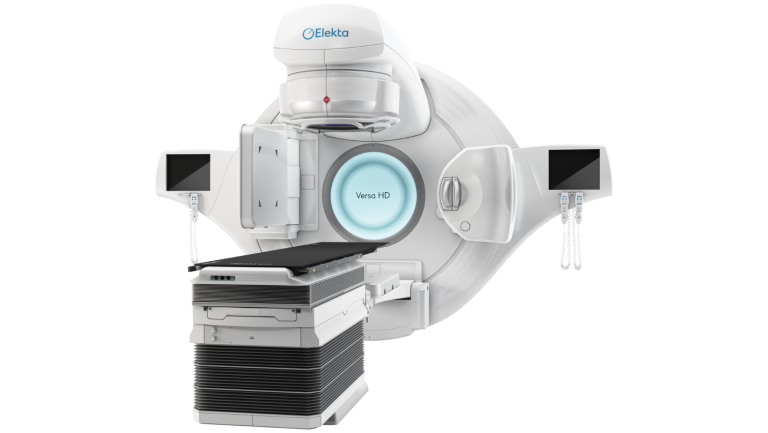
What is a LINAC Device? In Which Diseases is it Used?
The LINAC device is a high-tech radiotherapy device that produces high-energy X-rays or electrons, applying artificial radiation at different angles and durations according to the shape of the targeted tumor area, while protecting the surrounding healthy tissue.
These devices can be used for radiotherapy of almost all tumors observed in any part of the body, primarily including the lungs, prostate, breast, bone, brain, liver, skin, head-neck, and abdominal organs. The aim of radiotherapy is to render cancerous tissues ineffective with the maximum radiation dose while keeping the radiation dose received by the surrounding healthy tissues to a minimum, meaning that ideally, no side effects will be observed in the patient or at least minimal side effects will occur. In summary, a benefit-risk balance should be considered.
How is Treatment Planned? How is it Applied?
The radiation dose to be given and the number of treatment sessions are determined by a radiation oncology specialist. The method of treatment, technique, radiation dose, and total treatment duration may vary according to the patient and tumor characteristics. In treatment, X-rays or electrons are applied externally only to the targeted area without any surgical or interventional procedures.
In treatment planning, the artificial X-ray beams created in the LINAC device can be applied from different angles for different durations and can be adapted to the shape of the tumor in three dimensions. Moreover, with the medical imaging capabilities and various software of LINAC devices, both the target areas and the surrounding healthy tissues are observed to ensure that the treatment is applied under suitable conditions to the correct area, minimizing the likelihood of side effects.
Only the patient is present in the treatment room. The treatment room is specially designed for the treatment device used in accordance with world standards and must be shielded to prevent radiation leakage to the outside. Radiation therapy technicians monitor the patient remotely through monitors in the control room where the device’s console is located. During this time, they control the device, can stop the treatment if necessary, and report any unusual situations to the medical physicist and radiation oncology specialist if encountered.
Is Preparation Necessary Before Treatment?
After the radiation therapy decision is made by the specialist physician, the preparation stages for radiation therapy are carried out sequentially according to the planned treatment.
First, verbal and written information about the procedure to be applied is provided to the patients. The effectiveness of the treatment and side effects are explained, and patient consent is obtained. Hygiene, lifestyle, and nutrition recommendations are made for before, during, and after treatment.
Subsequently, simulation and immobilization (fixation) stages are carried out according to the treatment to be applied. A computed tomography scan is performed for planning purposes, and suitable immobilization devices for the patients are determined. For example, a thermoplastic head-neck mask for head-neck and brain tumors, lung planes for lung and abdominal tumors, inclined planes for breast tumors, as well as various devices such as knee-elbow cushions, foot cushions, vacuum beds, etc. can be used. The critical point at this stage is that the patient must remain still in the same position during each treatment. Therefore, positioning and fixation should be repeatable and comfortable. Depending on the treatment, bowel/bladder fullness, fasting/fullness status may vary. Patients are trained on these issues when necessary.
After obtaining simulation images, the contouring and planning phase begins. The data obtained from the simulation tomography is transferred to contouring and planning computers. Tumorous tissues and healthy tissues at risk near the treatment area are drawn one by one in the tomography sections. When determining the target, matching (fusion) can be done with MR or PET/CT images. Thus, the tumorous and at-risk organs can be identified more accurately and precisely. Treatment plans are created by medical physicists considering tumor characteristics, the radiation tolerance of at-risk healthy tissues, and patient characteristics.
Among the created plans, the one that minimizes the dose received by healthy tissue while applying the therapeutic dose to the target, in other words, the plan with the lowest likelihood of side effects while controlling the tumor, is selected by the specialist physician.
After the quality control tests of the selected plan are completed, an appointment is made for the patient for the first treatment (setup) day. Before treatment is given, an instantaneous image is taken and matched with the images in the simulation tomography. If necessary, appropriate adjustments are made by the radiation therapy technician, and the patient’s position is given precisely (millimetrically). During each treatment session, controls are made, and adjustments are repeated when necessary.
How Long Do Treatments Last?
In modern LINAC devices, traditional treatments are applied every weekday, that is, 5 days a week. Each session for daily applications lasts approximately 15-20 minutes. Additionally, stereotactic or pinpoint treatments, which are also frequently used in clinical practice, can be applied 2 or 3 days a week, alternating, depending on the disease. Pinpoint treatments have a much higher daily dose compared to traditional treatments but have a shorter total treatment duration. Daily sessions can last between 30-45 minutes on average.
What Are the Side Effects?
Some side effects may be observed during or after treatment. Side effects are generally observed only in the area where radiotherapy is applied and can mostly be controlled with medications. Different side effects may be observed depending on the area treated. It is best to discuss side effects with the radiation oncology specialist who is planning your treatment.
The importance of early diagnosis in saving lives in cancer should not be overlooked. It is important to have your annual check-ups and to consult regularly with your doctor. You can make an appointment with the Radiation Oncology Department of Hisar Hospital Intercontinental to discuss treatment methods with a specialist radiation oncologist and to get information about treatment options with the LINAC device.