



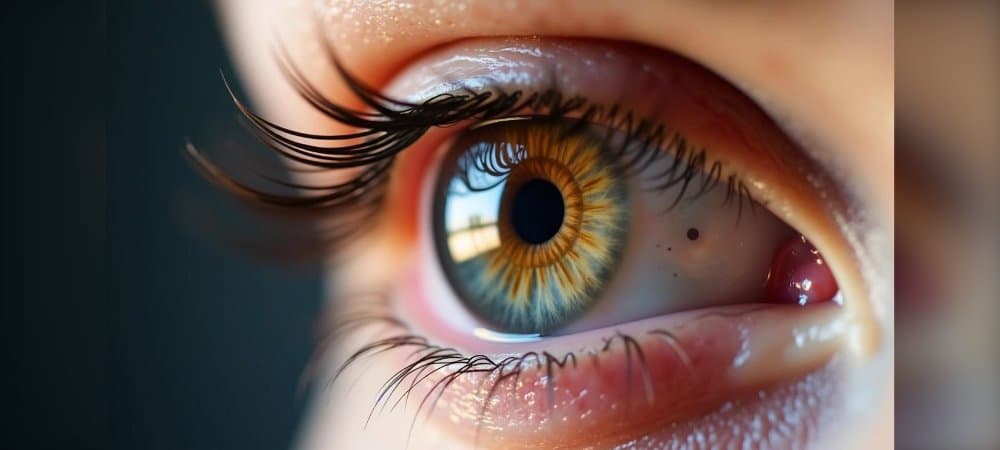
Panuveitis is a rare but serious type of inflammation that affects the entire uvea layer of the eye. If left untreated, this disease can lead to complications such as cataracts, glaucoma, and retinal detachment. In this article, we will explain everything you need to know about panuveitis symptoms, diagnosis, and treatment. Early diagnosis and the correct treatment approach are critical for preserving your eye health.
What is Panuveitis?
Panuveitis is a common inflammation that occurs in all parts of the uvea, which forms the middle layer of the eye. In this disease, both the front and back parts of the eye are affected simultaneously.
What is Uvea and What Does it Do?
The uvea is a layer located in the middle of your eye, composed of three distinct structures. This layer is rich in blood vessels, nerve, and connective tissue cells. On the outside, it is adjacent to the sclera (the white part of the eye), and on the inside, it is next to the retina.
The uvea has three main parts. The iris is the colored part of your eye and controls the size of the pupil. The amount of pigment cells inside determines your eye color. The ciliary body extends from the root of the iris to the choroid and holds your lens in place. It also secretes the clear fluid that fills the front part of the eye. The choroid is the vascular layer that nourishes the retina and is covered with fine blood vessels. Together, these three structures support the nourishment and visual function of the eye.
Difference of Panuveitis from Other Types of Uveitis
Uveitis is classified in different ways depending on the area of inflammation. Anterior uveitis affects the iris and surrounding tissues in the front part of the eye. This is the most common type of uveitis. Intermediate uveitis develops in the vitreous layer in the middle of the eye. Posterior uveitis involves the choroid and retina in the back part of the eye.
Unlike other types of uveitis, panuveitis affects all anterior and inner layers of the eye. You can think of it as a combination of anterior and posterior uveitis. It can encompass everything, including the iris in the front part, the retina, and the choroid in the back, as well as the fluid inside the eye. Therefore, it carries a higher risk of serious vision loss and complications.
Frequency of the Disease
Studies conducted in our country indicate that the frequency of panuveitis is 26.7%, making it the second most common group of uveitis after anterior uveitis. This rate shows that panuveitis is quite a common disease.
The most significant cause of panuveitis in Turkey is Behçet’s disease. Behçet’s disease and idiopathic panuveitis are the leading two causes. This disease, especially seen in young adults, requires accurate diagnosis and treatment.
What are the Symptoms of Panuveitis?
The symptoms of panuveitis create a broader picture due to the simultaneous involvement of different regions of the eye. Because there is inflammation in both the front and back parts of your eye, the complaints become more pronounced.
Eye-Related Symptoms
Eye pain is the most common symptom of panuveitis. This pain is usually described as sharp or throbbing. You may feel varying levels of discomfort in your eye, ranging from mild irritation to severe pain. The pain can appear as a dull sensation without any discharge.
There is noticeable redness in the white part of the eye (sclera). This redness can be pink or reddish in color. Sensitivity to light (photophobia) develops, and your eyes become overly sensitive to bright lights. Additionally, excessive tearing may occur.
Furthermore, conditions such as eye redness and glare may arise. The shape of your pupil may change from round to irregular. Due to inflammation, the iris may adhere to the lens or edges. In some cases, white fluid accumulation (hypopyon) may be observed in the lower part of the front of the eye.
Vision-Related Symptoms
Blurred vision is an important indicator of panuveitis. Since the inflammation of the uvea affects the retina, your vision becomes blurry. If the inflammation has intensely flowed into the eye, the blurred vision becomes more pronounced.
Seeing floating objects or specks in front of your eye is a common symptom. Sometimes you may also experience flashes of light or sudden light bursts. You may notice gaps or missing sections in your visual field, especially in the affected eye.
Your visual acuity may be severely affected. Intense blurred vision and progressive vision loss may develop. You may experience a decrease in your ability to see objects next to your field of vision. If a region related to central vision is affected, there may be a sudden decrease in vision.
Unilateral or Bilateral Symptoms
Panuveitis can occur in one eye or affect both eyes simultaneously. Uveitis typically involves both eyes. However, in some cases, it may start in one eye and then spread to the other.
Symptoms can appear suddenly or develop gradually over a few days. If the disease affects a region related to central vision, there may be a sudden decrease in vision.
Emergency Situations Requiring Intervention
Panuveitis is a disease that requires emergency intervention. Early diagnosis and treatment are vital to prevent vision loss. Symptoms in the eye can start suddenly and worsen rapidly.
You should seek an eye doctor without delay in the following situations: sudden and severe vision loss, involvement of central vision, intense eye pain accompanied by redness, and progressive vision disorders. If left untreated, it can result in permanent blindness. Therefore, it is essential to consult an experienced eye doctor in uveitis when symptoms arise.
Causes and Risk Factors of Panuveitis
Many different causes lay the groundwork for the development of panuveitis. In some cases, the underlying cause can be clearly identified, while in approximately 30% of cases, the exact cause cannot be determined. In these cases, the disease is described as idiopathic.
Infections
Infections caused by bacteria, viruses, fungi, and parasites constitute a significant portion of panuveitis cases. Toxoplasmosis is the most common infectious cause of panuveitis, followed by herpes infections. Bacterial panuveitis is less common, but conditions such as syphilis, tuberculosis, and Lyme disease can lead to serious cases.
The frequency of tuberculosis-related panuveitis shows regional variations. In studies conducted in our country, it has been reported at a rate of 0.3%. Especially with the increase in HIV infections, there has been a rise in the frequency of syphilis in recent years. Herpes viruses, CMV retinitis, and toxoplasmosis can also cause inflammation in the eye tissues.
In cases of endophthalmitis developing after eye trauma, severe panuveitis can occur in 3% to 30% of penetrating injuries. This situation, which develops due to bacterial inoculation, requires emergency treatment.
Autoimmune Diseases
Diseases of the immune system are among the leading causes of panuveitis. Behçet’s disease is the most common cause of panuveitis in our country. Rheumatic conditions such as ankylosing spondylitis, sarcoidosis, rheumatoid arthritis, and psoriatic arthritis can also lead to panuveitis.
Inflammatory bowel diseases such as Crohn’s disease and ulcerative colitis, systemic lupus erythematosus, and Vogt-Koyanagi-Harada disease are other important autoimmune causes. In these diseases, the immune system mistakenly targets the eye tissues.
Carrying the HLA-B27 genetic mutation is a risk factor for both panuveitis and inflammatory rheumatism diseases. Therefore, the likelihood of these conditions occurring in multiple individuals in the same family increases.
Eye Injuries and Trauma
Inflammation developing after blows to the eye or surgical procedures is another significant cause of panuveitis. Dirty wounds, retained intraocular foreign bodies, lens capsule rupture, and delayed repair are factors associated with the development of panuveitis after injury.
Sometimes, even a small wound that does not show clinical findings and closes spontaneously can lead to severe panuveitis. Injuries with organic materials like tree branches or fine thorns can allow bacteria such as Staphylococcus epidermidis to enter the eye and cause infection.
Idiopathic Panuveitis
Despite careful investigation, the exact cause cannot be determined in approximately 30% of cases. These situations are classified as idiopathic panuveitis. Genetic predisposition makes some individuals more susceptible to panuveitis.
Medication Use and Other Causes
Some medications can cause inflammation in the eye tissues and lead to panuveitis. Drugs affecting the immune system, chemotherapy agents, and some biological treatments can increase the risk of panuveitis. Rarely, antibiotics, antiviral medications, and eye pressure drops can also lead to this condition.
In addition, exposure to toxic substances and some cancers such as sarcoidosis and lymphoma can also cause the development of panuveitis.
How is Panuveitis Diagnosed?
Accurate diagnosis of panuveitis requires a comprehensive evaluation by an experienced eye doctor. The diagnostic process does not follow a standard algorithm and is determined according to each patient’s clinic.
Eye Examination and Initial Assessment
Your doctor will first take a detailed history and conduct a careful eye examination. Your visual acuity will be measured, and the reaction of your pupils to light will be evaluated. The intraocular pressure will be measured using tonometry.
Biomicroscopy (slit lamp) examination is the most important step for diagnosis. This tool shows the inflammatory cells (Tyndall) in the front part of your eye. Then, your pupil will be dilated, and the back part of the eye will be examined with an ophthalmoscope. The retina, blood vessels, and other internal structures will be evaluated in detail.
In some cases, gonioscopy may be performed to examine the flow of fluid in the front part of the eye. An experienced physician can diagnose some types of panuveitis just by examination.
Imaging Tests
Optical coherence tomography (OCT) allows visualization of the retina and choroid layers of the eye. This test is used to evaluate complications such as macular edema. Fluorescein angiography (FFA) examines the retinal vessels to reveal vasculitis and other vascular problems. Indocyanine green angiography (ICG) shows choroidal involvement.
Eye ultrasound helps in detailed imaging of the internal structures of the eye. This method is particularly useful if there is significant cloudiness. In some cases, advanced imaging techniques such as computed tomography (CT) or magnetic resonance imaging (MRI) may be necessary.
Laboratory Tests
Blood tests are requested to find the underlying cause. Tests such as HLA-B27, CRP, and sedimentation are performed to investigate rheumatic diseases. Behçet tests and infection serologies are also important.
Molecular tests are increasingly being used. Tests for varicella-zoster virus (VZV), herpes simplex virus (HSV), and cytomegalovirus (CMV) are performed to rule out infection. High yield is obtained, especially from samples taken from the anterior chamber.
Investigation of Underlying Causes
If there is suspicion of a systemic disease, relevant body examinations and tests are required. Infectious diseases and rheumatological diseases are the main groups to be investigated. Chest X-ray is performed for sarcoidosis and tuberculosis.
Your doctor may refer you to a rheumatology specialist. In some cases, consultations with specialists in neurology, pulmonary diseases, or infectious diseases may be necessary. Sometimes, recognizing the underlying disease can be very difficult, and the cause of panuveitis may emerge years later.
How is Panuveitis Treated?
The treatment of panuveitis aims to quickly control inflammation and prevent vision loss. The treatment approach is determined according to the severity of the disease and the underlying cause.
Corticosteroid Treatment
Medications containing cortisone are the cornerstone of panuveitis treatment. These drugs strongly suppress inflammation in the eye and can be administered in various forms.
Topical steroid drops are particularly used in anterior uveitis. If drop therapy is insufficient, oral cortisone treatment may be necessary during the acute phase. Systemic corticosteroids are given to patients with posterior or panuveitis. Dilation drops are used alongside corticosteroid treatment to prevent adhesions and reduce pain.
In more severe cases, corticosteroid injections around the eye or intravitreal injections may be applied. In some cases, slow-release cortisone implants can be placed inside the eye. These implants release the medication over 3-6 months.
A critical point in cortisone treatment is not to stop the medication abruptly. Your doctor will gradually reduce the dosage according to the condition of the disease. Abrupt cessation can cause the disease to flare up much more severely.
Treatment of Underlying Diseases
If the cause of panuveitis is an infection, antibiotics, antiviral, or antifungal medications are used. For example, in a patient with panuveitis due to tuberculosis infection, tuberculosis treatment should be conducted alongside uveitis treatment.
In cases that do not respond to cortisone treatment or recurring cases, immunosuppressive drugs come into play. Immunosuppressants such as methotrexate, azathioprine, and cyclosporine are used, especially in chronic panuveitis. These medications regulate the immune system to control inflammation.
Recently, biological agents have been widely used. Biological drugs such as adalimumab are effective in the long-term treatment of Behçet’s disease and rheumatic panuveitis. Infliximab is used in both adults and children for anterior and posterior uveitis.
Treatment of Complications
Complications that develop during the course of panuveitis may require surgical intervention. If cataracts develop, they are treated surgically. In the case of glaucoma, surgery may be performed to lower intraocular pressure.
Vitrectomy is a common method used to clean intraocular inflammations and resolve complications. Vitrectomy may also be applied to patients with cystoid macular edema who do not respond to drug treatment.
Treatment Process and Follow-Up
Regular check-ups are an integral part of panuveitis treatment. In the initial treatment period, weekly check-ups are performed. As the disease stabilizes, the intervals between check-ups extend to monthly or every 3-6 months.
During the follow-up process, intraocular pressure measurement, cataract development control, retina evaluation, and visual acuity tests are performed. Blood tests are requested to monitor the side effects of medications.
Recovery Process and Expectations
The speed of recovery depends on the severity of the disease and its location. Posterior uveitis heals more slowly than anterior uveitis. With appropriate treatment, recovery can be seen within two to five weeks. Treatment of more severe cases may take months or years.
With early diagnosis and appropriate treatment, the prognosis is quite good. However, panuveitis can be a recurring disease. Therefore, if symptoms recur after successful treatment, you should consult an eye doctor without delay.
Frequently Asked Questions
Many questions arise in patients’ minds regarding panuveitis. These questions reflect concerns about the course of the disease and the treatment process.
Can Panuveitis Fully Heal?
Panuveitis cases related to infections can be permanently resolved with treatment. However, in autoimmune or chronic causes of panuveitis, the disease may not completely disappear. If the underlying cause is a chronic disease, it is controlled with treatment and enters a dormant phase (remission). Early diagnosis and appropriate treatment can greatly reduce the risk of vision loss.
How Long Does Panuveitis Treatment Last?
The duration of treatment varies depending on which part of the eye the disease affects, its severity, and the underlying cause. Mild cases may heal within a few weeks. More severe cases may take months or years to treat. Depending on the cause of uveitis and the damage it causes, treatment may need to continue for a lifetime. Uveitis attacks can last up to eight weeks and may improve with treatment within six to eight weeks.
Is Panuveitis Contagious?
Panuveitis is not contagious. The disease does not spread from person to person. However, in cases of panuveitis caused by infections such as tuberculosis or syphilis, the uveitis itself is not contagious, but the underlying infection may be. Therefore, coming into contact with someone diagnosed with panuveitis does not cause you to develop panuveitis.
Does Panuveitis Recur?
Yes, panuveitis is a disease that can recur and show a chronic course. There may be flare-ups or attacks from time to time. If there are underlying systemic diseases (Behçet’s disease, sarcoidosis, ankylosing spondylitis), uveitis may recur from time to time. Delayed or insufficient treatment can lead to uncontrolled disease and attacks. While 5% of patients experience recurrence in the same eye, 15-20% experience recurrence within five years.
Can Panuveitis Cause Permanent Vision Loss?
If left untreated, panuveitis can lead to permanent vision loss and blindness. With early diagnosis and treatment, panuveitis generally does not cause vision loss. However, if left untreated or if recurrent attacks occur, it can lead to permanent vision loss. Especially if there is a delay in the first examination, permanent vision loss may develop. Therefore, it is vital to consult an eye doctor without delay when symptoms are noticed.
What Can Be Done at Home for Panuveitis Treatment?
Panuveitis treatment must be conducted under the supervision of a doctor. Waiting for it to resolve on its own or using traditional methods can worsen the situation. You need to regularly take the medications prescribed by your doctor and attend your follow-up appointments. Avoid rubbing your eyes and wear sunglasses to reduce light sensitivity. Stress is one of the factors that increase the risk of uveitis, so pay attention to stress management.
In Summary, Panuveitis
Panuveitis is a serious disease that affects all layers of your eye. Early diagnosis is vital. If you notice symptoms such as eye pain, redness, or blurred vision, you should consult an eye doctor without delay.
With proper treatment, the disease can be controlled, and vision loss can be prevented. However, starting treatment late can lead to permanent consequences. Regularly take the medications prescribed by your doctor and do not miss your follow-up appointments.
The disease can recur, so it is important to remain vigilant even after treatment. You need to recognize the symptoms to protect your eye health and act immediately.
Panuveitis is a serious type of inflammation that affects the entire uvea layer of the eye. Get detailed information about its symptoms, diagnosis, and treatment methods. Early diagnosis and treatment are important.