



What is Thyroid Cancer?

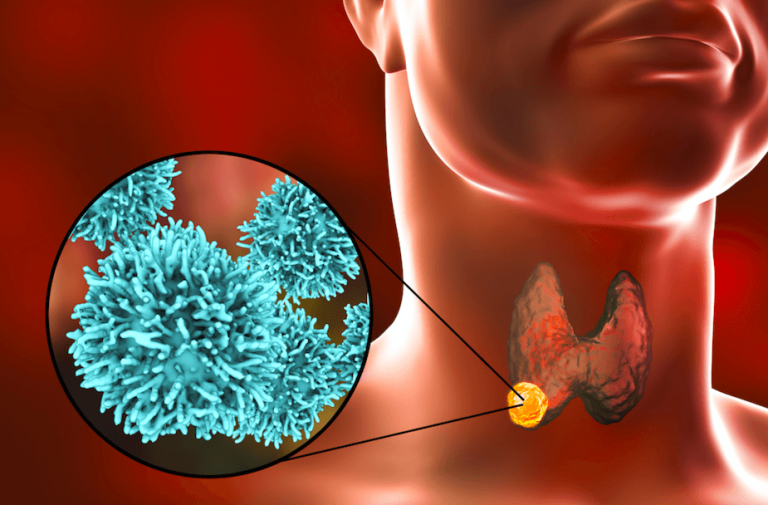
The thyroid gland, part of the endocrine system, is responsible for hormone production to regulate body functions. The most important hormones among them ensure the proper functioning of metabolism. The thyroid gland is located in front of the trachea and weighs an average of 20-30 grams, resembling a butterfly in shape.
Thyroid cancer occurs due to the uncontrolled growth of cells in the thyroid gland. Abnormally multiplying cells create a mass or tumor in the area they occupy.
According to the World Health Organization, the incidence of thyroid cancer worldwide was reported to be 3% in 2020.
What are the Types of Thyroid Cancer? 
Thyroid cancer is divided into 4 main groups.
Papillary Cancer
80% of thyroid cancers fall into this group. Although this type of cancer usually spreads to the lymph nodes in the neck, it can be treated with nearly 100% success if diagnosed and treated correctly without delay.
Follicular Cancer
This accounts for 5-10% of thyroid cancers. Tumors that spread through the bloodstream are prone to metastasize to bones and organs like the lungs. It is more common in individuals in their 50s.
Medullary Cancer
Approximately 2% of thyroid cancers are medullary. This type of cancer can be easily diagnosed because it raises the level of calcitonin hormone in the blood to abnormal levels. It usually arises due to hereditary factors.
Anaplastic Cancer
This is the rarest type of cancer. It has a rapid spread potential, and the chance of successful treatment is lower.
What Causes Thyroid Cancer?
The exact cause of thyroid cancer is not yet fully understood. However, some risk factors have come to the forefront according to research.
Iodine Deficiency
Iodine deficiency is one of the most important risk factors for thyroid cancer.
Radioactive Substances
Exposure to radioactive substances, especially uranium, increases the risk of thyroid cancer. The incidence of thyroid cancer has increased among people living in areas affected by the Chernobyl nuclear disaster.
Genetics
Individuals with a family history of thyroid cancer are at risk.
Gender
Research indicates that women have a higher likelihood of developing thyroid cancer.
Radiation Therapy
Individuals who received radiation therapy to the head and neck during childhood are at risk.
What are the Symptoms of Thyroid Cancer? 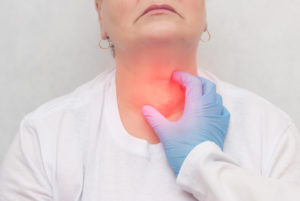
Many thyroid cancers do not present any complaints or symptoms. Although thyroid cancer is considered a “treatable” cancer, if left untreated, it can spread like other cancers and lead to negative outcomes. The patient’s lifespan may shorten, and their comfort may be adversely affected. Therefore, it is beneficial to pay attention to certain changes in your body and undergo a doctor’s examination.
These include:
- Sudden swelling and growth in the neck
- Feeling of tightness and pain in the throat
- Difficulty breathing
- Hoarseness
- Difficulty swallowing
- Weight gain
- Irritability
- Weakness in hair
- Dry skin
How is Thyroid Cancer Diagnosed? 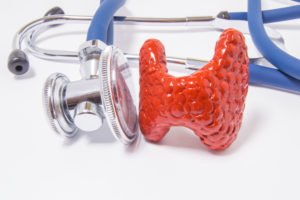
When diagnosed early, the success rate of thyroid cancer treatment is quite high. There are several methods for diagnosing cancer.
Blood Test
Patients who present with the above complaints undergo a physical examination first, where the doctor checks for swelling in the neck and examines other potential diseases. After the physical examination, a blood test is performed to check whether the thyroid gland is functioning normally.
Biopsy
Fine needle aspiration biopsy is an effective method for diagnosing thyroid cancer. A thin needle is inserted through the skin into the thyroid gland to obtain a tissue sample. Ultrasound may be used to guide the needle during the biopsy. After pathological examination of the biopsy sample, a diagnosis of thyroid cancer can be made.
Imaging Tests
Imaging tests are preferred, especially to determine whether thyroid cancer has spread to surrounding tissues. These procedures include ultrasound examination, computed tomography (CT), magnetic resonance imaging (MRI), and positron emission tomography (PET).
Genetic Testing
For medullary thyroid cancer, which generally arises due to hereditary factors, genetic testing may be performed on at-risk individuals.
How is Thyroid Cancer Treated? 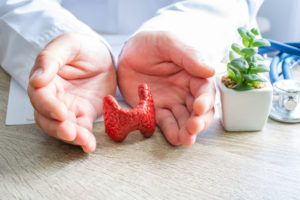
Surgical Treatment Options
The first preferred treatment method when diagnosed is surgical intervention. In patients with voice changes, those who have previously undergone thyroid surgery, or those who have had other neck surgeries, the patient’s vocal cords must be evaluated before surgery. For hyperthyroid patients, it should be ensured that their hormone levels are normal before surgery.
There are actually not many surgical treatment options for thyroid cancers. The smallest surgical intervention is the removal of the thyroid gland on the side of the cancerous nodule. The generally preferred treatment is the surgical removal of the entire thyroid gland or most of it. Depending on the type of cancer, treatments to be performed after surgery complete cancer treatment. However, the patient is monitored for life. With the advancements in technology, it is now possible for patients to return home the next day with minimal scarring using minimally invasive techniques.
In cases where cancer is discovered after surgery and part of the thyroid gland has been left behind, a second surgery may be necessary to completely remove the remaining portion of the thyroid gland, depending on the size of the cancer and its pathological features. Otherwise, subsequent treatments may be incomplete and ineffective.
In some cases, after rapid pathological examination (frozen examination) during surgery, if it is determined that the patient has cancer, the surgery may be expanded, and the complete or near-complete removal of the thyroid gland may be the most appropriate method. In cancer surgeries, if there is a suspicious condition in the lymph nodes surrounding the thyroid, those lymph nodes should also be removed.
Other Treatment Options
After surgery, patients with papillary and follicular cancers may require radioactive iodine treatment (atom therapy). As preparation for treatment, patients may be asked to stop taking thyroid medication for a while and follow a special diet. In this treatment, patients are exposed to radioactive iodine in specific doses, depending on the degree of cancer spread, in lead-lined hospital rooms. This aims to eliminate any potential cancer cells present in other parts of the body.
After thyroid surgery, patients may need to take oral thyroid hormone supplements for life. This is aimed at meeting the body’s thyroid hormone needs and preventing recurrence of the disease.
Additionally, in rare cases, chemotherapy or radiotherapy may be applied to patients who do not respond to other treatments.
Questions to Ask Your Doctor if You Have Thyroid Cancer
- What type of thyroid cancer do I have?
- Has the cancer spread outside the thyroid gland?
- What is the most suitable treatment method for this type of cancer?
- What are the risks and side effects of the treatment?
- Will I need thyroid hormone supplementation?
- Is my family at risk for thyroid cancer? If so, is genetic testing necessary?
- Is there a chance of developing thyroid cancer again after treatment?
- What kind of process should I expect after treatment?
- What complications should I monitor after treatment?