



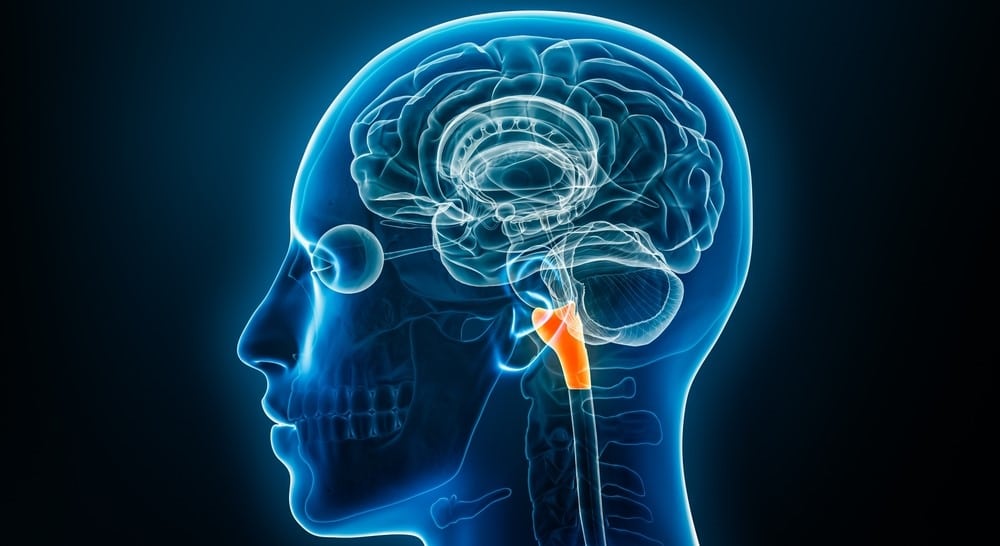
Chiari malformation (cerebellar herniation) is the displacement of the cerebellum, located at the back of the skull, from the foramen magnum, the space at the base of the skull, into the spinal canal. Generally, babies are born with this malformation, but in some cases, diagnosis may occur later in life due to the late onset of symptoms. Chiari malformation can develop due to a structural defect during brain development in the womb or as a result of a narrowing in the area of the skull where the cerebellum is located. It may be due to genetic factors or insufficient nutrition during pregnancy. It is divided into five types, and conditions related to the brain such as hydrocephalus, spina bifida (split spine disease), and tight spinal cord syndrome may accompany these types. Symptoms may vary depending on the tissue that the herniated cerebellum compresses in the spinal canal. Symptoms include headache-neck pain, balance problems due to the cerebellum being the center of balance, hearing difficulties, vomiting, and dizziness. Changes in the cerebrospinal fluid flowing from the spinal canal and in the cerebellum can be detected by magnetic resonance imaging. Structural abnormalities in the skull and spinal canal can be seen with computed tomography. Surgery is usually required for treatment in most cases.
What is Cerebellar Herniation?
Cerebellar herniation is a malformation (abnormal formation) that causes the cerebellum located at the back of the brain to herniate into the spinal canal and exert pressure. This pressure can block the flow of cerebrospinal fluid that nourishes the spinal cord. There are five types of cerebellar herniation.
- Type 1: This is the most common form. It is the herniation of the tissue called the tonsil, which is the lowest part of the cerebellum, into the opening that connects the skull and spine. Individuals with this type may show symptoms in childhood or adulthood. The spinal cord, which normally passes through here easily, is compressed by the tonsil.
- Type 2: Also known as the classical form. It is caused by a defect in the formation of the brain and spinal cord in the womb. It is generally seen in individuals with spina bifida (split spine disease). Spina bifida occurs due to the incomplete closure of the spinal canal before birth. When type 2 cerebellar herniation develops, additional brain abnormalities may be observed. There is a risk to life in infants and children, and surgical treatment is required.
- Type 3: In this type, the cerebellum herniates not from the foramen magnum but from an abnormal space at the back of the skull. In this case, the meninges are also involved. This rare type can be life-threatening because symptoms may be similar to type 2, but additional neurological disorders may be observed.
- Type 4: In this very rare type, the cerebellum is not fully developed, is in its normal place, but some parts are missing.
- Type 0: In this type, there is no herniation, but there is a crowding at the entrance of the spinal canal. Some symptoms may be observed.
Cerebellar herniation may be associated with hydrocephalus in the brain or syringomyelia, which is the accumulation of cerebrospinal fluid in the spinal cord.
What are the Symptoms of Cerebellar Herniation?
Symptoms may vary from person to person and according to the types of the disease.
- Headache: This is the most common symptom. Pain may be felt at the back of the head, especially after sudden sneezing. The pain may worsen after coughing or sneezing.
- Hearing and vision problems: In some cases, ringing in the ears may be heard. Diplopia (double vision), blurred vision, nystagmus (abnormal eye movement), and sensitivity to light may be observed.
- Movement and balance problems: Since the cerebellum is the center of balance, a problem here can disrupt balance. Additionally, due to pressure on the spinal cord, there may be disruptions in motor activity.
- Sleep problems: In some cases, insomnia may occur due to headaches.
- Scoliosis: This may occur due to pressure on the spinal cord.
- Problems with eating, swallowing, and speaking: Dysphagia (difficulty swallowing) may be observed. Vomiting and burping may be common, especially in infants. Difficulty eating may occur.
- Other symptoms: Muscle weakness, numbness in the arms and legs, bladder and bowel problems, dizziness, slow heart rate, and sleep apnea may be observed.
Cerebellar herniation can affect brain and spinal cord functions in various ways. Due to the blockage in the cerebrospinal fluid that normally flows easily from the foramen magnum, certain symptoms and complications such as hydrocephalus (accumulation of cerebrospinal fluid in the ventricles) or syringomyelia (accumulation of cerebrospinal fluid in the spinal cord) may also occur.
What are the Causes of Cerebellar Herniation?
Although there is no known definitive cause, it may be due to a disorder that occurs during development in the womb. In most cases, it arises from the skull not being wide enough for the brain. The incidence of type 1 cerebellar herniation is higher in cases of tight spinal cord syndrome, hydrocephalus (excess accumulation of cerebrospinal fluid), and some brain tumors.
In some cases, it has been found to be genetic. There have been cases where this condition has been genetically passed down in children with problems in skull development, but genetic transmission is rare. Even if it is genetically transmitted, the child may not show symptoms.
In very rare cases, a person may not be born with cerebellar herniation. It may be due to a brain tumor or irregularity in the spinal cord.
How is Cerebellar Herniation Diagnosed?
Since it is a disease that can be detected in the womb, regular check-ups are important. In diseases such as spina bifida, the baby is examined for other malformations. Cerebellar herniation can be detected during this examination. It can be detected in this way because soft tissues may be visible in ultrasound images.
For older ages, a brain and neurosurgery specialist examines the person. During the physical examination, the doctor checks the person’s movement and balance or signs such as loss of sensation in the arms and legs. Memory problems, learning difficulties, and cognitive disorders are also checked. Radiology is used to take a detailed look at the brain and spine.
MRI (magnetic resonance imaging) is a commonly used imaging method. It is frequently preferred because it is specific, reliable, and non-invasive (does not require surgical intervention). MRI visualizes soft tissue and bones. It evaluates the brain, spine, and cerebrospinal fluid. With this imaging, the extent of herniation of the cerebellum into the spinal canal can be seen. In type 1 Chiari malformation, herniation in the tonsil region is a key finding and can be detected by MRI.
Since cerebellar herniation usually does not show symptoms, it is often accidentally discovered while checking for another disease.
How is Cerebellar Herniation Treated?
Treatment may vary depending on symptoms and the course of the disease. It is important to consult a specialist doctor and create a treatment plan. In cases of brain herniation that do not show symptoms and do not affect daily life, the patient is monitored. Patients with symptoms are generally treated surgically.
- Posterior fossa decompression: This is a surgery performed to reduce pressure on the spinal cord and create more space for the cerebellum. It is the most common surgical treatment method used in cerebellar herniation cases.
- Spinal laminectomy: The lamina is the arched bony roof of the spinal canal, and laminectomy is the process of removing the lamina. It is another surgery that is combined with posterior fossa decompression.
- Electrocautery: This is a procedure used to remove herniated tonsils in some cases. Since tonsils have no known function, they can be removed without causing neurological problems.
- Meningomyelocele surgery: Meningomyelocele is the herniation of the spinal cord and spinal column due to insufficient development. Since cerebellar herniation may be seen in babies with this condition, surgery may be necessary to reposition the spinal cord before birth and close the opening where the herniation occurs. This way, the brainstem and cerebellum return to their normal positions.
- Shunt treatment: Hydrocephalus can be treated with a shunt system that drains excess fluid and reduces pressure. In this treatment, a surgical tube placed in the head allows excess fluid to flow into the abdominal or chest cavity for absorption by the body. Hydrocephalus can also be treated with ventriculostomy (draining the ventricles filled with cerebrospinal fluid).
Cerebellar herniation can be treated by consulting a brain and neurosurgery specialist.
How is Cerebellar Herniation Surgery Performed?
Decompression surgery is performed for cerebellar herniation. Under general anesthesia, a cut is made at the back of the head, and the surgeon removes a bone from the base of the skull. They may also remove the lamina from the beginning of the spinal cord along with this bone, which is called laminectomy. This reduces intracranial pressure and treats the herniation of the cerebellum into the spinal canal.
Frequently Asked Questions About Cerebellar Herniation
If you have symptoms or suspect you have this condition, you can consult a specialist brain and neurosurgery doctor.
Who is most likely to have cerebellar herniation?
Children with spina bifida have a higher likelihood of type 2 cerebellar herniation. In some cases, genetic transmission may also be a cause, so it can be seen in individuals with a family history of cerebellar herniation. There is also a higher likelihood of cerebellar herniation in babies with structural abnormalities in the skull.
How is cerebellar herniation surgery performed, how long does it take?
Posterior fossa decompression surgery is based on creating space for the cerebellum to reduce intracranial pressure. It generally takes 2-3 hours.
When should cerebellar herniation surgery be performed?
A person can live for years without symptoms and without realizing they have cerebellar herniation, but surgery should be performed when symptoms occur and affect daily life.
Does cerebellar herniation progress if left untreated, what does it cause?
Since cerebellar herniation exerts pressure on the spine, this pressure can lead to dysfunction of the nerves that go from the spine to the muscles. Motor movement disorders and increased numbness in the arms or legs may occur. Symptoms such as insomnia and balance problems may also worsen if left untreated.
What is the frequency of cerebellar herniation?
It is not a common disease. Most cases do not show symptoms. Approximately one person in a thousand shows symptoms of cerebellar herniation.
What should be considered after cerebellar herniation surgery, when can one return to daily life?
The patient is kept in the recovery room for one day after surgery and monitored in the hospital for three to four days. When returning home, daily activities such as driving, lifting heavy objects, exercising, and sudden movements are prohibited in the first days. As weeks pass, these restrictions are lifted, and the person gradually returns to their normal life.
Does cerebellar herniation recur after surgery?
Recurrence of cerebellar herniation after surgery is not expected.
To get detailed answers to your questions about Chiari malformation (cerebellar herniation), you can consult Hisar Hospital and make an appointment with a brain and neurosurgery specialist.