



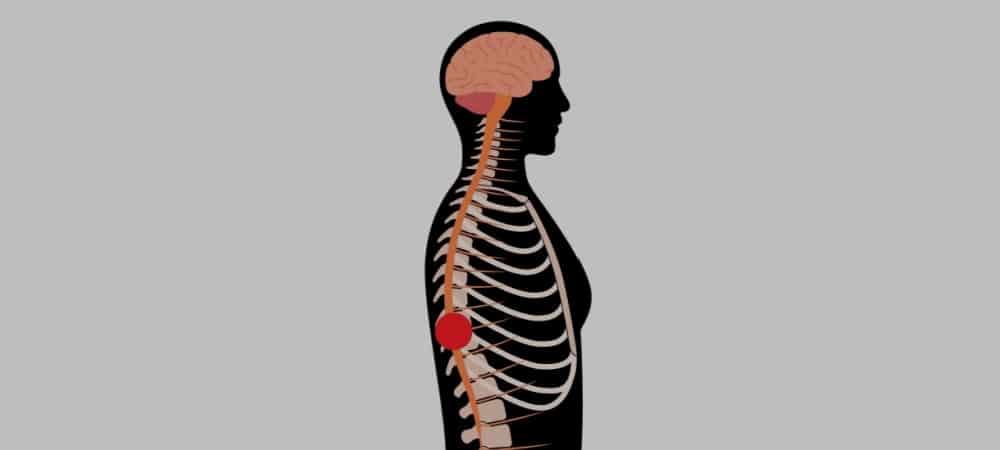
Spinal Cord Inflammation (Infection) Diseases
Spinal cord infections are diseases that occur as a result of inflammation of the spinal cord and surrounding structures. Symptoms and treatment options may vary depending on the type of disease. These diseases can generally manifest as a disruption in communication between the brain and the body. Early diagnosis and treatment are crucial to prevent more serious damage.
What is Spinal Cord Inflammation (Infection)?
The spinal cord, an important component of the central nervous system (CNS), is a long, thin, tube-shaped bundle of nerve tissue and support cells that extends from the base of the brain down the spinal canal. The primary function of the spinal cord is to facilitate signal transmission between the brain and the rest of the body. Spinal cord inflammation, also known as transverse myelitis, occurs when microorganisms such as bacteria, viruses, fungi, and parasites affect the spinal cord. When pathogens enter the spinal cord, they trigger an immune response, leading to inflammation and tissue damage. This inflammatory process can disrupt the normal functioning of the spinal cord and affect the brain’s ability to transmit signals to the rest of the body. Spinal cord infections can often develop as a result of the spread of an infection in the body and can lead to serious complications. These complications may include damage to the spinal cord, neurological issues, tissue death, and paralysis.
Spinal cord infections can generally be controlled with early diagnosis and effective treatment. However, depending on the severity of the infection, permanent damage can occur if left untreated or treated late. Therefore, it is important to seek medical help immediately when symptoms of spinal cord infection are noticed.
What are the Symptoms of Spinal Cord Inflammation Diseases?
The symptoms of spinal cord inflammatory diseases can vary depending on the underlying cause and the affected area of the spinal cord. Symptoms of spinal cord inflammation may include:
- Pain: The most common symptom of spinal cord inflammation is pain, which can manifest in different ways. Pain may be localized to the affected area of the spine or may radiate to other parts of the body, such as the limbs. A person may experience sharp, stabbing pain, and the condition may worsen with pressure applied to the spine.
- Muscle Weakness: Muscle weakness is another prominent symptom of spinal cord inflammation. This weakness can lead to difficulties in movement, coordination, and performing daily tasks. The degree of weakness may vary depending on the severity and location of the inflammation.
- Numbness and Tingling: Sensory disturbances such as numbness, tingling, or a “pins and needles” sensation may occur. These can affect various body areas such as the arms, legs, torso, or face, depending on the specific location of the infection.
- Changes in Reflexes: Infection can disrupt normal reflexes, leading to exaggerated or diminished reflex responses. Reflexes are often assessed by healthcare professionals as part of the diagnostic process for spinal cord disorders.
- Motor Function Impairment: Spinal cord inflammation can cause problems with voluntary movements, leading to difficulties related to walking, balance, and coordination.
- Bowel and Bladder Dysfunction: Spinal cord infection can affect the signal transmission between the brain and the bladder and bowel, leading to urinary and fecal incontinence or other bladder and bowel dysfunctions.
- Sexual Dysfunction: Symptoms of spinal cord infection may include sexual dysfunction, which can lead to changes in libido, erectile dysfunction, or issues related to orgasm.
- Fatigue: Chronic spinal cord inflammation can contribute to persistent fatigue, which may worsen with physical or mental exertion.
- Difficulty Walking: Abnormalities in walking may occur due to the spinal cord’s inability to transmit signals properly.
- Spasticity: Spasticity is characterized by increased muscle tone and involuntary muscle contractions, resulting in stiffness, rigidity, and involuntary movements.
- Respiratory Problems: In severe cases, spinal cord inflammation can affect the nerves that control the respiratory muscles, leading to breathing difficulties. This may manifest as shortness of breath, shallow breathing, or, in rare cases, respiratory failure.
How Does Spinal Cord Inflammation Occur?
Several factors can lead to the development of spinal cord inflammation:
- Autoimmune Disorders: In some cases, spinal cord infections arise as a result of autoimmune disorders. These conditions occur when the body’s immune system mistakenly targets its own tissues. In autoimmune diseases like multiple sclerosis (MS), the immune system targets the protective myelin sheath of nerve fibers in the spinal cord and brain. This attack leads to inflammation and damage to spinal cord tissue, disrupting the transmission of nerve signals.
- Infections: Viral or bacterial infections can directly infect the spinal cord or trigger an immune response that leads to inflammation. Viruses such as herpes simplex, varicella-zoster, and Epstein-Barr, as well as bacteria like tuberculosis or syphilis, can cause spinal cord inflammation. These infections can lead to swelling and damage in spinal cord tissue, impairing its function.
- Other Inflammatory Conditions: Although the exact cause of transverse myelitis is unknown, it is believed that an abnormal immune response targeting spinal cord tissue plays a role. This immune response leads to inflammation and damage, resulting in symptoms specific to spinal cord inflammatory diseases.
How is the Diagnosis of Spinal Cord Inflammation Diseases Made?
The diagnosis of spinal cord inflammatory diseases is typically made through a comprehensive evaluation by neurologists and healthcare professionals specializing in inflammatory disorders. The diagnostic process may involve a combination of clinical assessments, imaging studies, and laboratory tests. Clinical assessments include detailed medical history taking and comprehensive physical examinations to evaluate neurological function. These assessments are performed to identify characteristic symptoms of spinal cord inflammation, such as muscle weakness, sensory disturbances, or changes in reflexes. Imaging studies, such as magnetic resonance imaging (MRI), are important for visualizing the spinal cord and identifying areas of inflammation or damage. MRI can help differentiate various causes of damage in the spinal cord.
Laboratory tests may be conducted to assess inflammatory markers in the blood or cerebrospinal fluid (CSF) and can provide additional information about underlying inflammatory processes. They can particularly help confirm the presence of infection in the cerebrospinal fluid and rule out infectious causes. In some cases, nerve conduction studies may be performed to assess nerve function and understand the extent of spinal cord involvement. A multidisciplinary approach may be necessary to make an accurate diagnosis and develop an appropriate treatment plan.
How is the Treatment of Spinal Cord Inflammation Diseases Carried Out?
The treatment of spinal cord inflammatory diseases aims to reduce inflammation, manage symptoms, and improve overall quality of life. The treatment approach may vary depending on the underlying cause, severity of symptoms, and individual patient factors:
- Corticosteroids: Corticosteroids are prescribed to reduce inflammation and suppress the immune response in autoimmune-related diseases such as multiple sclerosis (MS) or transverse myelitis.
- Immunosuppressants: When corticosteroids alone are not effective or well tolerated, immunosuppressive medications may be used to modulate the immune system and reduce inflammation.
- Plasma Exchange (Plasmapheresis): In cases of severe spinal cord inflammation, plasma exchange may be recommended. This procedure involves removing the blood plasma containing harmful antibodies or inflammatory proteins and replacing it with donor plasma.
- Intravenous Immunoglobulin (IVIG): IVIG therapy involves administering high doses of immunoglobulins derived from human plasma. IVIG can be used as an alternative or adjunctive treatment in autoimmune-related spinal cord infections.
- Physical Therapy: Physical therapy plays a crucial role in managing symptoms and improving mobility, strength, and coordination. A specialized exercise program can help maintain flexibility, prevent muscle atrophy, and enhance functional independence.
- Pain Management: Pain management strategies may include medications such as muscle relaxants or neuropathic pain medications to alleviate discomfort associated with spinal cord inflammation.
- Specific Interventions: Additional interventions may be recommended to address specific symptoms, such as bladder and bowel dysfunction, sexual dysfunction, spasticity, or respiratory problems.
- Long-Term Disease Management: Long-term follow-up for spinal cord inflammatory diseases includes ongoing monitoring and medication management. Lifestyle changes, such as maintaining a healthy diet, stress management, and avoiding triggers, can also contribute to overall health improvement.
Frequently Asked Questions
What Does Abscess in the Spinal Cord Mean?
The formation of an abscess in the spinal cord means a localized accumulation of pus or infection in the spinal cord tissue. It can often result from bacterial or fungal infections and, if left untreated, can lead to severe back pain, neurological disorders, and potentially life-threatening complications.
Which Department Deals with Spinal Cord Inflammation?
Spinal cord inflammation is treated by neurology or neurosurgery. These healthcare professionals specialize in diagnosing and managing spinal cord diseases. They work collaboratively to provide comprehensive care tailored to the individual’s specific needs.
Where Does Spinal Cord Pain Radiate?
Spinal cord pain can affect various regions of the body depending on its location and underlying cause. These areas may include the back, neck, arms, and legs.
What is Spinal Cord Pain a Symptom Of?
Spinal cord pain can be a symptom of various underlying conditions affecting the spinal cord or surrounding structures. These conditions may include spinal cord injury, degenerative disc disease, herniated discs, spinal stenosis, or spinal cord inflammation, depending on the type of pain.
What Does Persistent Back Pain Indicate?
Persistent back pain can be a symptom of various underlying conditions affecting the spine, muscles, nerves, or surrounding tissues. These conditions may include muscle strains, herniated discs, degenerative disc disease, spinal stenosis, arthritis, spinal tumors, or infections. If it does not improve with rest or worsens over time, it should be evaluated by a healthcare professional for appropriate diagnosis and treatment. If you are experiencing persistent back pain or other concerning symptoms, you should consult a specialist for early diagnosis and treatment.
When you notice symptoms of spinal cord inflammation or spinal cord infection, early diagnosis and treatment are crucial. You can safely assess your condition by consulting our expert neurosurgery doctors.
Click here to make an appointment or fill out the form below: