



What is Stomach Cancer?
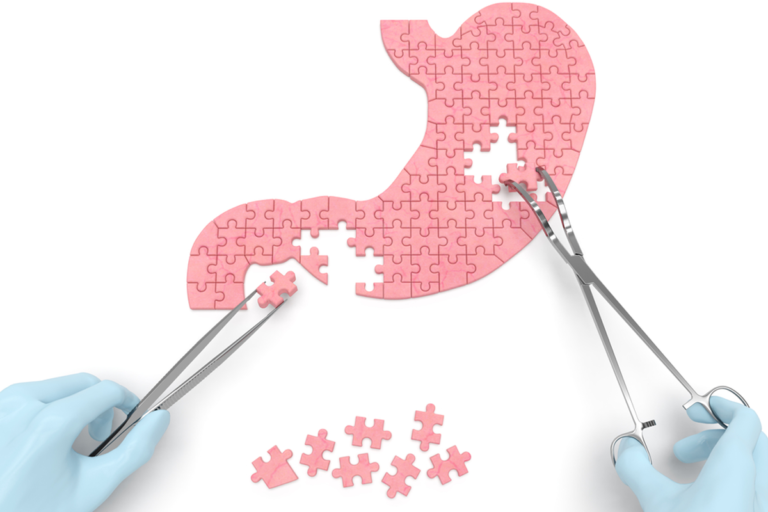
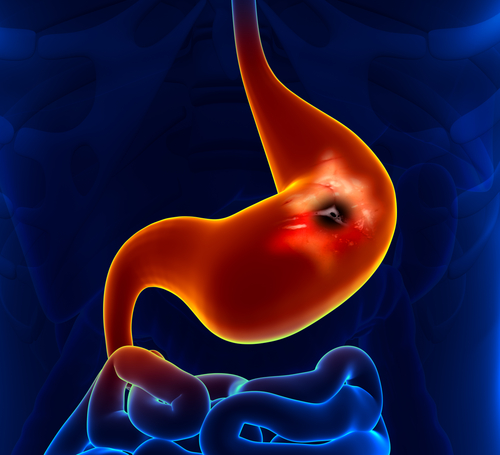
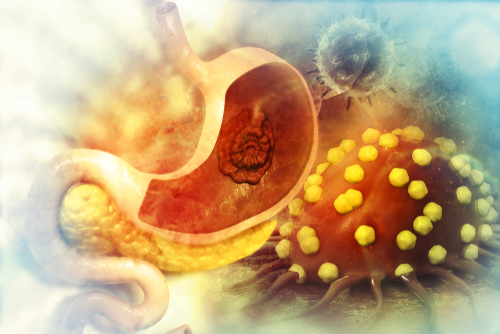
The stomach, an important part of the digestive system, is the organ where food is physically and chemically broken down. Digestive fluids are secreted from a tissue called ‘mucosa’ that lines the inside of the stomach to aid in digestion. Stomach cancer occurs as a result of a mass or tumor forming within the stomach mucosa. Although the tumor usually appears in a small part of the stomach, it can gradually reach other layers of the stomach and spread to other organs in the body, such as the esophagus, liver, and pancreas.
Stomach cancer is the 5th most common type of cancer worldwide, accounting for 5% of all cancer cases. According to the World Health Organization, approximately 2 million people were diagnosed with stomach cancer in Turkey in 2020.
Although stomach cancer is less common compared to other types of cancer, it progresses slowly over the years and is not easily diagnosed in early stages due to the lack of significant symptoms. The disease primarily causes changes in the stomach mucosa. At this stage, symptoms are often too few to be noticed, and a diagnosis of stomach cancer may not be made until it spreads to other parts of the body. Therefore, it can be more challenging to treat. However, it should be noted that being informed about the disease and regularly visiting a doctor is key to early diagnosis and successful treatment.
What are the Types of Stomach Cancer?
Stomach cancer is primarily classified based on the locations of the tumors. The main types include:
Adenocarcinoma
This is the most common type of stomach cancer, accounting for 90% of cases. In this type, cancer is found in the cells of the stomach lining.
Squamous Cell Carcinoma
This type is similar to adenocarcinoma, but the cancer occurs in the skin cells located within the stomach lining.
Stomach Lymphoma
Known as MALT Lymphoma. This very rare type of stomach lymphoma can occur within the stomach wall, although it usually appears in other parts of the body.
Gastrointestinal Stromal Tumor
Although cancer typically appears in the stomach, it can also be seen in the connective tissue cells that support the digestive system organs.
What are the Stages of Stomach Cancer?
Like other types of cancer, stomach cancer is divided into stages based on the spread of cancerous cells. Knowing the size of the cancer and which stage it is in plays an important role in the treatment process.
Stage 1
Cancer is limited to the mucosal layer covering the inner surface of the stomach.
Stage 2
Cancer has progressed slightly into the outer layers of the stomach and may have reached the upper cell layer. There is also a possibility that it has spread to a few lymph nodes near the stomach.
Stage 3
Cancer has spread to the main muscle layer of the stomach and has metastasized to 7 or more lymph nodes.
Stage 4
Cancer has spread to other organs outside the stomach. This is the most advanced stage of stomach cancer.
What are the Symptoms and Signs of Stomach Cancer?
As mentioned above, stomach cancer may not have distinct symptoms in the early stages. However, if you notice some changes in your health and have persistent complaints, it is advisable to consult a doctor.
These complaints include:
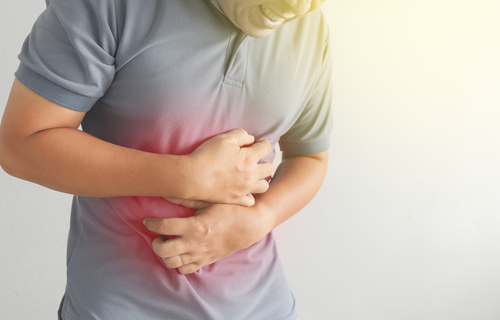
- A feeling of discomfort in the stomach after meals may be the most significant symptom of stomach cancer. Abdominal pain is usually not severe and is often overlooked.
- Weight loss, loss of appetite, and early satiety are generally late-stage symptoms.
- In tumors located near the esophagus, there may be difficulty and a feeling of food getting stuck during swallowing.
- In tumors where the stomach connects to the small intestine, vomiting is the most prominent symptom.
- There may be noticeable or hidden bleeding from the mouth or rectum.
Moreover, reflux symptoms can often be confused with the symptoms of stomach cancer.
Who is Affected by Stomach Cancer?
- Bacterial Infection (Helicobacter Pylori)
Helicobacter Pylori is a bacterium that can be found in the stomach and can cause complaints such as ulcers and gastritis. It typically enters the body through contaminated water and food during childhood. The presence of this bacterium in the stomach has been scientifically proven to be associated with stomach cancer and stomach lymphoma. However, it is not always expected to cause disease; it is thought to trigger such problems if there is also a genetic predisposition in the patient.
- It is approximately twice as common in men than in women.
According to World Health Organization data, the incidence of stomach cancer in women is 4%, while in men it is 7%.
- It is generally seen after the age of 50.
The incidence of stomach cancer in individuals aged 50 and over is 6%. However, this rate drops to 3% for those under 50. The occurrence of cancer before the age of 50 suggests a genetic predisposition.
- Dietary Habits
Stomach cancer is much more common in populations that consume smoked, salted, and preserved foods with nitrates. On the other hand, the consumption of milk, fresh vegetables, and foods rich in vitamin C has a protective effect against stomach cancer.
- Obesity and extreme thinness
Having either excessively low or high body fat is a risk factor for cancer development.
- Smoking and Alcohol
Stomach cancer favors smoking and alcohol. The relationship between stomach cancer and smoking is over 95%. There is a direct correlation between the increase in smoking duration and quantity and stomach cancer.
- Family History
The incidence of stomach cancer is high among first-degree relatives of patients with stomach cancer. Additionally, there are familial cases of stomach cancer. Nowadays, in suspicious cases, early diagnosis can be made for familial stomach cancer patients by detecting mutations in the CDH1/E-cadherin gene through DNA testing. In patients with this gene mutation, it is recommended to remove the stomach as a precaution, and screening for breast cancer is also performed, as this mutation also increases the risk of breast cancer.
- Having previously had stomach cancer
- Stomach Surgery
Patients who have undergone stomach surgery for any reason (especially ulcer surgery) have a risk of developing cancer 10-20 years later. Even if patients who have had stomach surgery do not have any complaints, they should undergo periodic endoscopic examinations for monitoring purposes.
- Pernicious Anemia due to B12 Vitamin Deficiency
The risk of stomach cancer has increased in the form of anemia associated with B12 deficiency and gastritis, known as pernicious anemia.
- People with Blood Type A
Although the exact reason is not fully understood, individuals with blood type A are at higher risk compared to other blood types.
- Inhaling Polluted Air
Inhaled air is also a factor that increases the risk of stomach cancer. If substances such as asbestos and talc are present in the air, the risk increases. Therefore, workers in asbestos and rubber, coal miners, and those in tire and petrochemical production are in the high-risk group.
- Poor Quality Drinking Water
How is Stomach Cancer Diagnosed?
Since it is difficult to diagnose stomach cancer in the early stages, a physical examination is first conducted to detect any abnormalities. For this purpose, a blood test may be requested to detect the presence of Helicobacter Pylori bacteria.
Today, there are several different methods for diagnosing stomach cancer.
- Upper gastrointestinal endoscopy (gastroscopy) is the most suitable method for diagnosing stomach cancer. During gastroscopic examination, a thin tube with a small camera is inserted through the throat into the stomach. All parts of the stomach are carefully examined, and changes in the mucosal layer are closely monitored. If any suspicious conditions are found on the tissues, small tissue samples are taken. This process is called a biopsy. The more biopsies performed, the higher the diagnostic accuracy rate will be.
- Stomach cancer can also be diagnosed using computed tomography, but tomography may miss early cases. However, after a diagnosis is made through endoscopy and biopsy, a CT scan of the abdomen is always performed. The purpose here is to gain information about the spread and stage of the disease and to plan treatment accordingly.
- Another diagnostic tool is laparoscopy. Laparoscopy can also be useful at the beginning of the surgical intervention. This method examines the extent of the disease.
- In addition to computed tomography, ultrasound and magnetic resonance imaging can also be used to determine whether cancerous cells have spread to surrounding organs, i.e., metastases.
How is Stomach Cancer Treated?
After determining the type of stomach cancer and its stage, the most appropriate treatment method is decided. As the disease progresses, treatment methods vary.
Especially in the early stages, the most effective treatment method for stomach cancer is surgical. The aim of surgical treatment is to completely remove the cancerous area, leaving no tumor behind. Depending on the location of the cancer in the stomach, the entire stomach (total gastrectomy) or a part of it (subtotal gastrectomy) may be removed during surgery. With the help of the small intestine, even if the patient no longer has a stomach, they can start eating and drinking according to the nutrition program provided a few days after surgery. In suitable patients, these surgeries can also be performed laparoscopically (minimally invasive). During the surgery, regional lymph nodes are removed to determine the stage of the disease.
As the disease progresses, chemotherapy, radiotherapy, and immunotherapy may also be applied alone or in combination with surgical treatment. The diagnosis and treatment process should be managed with a multidisciplinary approach involving physicians from radiology, gastroenterology, general surgery, oncology, and pathology departments.
How to Prevent Stomach Cancer?
The most important way to prevent stomach cancer is to adopt a healthy eating program.
For this purpose:
- Avoid foods high in fat and salt, and those containing excessive nitrates and preservatives.
- Eat slowly, in small amounts, and frequently.
- Chew your food very well.
- Avoid chocolate and coffee.
- Do not consume tobacco and alcohol.
- Consume more fish instead of red meat.
- Eat fresh vegetables and fruits.
- Do not lie down or sleep for at least 2 hours after eating.