



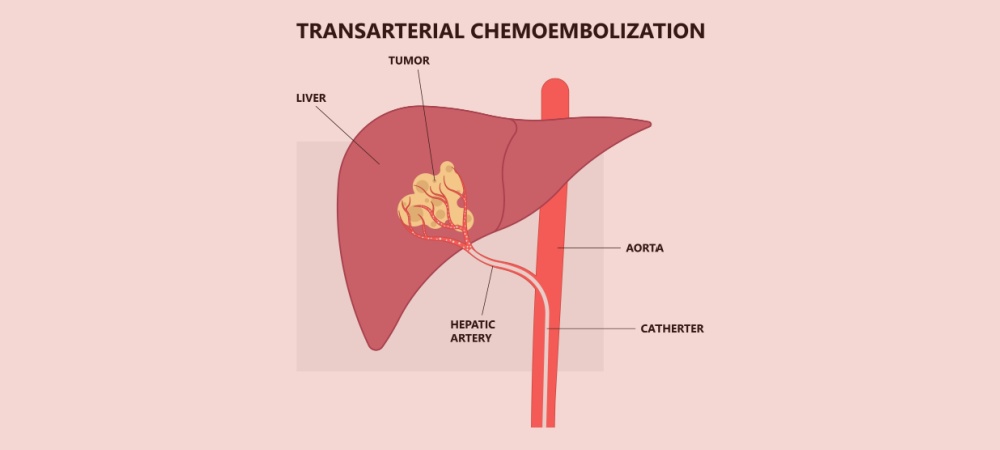
Chemoembolization is an important method used in the treatment of liver cancer and tumors that have metastasized to the liver. Liver cancer is a significant health problem worldwide and is one of the leading causes of cancer-related deaths. TAKE or transarterial chemoembolization is an effective and widely used method in the treatment of liver cancer.
In this method, the arteries supplying blood to the cancerous tissue are blocked, preventing blood flow to the tissue. Thus, the nutrition and oxygen supply to the tissue is hindered, and a treatment plan is developed. Chemoembolization aims to improve the patient’s quality of life by controlling or stopping the growth of cancerous cells. This treatment option is frequently preferred for patients with liver cancer and plays an effective role in slowing the progression of the disease.
What is Embolization?
Embolization is the prevention of blood flow by placing synthetic materials or drugs known as embolic agents into the blood vessels. This method is commonly referred to as “vascular occlusion.” Embolization allows for the interruption of blood flow to tissues, organs, or tumors for therapeutic purposes. This intervention prevents the supply of nutrients to cancerous tissues by cutting off blood flow in the targeted area using materials or drugs placed inside the blood vessels. As a result, tumor growth can be controlled. The embolization method can be used in the following situations:
- Controlling abnormal bleeding
- Blocking blood vessels feeding the tumor
- Eliminating abnormal connections between vessels
- Treatment of aneurysms
What is Chemoembolization (Take)?
Chemoembolization is a treatment method also known as transarterial chemoembolization (TAKE). In this procedure, particles developed to prevent the supply of oxygen and nutrients to the tumor are injected into the feeding arteries of liver tumors along with chemotherapy drugs. This way, the blood vessels of the tumor are blocked, preventing its nutrition and aiming to trap the drug within the tumor for a longer-lasting effect.
Chemoembolization is not a surgical procedure but is generally performed by an interventional radiologist as a minimally invasive treatment option. Depending on the type and number of tumors, your doctor may prefer this treatment method or combine it with other methods such as surgery, chemotherapy, or radiation therapy. This way, the most suitable treatment approach for the patient’s condition and needs is determined.
What are the Types of Chemoembolization (Take)?
The application methods of transarterial chemoembolization (Take) are divided into conventional take (kTAKE) and drug-eluting particles take (DEB-TAKE).
Conventional Take (kTAKE)
In the conventional take application, a drug carried by lipiodol (iodized poppy seed oil) is administered via injection, and arterial embolization is performed. In this technique, there are various limitations at every step from drug selection to the final stage of embolization due to a lack of standardization. There is no widely accepted standard in chemoembolization. This means that the treatment process may vary according to different characteristics in patients.
In chemoembolization, the goal is to increase the concentration of the drug in the local area and minimize its systemic effect. Lipiodol plays an important role in chemoembolization treatment. After arterial injection, lipiodol is selectively taken up by tumor cells and remains within the cells. Due to this property, lipiodol has become an indispensable part of chemotherapeutic (chemical drugs used in chemotherapy) mixtures. Its water-insoluble and viscous structure makes it an effective embolization agent. At the same time, its radiopaque properties allow it to be visualized during injection, preventing off-target arterial embolization.
Drug-Eluting Particles Take (DEB-TAKE)
The DEB-TAKE chemoembolization method has been included in interventional radiology practices to address the standardization issues in the conventional take method. This method is defined by the arterial injection of embolization particles carrying chemotherapy drugs. This technique is standardized by calibrating microspheres to carry the same amount of drug while combining cytotoxic and ischemic effects.
These drug-carrying microspheres can be commercially available in different sizes. Smaller ones allow the release of chemotherapeutic agents near the tumor, achieving a larger tumor response with less toxic effect. With the DEB-TAKE method, less chemotherapeutic agent is present in circulation compared to the conventional take method, resulting in fewer side effects.
In Which Cancers is Chemoembolization (Take) Applied?
Chemoembolization is a method used to treat primary liver cancer or cancer that has metastasized to the liver. It is an effective treatment method for patients whose disease is mostly limited to the liver. Cancers that can be treated with Take can be listed as follows:
- Hepatocellular carcinoma (Primary liver cancer)
- Cholangiocarcinoma (Bile duct cancer in the liver)
- Metastatic tumors to the liver (breast cancer, colon cancer, carcinoid tumors, pancreatic islet cell tumors, sarcomas)
How is the Chemoembolization (Take) Procedure Performed?
The chemoembolization procedure is mostly performed by an interventional radiologist in an angiography room. First, an X-ray is taken to visualize the path of the blood vessels feeding the tumor. A small skin incision is made in the relevant area. Guided by the X-ray, a thin catheter is inserted through the skin in the groin area and advanced to the liver. After placing the catheter in the branches of the arteries feeding the tumor, a mixture of chemotherapy drugs and embolic agents is injected.
Once this procedure is completed, the catheter is removed, and the small opening in the skin is covered with a dressing. No stitches are visible on the skin. Additional X-ray images may be taken to ensure that the entire tumor has been treated. This method effectively treats the tumor by directly targeting it.
What are the Side Effects of the Chemoembolization (Take) Procedure?
Although chemoembolization is considered a safe procedure, some side effects may occur. The most commonly known complication is acute cholecystitis (inflammation of the gallbladder). Other complications may include pulmonary embolism (blockage of the pulmonary artery), bile duct injury, hepatic abscess, and gastric mucosal injury. Additionally, as with any procedure that penetrates the skin, there is a risk of infection.
Alongside these, side effects of chemotherapy drugs such as nausea, hair loss, anemia, and a decrease in white blood cells and platelets may be observed. In the Take method, since the liver traps the drug, these reactions are seen to be milder.
What Happens If Chemoembolization (Take) Treatment is Not Done?
Chemoembolization is not a definitive treatment that completely eradicates the disease. If Take treatment is performed, the survival rate increases depending on the type of liver cancer, and a decrease in liver diseases is observed. It is a treatment option aimed at alleviating and controlling the symptoms of the disease to improve the quality of life.
What is the Process After the Chemoembolization (Take) Procedure?
After the chemoembolization procedure, the patient is taken to a room to rest. They should lie down for about 8 hours. A one-day hospital stay is required to monitor any pain, nausea, and vomiting that may occur. The next day, the patient can be discharged.
It is normal to experience pain, fatigue, loss of appetite, and fever after the procedure. If you observe a sudden change in the intensity of pain, a sudden rise in fever, or any other abnormal changes, you should definitely consult your doctor. You should go for routine check-ups to inform your doctor about your recovery process for a month after the procedure.
Frequently Asked Questions About Chemoembolization
What is Chemoembolization in Medicine?
Chemoembolization is primarily a method used to treat liver cancer. Additionally, this treatment option may also be preferred for tumors that have metastasized to the liver. Particles developed to prevent the supply of nutrients to the arteries feeding liver tumors are injected. In short, the relevant artery branch is blocked, preventing the tumor’s nutrition and providing treatment.
What is Liver Chemoembolization?
Chemoembolization is an effective treatment option for primary liver cancer. This method is used solely to control and prevent the growth of liver tumors. In the transarterial chemoembolization or Take method, the feeding arteries of tumors located in the liver are blocked, preventing the tumor from receiving nutrition and oxygen.
How is Embolization Treatment Done?
Simply put, embolization is a concept that means “vascular occlusion.” In embolization treatment, blood flow to the vessels that supply nutrition to the tumors is interrupted. Blood flow is cut off by placing synthetic materials or drugs known as embolic agents into the blood vessels. The embolization method can be used to control abnormal bleeding, block blood vessels feeding the tumor, eliminate abnormal connections between vessels, and treat aneurysms.
How is the Take Procedure Done?
A very thin catheter is inserted through the groin artery. This thin tube is advanced to the liver. To cut off blood flow to liver tumors, a drug is injected into a blood vessel feeding the tumor via the catheter. After the procedure is completed, pressure is applied to the area to stop any bleeding, and the patient is taken to the recovery room.
Who is the Take Procedure Done For?
The Take procedure is performed on patients diagnosed with liver cancer or those with cancer that has metastasized to the liver.
How is Chemoembolization Done?
The patient is taken to the angiography room and asked to lie down. X-ray images are taken, and a map of the arteries feeding the liver tumors is created. Guided by this map, a catheter is inserted through the groin arteries and advanced to the liver. Embolic agents are placed in the artery feeding the tumor along with chemotherapy drugs. This way, blood flow is cut off, and treatment is provided.
What are the Side Effects of the Take Procedure?
Post-procedure, pain, nausea, and vomiting may be observed in the liver area. Fatigue, loss of appetite, and fever are other side effects that may be observed. These are symptoms that can be controlled with medication. If you experience any symptoms that you think are abnormal, you should definitely consult your doctor.
For more information about the chemoembolization (TAKE) method used in the treatment of liver cancer and tumors, or to consult with our specialist doctors, you can make an appointment or fill out our request form below.