




What is Uterine Cancer?
Uterine cancer is one of the most common gynecological cancers. According to the World Health Organization, 417,367 women were diagnosed with uterine cancer in 2020. This figure accounts for 4.5% of all cancers among women. The biggest difference from other female cancers is that it can be detected early and has a high success rate in treatment.
How Does Uterine Cancer Develop?

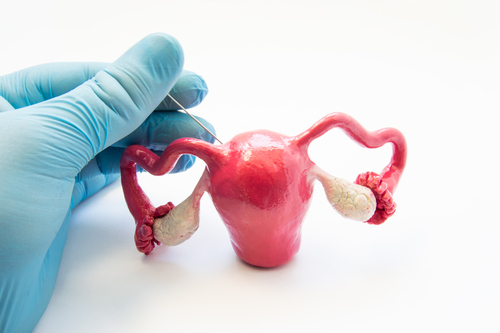
The uterus, which is the main reproductive organ of a woman, is where the fetus develops. It is referred to as the uterus in medical terminology. It is located between the intestines and the bladder. It is approximately 7.5 cm in size and 3 cm thick. The inner surface of the uterus, which consists of three layers, is covered with cells called endometrium that regularly thicken over time and shed during menstruation. The muscle layer (myometrium) comes next, followed by the outer layer (perimetrium) that surrounds the uterus.
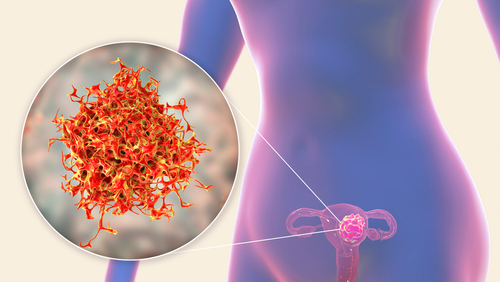
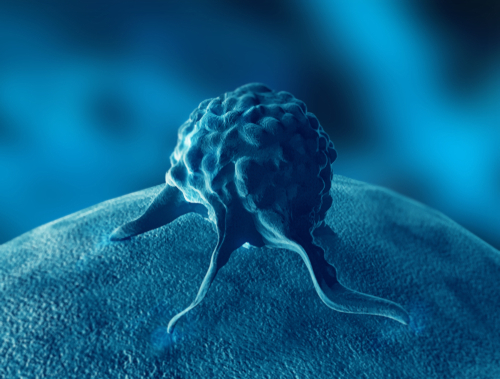
Uterine cancer occurs when the cells on the endometrium layer undergo changes due to external factors and grow uncontrollably. Abnormally proliferating cells eventually form a mass or tumor. The endometrium layer is sensitive to hormones released from the ovaries or taken from outside. If possible hormonal disorders are not diagnosed and treated, cellular changes over time can lead to the development of cancer in the uterine lining.
What Are the Stages of Uterine Cancer?
Uterine cancer is classified into stages based on the area of tumor spread.
Stage 1
The tumor is localized only in the uterus. It has not spread yet.
Stage 2
The tumor has progressed to the supporting connective tissues of the cervix along with the uterus. However, it has not reached the lymph nodes.
Stage 3
The tumor has spread outside the uterus; it has reached the fallopian tubes and ovaries. There is also spread to the lymph nodes.
Stage 4
The tumor has reached outside the uterine area; it has metastasized to distant organs such as the intestines, bladder, bones, and lungs.
What Are the Causes of Uterine Cancer?
The exact causes of uterine cancer are not fully known. However, there are some risk factors that can pave the way for cancer development.
Hormonal Disorders
The endometrium can be affected by changes in estrogen and progesterone levels, which can pave the way for uterine cancer.
Age
According to statistics, 75% of women who develop uterine cancer are over 50 years old.
Menstrual Irregularities
Individuals who experience menstrual irregularities and delays at a young age are at higher risk for uterine cancer due to increased exposure to estrogen. However, since obesity and Polycystic Ovary Syndrome are among the causes of irregular menstruation, treating these conditions can also reduce the risk of uterine cancer.
Late Menopause
Those who enter menopause late are at risk. In menopause treatment during this period, administering only estrogen hormone increases the risk of uterine cancer, while administering progesterone hormone balances the hormones and eliminates the cancer risk. Additionally, those who start menstruating before the age of 12 and enter menopause after the age of 55 are also at risk.
Nulliparous Women
Although not definitive, there are studies suggesting that pregnancy reduces the risk of uterine cancer. While estrogen hormone, which poses a risk for uterine cancer, is released in large amounts during pregnancy, progesterone production has the property of counteracting the negative effects of this hormone.
Obesity
Women with obesity, who have a high amount of fat tissue, have a 3 times higher risk of uterine cancer compared to lean women. This is because fat tissue also secretes estrogen, increasing the estrogen level in the body.
Family History
Individuals with a family history of cancer among first-degree relatives have a higher risk of uterine cancer.
Diabetes and Hypertension
Women with type 2 diabetes and hypertension have a higher risk of developing uterine cancer.
Ovarian Tumors
This condition increases the rate of estrogen secretion, thus posing a risk for uterine cancer. Vaginal bleeding associated with these tumors can sometimes be a symptom of uterine cancer as well.
What Are the Symptoms of Uterine Cancer?
Since it often occurs after menopause, the chance of early diagnosis in uterine cancer is very high. Therefore, it is recommended that individuals experiencing the following symptoms consult a specialist doctor.
- Vaginal bleeding
- Abnormal discharge without blood
- Bleeding between periods in menstruating women
- Postmenopausal bleeding
- Prolonged menstrual periods
- Pelvic pain
- Pain during intercourse
- Weight loss
How is Uterine Cancer Diagnosed?
The patient is first subjected to a physical and pelvic examination. Then, some tests are required. Some of these are as follows:

Vaginal Ultrasound
Ultrasound can be used to determine the thickness of the uterine wall or possible abnormalities. The inside of the uterus is visualized using a special, smooth, and round instrument placed at the entrance of the uterus.
Hysteroscopy
A long, thin, and flexible tube is placed inside the uterus. Thanks to the fiber optic camera on the tube, the inside of the uterus and the endometrium layer can be examined in detail. If deemed necessary, a tissue sample (biopsy) can also be taken.
Endometrial Biopsy
This is a procedure to take a tissue sample from inside the uterus to make a definitive diagnosis. This procedure is called a biopsy. The sample taken is examined in a pathology laboratory to diagnose uterine cancer.
Dilation and Curettage
This is performed when the biopsy is not sufficient for a definitive cancer diagnosis. This more complex procedure is performed in the operating room. The cervix is dilated, and the tissue inside is scraped with special instruments to obtain a sample.
Computed Tomography (CT) and Magnetic Resonance (MR)
CT and MR imaging techniques can also be preferred methods for diagnosis. A contrast agent is used for clearer imaging of the uterus. This agent allows detailed images to be obtained regarding the size and location of the tumor.
How is Uterine Cancer Treated?
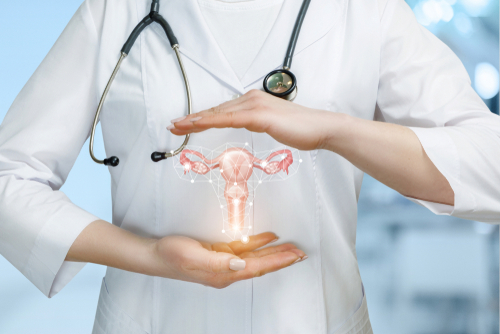
After a definitive diagnosis, the patient is referred to a gynecological oncologist who specializes in the field. A suitable treatment is determined based on variables such as the stage of cancer, type, the patient’s health status, and expectations for children. The primary treatment method is surgical, but chemotherapy and radiotherapy may also be applied.
Surgical Treatment
This is the most commonly used treatment method. The uterus, ovaries, and tubes are removed; additionally, lymph nodes are cleaned, and samples are taken from surrounding tissues. If surgical treatment is not sufficient, additional treatments may be applied.
Chemotherapy
If uterine cancer is found to be in an advanced stage and has spread to other organs after surgery, chemotherapy is applied to kill the cancerous cells. After treatment, patients are monitored regularly and subjected to certain tests.
Radiotherapy
If there is a risk of cancer recurrence after surgical intervention, radiation therapy is performed following the removal of the uterus.
Hormonal Therapy
If there is a spread of cancer, high doses of progesterone hormone may be administered to reduce the spread and stop the growth of the tumor.
I am text block. Click edit button to change this text. Lorem ipsum dolor sit amet, consectetur adipiscing elit. Ut elit tellus, luctus nec ullamcorper mattis, pulvinar dapibus leo.
Fill Out the Form for Information About Uterine Cancer
[/vc_column][/vc_row]I am text block. Click edit button to change this text. Lorem ipsum dolor sit amet, consectetur adipiscing elit. Ut elit tellus, luctus nec ullamcorper mattis, pulvinar dapibus leo.