


Eye Surgery and Laser Treatment Center
Modern eye diagnostics and surgery.
About the Department
The scope, approach and highlighted services of the department.
Eye health and diseases cover the conditions and disorders that affect the functions of the eye. The eyes are critical organs that must be protected to maintain a person's ability to see and their overall health. Eye health includes elements such as the eyes providing good visual function, the eye structure being healthy, and the tissues around the eye and eye-related structures performing their functions properly. Diseases affecting the eyes include many conditions such as cataract, glaucoma, dry eye syndrome, retinal diseases and refractive errors.
The technological infrastructure of our hospital offers us physicians great convenience in the diagnosis and treatment of eye diseases. It enables accurate and rapid decisions in diagnosis, as well as high quality and fast recovery in treatments and surgeries. Most of our patients can return to their daily activities one day after surgery.
Our clinic uses surgical procedures and medical products accepted to international standards (FDA-approved, CE-certified), with quality and safety as top priorities. With its team and infrastructure, our eye clinic closely follows medical advances around the world and is able to put them into practice. Services are provided in all branches of ophthalmology, primarily Cataract-Refractive Surgery and Vitreoretinal diseases, as well as Glaucoma, Pediatric Ophthalmology and Strabismus, Corneal diseases and Oculoplastics.
What Are Eye Diseases?
Eye diseases are conditions that affect any part of the eye, including conditions that affect the structures immediately around your eye. There are many different eye disorders, and if diagnosis and treatment are delayed, they can adversely affect vision. Types of eye diseases may include:
Cataract: Cataract manifests as a decrease in visual quality caused by the natural lens of the eye gradually becoming cloudy. The clouded lens inside the eye prevents light from forming a clear image on the retina, causing blurred vision. Cataract may result from various factors such as aging, prolonged exposure to sunlight, smoking and certain diseases.
Glaucoma: In glaucoma, the intraocular pressure increases. This increase in eye pressure leads to optic nerve damage. It usually occurs due to imbalanced drainage of the fluid inside the eye and can cause vision loss over time.
Retinal diseases: Retinal diseases include various conditions that cause damage to the retinal layer. Early diagnosis and treatment are important to slow the progression of the disease.
Dry eye syndrome: This disorder occurs due to insufficient moisture on the surface of the eye and usually causes the eyes to feel tired, burn and turn red. It may result from various factors such as aging, vitamin A deficiency, eye infections and certain medications.
Strabismus: Strabismus occurs when the eyes do not look in the same direction as they normally should, and it can cause visual impairment and cosmetic concerns. Strabismus can have many causes, including imbalance of the eye muscles, nerve damage and eye injuries.
Astigmatism: Astigmatism is a refractive error caused by irregular curvature of the cornea or lens of the eye. This condition can lead to improper focusing and blurred vision.
Uveitis: Uveitis is a condition known as inflammation inside the eye and can affect the internal structures of the eye such as the iris, choroid and ciliary body. It can cause symptoms such as eye redness, pain, blurred vision and sensitivity to light.
Myopia: This is an eye condition that makes it difficult to see distant objects clearly. In myopia, the eyeball is longer than a healthy eyeball. In addition, a cornea and lens that are more curved than normal can also cause myopia.
Red eye: Red eye occurs as a result of swelling or dilation of the blood vessels in the white part of the eye. The most common causes include allergies, infections, fatigue and eye injuries.
Macular disease (AMD): Macular disease is a condition that affects central vision on the retina. It usually develops with age and is also known in the medical literature as age-related macular degeneration.
Pink eye (Conjunctivitis): Pink eye is a condition resulting from inflammation of the eyes. It can occur due to various causes such as infections, allergies or exposure to irritants. It manifests with symptoms such as redness, watering, itching and burning in the eyes.
What Are the Symptoms of Eye Diseases?
Eye diseases have many possible symptoms. In general, common symptoms of eye diseases may include:
Redness and inflammation of the eye: Redness in the eye is a common symptom of most eye diseases. Dilation or inflammation of the blood vessels in the eye can make the eye look red and swollen.
Vision loss or blurred vision: Objects not appearing clearly, difficulty focusing or loss of visual field may indicate vision problems.
Eye pain: Eye pain or discomfort is another common symptom of eye diseases. Conditions such as irritation of the eye surface, increased intraocular pressure or ocular hypertension can cause pain.
Watery or dry eyes: Excessive watering or dryness of the eyes can be seen as a result of conditions such as allergies, eye infections or dry eye.
Sensitivity to light: Excessive sensitivity of the eyes to light is also among the symptoms of eye diseases. A feeling of discomfort or glare under bright light may indicate that the eyes are in an unhealthy state.
Structural changes in the eye: Changes such as strabismus, swelling of the eyeballs or irregularities of the eyelids may indicate eye diseases.
In addition, symptoms such as itching, burning or stinging in the eyes, colors appearing faded or double vision may also be a sign of eye disease. When these symptoms appear, it is important to consult an ophthalmologist.
How Are Eye Diseases Diagnosed?
Eye diseases are mostly diagnosed by an ophthalmologist through an eye examination. Examination methods such as visual acuity testing, intraocular pressure measurement and biomicroscopy may be used during the eye examination. Doctors may also request certain tests to help make a definitive diagnosis. Some of the tests used to diagnose eye diseases include:
OCT (Optical coherence tomography): OCT is an advanced imaging technology that visualizes the retinal layer of the eye in high resolution. This test shows the structure of the retina and optic nerve in cross-sections.
Visual field test: The visual field test is an assessment performed to measure a person's peripheral vision. While looking at a central point, the patient responds to points of light appearing in the peripheral field. This test plays an important role in diagnosing glaucoma, optic nerve diseases and disorders of the visual pathways in the brain.
Fundus photography: Fundus photography is an imaging method that allows high-resolution photographs of the retina, optic disc and macula to be taken. This test is used in diagnosing eye diseases such as diabetic retinopathy, macular degeneration and optic nerve diseases.
Electroretinography (ERG): Electroretinography is a test that measures the electrical responses of retinal cells to light. This test is used in the diagnosis and evaluation of retinal diseases.
Fluorescein angiography: Fluorescein angiography is an imaging test used to visualize the blood vessels in the retina. A special dye called fluorescein is injected into a vein in the arm, and photographs are taken as the dye passes through the blood vessels of the eye.
Tonometry: Tonometry is a diagnostic method that measures intraocular pressure, i.e. the pressure inside the eye. Tonometry can help the ophthalmologist determine whether the patient is at risk of glaucoma.
How Are Eye Diseases Treated?
Treatments for eye diseases may vary depending on the cause of the condition. Refractive errors are among the most common eye disorders. Corrective lenses such as glasses or contact lenses can help adjust vision and improve visual acuity. Treatment of eye diseases may include:
Medication: Medications are frequently used under a doctor's supervision in the treatment of eye diseases, usually in the form of eye drops, ointments or oral medications.
Surgical interventions: Surgical interventions may be necessary in the treatment of some eye diseases. Surgical procedures such as cataract surgery, glaucoma surgery or eyelid surgery can be effective in protecting eye health and correcting structural abnormalities.
Laser treatments: Laser treatments are used as a minimally invasive option in the treatment of various eye diseases and usually provide a fast recovery. Refractive surgery methods such as LASIK and PRK may be preferred to correct refractive errors such as myopia, hyperopia and astigmatism.
Supportive treatments: Supportive treatments are applied to relieve the symptoms of eye diseases and improve the patient's quality of life. Glasses and contact lenses are used to correct refractive errors. Artificial tears and lubricating drops are used in the treatment of dry eye syndrome and help keep the eye surface moist.
iLASIK for correcting refractive errors
Refractive errors known as myopia, hyperopia and astigmatism are among the most common eye disorders. These errors can be corrected with the Excimer laser. Also known as bladeless laser treatment, this method is completely customized to your eye. For keratoconus, laser-assisted intracorneal ring implantation and Cross-link treatment have been successfully performed in our clinic for about 10 years.
Cataract surgery procedures
Cataract is the loss of transparency of the lens located in the front-middle part of the eye, giving it an opaque appearance. In other words, the clear lens takes on a frosted-glass appearance. At our hospital, cataract surgeries are performed with phaco devices, which cause minimal damage to the eye and ensure fast recovery. In addition, with the ‘multifocal intraocular lenses’ we use during surgery, we can eliminate dependence on glasses after surgery. In our patients with astigmatism, astigmatism can be corrected in the same session with “Toric intraocular lenses”.
Eye damage due to diabetes: ‘diabetic retinopathy’
Diabetes is still the leading cause of blindness worldwide. Diabetic patients face the risk of blindness if they do not receive regular check-ups and treatment. Advanced OCT and angiography devices are used in diagnosing eye disorders. During check-ups, eye disorders are diagnosed early, and laser or intraocular drug treatment is applied depending on the condition. Laser treatment is performed in 10-15 minute sessions without anesthesia and without injections. When the damage reaches advanced stages, surgery is required. Laser technology is also used in surgeries. With vitrectomy surgeries, advanced diabetic damage and retinal tears can be treated, enabling patients to regain normal vision. In diabetes-related eye problems and macular disease (age-related macular degeneration), blindness can be prevented and vision can be regained.
Our other services
Diagnosis and treatment of glaucoma (ocular hypertension)
Pediatric ophthalmology
Diagnosis, follow-up and treatment of strabismus
Oculoplastic surgery and ocular prosthesis applications
Diagnosis, treatment and follow-up of macular disease
Vitreoretinal surgery
Follow-up and treatment of retinopathy of prematurity
Follow-up and treatment of uveitis (intraocular inflammation)
Frequently Asked Questions
What Disease Are Dark Circles Under the Eyes a Symptom Of?
Dark circles under the eyes are usually related to fatigue and lack of sleep. They may also be a sign of health conditions such as allergies, eczema, sinusitis, anemia or kidney disease.
What Disease Is a Burning Sensation in the Eyes a Symptom Of?
A burning sensation in the eyes can often be a symptom of dry eye syndrome, in which the eye cannot produce enough tears or the tear quality is reduced. In addition, allergic reactions such as allergic conjunctivitis or eyelid inflammation can also cause burning eyes.
What Disease Is Swelling Under the Eyes a Symptom Of?
Swelling under the eyes can often be a symptom of conditions such as allergies or sinusitis, in which inflammation and fluid accumulation occur. Diseases such as kidney disease or thyroid problems can also cause swelling under the eyes.
Which Diseases Affect the Eyes?
Many systemic diseases can affect the eyes. Diabetes can lead to diabetic retinopathy and cause vision loss, while hypertension can cause vascular damage in the retina. In addition, thyroid diseases, especially Graves' disease, can manifest with symptoms such as swelling and protrusion of the eyes.
What Is Dry Eye Disease?
Dry eye disease is a condition that occurs when the eyes cannot produce enough tears or the tears produced are of poor quality. This condition can lead to complaints such as burning, stinging, redness and blurred vision.
What Is Uveal Eye Disease?
Uveal eye disease is a condition characterized by inflammation of the uvea, the tissue that forms the middle layer of the eye. This condition is usually called uveitis and can cause symptoms such as eye pain, redness, sensitivity to light and vision loss.
What Is Macular Disease of the Eye?
Macular disease of the eye, also known as age-related macular degeneration, refers to damage to the central area of the eye called the macula. This disease is associated with the death of eye cells caused by fats and proteins accumulating in the macula during the aging process.
Eye health is very important for maintaining healthy visual function. If treatment of eye diseases is delayed, vision loss may occur. Therefore, regular eye check-ups are important, and those who wish to have an eye examination can make an appointment at a hospital's ophthalmology outpatient clinic.
Sub-departments & Units
Clinics, centers and units within this department.
Children's Eye Health
Your child's health includes not only physical health but also eye health, which is one of the most important senses. To protect your child's eye health, it is necessary to warn them about all kinds of dangers that may harm their eyes and to have regular eye examinations.
Eye Pressure (Glaucoma)
An eye disorder in which the optic nerve located in the eye is damaged. Children of families with eye pressure are at risk for this disease. The disease has many forms and there are almost no warning signs.
Oculoplastic Surgery
Treatment of tear duct obstruction, eyelid drooping (ptosis), aesthetic problems resulting from trauma, aesthetic problems caused by aging, and eyelid shape disorders…
Refractive Surgery
Refractive Surgery Refractive errors known as myopia, hyperopia and astigmatism can be permanently treated with refractive surgery. Refractive…
Treatment Methods
The main treatments and procedures performed in our department.
What is iLASIK?
Eye Surgery and Laser Treatment Center
Cataract Surgery with Fako Method
Eye Surgery and Laser Treatment Center

What Is Oculoplastics?
Eye Surgery and Laser Treatment Center

What Is Prismatic Lens Therapy?
Eye Surgery and Laser Treatment Center
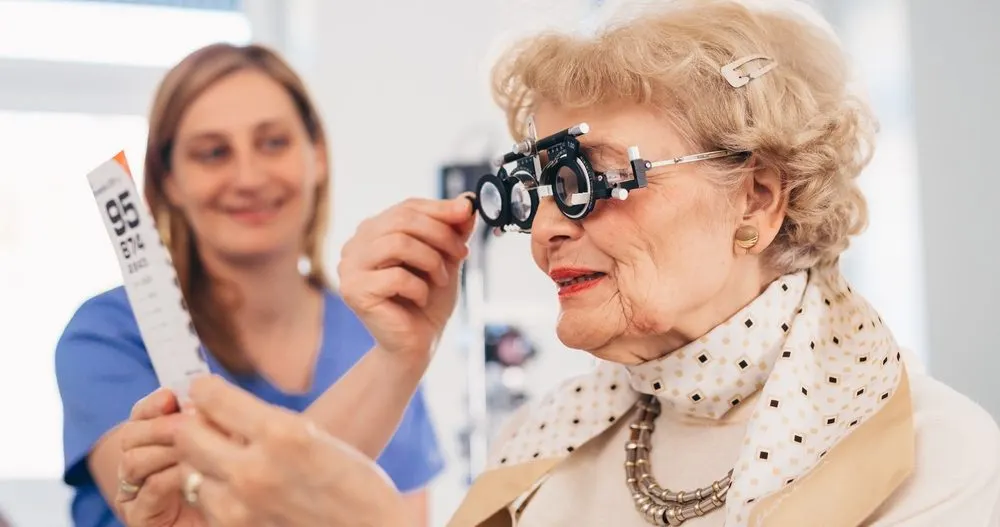
What Is Low Vision Rehabilitation? For Whom Is It Applied?
Eye Surgery and Laser Treatment Center
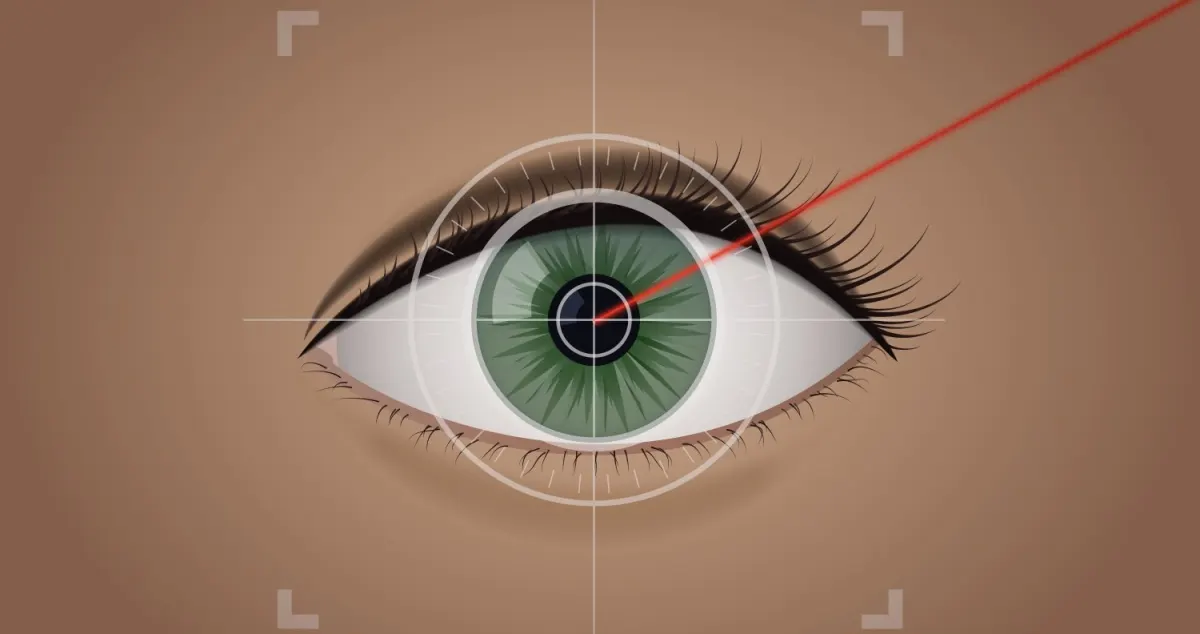
What Is Excimer Laser (Vision Correction) Treatment, Its Symptoms and Treatment Methods?
Eye Surgery and Laser Treatment Center

Strabismus Surgery and Other Treatment Methods
Eye Surgery and Laser Treatment Center
How Is a Corneal Transplant Performed?
Eye Surgery and Laser Treatment Center
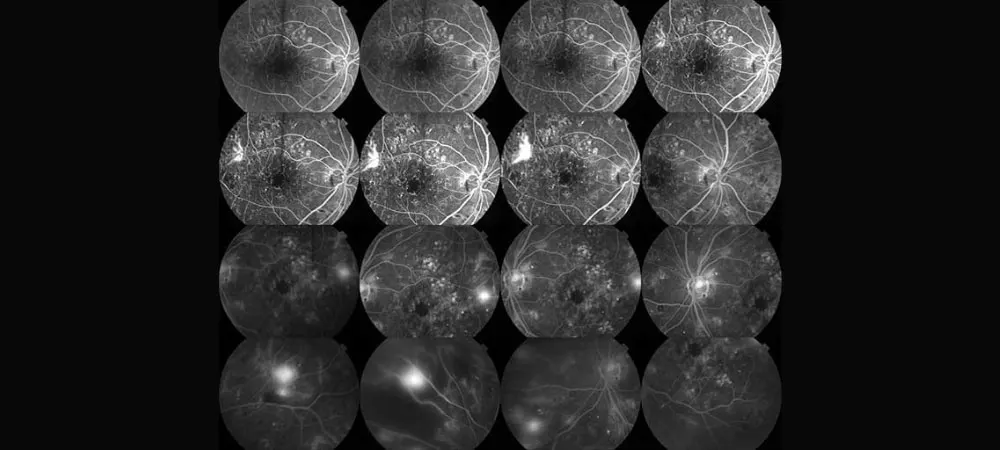
What is an Eye Angiography and When Is It Necessary?
Eye Surgery and Laser Treatment Center
What is the Mesopic Contrast Test? How is the Night Vision Test Performed?
Eye Surgery and Laser Treatment Center
What is Ptosis Surgery? Who is it for and How is it Performed?
Eye Surgery and Laser Treatment Center
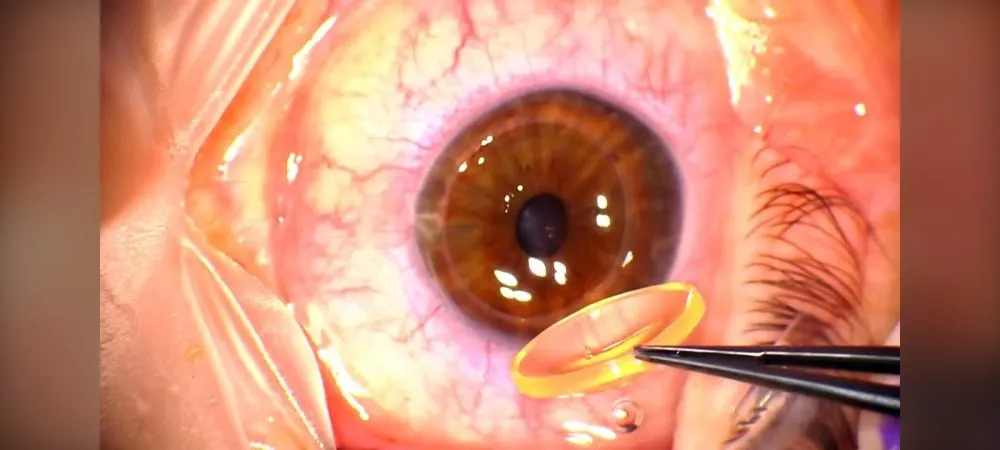
What is Penetrating Keratoplasty? Who is it Applied to?
Eye Surgery and Laser Treatment Center
Conditions Covered
The main conditions within the department’s diagnosis and treatment scope.
- Retinal Detachment
- What Is Cataract? Causes, Symptoms and Treatment Methods?
- What Is Tear Duct Obstruction, Its Causes, Symptoms and Treatment Methods?
- Eye Inflammation (Uveitis): What Is It, and What Are the Diagnosis and Treatment Methods?
- Treatment of Corneal Diseases (Keratoconus)
- Eye Tumor (Ocular Oncology) Symptoms and Treatment
- What Is Night Blindness (Chicken Blindness)?
- What Is Eye Allergy? What Are Its Symptoms?
- What Causes Sudden Vision Loss and What Are the Treatment Methods?
- What Is Blepharitis (Inflammation of the Eyelids)?
- What Is Lazy Eye?
- What Is Dry Eye?
Department Doctors
Our specialist team working in the Eye Surgery and Laser Treatment Center department.



Related Videos
Informative videos from our specialists related to the Eye Surgery and Laser Treatment Center department.


Healthy Living Guide
Featured content related to the department.

Locations
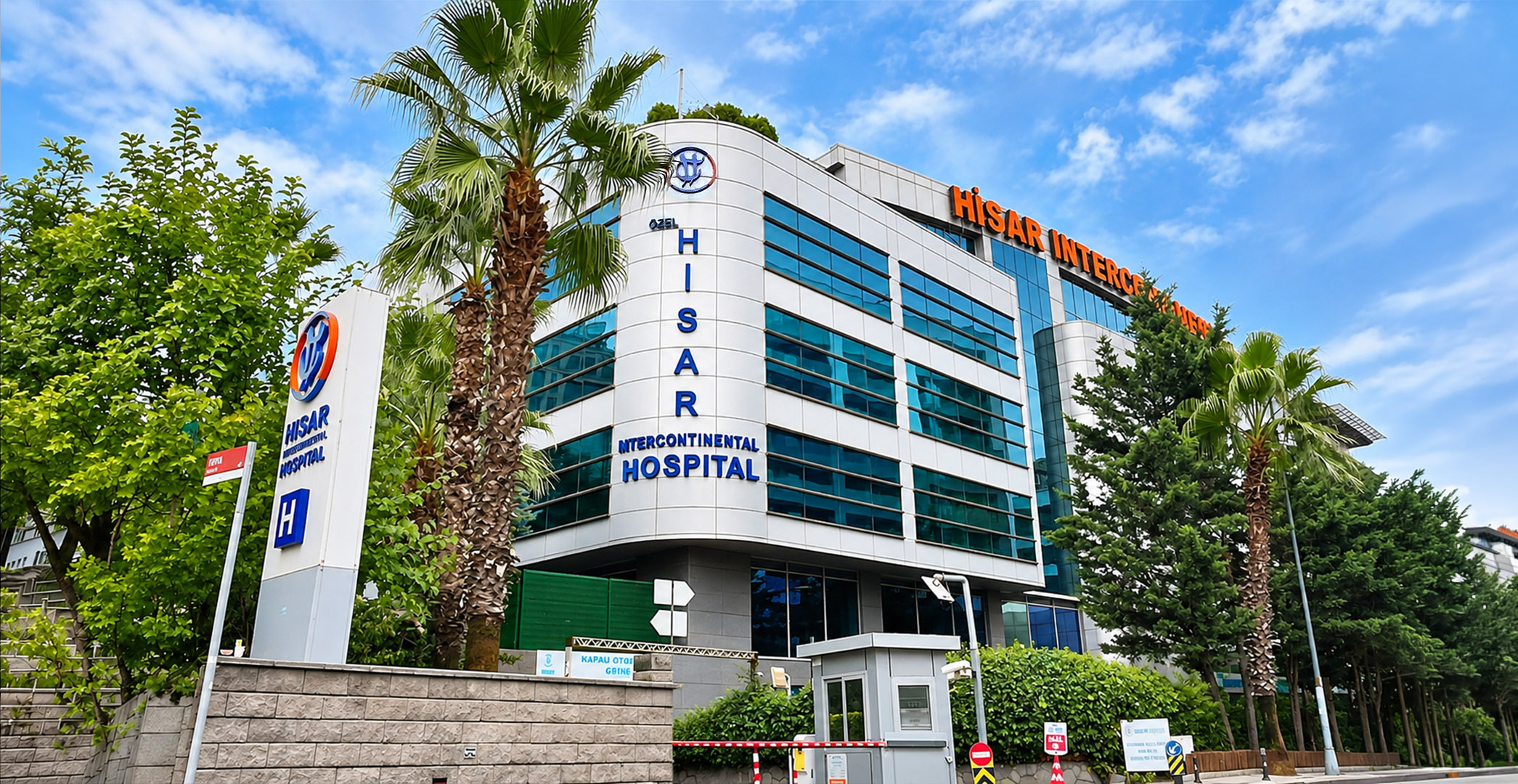
At Which Hospitals?
The Eye Surgery and Laser Treatment Center department is available at the following locations.
Author
Web and Medical Editorial BoardReviewed by a specialist
 Prof. Dr. Ömer Kamil DoğanEye Surgery and Laser Treatment CenterReview date: 31 October 2026
Contact
Eye Surgery and Laser Treatment Center Department — Get in Touch
Fill out the form with your questions; our team will call you back as soon as possible.
The Hisar Hospital Web and Medical Editorial Board contributed to the development of this content. All content on this website is provided for general informational purposes only. Please consult a physician for the evaluation, diagnosis and treatment of your condition.
Last Updated: