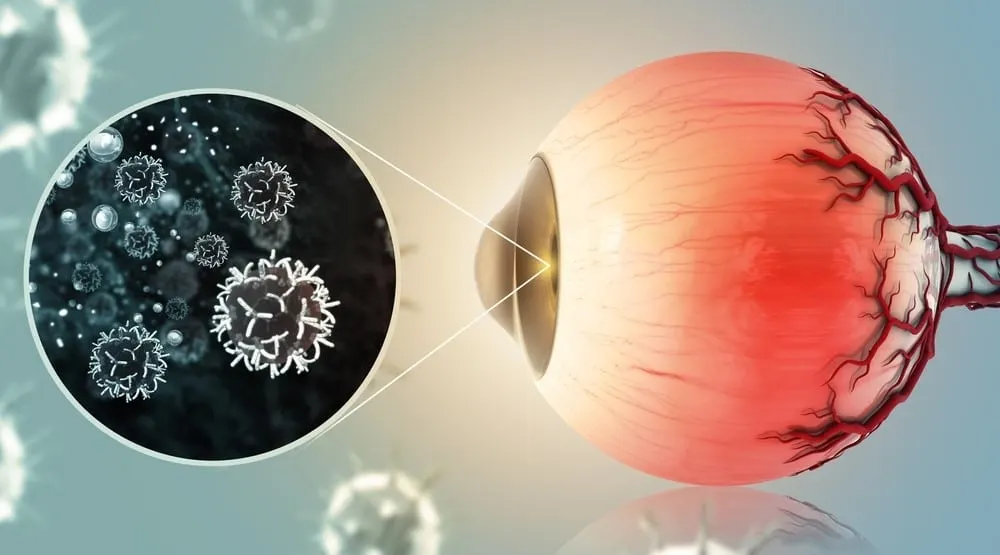
Eye tumor, also known as ophthalmic tumor, refers to masses seen in and around the eye that can be benign or malignant. Ophthalmic tumors, which significantly threaten eye health in particular and overall health in general, are rare, but they can appear in any layer of the eye or on the eyelid. As with other cancers, early diagnosis is important in the treatment of eye tumors. In some cases, eye tumors may not show any symptoms until they become visible from the outside. In other cases, they may present with symptoms that are also seen in other eye diseases, such as blurred vision, sensitivity to light, or eye pain. If symptoms like these occur, it is important to make an appointment with a doctor who specializes in ocular oncology and to have check-ups. Answers to questions such as “Who gets eye tumors, and what are the risk factors?” and “What are the treatment methods for eye cancer?” as well as detailed information about eye tumors are provided in the rest of this article.
What Is an Eye Tumor?
A tumor is the general name for tissue masses that form as a result of abnormal cells coming together. Although cancer is often what comes to mind for the public when the word “tumor” is mentioned, not every tumor is cancer. Tumors are generally examined under two headings: benign and malignant. Therefore, any benign or malignant mass seen in the eye and around the eye is called an eye tumor. The eye consists of the eyeball (orbit) and accessory structures of the eye such as the eyelid and conjunctiva. Eye tumors are generally classified as eyelid tumors, intraocular tumors, conjunctival tumors and orbital tumors. The main types of tumors seen in the eye are as follows:
Intraocular melanomas: Melanomas occur as a result of uncontrolled proliferation of melanocytes found in the skin. The term intraocular melanoma, used to describe tumors seen in the inner layers of the eye, refers to tumors that occur in the uvea layer of the eye (iris, ciliary body and choroid). Intraocular melanomas are the most common types of eye tumors. These tumors generally develop in the uvea layer of the eye. Iris melanoma (the colored part of the eye), ciliary body melanoma, located behind the iris, and choroidal melanoma, which arises in the choroid, the vascular layer that supplies blood to the eye, are the most common intraocular tumors.
Retinoblastoma: Like melanomas, retinoblastomas are among the intraocular tumors. Retinoblastoma originates from cells in the retina.
Intraocular lymphoma: Intraocular lymphoma is a type of cancer usually seen in adults over the age of 50 and/or in people whose immune system is not functioning as it should for any reason. The vast majority of intraocular lymphoma cases that begin in the eyeball are B-cell non-Hodgkin lymphoma.
Eyelid tumors: Compared with other eye tumors, eyelid tumors are encountered more frequently in the population. Eyelid tumors can also be benign or malignant. The most common benign eyelid tumors are papilloma, nevus, seborrheic keratosis, xanthelasma and cysts. Benign tumors called capillary hemangiomas are especially common in childhood. Basal cell carcinoma and tumors such as squamous cell carcinoma are the first to come to mind when malignant eyelid tumors are mentioned. Symptoms such as a wound on the eyelid, a pimple that does not heal, or a color change may be indicators of the presence of a tumor. When these kinds of signs are noticed, it is important to make an appointment with an eye doctor specializing in this area without delay and to have the necessary check-ups.
Orbital tumors: These are tumors that originate in the eye socket. Orbital tumors are divided into three classes: primary (originating in the eye socket), secondary (originating from nearby tissues) and metastatic (spreading from more distant organs such as lung cancer). In adults, the most common benign tumor is cavernous hemangioma (vascular masses), while among malignant tumors, lymphoid tumors rank first.
What Are the Symptoms of an Eye Tumor?
An eye tumor may often not show any symptoms. Eye tumors are usually noticed when vision-related problems arise, and their symptoms can often resemble those of other eye diseases. The main symptoms of an eye tumor are as follows:
Partial or complete vision loss,
Blurred vision,
Painless vision loss,
Feeling as if light is flashing in front of the eye,
Lesions such as a mass, wound or pimple on the eyelid,
Swelling in one eye.
Painless vision loss is also among the main symptoms of an eye tumor. In addition to those listed above, eye pain can also rarely be counted among the symptoms of a tumor.
How Is an Eye Tumor Diagnosed?
Patients who consult an eye doctor with complaints such as blurred vision, sensitivity to light or swelling in one eye are first asked for their medical history. At this stage, questions are asked to patients about matters such as when the symptoms began and how severe they are. After taking the patient's medical history, certain imaging techniques may be used. Eye cancer may not show any symptoms at first. Most eye cancers are diagnosed during a routine eye examination. For this reason, do not neglect to make an appointment with an eye doctor specializing in this area and to have your regular check-ups.
When an eye doctor suspects an eye tumor, they refer the patient to the field of ocular oncology. A definitive diagnosis of an eye tumor can be made after a detailed examination by a physician specializing in ocular oncology. Ocular oncology specialists use various imaging techniques in the diagnosis of eye cancer, such as optical coherence tomography, i.e., eye tomography. In addition, another imaging method used in the diagnosis of eye cancer is fundus fluorescein angiography. During fundus fluorescein angiography, a contrast substance is injected into the patient through a vein. When this contrast substance reaches the eyeball, the eye's blood vessels are examined in detail with the help of a camera.
A multidisciplinary approach is adopted in the diagnosis and treatment of eye cancer. Although the imaging methods used in the diagnosis of eye cancer are often sufficient for diagnosis, in some cases eye doctors may need to perform a biopsy (taking a sample of tissue) to confirm suspicious masses and to determine whether the tumor is benign or malignant.
How Is an Eye Tumor Treated?
In the treatment of eye tumors, expert physicians prepare a treatment plan by considering factors such as the location and type of the tumor and the patient's general health status. Monitoring small and slowly progressing tumors for a period of time may be recommended. However, as with other cancer treatments, radiotherapy and chemotherapy may also be used in the treatment of eye cancer. In addition, surgical treatment methods are also widely used in the treatment of eye cancer. The main surgical treatment methods used in the treatment of eye cancer are as follows:
Iridectomy: Iridectomy is a surgical procedure generally performed to remove small melanomas located in the iris (the colored part of the eye).
Enucleation: In cancer cases where the tumor in the eye is large and/or has spread to other parts, it may rarely be necessary to remove the entire eye. Enucleation is generally used in the treatment of cancers occurring in the uvea or retina. After the operation, an eye prosthesis (orbital implant) is placed in the patient to fill the space left in the eye socket.
Exenteration: In some eye cancer cases, the eyeball may need to be removed together with the tissues around the eye. Exenteration may be used in cases where the cancer has spread around the eye.
Iridocyclectomy: A surgical treatment procedure in which part of the iris and ciliary layer is removed, generally used in the treatment of small melanomas seen in the iris or ciliary layer.
Transscleral resection: A treatment method used to remove melanomas in the choroid or ciliary body from the inside of the eye by entering through the sclera layer of the eye.
Reconstructive surgery: Surgical procedures performed after eye cancer operations to repair the eye region both aesthetically and functionally. For example, after the removal of eyelid tumors, eyelid reconstruction may be performed with the help of aesthetic and plastic surgeons to repair the eyelid both aesthetically and functionally.
Frequently Asked Questions
Eye cancer is one of the rare cancers and, when it occurs, is a malignant tumor that threatens overall health, especially vision health. Some of the frequently asked questions about eye tumors are addressed below. Although eye tumors can affect people of all ages, some studies show that the risk of developing an eye tumor may be higher, especially in adults over the age of 50 and in people whose immune system has been suppressed for any reason. One of the most characteristic features of eye cancer is painless vision loss. However, in some cases, symptoms such as blurred vision, sensitivity to light and swelling in one eye may be accompanied by pain. Although eye cancer can occur in people of all ages, some research suggests that there may be certain risk factors for eye cancer. According to these studies, the risk of eye cancer may be higher in adults over the age of 50. In addition, some studies show that people with fair skin and eye color and/or people who are exposed to the harmful rays of the sun for long periods may also have a higher risk of eye cancer. Eye cancer symptoms often resemble those of other eye diseases. If you are experiencing symptoms such as swelling in the eye, vision loss or sensitivity to light, do not neglect to make an appointment with a doctor specializing in this area without delay and to have your check-ups.
Start with the right assessment for Eye Tumor (Ocular Oncology) Symptoms and Treatment
Share your symptoms with our specialist physicians; let us determine the right diagnosis and treatment plan together.
Warning
If your symptoms started suddenly, are progressing rapidly, or significantly restrict your daily life, consult a physician without delay.
Plan your Eye Tumor (Ocular Oncology) Symptoms and Treatment journey with our specialists.
Fill in the form or book an appointment to learn about treatment options, the process and preparation.