

Our Technologies
From diagnosis to treatment; clinical technologies with high patient safety and efficacy.
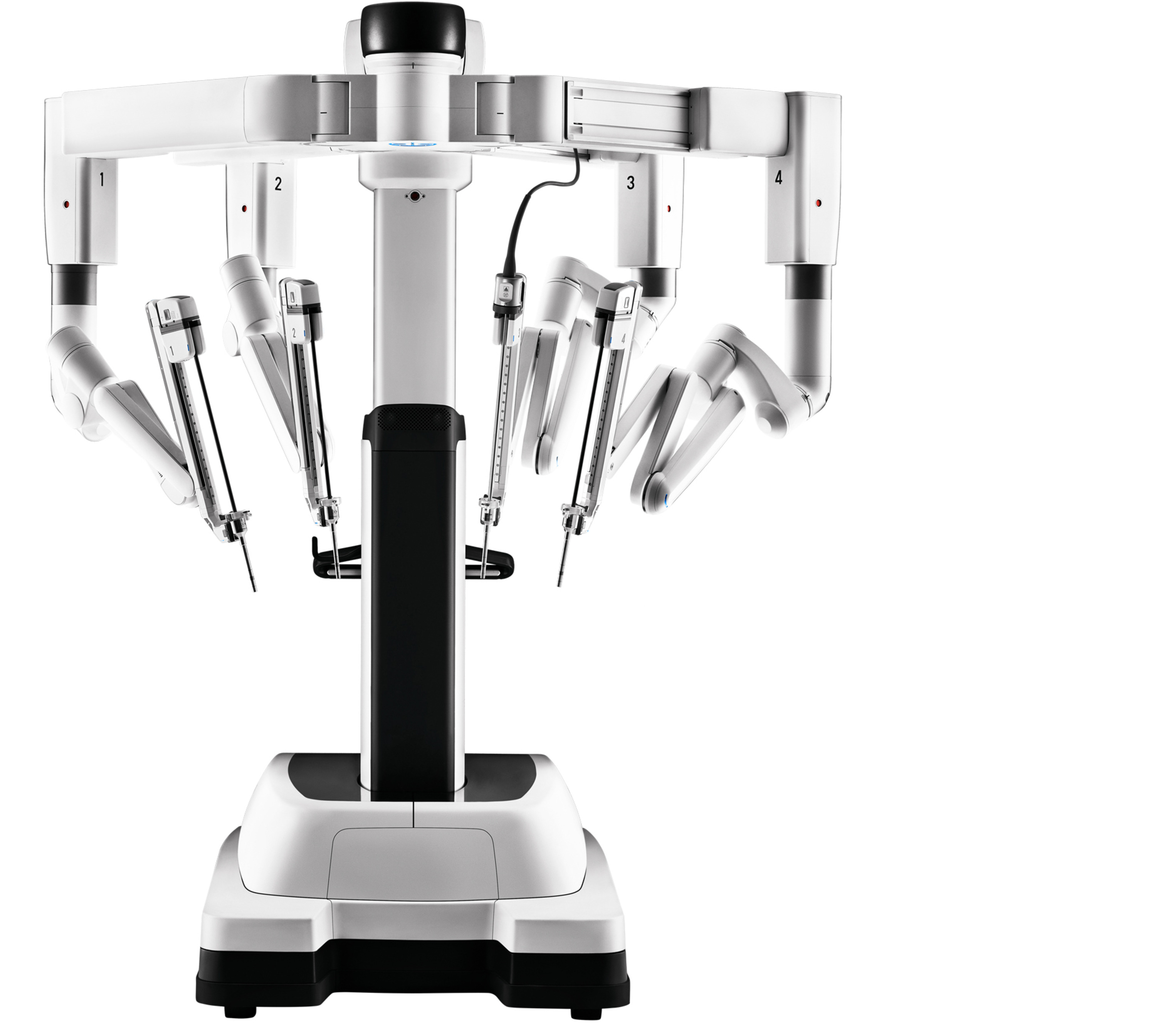
Da Vinci Robotic Surgery System
A robotic surgery platform working with 3D vision and a range of motion beyond the human wrist.
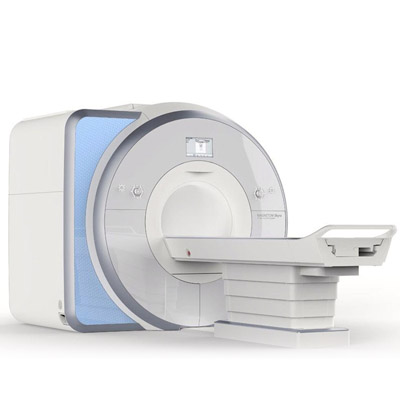
Magnetic Resonance Imaging (MRI)
An advanced diagnostic system that images soft tissues at high resolution without radiation.
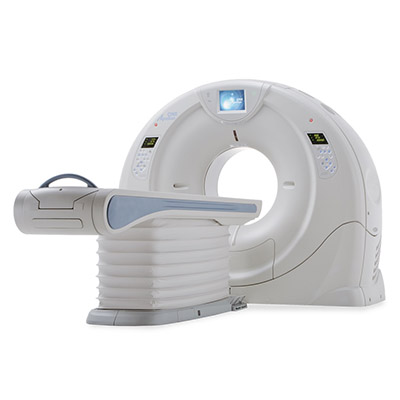
Computed Tomography (CT)
An imaging technology that rapidly produces cross-sectional images of the body using X-rays.
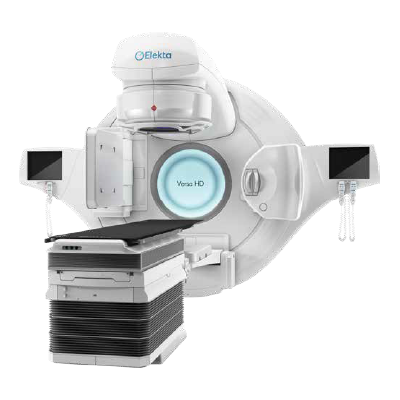
Linear Accelerator (Radiotherapy)
A radiotherapy system delivering targeted high-energy beams to the tumour in cancer treatment.
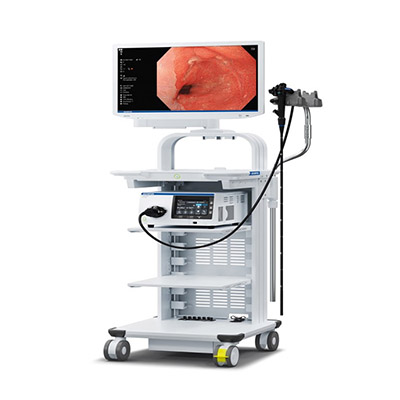
Endoscopy System
An advanced diagnostic system for visualizing digestive-system conditions and taking biopsies.
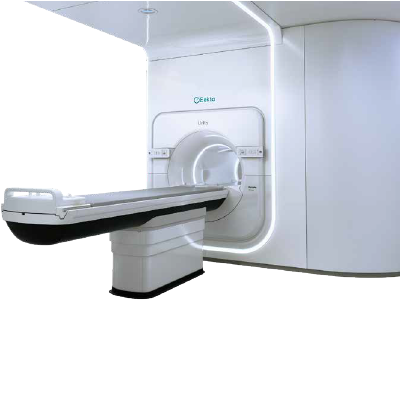
Elekta Unity 1.5 Tesla MR-LINAC
MR-LINAC is a “smart radiotherapy” method that targets the tumour using special imaging and measurements and destroys it with radiation beams. Equipped with more advanced technology than conventional radiotherapy, MR-LINAC offers new and important benefits to both the patient and the radiation oncologist thanks to the MR (Magnetic Resonance) imaging integrated into radiotherapy. With the MR-LINAC method, even tumours in moving organs can be irradiated and destroyed with pinpoint accuracy during treatment. While the tumour is being irradiated, the surrounding healthy tissues are protected with great precision. By identifying the most active and aggressive parts within the tumour, a higher dose of radiation can be delivered to these areas.
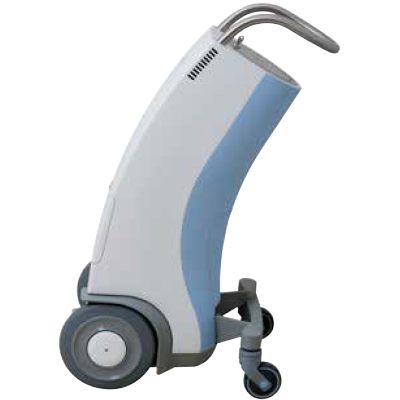
Targeted Radiation in Cancer Treatment: Brachytherapy
Brachytherapy is a method used before or after external radiotherapy to increase the dose delivered to the tumor, with the aim of improving local control of the disease. Brachytherapy is a type of radiotherapy used in the treatment of cancer patients. This treatment uses radiation to kill cancer cells. Biologically targeting cancer cells, brachytherapy is applied to cancerous areas of the body, particularly the breast, prostate, lung, brain, liver and stomach. It is frequently and successfully used in the treatment of gynecological cancers (uterus, cervix, vagina), lung cancer and skin cancers.
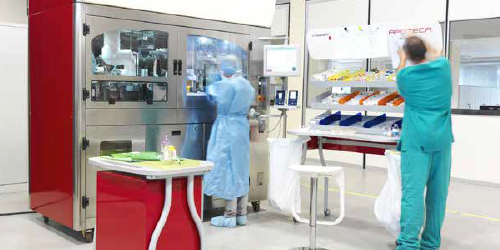
Robotic and Fully Automated Drug Preparation
In the chemotherapy unit located on a separate floor of the hospital, patients receive their treatment in a comfortable environment, while the medications prepared for them are produced by fully automated robotic systems — untouched by hand, under sterile conditions and in a way that safeguards both staff and patient safety.
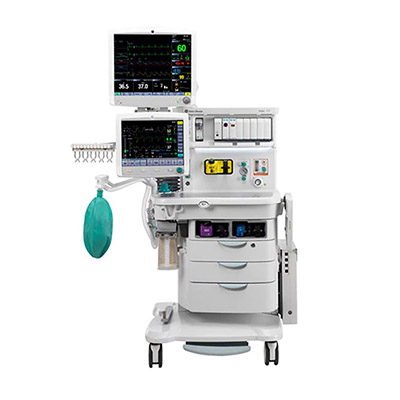
Patient- and Environment-Friendly Anesthesia Device
At our hospital, routine low-flow anesthesia is performed using anesthesia devices we have adopted for being patient-, environment- and cost-friendly, together with the experience of our entire anesthesia team, led by our specialist physicians. With this practice, the fresh gas flow delivered to the patient per minute is reduced from 4-5 L to 0.4-0.5 L. The aim is to prevent complications that may develop in patients' lungs, especially during long procedures.
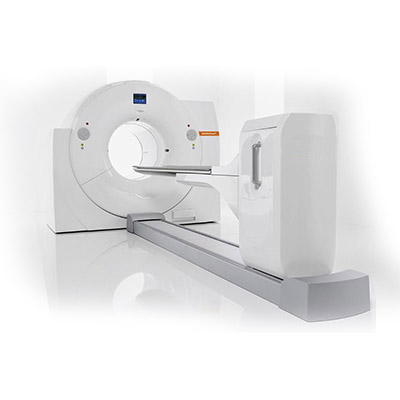
High Precision in Cancer Diagnosis and Treatment – PET/CT
The PET-CT device is an advanced imaging technology that combines positron emission tomography and computed tomography. It makes it possible to obtain three-dimensional images of changes in the body and to monitor cancerous cells. With its high-quality lesion detectability and spatial resolution, it provides accurate detection of even the smallest cancer lesions. PET-CT is used particularly to determine the location of newly developing metastases and the stage of cancer.
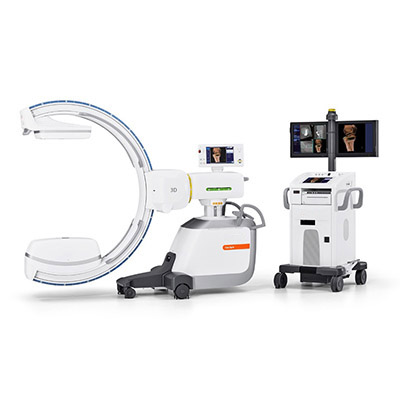
C-Arm X-Ray That Shortens Surgery Time
Thanks to the precise 16 cm volume imaging offered by the C-arm X-ray device, three-dimensional images are obtained in dense tissues and in critically ill patients. Its convenient automatic positioning and generous patient depth make routine surgical procedures easier for our physicians and provide a more comfortable experience for our patients. In addition, its high X-ray penetration increases diagnostic accuracy, particularly in overweight patients.
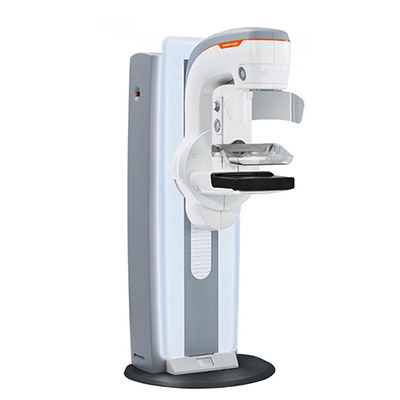
Mammography with Simultaneous Biopsy Capability
With our new-generation mammography device, effective images and successful results can be achieved in breast examinations. Thanks to its high mAs values, new-technology compression improvements, software and hardware, the average dose received during imaging is reduced, while patients are kept at a minimal level of stress. Stereotactic biopsy performed during mammography, one of the features patients look for most, is possible with our mammography device. In addition, with its advanced breast tomosynthesis and 3D imaging capability, even the smallest lesions are successfully detected, increasing the chance of early diagnosis of breast cancer.
The Hisar Hospital Web and Medical Editorial Board contributed to the development of this content. All content on this website is provided for general informational purposes only. Please consult a physician for the evaluation, diagnosis and treatment of your condition.
Last Updated: