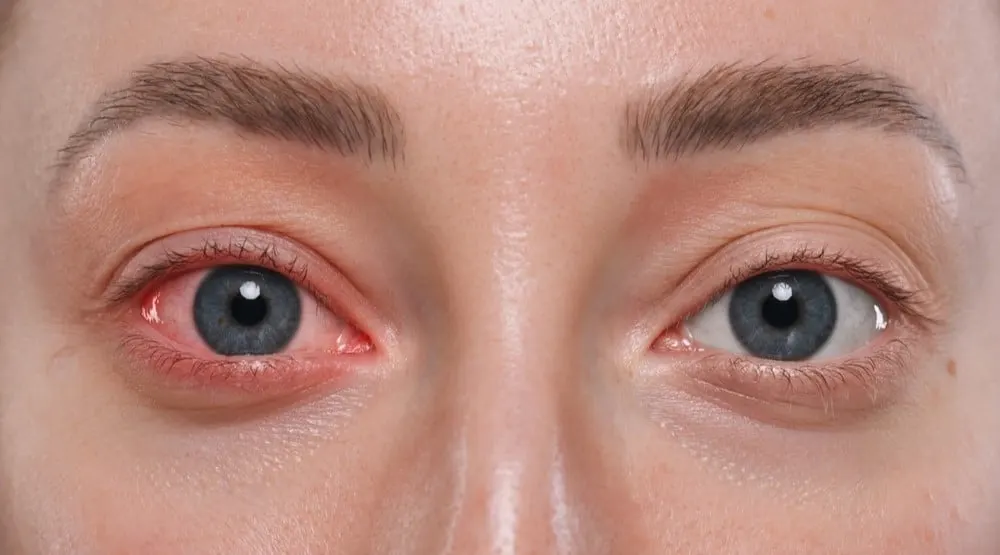
Eye allergy is inflammation of the tissues covering the inner part of the eyelids and the white part of the eyeball. This allergic reaction is usually triggered by exposure to environmental allergens such as pollen from grasses, trees and weeds, dust, mold or pet hair. When eye tissue is exposed to an allergen, the immune system responds in an attempt to protect itself. The body produces a special substance called histamine to defend against the allergens it has been exposed to in the eye area. As a result of this reaction, redness, swelling, burning and itching occur in the eyelid tissues and the conjunctiva. In some types of conjunctivitis, transmission from person to person is possible, whereas in allergic eye conditions there is no person-to-person transmission. This condition can be divided into two types: seasonal and long-term:
Seasonal eye allergy: Usually occurs in spring and summer, and sometimes in autumn. Its main causes include pollen, grass and other allergens in the air.
Long-term allergy: Long-lasting allergy can occur in people throughout the year and is usually triggered by indoor allergens. These allergens include animal hair, dust and mold spores.
Treatment for eye allergy may include methods such as antihistamines, eye drops or immunotherapy.
What Is Eye Allergy?
Allergies are the immune system's reaction to allergenic substances. They most often occur when the body reacts to a foreign substance or a food, such as pollen, grass, dust, mold or pet hair. The basic cause of allergy is that the immune system, which protects the body, identifies a specific allergen as harmful. When you come into contact with an allergen, the immune system's response causes flare-ups such as itching and burning in the skin and body tissues.
In eye allergy, the conjunctiva, the structure in the eye, reacts allergically. The conjunctiva is the tissue that covers the inside of the eyelid and the outside of the eyeball, and keeps the eyelid and eyeball moist. Allergy arises when the conjunctival tissue is exposed to allergenic substances. Symptoms include itchy, watery or red eyes, a burning sensation, and swelling and sensitivity of the eyes. In addition, swelling of the eyelids, a feeling of dryness in the eyes and frequent blinking may also be among the other symptoms. These symptoms can appear rapidly after contact with the allergen and may persist seasonally or chronically.
What Are the Symptoms of Eye Allergy?
This condition occurs when the tissues around the eye become inflamed as a result of an allergic reaction, and it presents with various symptoms. One of the most common symptoms is redness on the white of the eye or on the inner part of the eyelid.Eye allergy symptoms may include:
Itching
Redness
Watery eyes
Swelling of the eyes
Burning and stinging sensation
Light sensitivity
If eye allergy is accompanied by nasal allergies, nasal congestion, itching and sneezing may also occur. Headache, itching, sore throat or cough may also occur.
What Causes Eye Allergy?
The eyes are exposed organs and are an easily reached area for allergens and irritants. For this reason, people's eyes can be affected quickly by allergens. Eye allergies are a reaction to indoor and outdoor allergens that come into contact with the eyes. The body responds to these allergens by releasing chemicals, including histamines, that cause inflammation. Causes include pollen, mold spores, dust mites and pet hair. Eye allergies are not an infectious condition that spreads between people. Causes of eye allergy may include:
Environmental allergens: Environmental allergens that people are exposed to in daily life, such as pollen, dust, mold spores, pet hair and fungi, may play a role in the development of the condition. Contact of the body with these allergenic substances can cause irritation of the tissues around the eyes and affect the development of the allergic condition.
Genetic predisposition: People with a family history of eye allergy may have a higher risk of allergies. Genetic predisposition may play a role in the immune system's tendency to overreact to environmental allergens.
Air pollution: A low air quality level indoors or outdoors can cause allergens and irritants to accumulate in the eyes, which are exposed and easily reached, leading to irritation. Accumulated irritants can trigger allergy symptoms and worsen the condition of the eye.
Cigarette smoke: Cigarette smoke can irritate the tissues around the eyes and may contribute to the occurrence of allergic reactions. Exposure to cigarette smoke can increase the severity of symptoms.
Food allergens and insect bites: Sometimes the eyes may react to other allergens that do not need to come into direct contact with the eye. These may include certain foods or insect bites or stings. For some people, allergic reactions to certain foods can trigger symptoms. Particularly in people sensitive to food allergens, symptoms may appear after contact with foods.
How Is Eye Allergy Diagnosed?
To diagnose eye allergy, the doctor first takes a patient history. The doctor may also ask questions about the patient's medical history as well as any history of allergies in the family. After taking the history, the doctor performs a physical examination to assess the symptoms occurring in the eye. Some tests that may be used to diagnose eye allergy may include:
Slit lamp examination: In this test, the doctor shines a light into each eye and uses a microscope to examine the eyes and eyelids. Conjunctivitis and the ocular surface beneath the eyelids are examined in detail.
Conjunctival provocation test: This test may be preferred by the doctor to definitively determine the cause of the allergy. During this test, a solution containing the allergen is dropped into the patient's eye, and the symptoms that occur 15–30 minutes later are observed. This test is highly reliable because it directly identifies the substance causing the allergic reaction.
Skin tests: Skin tests are used to evaluate the patient's allergic response to the allergens causing the condition. In these tests, allergens are applied to the skin and skin reactions are observed. The skin prick test is one of the most commonly used tests. In this test, small amounts of liquids containing allergens are dropped onto your arm and the immune system's reaction is observed.
Tear test: The tear test is used to measure the level of certain substances in tears that indicate an allergic reaction. This test may be used to confirm the diagnosis of allergy or to assess its severity.
Blood tests: Blood tests can be used to measure specific antibody levels against allergens. They may be preferred especially when skin tests cannot be performed, or as an alternative to skin tests. Blood tests can determine the presence of antibodies against specific allergens and help confirm the diagnosis of eye allergy.
How Is Eye Allergy Treated?
In the treatment of seasonal or persistent eye allergy, the first approach is usually to avoid the allergens that trigger the symptoms. Eye allergy treatment may include:
Antihistamine eye drops or oral medications for allergy prevention, prescribed by a doctor
Cold compresses to reduce swelling in the eyes and provide a soothing effect
Oral antihistamines prescribed by a doctor for people with severe symptoms
Immunotherapy or allergy vaccination for people with chronic and severe eye allergy symptoms
Some additional measures, such as the following, may be helpful:
Staying away from pollen, dust, mold spores, pet hair and other allergens as much as possible
Washing your face after exposure to environmental allergens such as dust or pollen
Washing clothes
Bathing or showering before bed
Keeping contact lenses, cases and solution hygienic
Changing the contact lens solution daily
Frequently Asked Questions
The first step to getting rid of eye allergy symptoms is to reduce exposure to allergens. Secondly, antihistamine eye drops or medications prescribed by a doctor can help relieve symptoms. Avoiding allergens, using eye allergy drops and medications prescribed by a doctor, and methods such as cold compresses can be effective in relieving symptoms. For eye allergy, it is first necessary to stay away from the substances that cause the allergy. Paying attention to eye hygiene is another important factor. Washing hands and avoiding rubbing the eyes can be helpful. Eye allergies are usually temporary and do not cause permanent eye damage. However, if the allergic reaction is severe or left untreated, it may lead to complications in the eyes. Chronic itching and inflammation can lead to erosion of the cornea and dry eye. Usually, with appropriate treatment, symptoms may subside or disappear completely within a few days. However, in some severe allergy cases, symptoms may last longer and effective treatment may be needed. If eye allergy is left untreated, symptoms generally worsen and negatively affect quality of life. Persistent itching and rubbing can cause irritation of the eyelids, infections and other eye problems such as dry eye, which can put eye health at risk. Eye allergy is a condition that can cause significant difficulties in daily life. Symptoms can be relieved with early diagnosis and treatment. People with symptoms of eye allergy can start treatment by making an appointment at the eye diseases outpatient clinics of hospitals.
Start with the right assessment for What Is Eye Allergy? What Are Its Symptoms?
Share your symptoms with our specialist physicians; let us determine the right diagnosis and treatment plan together.
Warning
If your symptoms started suddenly, are progressing rapidly, or significantly restrict your daily life, consult a physician without delay.
Plan your What Is Eye Allergy? What Are Its Symptoms? journey with our specialists.
Fill in the form or book an appointment to learn about treatment options, the process and preparation.