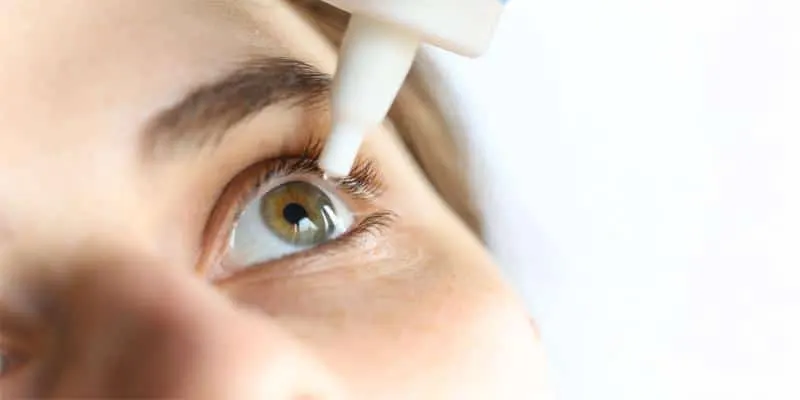
Dry eye is a fairly common condition that occurs when tears fail to provide adequate lubrication to the eyes. Tears can be insufficient or unbalanced for many reasons. Poor-quality tears are one example. If this imbalance is not prevented or progresses, it can cause inflammation or damage to the surface of the eye. Certain situations, such as looking at a computer screen or being in an air-conditioned room, can cause dryness.
What Are the Symptoms of Dry Eye?
When the eye is dry, the patient may feel as if something that is not there is inside the eye. A gritty sensation or itching may occur. In addition, symptoms of dry eye may also include:
Stinging or burning,
Blurred vision,
Eye discharge,
Sensitivity to light,
Watery eyes.
Watery eyes may be thought of as the opposite of dryness, but this is a common symptom of dry eye. When the meibomian glands, which are oil-producing glands located along the edges of the eyelids, cannot produce enough oil, the watery part in the middle of the tear film evaporates quickly. Therefore, the tear glands try to produce more tears, but these tears cannot replace the oil, so the problem cannot be resolved. If you are experiencing one or more of these symptoms, you can prevent dryness at an early stage by consulting a doctor.
How Does Dry Eye Occur?
Many factors can be listed as causes of dry eye, but basically, if a problem occurs in one of the three layers of the tear film, dry eyes may develop. Factors that can cause the problem include:
Hormonal changes,
Eye inflammation or allergic eye diseases,
Autoimmune diseases,
Old age,
Sjögren syndrome,
Rheumatoid arthritis,
Lens use,
Laser eye surgery,
Damage to the optic nerve,
Vitamin A deficiency,
Wind, smoke or dry air
Eyelid turning inward or outward,
Blinking infrequently,
Medications used for depression, hypertension or hormone therapy.
How Is Dry Eye Treated?
For the treatment of dry eye, using the drops prescribed by your eye doctor will generally be sufficient, but other methods may be tried if the symptoms have become worse. At this point, what is causing the dry eye also determines the form of treatment.
Punctal plugs: This treatment method closes the tear ducts with small silicone plugs. In this way, the natural tears and the artificial tears used are preserved.
Anti-inflammatory medications: Inflammation of the eyelid may prevent the oil glands from functioning properly; in such a case, your doctor may prescribe a suitable antibiotic. Antibiotics are usually in pill form, but they can sometimes also be used as drops. Inflammation may also be present in the cornea. For this, immunosuppressive drugs or corticosteroids may be used, but it is important to take care not to use corticosteroid medication for longer than the period recommended by your doctor.
Artificial tears: May be prescribed for moderate or severe dry eye.
Cholinergic medications: These medications aim to increase tear production by stimulating tear secretion. They may be in pill, gel or drop form.
Nasal spray: Substances contained in some sprays may increase tear production.
Special lenses: If you have a vision problem, you may use lenses designed for dry eyes. These lenses are called scleral or bandage lenses.
Blocked oil glands: Eye masks and warm compresses may help open blocked oil glands.
Light therapy and eyelid massage: Intense pulsed light therapy and eyelid massage may be beneficial for severe dry eyes.
What Is the Process After Dry Eye Treatment?
Dry eye is a chronic (long-term) condition and may not be fully curable. Treatment aims to manage the symptoms. Several methods suited to the patient may need to be tried for treatment. Despite this, symptoms may increase and decrease periodically. Certain changes in daily life are also needed to prevent dry eye. These changes include:
Avoiding strong air blowing into the eyes: You can avoid keeping devices that blow strong air, such as fans, air conditioners and hair dryers, close to your eyes.
Creating humid air: Because the air is drier in winter, your home may need a device to humidify it.
Using sunglasses: To prevent wind or dry air from reaching your eyes, you may prefer wraparound glasses (glasses that curve toward the sides of the eyes). Glasses of this design also protect the eyes from the sides.
Resting the eyes: Reading a book or looking at a screen for a long time without a break can cause the eyes to dry out. Therefore, you can rest your eyes for a few minutes at set intervals or blink continuously for a few seconds.
Assessing environmental factors: Your eyes may become more sensitive when traveling to sandy areas such as beaches or deserts, or to high-altitude places. Therefore, you can rest your eyes by closing them frequently.
Computer screen placement: Having the computer screen too high causes you to open your eyes wider. This may cause additional dryness. Placing the screen at eye level or slightly below can prevent this.
Staying away from cigarette smoke: Cigarette smoke is one of the eye irritants. If you smoke, you can try to quit, or if you do not smoke, you can try to stay away from its smoke.
Using eye drops regularly: If you have chronic dry eye, you can use your drops continuously after consulting your doctor.
Frequently Asked Questions About Dry Eye
Dry eye is not curable, and if the symptoms progress, it may lead to various eye diseases. These diseases may include:
Conjunctivitis: The name given to the inflammatory condition affecting the white part of the eye and the inner surface of the eyelid. This disease can cause yellow discharge, eye pain and redness.
Keratitis: In corneal inflammation, the deeper layers of the eye are affected and it can lead to permanent vision loss.
Corneal ulcer: An open wound covering the outer layer and transparent part of the eye is called an ulcer. Although this disease usually occurs as a result of accidents, it can also develop from severe dry eye.
Difficulty with certain tasks: Progressive symptoms increase blurred vision, which can make daily tasks such as reading or driving difficult, or even impossible. In addition to blurring, double vision may also occur.
Photophobia: Sensitivity to light, which is also among the symptoms, can become so heightened that it causes discomfort even when opening your eyes.
Headache: Prolonged dryness of the eyes, along with problems such as difficulty focusing, may be accompanied by headaches.
Crying may relieve dry eye for a short time, but this effect is temporary, and the dryness will return to its former state shortly after crying stops. Rather than temporary solutions like this, a treatment method based on the underlying cause will be more effective. The aim of the dry eye test is to measure the volume of tears. This test is also called the Schirmer test. Your doctor examines how much tear production there is with the test. During this test, a strip that absorbs tears is placed on the lower eyelid, and after a certain period, it is checked how much tear the strip has absorbed. Another method is placing a thread sensitive to pH on the lower eyelid. Vitamins A, B12, D and omega-3 may be beneficial for dry eye. Vitamin A is effective in protecting the cornea because it provides protection against bacteria. In this way, eye infections can also be prevented. Vitamin A is abundant in foods such as carrots, tomatoes and spinach. Your doctor may also prescribe a drop containing vitamin A. Vitamin B12 contributes to the nerve cells in the eye and is abundant in offal, milk and dairy products, and eggs. Dry eye may sometimes be related to vitamin D deficiency. Vitamin D normally prevents inflammation and ensures the continuity of oils in the eye, and it is found in egg yolk, red meat and white meat. Omega-3 fatty acids are known for their anti-inflammatory and irritation-reducing effects and may help reduce dry eye symptoms. Omega-3 is found in fish, green leafy vegetables and nuts. According to research, some systemic diseases may underlie dry eye. These systemic diseases include diabetes, rheumatoid arthritis, thyroid eye disease, skin diseases and intestinal diseases. A decrease in the amount or quality of tears causes the eyes to feel gritty, itch and hurt. Yes, dry eye can cause blurred vision. Yes, dry eye can cause blurred vision. According to a study conducted in 2015, vitamin B12 was found to improve dry eye symptoms. B12 deficiency may be associated with eye pain and dryness. Stress causes an increase in intraocular pressure. This pressure is generally temporary, but it may leave some effects on your eyes. Over a long period, stress can cause sensitivity to light, blurred vision, eye fatigue and dryness. You can try to take precautions against stress by trying relaxation techniques. Dry eye may be seen more frequently in people over 50 years of age, because tear production decreases as we age. In addition, lack of tears is seen more often in women. Hormonal changes are thought to be the cause of this, especially in events affecting menstruation such as menopause and pregnancy. Lens use or eye laser treatment are also among the factors that increase the risk of dryness.
Start with the right assessment for What Is Dry Eye?
Share your symptoms with our specialist physicians; let us determine the right diagnosis and treatment plan together.
Warning
If your symptoms started suddenly, are progressing rapidly, or significantly restrict your daily life, consult a physician without delay.
Plan your What Is Dry Eye? journey with our specialists.
Fill in the form or book an appointment to learn about treatment options, the process and preparation.