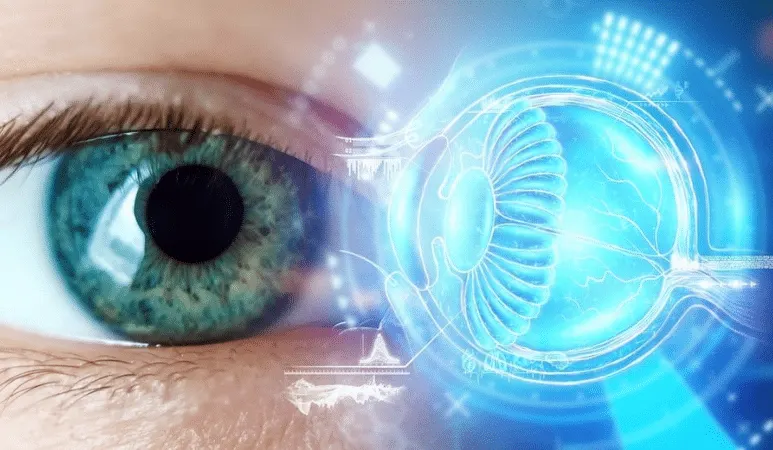
Corneal Diseases; the transparent outer layer found in the eye is called the cornea. The cornea can be damaged as a result of disease, infection or any injury. When this structure, which is very important for eye health, is damaged, different eye diseases may arise. Protecting the eye against microbes and any eye injury may help prevent the development of eye diseases. For more detailed information, you can read the rest of the article.
What Is Keratoconus of the Cornea?
The thinning of the outer part of the eye and the formation of a cone-shaped bulge result in an eye condition called keratoconus. This condition can cause eye problems such as blurred vision or sensitivity to light. Keratoconus is an eye condition that is often seen in late adolescence and after the age of thirty. In the early stage of the disease, the use of glasses or contact lenses may help correct the vision problems that develop. In cases where eye problems cannot be corrected with contact lenses, lenses called scleral lenses may need to be used. In advanced keratoconus, corneal transplantation may be required to treat the eye damage that has developed. In addition, a treatment method known as corneal collagen cross-linking may help slow down or stop the progression of keratoconus. If this procedure is effective, a corneal transplant may not be necessary.
What Are the Symptoms of Corneal Diseases?
The cornea, which has three main layers, consists of epithelial tissue on the outermost layer, stroma in the middle layer and endothelial tissue on the innermost layer. Each layer has its own distinct characteristics. These characteristics are as follows:
Epithelium: The epithelium, which forms the outer layer of the eye, helps prevent foreign substances from entering the eye from the outside.
Stroma: Located behind the epithelium, the stroma has an elastic structure thanks to the water and proteins it contains.
Endothelium: Located in the innermost layer of the eye, this layer works like a pump to draw excess fluid from the stroma. If the endothelial structure is damaged, fluid may accumulate in the stroma. As a result of fluid accumulation in the stroma, eye problems such as blurred vision may occur.
Damage to any of the structures in the cornea may cause some eye conditions. Corneal diseases arising from certain infections, tissue injuries or genetic factors may produce different symptoms. Some of the symptoms that may occur as a result of corneal damage are as follows:
Eye pain,
Blurred vision,
Tissue damage visible from the outside,
Eye redness,
Excessive sensitivity to light.
Eye damage caused by minor injuries or infections may heal on its own. However, corneal diseases that are not treated properly may lead to other eye problems. Therefore, if such symptoms are noticed, it is important to consult a healthcare facility.
Conditions That Cause Corneal Damage
Neglecting eye hygiene, tissue injuries to the eye, infections and some diseases may cause corneal damage. Some of the conditions that may cause damage to the cornea may be as follows:
Keratitis: As a result of any injury to the eye, microorganisms such as viruses, bacteria or fungi may multiply inside the eye. When viruses, bacteria or fungi enter the eye and infect the cornea, an inflammation of the eye called keratitis may occur. This condition can lead to infection and ulcer in the eye. As a result of the eye damage, various symptoms such as severe pain, blurred vision, rupture of the eye's surface layer or redness may appear. Incorrect lens use may cause eye injury and trigger the development of keratitis. Therefore, paying attention to lens use is important in preventing keratitis. Keratitis can be treated using antibiotic or antifungal eye drops. Depending on the causative agent, antiviral medications or steroid eye drops may be necessary as part of treatment.
Ocular Herpes (Eye Cold Sore): Cold sores may develop in the eye due to herpes simplex virus (HSV). This inflammation in the eye may cause damage to the cornea. Eye cold sores are recurrent and there is currently no definitive cure. Antiviral medications or steroid eye drops used in treatment may help bring the cold sore under control and prevent it from spreading.
Herpes Zoster (Shingles): Zoster is a skin disease caused by the herpes zoster virus in the body. This virus, which causes zoster, does not leave the body and may remain dormant in nerves for many years. When activated by various factors, this virus can travel from the nerves and infect different body structures as well. If the eye becomes infected, damage may occur to the cornea. Herpes zoster infection, also called shingles, may heal on its own without requiring treatment. However, antiviral medications and steroid eye drops used may help reduce the inflammation in the eye.
Early treatment of diseases that cause corneal damage may help prevent eye damage that could develop later.
What Are the Treatment Methods for Corneal Diseases?
A diagnosis of corneal diseases can be made as a result of a detailed examination by an eye doctor. To diagnose the disease, the eye doctor may perform various tests such as slit lamp examination and fluorescein eye stain test. In the fluorescein eye dye test, a harmless dye is dropped into the eye and then the eye is examined under light; any scratch or damage on the cornea can be visualized. Treatment methods used for corneal diseases may vary depending on the condition of the eye damage. Some of these treatment applications are as follows:
Eye drops, ointments or certain medications,
Prescription glasses or contact lenses,
Laser procedures such as phototherapeutic keratectomy (a procedure in which tissue is removed to reshape the cornea),
Corneal transplant surgery,
Implantation of an artificial cornea (keratoprosthesis).
For treatment to be effective in corneal diseases, it is important that the treatment plan is determined by a doctor. In addition, certain precautions can be effective in the treatment of the disease. Some of these methods are as follows:
Following Hygiene Rules: Paying attention to general hygiene rules may help prevent eye problems. Especially in situations such as contact lens use, which requires the hand to touch the eye, attention to hand hygiene may help prevent eye diseases. Limiting contact of the hand with the eye in daily life is also important in preventing eye diseases.
Not Sleeping in Lenses: Careful use of lenses is effective in preventing any side effects that may occur. To prevent eye damage resulting from any infection, it is important to remove lenses before going to sleep.
Protecting the Eye: Avoiding hazardous situations in daily life that may cause eye damage may help prevent eye problems. Therefore, wearing protective goggles is important when using tools such as hammers, drills or saws that may cause eye damage.
Paying attention to such methods in daily life may help prevent eye damage.
Frequently Asked Questions About Corneal Diseases
Vision is a very important factor in maintaining daily life. Diseases occurring in the cornea may negatively affect vision. Therefore, preventing corneal damage is important for maintaining healthy vision. Because the cornea is so important for eye health, people have developed a desire to learn about corneal diseases. Some of the frequently asked questions about corneal diseases are as follows: Corneal damage may cause severe eye pain, redness, blurred vision or eye damage that can even be noticed from the outside. Experiencing such complaints may indicate damage occurring in the cornea. Therefore, if such symptoms are present, it is important to consult a healthcare facility. If eye health is not given sufficient attention, eye damage may occur. Creams, eye drops or medication use may be effective in treating eye damage. Failure to diagnose corneal diseases in the early stage may cause treatment to be started late. Corneal diseases that are not treated in a timely and correct manner may lead to vision loss. Any damage occurring in the eye may cause blurred vision. Blurred vision may be corrected with the use of contact lenses or glasses recommended by a doctor. In addition, certain conditions such as vitamin deficiencies, allergies or prolonged sleep deprivation may also cause blurred vision. Avoiding allergic conditions, resting the eyes adequately and using vitamin supplements under a doctor's advice may help improve blurred vision. Some diseases occurring in the body may negatively affect the structure of the eye. Some of the diseases that negatively affect the structure of the eye and cause corneal damage are as follows:
Immune system diseases,
Connective tissue diseases,
Some skin conditions such as shingles,
Some infections.
If such diseases are not treated with appropriate methods, eye diseases may develop. The occurrence of any disease in the body may negatively affect daily life. Therefore, preventing factors that cause diseases or treating existing diseases early is important for maintaining daily life without interruption. For this reason, it is important to attend routine hospital check-ups and not to neglect eye examinations recommended by your doctor. If you also want to protect your health and lead a quality life, do not neglect to have routine hospital check-ups.
Start with the right assessment for Treatment of Corneal Diseases (Keratoconus)
Share your symptoms with our specialist physicians; let us determine the right diagnosis and treatment plan together.
Warning
If your symptoms started suddenly, are progressing rapidly, or significantly restrict your daily life, consult a physician without delay.
Plan your Treatment of Corneal Diseases (Keratoconus) journey with our specialists.
Fill in the form or book an appointment to learn about treatment options, the process and preparation.