What Is Sudden Vision Loss? What Causes It?
The eye is the organ responsible for the process of seeing. Vision occurs thanks to many interconnected structures and functions. The cornea, which helps the eye focus, the iris, which controls the amount of light entering the eye, the lens, which bends light onto the retina, the retina, which converts light into electrical signals with its rods and cones, and the optic nerves, which send these signals to the brain so that the image can be perceived and interpreted, all work together to enable vision. In addition, there are structures and layers that protect the eye from impacts and possible pathogens. Damage to any of these tissues that make up the eye can negatively affect vision and cause certain eye diseases. For example, the cloudiness or loss of transparency of non-nerve-tissue parts of the lens, which leads to blurred vision, or an increase in intraocular pressure high enough to damage the optic nerves for various reasons, resulting in reduced vision or complete loss of sight, are examples of this.
Experiencing vision loss means that there is a problem with any of the structures involved in vision, from the eye to the brain. This condition can develop over a long period of time, but it can also occur suddenly. Sudden vision loss is considered an emergency. It means a sudden, large decrease or complete loss of the ability to see. It can occur in one eye only or in both eyes. When sudden vision loss occurs, you should not panic; quickly ask the people around you to take you to a hospital, or call 112 and report your location. Sudden vision loss may be a temporary condition. However, if necessary and prompt treatment is not applied, this condition may become permanent.
Many different factors can contribute to the development of sudden vision loss. Some of them are:
Acute Glaucoma: It can be described as vision loss caused by excessive pressure on the eye. One of its causes may be an increase in pressure within the eye due to insufficient drainage of eye fluid. Afterwards, you may begin to see blurred vision or halos. If not treated in time, this condition may progress and cause permanent vision loss.
Endophthalmitis: It is an infection occurring inside the eye. The immune system, which is the body's response to a bacterial or fungal infection, may trigger this inflammation. It is one of the medical conditions that requires urgent treatment.
Migraine: It is a type of headache that results from changes occurring in the brain and blood vessels. The vast majority of sudden, temporary vision loss may be caused by migraine. Migraine may cause flashing lights or blind spots in your vision.
Giant Cell Arteritis: Also known as temporal arteritis. It is inflammation of the blood vessels that supply blood to the brain, eyes or optic nerves. It usually occurs after the age of 50. The risk of developing it is higher in White individuals and men compared to other groups.
Optic Neuritis: It is an inflammation or irritation condition of the optic nerves, which provide communication between the eye and the brain. Optic neuritis can occur as a result of any disease, or it can occur without any cause.
Eye Injury: Sudden vision loss may develop as a result of a hard or sharp object striking the eye. Depending on the level of damage to the affected tissue, it may improve with treatment or may be permanent.
Age-Related Macular Degeneration: The macula is a point located at the center of the retina. The retina is one of the structures that controls the central vision of the eye. This degeneration, which develops with age, can usually be seen from the age of 50 onwards. People with this condition are not completely blind, but they cannot directly see objects in front of them.
Vitreous Hemorrhage: The vitreous is a slightly fluid substance that makes up the majority of the eyeball. It protects the eye from harmful substances such as dust and soil. Bleeding that occurs within this fluid is called vitreous hemorrhage. It can have many different causes, but it is mostly caused by vascular reasons.
What Are the Symptoms of Sudden Vision Loss?
There is no known symptom of sudden vision loss. Because it develops suddenly, it does not give any prior symptoms. Although many people perceive sudden vision loss as temporary or permanent complete blindness, it actually covers major changes in visual ability. These include:
Blurred vision
Narrowing of the visual field
Seeing halos may also be among the possibilities.
To Avoid Experiencing Sudden Vision Loss
To prevent any infection, be mindful of hand hygiene,
To avoid work accidents or sports injuries, wear the necessary equipment and take precautions,
If there is a physical symptom such as swelling or color change in the eye, or if any change in vision is noticed, it is beneficial to have it checked by a doctor without losing time.
In addition, every healthy person should see an eye doctor at least once a year to have the necessary check-ups. Hisar Hospital Intercontinental offers greater accessibility with an after-hours appointment option.
What Are the Treatment Methods for Sudden Vision Loss?
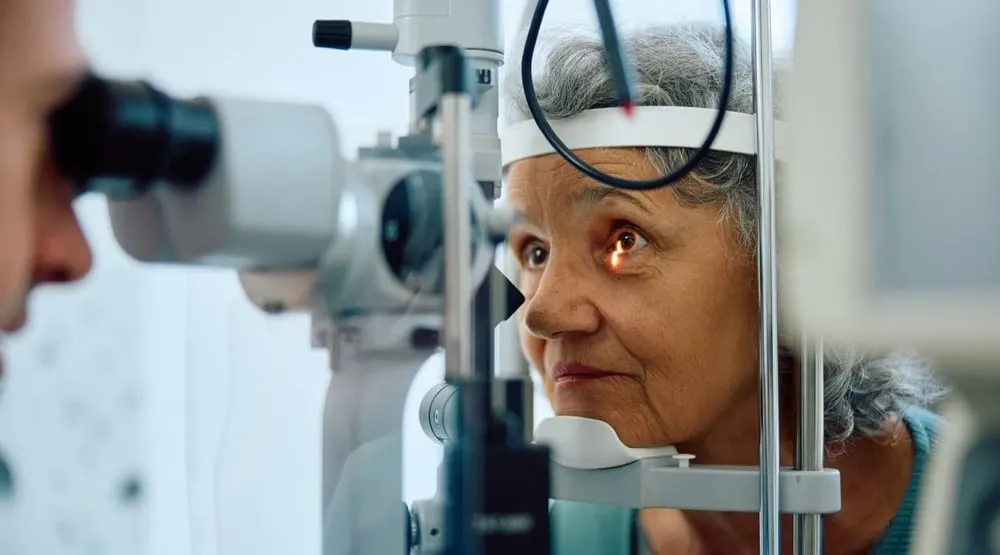
When you consult a doctor about sudden vision loss, a medical history is taken first. During this time, your doctor will ask you when the vision loss occurred, how long you have been in this condition, whether both of your eyes are affected, and whether you see halos around lights, various patterns, or floating objects. Then your doctor will perform a physical examination. During the eye examination, your doctor first checks for external symptoms such as redness or eye watering. Then, using various instruments, your doctor may examine the structure of your eye, ask you to read some letters, test color vision, or measure intraocular pressure.
Treatment for sudden vision loss depends on its cause. Based on the information obtained and the examination results, your doctor aims to find out why the vision loss occurred and plans a treatment accordingly. In general, the treatment options for sudden vision loss are as follows:
Glasses or contact lenses: Especially used for refractive problems, these options are used if they can improve sudden vision loss; your doctor will prescribe suitable glasses or lenses for you.
Drug Therapy: Drug therapy, which is among the treatment options for most diseases, can also be effective in sudden vision loss. If your doctor determines after the examination that you have vision loss due to an inflammation in the eye, the aim will be to resolve the inflammation. For this purpose, your doctor may prescribe antibiotics or various medications.
Dietary Treatment: During the examination, your doctor may also check your general health beyond the eye. Although rare, you may have temporarily lost your vision due to nutritional deficiency. In this case, your doctor will refer you to a dietitian so that you can obtain an appropriate nutrition program.
Surgical Treatment: Another of the conventional treatment options is surgical treatment. Surgical treatment can include many procedures, large and small. Therefore, do not be alarmed by this option right away. If you have vision loss resulting from causes such as cataract or corneal scar, your doctor may recommend this option.
Hyperbaric Oxygen Therapy: It is a newer treatment option compared to conventional treatment methods. This treatment is applied by having the patient breathe pure oxygen in a pressurized environment. It is primarily applied for decompression sickness, commonly known as "the bends", which occurs after scuba diving. However, positive responses have also been observed when it has been tried in the treatment of sudden vision loss. It is especially preferred in the treatment of tissues or nerves related to the eye where sufficient oxygen does not reach due to vessel narrowing or inflammation. In this treatment, air pressure is increased to 2-3 times normal conditions. This allows tissues to receive a greater amount of oxygen than the oxygen at normal air pressure. In addition to the state-of-the-art German-made device our hospital has, we offer a relevant specialist physician who accompanies you throughout the process. In this way, your follow-up is ensured at every stage of the procedure.
After your examination, your doctor will discuss treatment options with you and will ensure that the most suitable treatment is applied to you.
When Should Intervention Take Place After Symptoms Appear?
One of the mistakes made in sudden vision loss is when the person intervenes unknowingly out of panic.
Squeezing or rubbing the eyes,
Waiting, assuming it will pass,
Self-medicating can cause the situation to worsen.
For this reason, when sudden vision loss is noticed, medical help should be sought as soon as possible. Since it is an emergency, you can go to the nearest emergency department, or if you do not have access to this, you can use the 112 emergency call service. Early intervention is important for quickly diagnosing and starting treatment in cases where recovery is possible with treatment. In cases of delayed intervention, the risk of vision loss becoming permanent may increase.
What Is the Duration of Treatment for Sudden Vision Loss?
There was no clear information regarding the duration of treatment for sudden vision loss. Treatment duration may vary depending on the procedure to be applied. For example, while drug therapy may take some time, vision loss may pass within a few hours with hyperbaric oxygen therapy.
Sudden vision loss can generally be a worrying situation for you and those around you. If the vision loss was not caused by an accident, there is usually another underlying health condition. For this reason, applying to a hospital as soon as possible and receiving treatment is effective in the resolution of blindness.
Start with the right assessment for What Causes Sudden Vision Loss and What Are the Treatment Methods?
Share your symptoms with our specialist physicians; let us determine the right diagnosis and treatment plan together.
Warning
If your symptoms started suddenly, are progressing rapidly, or significantly restrict your daily life, consult a physician without delay.
Plan your What Causes Sudden Vision Loss and What Are the Treatment Methods? journey with our specialists.
Fill in the form or book an appointment to learn about treatment options, the process and preparation.