What Is Tear Duct Obstruction, Its Causes, Symptoms and Treatment Methods?
Tear duct obstruction is a problem, seen especially in infants, that causes tears to run from the eyes. This problem, which can develop due to various causes, occurs when the tears that keep the eye moist cannot be drained. Various procedures are available for treating this condition. However, for treatment, the cause must first be determined by a physician who specializes in this field. Once the cause is identified, an appropriate treatment plan can be created.
What Is Tear Duct Obstruction?
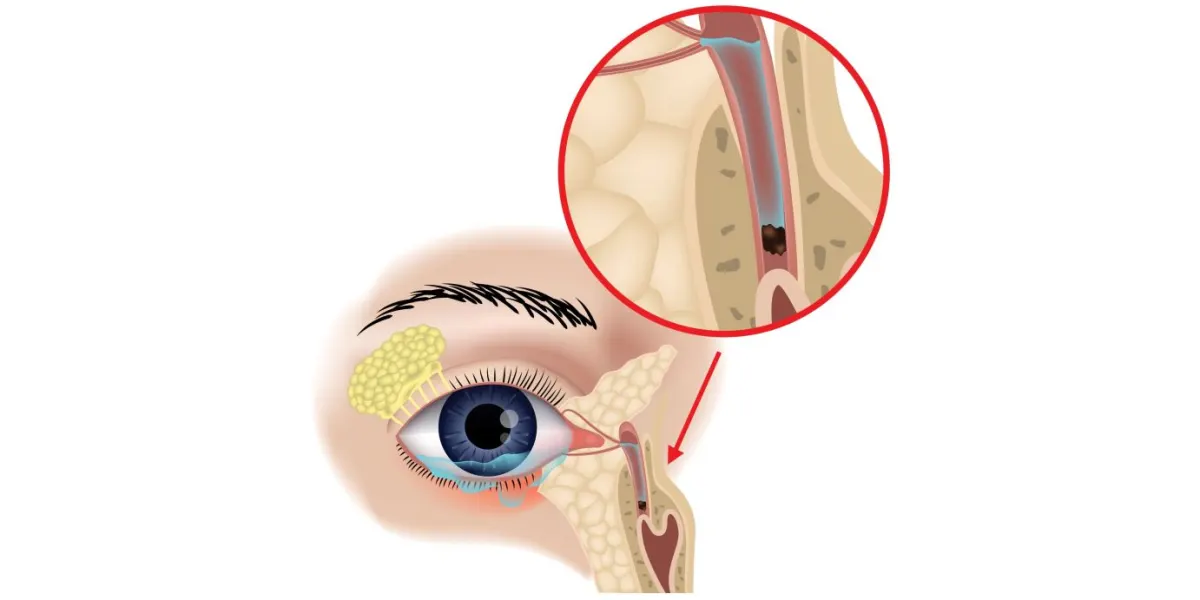
Tear duct obstruction refers to blockages in the drainage system used to remove the fluid found in the eyes. The human body produces a fluid called tears to prevent the eyes from drying out. After this fluid moistens the eye, it drains through a small opening located at the inner corner of the eye. The fluid draining through the opening at the corners of the eyes is absorbed back into the body through the tear duct. When one section of the tear duct becomes blocked, tears cannot be absorbed. The fluid that cannot be absorbed by the body usually begins to flow outward, onto the cheeks. When the tear duct is blocked, symptoms such as itching, watering, burning and irritation of the eyes may occur.
What Are the Symptoms of Tear Duct Obstruction?
Symptoms of tear duct obstruction may develop due to two causes. The fluid that accumulates because the drainage system cannot remove the fluid that moistens the eye can cause symptoms in the eye, and bacteria trapped by the blockage can create an environment for infection. Symptoms of tear duct obstruction include:
Fluid accumulating in the eyes and overflowing
Blurred vision
Fever
Infection around the nose and eyes
Redness
Sensitivity
Swelling of the eyelids
What Are the Causes of Tear Duct Obstruction?
There are various factors that can cause the tear duct to become blocked. In particular, factors such as injury, infection, allergies and incomplete development of the tear ducts can cause this condition. Incomplete development of the tear ducts is a condition that may be seen in infants and often resolves as the baby grows. However, tear duct obstruction is not only seen in infants. Blockages can also occur in these ducts in adults. Eye problems that appear with advancing age can also cause the ducts to become blocked. In particular, chronic allergies, glaucoma and eye infections are among the causes of duct obstruction in adults. Conditions such as a nasal injury can also damage the tear duct and cause blockages. The causes of tear duct blockage are:
Excessive tear production
Trauma
Deposits
Nasal fracture
Formation of nasal polyps
Infection
Tumor
Incomplete opening of the duct at birth
Narrow tear duct
How Does Tear Duct Obstruction Occur?
The lacrimal glands are responsible for producing tears. This gland is located inside the upper eyelid. Tears are produced in this gland and flow onto the surface of the eye, preventing the eye from drying out and helping to clean the surface of the eye. The lacrimal gland secretes fluid continuously, and the fluid reaching the eye surface constantly changes. For this reason, the fluid reaching the eye must be removed from the surface of the eye. A drainage system is used to remove the fluid. Through the openings located at the inner corners of the eyes, fluid passes into channels called canaliculi. These channels carry tears to the lacrimal sac located on the sides of the nose. The fluid in the sac drains into the nose and is absorbed by the body. A blockage can occur at any point where the fluid passes through the drainage system.
How Is Tear Duct Obstruction Diagnosed?
To diagnose a blocked tear duct, the doctor first obtains information about the patient's medical history. During the medical history, factors that may cause the blockage, such as trauma or tumors, may be evaluated. After the medical history, a physical examination is performed. Blocked ducts can be visualized using imaging techniques. These imaging studies can guide treatment if a procedure is to be performed to relieve the blockage. At the same time, a drainage test can measure how much of the fluid in the eye can be drained.
How Is Tear Duct Obstruction Treated?
Treatment of tear duct obstruction requires addressing the problems that cause the blockage in the duct. If the patient with the blockage is an infant, the ducts are expected to open on their own for a period of time. If the ducts do not finish developing after this period, a treatment plan can be created. If the blockage occurs in an adult, identifying the cause of the blockage is important for treatment. When the cause of the blockage is an infection, or when the blockage causes an infection, antibiotics may be prescribed by the doctor. If the blockage does not open during infancy or occurs in adulthood, and no improvement is achieved over time, various procedures may be applied. In particular, in infants, a probe may be placed in the blocked duct to help open the blockage. This probe allows the fluid to drain outward.
When the blockage cannot be treated with a probe, a catheter is placed in the blocked duct to open the passage. Once the opening is achieved, the catheter is removed. Another treatment option is to pass a tube from the holes located at the inner corners of the eyes to the nose. This tube functions in place of the ducts and allows the fluid to drain. Surgically, a procedure called dacryocystorhinostomy can be performed. This procedure involves creating a new channel. This channel extends from the inner corner of the eye to the nose. A stent is placed to keep this channel from closing, and the stents are removed after a period of time. Expert surgeons at Hisar Hospital Intercontinental successfully perform tear duct obstruction surgery. Particularly for surgeries performed during infancy, the risk of the blockage recurring can be considered much lower.
Frequently Asked Questions About Tear Duct Obstruction
If the blockage is not treated, the fluid that cannot be drained begins to flow out of the eyes. This can cause various symptoms in the eye. At the same time, serious infections can develop due to fluid accumulation. These infections can cause large swellings between the nose and the eye. Tear duct obstruction is diagnosed by an eye doctor. If surgery is required during the treatment process after diagnosis, the procedure is performed by an eye surgeon. Many babies are born with a blocked tear duct. This blockage occurs sometimes because the ducts have not yet developed and sometimes because they become blocked later on. This condition often resolves without treatment, but regular checkups by an eye doctor are important for monitoring complications such as infection. This problem is particularly seen in a significant portion of newborns. Tear ducts can become blocked not only in newborns but in people of all ages. There are various factors that can cause the tear duct to become blocked. These factors are:
Congenital problems
Chronic infections
Nasal trauma
Tear duct inflammation
Conjunctivitis
Tears accumulating in the eye due to the blockage can cause the patient to have blurred vision. At the same time, an untreated infection can cause various complications in the eye and adversely affect vision. Treatment methods vary depending on the cause of the blockage. When an infection is present, antibiotic treatment is started, while in cases such as injury, the blockage may improve over time. However, regardless of the cause, minimally invasive or surgical options are available for blockages that do not improve. The blockage can be relieved minimally invasively with probing, catheterization and stenting. If no response is obtained from these options, a new channel can be created surgically. There is no medically approved herbal treatment for tear duct obstruction. Using herbal or synthetic options on one's own is risky, as it may cause permanent damage to the eye. The patient may not need to be placed under general anesthesia during surgery. The procedure can be performed without pain using an anesthetic agent that numbs the area. For the surgery, an incision is made beneath the eye, and an opening is made in the bone located between the lacrimal sac and the nose. A stent is placed to keep this opening permanent. Depending on the patient's age and symptoms, the surgery may vary, and it takes approximately 1 hour, including anesthesia. If the patient with the blockage does not undergo surgery, the accumulated tears may cause eye irritation, mucus discharge and swelling around the eye. The duct may also become infected. If these problems recur, they may lead to serious health problems in the long term, including blindness. When other treatment methods do not produce results, the surgical option may be considered. Likewise, if the blockage recurs despite the treatments applied, this method may be used to resolve the problem. In infants, development of the ducts is expected, and if the ducts do not develop properly, a need for surgery may arise. Hospital admission is not required after surgery. After a few days of rest, the person can return to daily life, but full recovery may take several weeks. It may be necessary to use a nasal tampon for a period of time. Also, the stent placed in the newly opened duct may need to be removed a few months later. Rarely, the blockage may recur, and in such cases the surgery may need to be repeated. However, for most people, a single surgery is sufficient to achieve results. Determining the cause of tear duct obstruction, particularly in newborns, is important for evaluating treatment options. Using appropriate diagnostic methods and the physician's expertise in this area are also of great importance for treatment. Hisar Hospital Intercontinental is a healthcare institution that ensures the necessary precision in the diagnosis and treatment of tear duct obstruction with its team of expert physicians and surgeons. To make an appointment with the relevant department, you can contact us.
Start with the right assessment for What Is Tear Duct Obstruction, Its Causes, Symptoms and Treatment Methods?
Share your symptoms with our specialist physicians; let us determine the right diagnosis and treatment plan together.
Warning
If your symptoms started suddenly, are progressing rapidly, or significantly restrict your daily life, consult a physician without delay.
Plan your What Is Tear Duct Obstruction, Its Causes, Symptoms and Treatment Methods? journey with our specialists.
Fill in the form or book an appointment to learn about treatment options, the process and preparation.