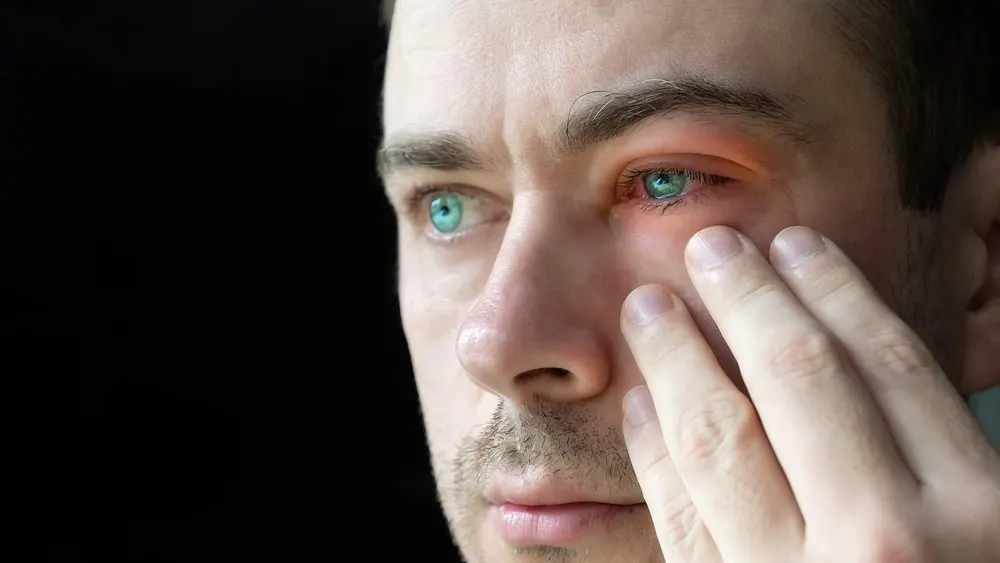
Blepharitis is a medical term used for irritated, swollen eyelids and is a common eye condition. It is a chronic condition but is not contagious. People with an existing skin condition and an oily skin type may be more likely to develop blepharitis.
What Is Blepharitis (Inflammation of the Eyelids)?
Blepharitis is a disease, also known as eyelid inflammation, that usually affects both eyes at the same time. It is a common eyelid problem characterized by redness and thickening of the eyelids and flaky crusting along the eyelids and eyelashes. It is commonly known as eye dandruff. Over time, a sticky plaque or biofilm forms along the eyelids. This can lead to eyelash loss, blocked glands, infections and other complications. The disease may be caused by bacteria, seasonal allergies, excessive makeup use, poor hygiene, conditions that cause scalp dandruff (seborrheic dermatitis), or skin disorders such as rosacea.
It is estimated that approximately 15-25% of the population is affected. It affects both men and women in general, but staphylococcal blepharitis, one type of the condition, affects women much more than men. Blepharitis may occur at the front of the eyelid (anterior blepharitis), causing inflammation at the base of the eyelashes, or at the back of the eyelid (posterior blepharitis), affecting the oil-producing glands inside the eyelid. Both types may develop at the same time. The following brief information can be given about the types of blepharitis:
Anterior blepharitis: Anterior blepharitis is also known as inflammation at the base of the eyelashes. It usually develops due to bacteria on the skin or dandruff from the scalp or eyebrows. Allergies or mites (small parasites) may also cause anterior blepharitis, but this is rare.
Posterior blepharitis: Posterior blepharitis is also known as inflammation of the inner eyelid. It develops when the oil glands of the eyelids become blocked. Common skin conditions such as rosacea and scalp dandruff may cause this type of blepharitis.
Staphylococcal blepharitis: It may cause the eyelashes to fall out or become misshapen.
Seborrheic blepharitis: It may cause greasy, dandruff-like flaking on the eyelids.
Ulcerative blepharitis: Peeling and bleeding may occur on the eyelids.
Meibomian blepharitis: It may affect the quality of tears.
What Are the Symptoms of Blepharitis (Inflammation of the Eyelids)?
Eyelid inflammation (blepharitis) may cause common symptoms such as a gritty, sand-in-the-eye feeling, dry eyes and crusting on the eyelids. Blepharitis can also cause more serious symptoms such as blurred vision and corneal damage. It may also cause cosmetic problems such as eyelash loss. Blepharitis symptoms can be listed in more detail as follows:
A feeling of something in the eye,
Burning or stinging in the eyes,
Watery, constantly running and itchy eyes,
Sensitivity to light (photophobia),
Red, swollen eyes and eyelids,
Tears that are foamy or contain small bubbles,
Dry eyes,
Crusting on the eyelids or eyelashes after waking up,
Blurred vision (usually corrected by blinking),
Conjunctivitis (chronic pink eye),
Stye,
Inflammation of the eyelids,
Eyelid sticking together,
Blinking more frequently,
Loss of eyelashes,
Eyelashes growing in the wrong direction,
Swelling of other parts of the eye, such as the cornea.
How Is Blepharitis (Inflammation of the Eyelids) Diagnosed?
Blepharitis is diagnosed during an eye examination. A special magnifying instrument may be used to examine the eyelids and eyes during the examination. If the doctor considers it necessary, a swab sample may be taken from the eyelid to check for infections and infestations such as bacteria or Demodex mites. This swab may also help identify potential allergens. An eyelid biopsy may also be performed to rule out skin cancer or abnormal cell growth. During this procedure, a cell sample is taken under local anesthesia, and the likelihood of leaving a scar after the procedure is low. A tear test and culture of discharge may also be used during the diagnostic process.
How Is Blepharitis (Inflammation of the Eyelids) Treated?
Although blepharitis cannot be permanently cured, symptoms can be easily managed by taking daily eyelid hygiene measures and using various medications. Consultation with other medical specialties, such as dermatology and rheumatology, may take place during blepharitis treatment. In rare cases, there may be underlying systemic conditions; examples include skin cancer, connective tissue disease and immunological conditions such as cicatricial conjunctivitis. Knowing the cause of blepharitis is necessary for applying the correct treatment protocol. If there is another underlying disease, that disease must be treated first. The following information can be given about the treatment of blepharitis:
Eyelid hygiene: The best way to treat blepharitis is to keep the eyelids clean and free of crusts. Water and a mild cleanser can be used to clean the eyelids and remove crusts. When cleaning the eyelids, the hands are thoroughly washed with soap and water, and lukewarm water is mixed with a mild cleanser such as baby shampoo. A clean, soft cloth or a cotton swab is dipped into the mixture of lukewarm water and cleanser. The cloth or cotton is gently pressed against the closed eye for a few minutes to loosen the crusts. This practice also helps prevent blockage of the oil glands. After the applications, the eye is rinsed with clean water, and the same steps are repeated on the other eye with a new cloth or cotton swab.
Cold or warm compresses: To help with eyelid inflammation, cold or warm compresses for 10 minutes may be applied several times a day.
Artificial tears: Dry eye often develops together with blepharitis. Preservative-free, sterile artificial tears may be used as recommended by a doctor.
Eye drops: Antibiotic and steroid medications, also commonly known as eyelid inflammation drops, may be prescribed. Although eye drop treatments for blepharitis are frequently preferred, they should not be used without a doctor's recommendation in order to reduce the risk of adverse drug interactions, side effects and other complications.
Treating underlying conditions: Blepharitis caused by seborrheic dermatitis, rosacea or other diseases can be controlled by treating the underlying disease.
Nutrition: The use of supplements containing essential fatty acids such as omega-3 may be recommended in the treatment of blepharitis because of their anti-inflammatory potential. However, before taking any supplement, a doctor's opinion should be obtained and the suitability of the supplement for the patient's treatment protocol should be evaluated.
Microblepharoexfoliation: With the help of a micro-sponge, the biofilm, crusts, bacterial colonies and Demodex that infest the eyelashes are gently exfoliated.
Intense pulsed light (IPL): Non-laser light energy is applied to the eyelid skin, which can clear blockages in the Meibomian glands, regulate oil secretion and reduce eyelid redness.
Thermal pulsation: Controlled thermal (heat) energy and pulsation are delivered gently to the eyelids from the inside out and from the outside in using special applicator devices. Heat energy can open blockages in the Meibomian glands and improve oil secretion.
Thermal expression: Controlled thermal (heat) energy is delivered to the Meibomian glands with a special tool applied manually to the eyelids. This procedure can also improve oil secretion.
What Should Be Considered After Blepharitis (Inflammation of the Eyelids) Treatment?
Recovery from blepharitis may take weeks or months. The disease may recur. Therefore, the most important point to pay attention to is always maintaining eyelid hygiene. Avoiding makeup around the eyes may be advisable to prevent infections and contamination. Viral or fungal infections, use of eye drops that have lost sterility or are past their expiry date, frequent makeup application or incomplete removal of makeup residue, various allergens, blockage of the oil glands at the eyelid margins, infestation by Demodex-like mites, skin problems such as eczema, psoriasis, rosacea and dandruff, and other oil gland disorders can cause infection. Using eyelid inflammation drops, applying cold or warm compresses, maintaining hygiene and using artificial tears may be beneficial. In addition, taking a break from contact lens use and makeup application may help eyelid inflammation. Generally, eye infections can heal within 7 to 14 days without treatment. However, treatment is necessary for chronic eye infections. Eye inflammation may resolve on its own in some cases. However, the healing process depends somewhat on the cause of the condition. Consulting a physician is necessary. The two terms are often used interchangeably. However, an infection refers to the invasion and multiplication of pathogens such as bacteria and viruses within the body, whereas inflammation is the protective response the body creates against infections. Blockage of the tear duct and oil glands, trauma, allergens, orbital cellulitis and many other causes can lead to swelling of one or both eyelids. Although symptoms such as swelling, pain and increased warmth in the eye area are signs of inflammation, the actual diagnosis is made after an examination by an eye doctor. There are many causes of swollen upper or lower eyelids. Most are not serious. Lower eyelid inflammation may develop due to allergies, infections, Graves' disease requiring long-term treatment, stye, conjunctivitis, eczema, herpes infection, shingles and blepharitis. Yes, eyelid inflammation can develop in babies. Blepharitis is especially at higher risk in babies with seborrheic dermatitis and in babies with dry eyes. Surgical procedures are generally not performed to treat inflammation. However, if inflammation has caused serious deformities, blepharoplasty (eyelid surgery) may be performed to correct these disorders. Blepharitis, with symptoms of swollen, red, itchy eyelids, is a disease that can negatively affect a person's quality of life and, in later stages, eye health. For this reason, it is extremely important that patients learn about controlling blepharitis and regularly use medications prescribed following a doctor's examination. If you think you are showing signs of blepharitis, it is recommended that you schedule an appointment with an eye doctor.
Start with the right assessment for What Is Blepharitis (Inflammation of the Eyelids)?
Share your symptoms with our specialist physicians; let us determine the right diagnosis and treatment plan together.
Warning
If your symptoms started suddenly, are progressing rapidly, or significantly restrict your daily life, consult a physician without delay.
Plan your What Is Blepharitis (Inflammation of the Eyelids)? journey with our specialists.
Fill in the form or book an appointment to learn about treatment options, the process and preparation.