



What is Lumbar Herniation, Its Symptoms, and Treatment Methods?
Lumbar herniation is a condition that arises from improper movements, damage to the vertebrae, or strain on the vertebrae due to difficult movements. This disease, which is frequently seen in society, can cause pain not only in the lower back but also in the hips and legs. In this regard, it is a factor that reduces the quality of life due to reasons such as pain and difficulty in movement.
What is Lumbar Herniation?
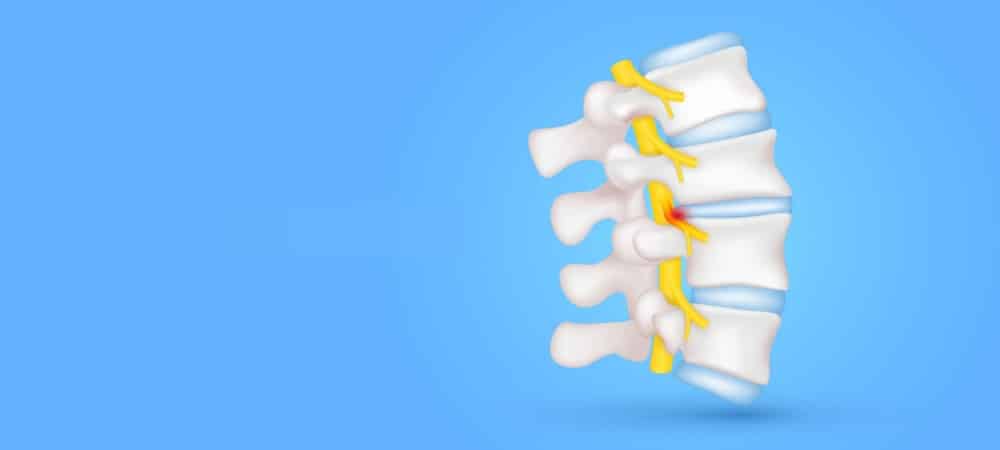
The skeletal system is the system that supports the human body and allows for upright posture. The skeletal system contains vertebrae stacked on top of each other, which protect the nervous system and are fundamental structures. Between these vertebrae are discs that facilitate movement. Conditions such as strain, falling, tearing, or slipping of these discs due to any damage can be defined as lumbar herniation. The nerves located between the vertebrae and discs can be damaged in the case of a hernia, which can lead to severe pain in the lower back. Additionally, the question of where lumbar herniation pain radiates is frequently asked. In addition to lower back pain, herniation can manifest as pain in the hips and legs.
In the initial stage of a lumbar herniation, an abrupt movement or lifting a load heavier than usual can lead to the leakage of the fluid that protects the discs between the vertebrae. This can manifest as severe pain.
Causes of Lumbar Herniation
Although lumbar herniation is generally known as a disease seen in middle age and older, it can also occur at a young age. From this perspective, many causes can be listed.
One of the causes may be genetic. Studies indicate that individuals with first-degree relatives who have lumbar herniation have a higher likelihood of developing this condition. Additionally, the loss of fluid from the bones, vertebrae, and discs due to aging leads to a decrease in elasticity, increasing the likelihood of disc degeneration. Therefore, the probability of developing this disease increases with age.
On the other hand, lifestyle is one of the fundamental causes of lumbar herniation. In this regard, continuous heavy lifting or remaining sedentary in a work environment can affect the health of the discs. Additionally, excess weight can put pressure on the vertebrae and damage the discs. Maintaining a healthy weight is crucial for preserving the health of the vertebrae and discs over time. Another lifestyle-related cause could be exercising without proper awareness. Moreover, incorrect or sudden movements can also cause problems. Smoking is also among the causes, as it negatively affects the nutrition of the discs, leading to fluid loss, which can result in herniation.
Considering all these causes, lifestyle holds a significant place in human health. Healthy eating, exercise, ideal weight, and a smoke-free life can reduce the risk of lumbar herniation.
What Should Individuals with Lumbar Herniation Pay Attention to in Daily Life?
Individuals with lumbar herniation should avoid sudden movements that strain the lower back in their daily lives. They should be cautious when lifting weights from the ground. It is essential not to lift very heavy objects. Maintaining an ideal weight range is important as it can trigger increased herniation. When bending down, one should bend their knees instead of bending at the waist. Orthopedic shoes and clothing should be preferred.
Symptoms of Lumbar Herniation
Lumbar herniation can be diagnosed through various symptoms. These symptoms can be listed as follows:
- Lower back pain
- Numbness or pain radiating from the lower back to the hips and legs
- Difficulty in movement and walking
- Increased pain with movement
- Weakness in the legs, feet, and ankles
- Inability to hold urine
- Loss of sexual function
If these symptoms are observed, one should consult a specialist doctor as soon as possible and begin treatment promptly.
Diagnosis Methods for Lumbar Herniation
If symptoms of lumbar herniation are present, one should first consult a doctor. You may be unsure which department to approach for lumbar herniation. It may be appropriate to initially consult the neurology department of hospitals. The first step in diagnosing the disease involves the specialist doctor taking a history regarding the individual’s lifestyle and conducting a physical examination. The physical examination helps determine the areas of pain, numbness, or loss of sensation. In the second stage, laboratory tests such as blood tests may be requested. Detailed imaging procedures such as X-rays, CT (Computed Tomography), MRI (Magnetic Resonance Imaging), and CT (Computed Tomography) can be used. Following all these evaluations, treatment procedures can begin for patients diagnosed with herniation between the discs.
After diagnosing lumbar herniation, the question of what should be done at the onset of lumbar herniation is frequently asked. Here, it is essential to follow the doctor’s recommendations to prevent further damage to the vertebrae, discs, and nerves. At this stage, a corset may also be recommended as a protective measure and to reduce pain.
Treatment Methods for Lumbar Herniation
There are many methods for treating individuals diagnosed with lumbar herniation. These can be explained as follows:
Non-Surgical Treatment Methods for Lumbar Herniation
When lower back pain is observed in society, the first approach is usually to alleviate the patient’s pain through physical applications. Non-surgical treatments for lumbar herniation may include manual therapy, hot-cold applications, dry needling, certain electrical stimulations, and ultrasonic applications. Additionally, some recommended movements and regular exercises can help reduce pain when combined with these treatments.
Traction and Stretching Method in Lumbar Herniation
The traction method, known in medical literature, must be performed by a specialist. This procedure can be done manually or using a traction device. If a device is used in this treatment method, traction is applied to the body to open the spaces between the vertebrae and relax the discs. This aims to reduce the patient’s complaints. The traction method is often preferred as it does not involve the risks associated with medication or surgery.
Medication Treatment for Lumbar Herniation
The primary medication used to reduce lower back pain is analgesic pain relievers. In cases where these pain relievers do not alleviate the pain, both analgesics and anti-inflammatory medications may be recommended by a doctor. These medications can be used to reduce both pain and the inflammation causing the pain. In cases of persistent and increasing lower back pain, corticosteroids may be prescribed by a doctor. The side effects of these medications should be considered. If there is a need to change medications for minimal side effects, attention should be paid to dietary interactions with the medications.
Spinal Injection Method in Lumbar Herniation Treatment
Spinal injection involves diagnosing the damaged disc causing lumbar herniation and applying an injection to that disc. Before the spinal injection procedure, the patient’s other medications are questioned to ensure they do not interact with the spinal injection and to check for any allergic conditions. The application may initially start with an anesthetic injection. The spinal injection is applied to the damaged disc. Afterward, side effects such as headaches, infections, or temporary increases in knee pain may occur. If problems increase, one may need to consult an emergency department. After a normally progressing spinal injection, care should be taken regarding exercises and sudden movements. To ensure the success of the treatment, it is crucial not to neglect follow-up appointments as determined by the doctor.
Surgical Treatment Methods for Lumbar Herniation
Lumbar herniation surgery is the last resort in the treatment of lumbar herniation. Surgical procedures may be preferred by specialists in cases where pain and complaints do not decrease with other treatment methods or even worsen. On the other hand, if the herniation affects the nerves, leading to a complete loss of bowel control, rapid surgical intervention may be necessary.
Patients may ask doctors about the risks of lumbar herniation surgery before the operation. As with any surgery, there is a risk of infections due to open wounds. However, the risk of paralysis due to nerve damage is very low, as modern technology allows for attention to even the smallest details using microscopes. The duration of the surgery varies from person to person but generally lasts between 40 minutes to 1 hour.
Laminectomy: The area where the vertebrae curve over each other, forming a lamina, is repaired at a microscopic level as one of the surgical treatment methods.
Artificial Disc Surgery: This surgical procedure is performed in cases of irreparable damage to the disc causing the herniation. In this procedure, the damaged disc is removed and replaced with an artificial disc made from a material compatible with the human body.
Spinal Fusion Surgery: Fusion means joining together. In this context, spinal fusion application in lumbar herniation treatment involves diagnosing the damaged disc and joining two vertebrae together. This procedure is performed using a bone fragment taken from the patient’s own body or a compatible piece with the human body. The goal of spinal fusion is to ensure that the fused vertebrae remain immobile, minimizing the patient’s complaints and facilitating easier movement.
Surgical procedures are performed in a sterile environment. The duration of the operation may vary depending on the individual and the type of procedure. The success targeted with surgical procedures used in the treatment of vertebrae may be negatively affected by bone diseases such as osteoporosis. Additionally, smoking has many adverse effects on surgical treatments. Therefore, it is strongly recommended to quit smoking after the procedure.
There are certain precautions to be taken during the post-operative process. These include not lifting weights exceeding 2 kilograms, avoiding sudden movements, continuing with healthy exercises that can be performed, maintaining a balanced and regular diet to keep the ideal weight, using orthopedic shoes, and avoiding smoking.
Exercises for Lumbar Herniation
- Trunk Rotation Exercise: Lie on your back with arms extended to both sides. Keep your legs together and bend at the knees. Rotate as far as you can to the right, then to the left, and stretch.
- Leg Stretching Movement: Lie flat on your back. Without lifting your head, use both hands to pull your right knee first, then your left knee, holding for a moment.
- Side Stretching Movement: Stand with legs slightly apart. Raise your right arm and lean to the left for a stretch. Then repeat the same for the left arm and hold for a moment.
- Crawling Position: Kneel with your lower knee touching the ground and your arms perpendicular to your body, as if you are about to crawl. It is important that your arms are perpendicular to your body and legs. First, raise your head while keeping your stomach down; then, for the second movement, lower your head while raising your stomach.
- Upright Movement: Lie on your back. Bend your knees so that the soles of your feet touch the ground. Then, extend your arms forward and rise from the lying position. Repeat this movement several times.
Before performing these exercises, be sure to consult your doctor or physiotherapist. Because exercises can be beneficial for lumbar herniation, but not every movement may be therapeutic for everyone.