



What is Transesophageal Echocardiography (TEE)? What diseases is it used for?
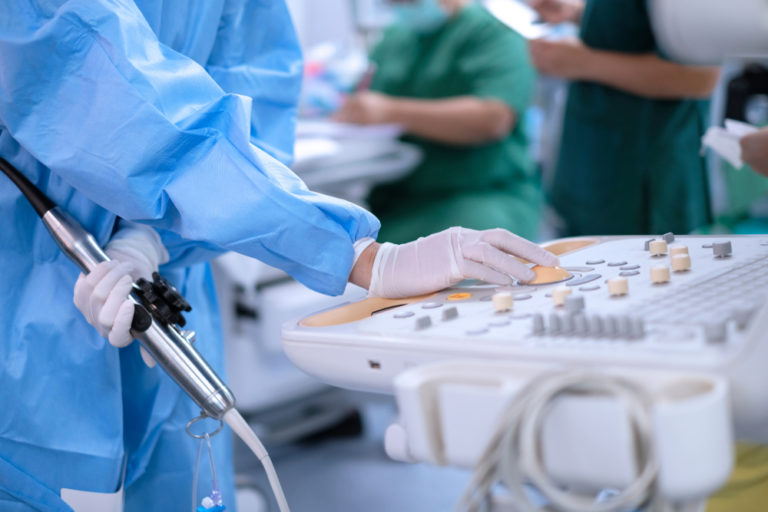
Transesophageal echocardiography (TEE) is a special type of echocardiography that produces images of the heart from inside the body rather than from outside. It is performed by a cardiologist with the assistance of a nurse and technician. During a TEE, a small, flexible tube is swallowed by the person, allowing visualization of the heart through the esophagus (the tube connecting the mouth and stomach) and providing diagnostic information that may not be possible from other angles. This test can help gather information not only about various heart conditions but also about acute problems such as aortic dissection (a tear in the main artery exiting the heart). It can be administered to patients in the operating room, intensive care unit, or hospital bed, and helps obtain extensive information about patients. It is important that individuals who require transesophageal echocardiography receive this service from qualified professionals in the field, as various complications can occur with TEE, as with any procedure.
What is Transesophageal Echocardiography (TEE)?
Transesophageal echocardiography is a test used to obtain images of the heart. It uses high-frequency sound waves, or ultrasound, to visualize the heart and its arteries. It is named transesophageal echocardiography because it involves a tube that progresses down from the mouth into the throat to create sound waves. This is because the esophagus is very close to the upper chambers of the heart, facilitating easy image acquisition. TEE helps examine the heart’s chambers, valves, and pericardium along with the coronary arteries.
The images obtained with TEE can be used to identify problems in the structure or function of the heart. TEE can provide clearer images of the upper chambers of the heart and heart valves than standard echocardiograms. It can also be used during the treatment of arrhythmias to check for blood clots. Procedures such as catheter ablation or electrical cardioversion can lead to blood clot formation, so it is examined whether a person needs a TEE procedure before these operations.
If a person’s chest wall is thick, if there are protective bandages on the chest, or if the person is obese, this method can easily be preferred over echocardiography. This imaging method is not only used to investigate heart health; it is also used during surgeries to visualize the interior if there is a tear in a heart valve or the aorta.
Since the esophagus is located behind the heart, it is easy to visualize the heart with transesophageal echocardiography. The parts of the heart that can be examined with TEE include:
- The left atrium, which is the upper chamber of the heart
- The left atrial appendage located in the left atrium
- The interatrial septum, the wall between the left and right atria
- The thoracic aorta, the part of the aorta that passes through the chest
Various types of echocardiography can be utilized during TEE. The simplest of these is M-mode echocardiography. This echocardiography is used for a more realistic examination of heart structures. It can also measure conditions such as the size of the heart and the thickness of the heart wall. For blood flow through the heart’s chambers and valves, Doppler echocardiography is preferred. This allows the measurement of blood volume and observation of any issues in the walls or valves. An advanced type of Doppler echocardiography is color Doppler. Color Doppler determines the direction of blood flow and facilitates interpretation. In addition to blood flow, it is possible to visualize the movement of heart structures in real-time with 2D echocardiography. This way, heart structures can be easily visualized. Besides 2D echocardiography, 3D echocardiography is also available, providing a more detailed view of heart structures.
Is TEE Dangerous?
TEE is not dangerous, but it does have some risks. These risks arise from the tube that progresses from the mouth to the esophagus. As a result, throat pain may occur after the test, but this is temporary. In some individuals, it may also cause temporary esophageal bleeding. Additionally, respiratory problems, heart rhythm issues, or bleeding may rarely occur.
What Diseases is Transesophageal Echocardiography (TEE) Used For?
Transesophageal echocardiography can be performed for many reasons. It may be necessary when a transthoracic echocardiography (TTE) is insufficient, but better or more detailed visualization of the heart is needed, or if a surgery or procedure is performed.
Transesophageal echocardiography provides a detailed view of the structure and function of the heart. Individuals with atrial fibrillation have a higher risk of clot formation in their atria (upper heart chambers). It is effective in examining conditions such as cardiac tumors (both malignant and benign), heart valve disease including mitral valve disease, infective endocarditis, and other infections affecting heart tissue or valves, as well as pericardial diseases affecting the sac surrounding the heart.
TEE can assist in investigating life-threatening medical conditions. In some critical situations, doctors may use TEE before using TTE. This is applied in cases of hemodynamic instability (issues related to blood pressure and blood flow) without a clear reason, hypotension (low blood pressure), and hypoxia (low oxygen). Doctors also use TEE to check for blood clots before certain procedures that treat arrhythmias. Diseases for which transesophageal echocardiography is used include:
- Atherosclerosis: Blockage of arteries due to blood fats or other particles.
- Cardiomyopathy: Enlargement of the heart due to thickening or weakening of the heart muscle.
- Congenital heart disease: TEE can be used to examine congenital heart defects.
- Heart failure: Inefficient pumping of blood due to weakening of the heart muscle and fluid accumulation in the body.
- Aneurysm: Weakening and swelling of the heart muscle or aorta.
- Heart valve diseases: Damage to heart valves that can obstruct blood flow within the heart or cause blood to flow back into the heart.
- Heart tumor: Tumors occurring on the outer surface or parts of the heart.
- Pericarditis: Inflammation occurring in the sac surrounding the heart.
- Infective endocarditis: Infections occurring in the heart valve.
- Aortic dissection: A tear in the wall of the aorta.
How is TEE Performed?
Before TEE, the individual should inform the doctor if they have conditions such as gastritis, swallowing problems, stomach cancer, sleep apnea, GERD (gastroesophageal reflux disease), or esophageal cancer. For TEE, the person receives a sedative medication in the hospital. After this medication, the procedure can take about 30-60 minutes. Metal discs are placed on the person’s chest. These discs, called electrodes, are connected to an EKG machine with cables. A thin tube is directed down from the mouth by the doctor to emit sound waves. Sound waves are directed to the end of this probe, and the returning echoes are collected by the device. The collected echoes are formed as images on the screen. A copy of the obtained image is taken, and the heart is visualized. The steps of the TEE procedure are as follows:
- The person is dressed in a hospital gown.
- Electrodes are placed on the person’s chest.
- A pulse oximeter is placed on the finger to check the oxygen level.
- A sedative is given intravenously. Additionally, a local anesthetic is injected or sprayed into the throat.
- In some cases, a nasal tube is placed in the nose for oxygen.
- During the examination, the person is asked to lie on their left side.
- An endoscope is placed through the mouth. This tube is swallowed by the person and advanced into the esophagus.
- After imaging, the tube is removed again.
Will the Patient be Sedated During the Procedure?
Before the procedure, an anesthetic substance is given to numb the person’s throat, as the tube extended from the mouth may cause discomfort. Generally, a TEE requires only local anesthesia and moderate sedation. Additionally, medication will be given intravenously to help the person relax. Most people do not need general anesthesia (deep sleep). Moderate sedation should make the person drowsy and allow them to tolerate the procedure without significant discomfort. Staff continuously monitor for signs of discomfort and decide whether the person needs more sedation.
What to Consider After the Procedure
After imaging, the person may be asked to rest in the hospital until their heart rate and blood pressure return to normal. They will be allowed to be discharged once their reflexes return. After the procedure, a slight numbness in the throat may be experienced. Nothing should be consumed until this numbness passes. It is also normal to experience swallowing problems for a while after the test. These issues usually return to normal within a few hours. The following should be considered after the procedure:
- Food and fluid should not be consumed until throat numbness passes.
- Alcohol should not be consumed, and driving should not be done for 24 hours.
- Plenty of water should be consumed for 1-2 days.
- Prescribed antibiotics and medications should be used as directed by the doctor.
- Smoking should not be done for 24 hours.
If any of the following conditions occur, a healthcare institution should be contacted as soon as possible:
- Shortness of breath
- Fatigue
- Dizziness
- Loss of consciousness
- Skin color changes
If TEE is to be used as a method for examining the heart and its chambers, it is important to proceed with a qualified team. If the person has heart problems, they must consult a specialized healthcare institution. The decision to perform TEE is made by doctors at the healthcare institution. It is also important to follow the recommendations given by the doctor if the TEE procedure was performed and to use the prescribed medications. In case of an emergency or unexpected situation, contact with a healthcare institution should be established.