



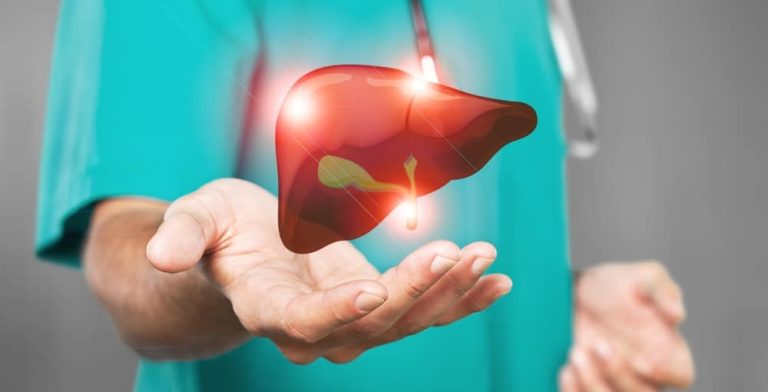
The gallbladder is a small, hollow organ of the digestive system located beneath the liver. It is responsible for storing bile, which is produced by the liver and plays a role in the digestion and absorption of fats. Although it has its functions, the gallbladder is not an organ that is absolutely necessary for the continuation of life. Therefore, when any problem arises related to the gallbladder, its removal can be an easy and safe solution. This surgery, in which the gallbladder is removed, is called cholecystectomy and is a commonly performed procedure.
The operation to remove the gallbladder is usually performed when there are painful gallstones. These stones form in the gallbladder as a result of various imbalances in the salts that make up bile. Gallstones typically do not cause any discomfort. However, sometimes they can block the flow of bile in the duct that allows bile to pass into the duodenum, a part of the small intestine. The resulting blockage can lead to acute cholecystitis in the gallbladder and acute pancreatitis in the pancreas. The most effective method for treating these diseases is the removal of the gallbladder.
What is the Function of the Gallbladder in the Body?
The gallbladder is located in the upper right quadrant of the abdomen. It is a hollow organ that stores bile in the body and releases it when needed. The gallbladder, located beneath the liver, stores a substance called bile produced by the liver. The bile produced in the liver is concentrated much more and collected in the gallbladder. The bile in the gallbladder is 3 to 10 times more concentrated than when it is produced in the liver and is released into the duodenum (the first part of the small intestine).
Bile helps in the digestion of fats taken into the body. Bile consists of bile salts and water. It plays a role in the absorption of partially digested fats and also helps in the removal of a substance called bilirubin that needs to be eliminated from the body.
In Which Situations is Gallbladder Surgery Decided?
If the problem in the gallbladder is significant, the removal of the gallbladder is considered a good solution. This surgery is called cholecystectomy. The most common reason for cholecystectomy, or gallbladder surgery, is gallstones. Gallstones are deposits found in the gallbladder that resemble small pebbles. They typically arise from bile by-products called cholesterol or bilirubin. Bile fluid normally plays a role in breaking down these substances; however, due to imbalances in the bile salts that make up bile, it may not be able to perform its function.
People generally do not feel that they have gallstones, so they may not be aware that they have stones in their gallbladder. However, sometimes gallstones can cause complete or partial blockages in the duct that allows bile to reach the small intestine. This situation obstructs the flow of bile in the body and can cause damage to the pancreas or gallbladder. Pancreatitis (inflammation of the pancreas) and cholecystitis (inflammation of the gallbladder) can occur. These diseases can cause symptoms such as:
- Abdominal pain, especially in the upper right part of the abdomen,
- Jaundice (yellowing of the skin or the whites of the eyes),
- Nausea,
While medications may help with problems caused by gallstones, their effects have not been scientifically proven. If you are suffering from issues related to gallstones, your specialist may recommend gallbladder surgery. If gallstones are present but do not cause any symptoms, you may not need surgical treatment depending on your overall health condition.
If you are wondering whether you need gallbladder surgery, you might consider consulting a healthcare institution.
What Types of Gallbladder Surgery are There?
There are two main methods preferred for the surgical removal of the gallbladder. These are called laparoscopic cholecystectomy (keyhole gallbladder surgery) and open cholecystectomy.
In laparoscopic surgery, the surgeon makes several small incisions in the patient’s abdomen and uses thin surgical instruments to access and remove the gallbladder. In open surgery, the surgeon performs the operation by making a larger single incision in the abdomen to access and remove the gallbladder.
Laparoscopy is the most commonly used method because the patient is discharged early and can recover faster. Additionally, it leaves much smaller scars compared to open surgery, allowing the patient to return to daily life more quickly. General anesthesia is used in both surgical methods. In surgeries performed under general anesthesia, the patient is asleep and does not feel any pain during the operation.
How is Recovery After Gallbladder Surgery?
Cholecystectomy is a frequently performed surgery with a high success rate and a short recovery period. When the gallbladder operation is performed laparoscopically, recovery usually does not take long. Patients are often discharged on the same day or the next morning. The return to normal activities and daily life takes about two weeks.
The recovery process after open surgical operations takes longer. The patient may need to stay in the hospital for 3 to 5 days before being discharged. The return to daily life takes between 6 to 8 weeks (2).
Are There Any Side Effects of Gallbladder Removal on the Body?
People can lead a normal life without a gallbladder. Since the function of the gallbladder is not to produce bile but to store it, the liver continues to produce bile. Bile, which plays a role in the digestion of fatty foods, now drips continuously into the digestive system without being stored due to the absence of the gallbladder.
Before the surgery, your specialist may have recommended a special diet for you. However, this is a diet that needs to be followed for the operation, and there is no need to continue it after the surgery. Instead of following a special diet, it would be healthier to aim for a generally balanced and healthy diet.
Some patients may experience issues such as bloating or diarrhea after the surgery. This situation usually resolves within a few weeks.
You may notice that certain foods or drinks you consume after gallbladder surgery trigger these symptoms. Avoiding these foods in the future may help prevent these issues.
Still, if you feel different discomforts after the surgery or have questions about your diet, you may consider consulting your specialist.
Frequently Asked Questions About Gallbladder Surgery
The operation to remove the gallbladder is performed quite frequently. Therefore, this operation concerns many people closely. Questions about the surgery and post-operative care are among the most frequently asked questions. If you have questions, you can find frequently asked questions and their answers in the continuation of the article.
What should be considered after gallbladder surgery?
Cholecystectomy, when performed in a well-equipped hospital using the latest surgical products, significantly reduces the risk of infection that may occur afterward. However, as with any surgery, it can be beneficial to be vigilant against infections that may occur afterward. If you see one or more of the following symptoms, it may be good to consult your specialist:
- Drainage or redness at the surgical site,
- Fever of 38 degrees or higher,
- Pale stools or dark urine,
- Persistent nausea or vomiting,
- Severe or progressively increasing pain
- Persistent swelling.
These symptoms are not normally expected after surgery. Unexpected symptoms may indicate a condition that requires emergency intervention, so you may consider going to the hospital when you notice these symptoms.
How should nutrition be after gallbladder surgery?
The gallbladder is not a vital organ. It helps in the digestion and absorption of fatty foods in the digestive system. It would not be good to consume fatty and fried foods immediately after the gallbladder is removed. To prevent potential issues, the calories from fat should not make up more than 30% of your daily diet after the surgery. In the weeks following the surgery, you can gradually start adding high-fiber foods to your diet. Whole grains, nuts, oily seeds, and vegetables can cause severe bloating or gas if consumed too quickly.
Why does jaundice occur after gallbladder surgery?
One of the complications that can be seen after surgery is jaundice, which appears on the skin and the whites of the eyes. If a stone remains in the bile duct after gallbladder removal surgery, it can lead to severe pain or jaundice. A complete blockage that may occur in the bile duct can cause infection. If you notice jaundice on your skin or in the whites of your eyes after the surgery, it would be good to consult your specialist. Other symptoms that may require you to visit a healthcare institution after the surgery include:
- Drainage or redness at the surgical site,
- Fever of 38 degrees or higher,
- Pale stools or dark urine,
- Persistent nausea or vomiting,
- Severe pain,
- Progressively increasing pain
- Persistent swelling.
How long does gallbladder surgery take?
The surgery, which is generally safe, is also a short procedure. The operation typically lasts between 45 minutes to 1 hour.
What is the length of hospital stay for gallbladder surgery?
In cases where the surgery is performed laparoscopically (using the keyhole method without opening the patient), the patient can be discharged on the same day or the next morning. If performed as open surgery, the length of hospital stay will be longer. Due to this and other advantages, laparoscopic surgery is often preferred. With a patient satisfaction rate of over 95%, you may consider consulting your specialist for any questions regarding this surgery. The surgical team at Hisar Hospital performs laparoscopic cholecystectomy (closed gallbladder surgery) with their experience in the field.