



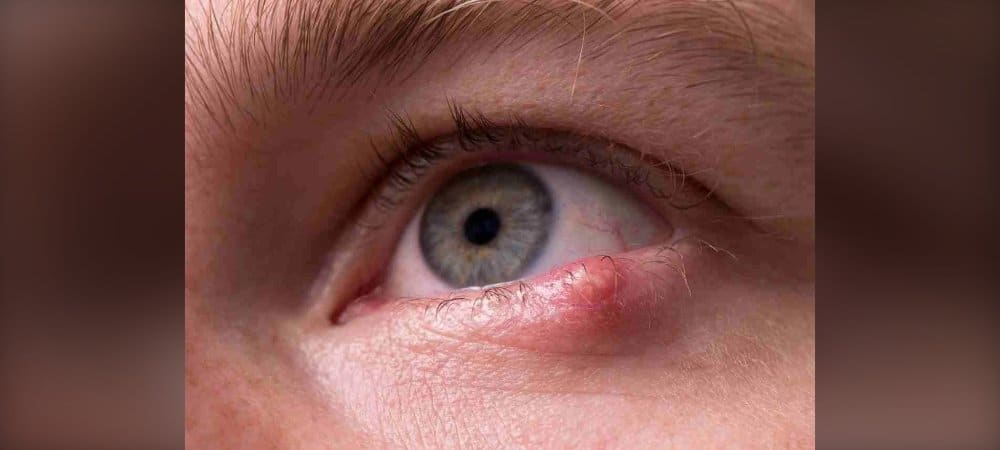
Chalazion is a condition that develops as a result of blockage of the oil glands in the eyelid, and it is the most common type of cyst among eyelid cysts. It is particularly noted as a more frequent issue in adults aged 30-50. You can find answers to your questions such as how chalazion forms in the eye, what are the symptoms of chalazion, and what causes chalazion in this article. We also provide detailed information about chalazion treatment and surgical processes.
What is Chalazion (Eyelid Cyst)?
When you notice a round and firm mass on your eyelid, you are likely facing chalazion. This mass occurs due to the blockage, swelling, or inflammation of the ducts of the meibomian oil glands located at the roots of the eyelashes. Chalazion is also referred to as eyelid cyst or meibomian cyst.
This condition usually proceeds without pain. It may cause redness and swelling of the eyelid. Chalazion affects the upper eyelids more than the lower eyelids due to the higher number of meibomian glands in the upper eyelids. Therefore, you may see this issue more frequently in the upper eyelid.
It occurs equally in both men and women. However, it is more commonly seen in adults than in children. There is a risk of recurrence after treatment.
Differences Between Chalazion and Stye
Chalazion is often confused with stye. Stye, also known as hordeolum, refers to small, red, and painful lumps that grow at the base of the eyelashes or on the lower part of the eyelid. It usually arises from a bacterial eye infection.
The most fundamental difference between stye and chalazion is pain. Styes are mostly painful swellings, while chalazion lumps resemble painless oil glands. Chalazion cysts are not a bacterial infection.
The fundamental differences between the two conditions can be summarized as follows:
- Pain condition: There is usually no pain in chalazion. On the contrary, stye causes pain and swelling in the eye.
- Location: Chalazion is seen further back on the eyelid. Stye usually occurs at the edge of the eyelid.
- Cause of formation: Chalazion arises from a blocked oil gland in the eyelid. Stye results from infection of the eyelash root.
- Affected area: Swelling of the entire eyelid is rarely seen in chalazion. Stye can affect the entire eyelid.
How Does Chalazion Form in the Eye?
Meibomian glands are present in the upper and lower eyelids to keep your eyes moist and protected. These glands produce an oil that mixes with tears. Meibomian glands help keep the eyes wet and moist.
Sometimes, this oil thickens or becomes inflamed, leading to blockage. The blockage in the ducts of the gland results in the oil accumulating in the eyelid, causing a cyst. The insides of these swellings in the eye are usually filled with oil accumulations that cannot drain due to the blockage or inflammation left from infections.
Chalazion structures can occur on the inner or outer part of the eyelid. Most chalazion cases do not last more than a few weeks and heal spontaneously without any treatment.
What are the Symptoms of Chalazion?
Symptoms usually develop slowly and appear in a specific area. This condition does not start suddenly; it is noticed over time. You will begin to see small changes in your eyelid.
Swelling and Redness on the Eyelid
A small, round, and firm swelling on your eyelid is the most prominent sign. It presents itself as a cystic formation the size of a chickpea. It can be felt as a lump on the inner part or edge of the eyelid.
Mild redness may accompany it. There may be no redness or it may be very mild. You may notice slight color changes around the eyelid. However, this redness is not as pronounced as in stye.
There may be slight sensitivity or discomfort. Pain is usually not felt. It is a painless swelling. You may feel slight discomfort when you touch it. Sometimes, a feeling of heaviness may occur on the eyelid.
Tearing and Irritation in the Eye
Tearing in the eye is among the symptoms of chalazion. The cyst on the eyelid may affect your tear production. Therefore, you may see excessive tearing in your eyes.
You may experience a feeling of irritation in the eye. There may be pressure and stinging sensations in the eyeball. Sensitivity to light may develop. You may feel discomfort in bright environments.
Crusting may be seen on the eyelid. There may be discomfort when blinking. You may notice slight friction every time you blink.
Blurred Vision
Blurred vision occurs rarely. Blurred vision appears in larger chalazia. Small cysts usually do not affect your vision. Therefore, the size of the cyst plays a determining role in the quality of vision.
If the swelling does not go away for a long time and you start to experience vision loss or blurriness, you should be cautious. This situation indicates that the cyst is putting pressure on the eyeball. Additionally, the cyst may press on your cornea, reducing your visual clarity.
Symptoms Seen in Case of Infection
In case of infection, there may be pain. Chalazion is normally painless, but pain begins when it becomes infected. If there is excessive pain in the eye, discharge, or widespread redness, an infection may have developed.
The eyelid becomes swollen and sensitive to touch. There may be pus formation at the tip. A yellow head appearance is a sign of infection. Not every eyelid swelling is an infection, but you should evaluate if you see these symptoms.
What Causes Chalazion and Who Does It Occur In?
The answer to the question of what causes chalazion in the eye is directly related to the functioning of the oil glands in your eyelid. Various factors can disrupt the normal functioning of these glands.
Blockage of Oil Glands
Blockages in the glands in the eyes are the most common cause of chalazion. The blockage in the ducts of the gland results in the oil accumulating in the eyelid, causing a cyst. Chalazion occurs as a result of blockage of these oil glands or thickening of the oil.
Oily skin structure prepares the ground for blockages. When your glands produce excessive oil, the ducts can easily become blocked. Similarly, insufficient eye hygiene can lead to blockage.
Touching your eyelids with dirty hands poses a risk. Habits such as using old or unhealthy makeup products and not removing eye makeup trigger blockages. Those who wear lenses should be especially careful about cleanliness.
Diseases that Cause Chalazion
Inflammatory eye diseases and disorders affecting the skin or eyes can lead to the development of chalazion. Health problems such as seborrheic dermatitis, acne rosacea, and chronic blepharitis can cause recurring or long-lasting chalazia.
Rosacea is a skin disorder that occurs on your face. While it causes many inflammations on the face, the effects of this disease can also spread to the eyelid. It is seen more frequently in individuals with fair skin.
Seborrheic dermatitis is a disorder that occurs on the scalp. Since this condition affects the face, eyelids, and ears, it can cause blockages in these areas. It shows flaking and scaling.
Viral infections can significantly weaken your immune system. In this case, many parts of your body are negatively affected. Decreased immunity facilitates the formation of eyelid inflammation and cysts. Viral conjunctivitis increases the risk of chalazion.
Tuberculosis is a bacterial infection that affects the lungs. It can cause various disorders in the body, including the eyelid. Diabetes and other chronic diseases also prepare the ground for the development of chalazion.
Risk Factors and Risk Groups
Chalazion can occur regardless of gender. It occurs equally in men and women. However, age plays a determining role.
It is generally more frequently seen in adults aged 30-50. It is more common in adults than in children [134]. In older ages, gland functions decrease.
Those with blepharitis are at high risk. Those who have previously had styes should be cautious. Individuals with skin diseases such as seborrheic dermatitis are at higher risk for chalazion. Those with diabetes and other medical issues are also at risk.
Those who have recurrent eye infections may develop chalazion. Those who experience chronic eyelid inflammation should be particularly careful. Hormonal changes, especially in women, can be triggering. Stress and fatigue can also negatively affect the functioning of your glands.
There is a risk of recurrence after chalazion treatment [134]. Therefore, it is important to address the underlying causes.
How is Chalazion Diagnosed?
If you notice swelling on your eyelid, you should consult an eye doctor. Chalazion diagnosis can usually be made as a result of clinical evaluation. The diagnosis process is quite simple, and in most cases, a visual examination is sufficient.
Clinical Examination and Evaluation
Your doctor will first ask questions about your medical history and symptoms. During this evaluation phase, the symptoms you experience are listened to in detail. It is learned whether you have had an eye infection in the past.
Determining how long the current swelling has been present is very important for the treatment approach. Information is also gathered on whether it causes pain or visual disturbances. Your doctor may ask about your symptoms, previous eye disorders, allergies, medications you are taking, and other health issues.
During the physical examination, the location of the swelling and cyst is checked. The diagnosis is made through eye examination and clinical findings. The physician, who examines the eye under bright light, can easily determine whether this mass in the eye is an infection-related stye or chalazion.
Eyelid Examination
During the examination, the eyelids are carefully examined. When the swelling in question is examined in detail under light by eye doctors, the diagnosis of chalazion can be easily made. The eyelid and the surface of the eye are examined.
The size, firmness, and location of the cyst are evaluated. It is also checked whether there are any signs of redness, sensitivity, or inflammation in the skin of the eyelid. The physical eye examination allows for the differentiation of chalazion from stye.
Using a special tool called an ophthalmoscope, the doctor can examine the internal structure of the eyelid and the surface of the eye. This examination can be useful for assessing how the cyst has affected the inner part of the eyelid and whether there are any changes in other structures of the eye.
For large or unusual cysts, ultrasound may be applied. In rare cases, especially when more information is needed about the structure of the cyst or in cysts that do not respond to treatment, the doctor may resort to advanced imaging methods. Imaging techniques such as ultrasound or MRI can show the internal structure of the cyst and its relationship with surrounding tissues in more detail.
Tests Conducted in Case of Recurrent Chalazion
If chalazion occurs multiple times, further eye disease investigations are continued. Treating underlying eye disorders such as blepharitis and meibomian gland dysfunction may prevent the recurrence of chalazion.
In rare cases, a biopsy may be performed to determine whether the cyst is a sign of a cancerous tumor or another serious condition. The size of chalazion may also be large enough to require immediate intervention. Therefore, a comprehensive evaluation is necessary.
How is Chalazion Treated?
The treatment approach varies depending on the size of the cyst and the severity of your symptoms. In most cases, simple home methods are sufficient. Chalazion is generally a health problem that can resolve on its own. The chance of recovery is about 60-70%.
Home Treatment Methods
In some cases, it may resolve spontaneously without any treatment. It is important to pay attention to eye hygiene.
Avoid wearing eye makeup. Do not apply eye makeup or use contact lenses until healed. Stay away from touching your eyes with dirty hands. You can use eyelid cleansers for daily eye cleaning.
Over-the-counter medications can also be used. You can try ointments, solutions, or medicated pads. However, be sure to consult your doctor before using these products.
Warm Compress and Massage Techniques
Applying a warm compress is a frequently recommended care method in the treatment of chalazion. Apply a warm and moist compress to your eye 3 to 6 times a day. This usually helps chalazion heal faster.
This is applied by soaking a clean cloth in warm water and holding it on the affected eye for about 15 minutes. When applied several times a day, this method can generally yield effective results without causing any side effects. The compress can also help open the blocked duct, allowing the inflammation to drain and start healing.
The massage technique may also be recommended by the doctor. The massage should be done gently immediately after applying the warm compress. Chalazion massage is done by applying light pressure with fingers on the cyst. Otherwise, this application may harm the cornea.
Medication Treatment and Eye Drops
In the treatment of chalazion, ointments, drops, and medications containing antibiotics may not be necessary. These treatment methods may be used if chalazion becomes infected. If it does not heal with home treatment, you should consult your doctor. In this case, you may need to use a prescription antibiotic eye ointment or eye drops.
In medication treatment, corticosteroid injections may be applied. Treatment can be provided by injecting a corticosteroid into the mass. These types of medications may help reduce chalazion. However, this treatment method may not be effective for every patient.
What is Chalazion Surgery and How is it Performed?
In cases where medication and injection treatment are insufficient, surgical intervention is required. Chalazion surgery is the process of completely draining the contents and capsule of the cyst through a small incision of 2-3 millimeters made from the inner surface of the eyelid. Since there is no intervention to the outer skin, stitches are not applied, and the area heals quickly without leaving any surgical scars.
Surgeries performed under local anesthesia do not require hospitalization. The operation itself is completed in an average of 15 to 20 minutes for a single mass. The surgery is usually performed under local anesthesia, ensuring that the patient does not feel pain during the procedure.
Post-Surgery Recovery Process
The post-surgery process is quite fast. The eye usually remains bandaged for the first 24 hours. There may be slight redness and swelling on the eyelid after surgery. This condition may last for about 1 week.
Antibiotic drops prescribed by your doctor should be used regularly to prevent the risk of infection. Warm compresses starting 3 days after surgery help prevent blockages in other glands. Makeup prohibition should be observed for about 1 week until the eyelid tissue heals completely.
The surgical incision usually heals within about 7 to 10 days. The complete healing process generally takes 1-2 weeks.
Frequently Asked Questions About Chalazion
When you see swelling on your eyelid, many questions may come to your mind. You can find the most common questions and their answers here.
Does Chalazion Resolve on Its Own?
Yes, most chalazion cases heal on their own. They usually disappear within a few weeks. Applying a warm compress can speed up this process. However, in some cases, medical intervention may be necessary.
Is Chalazion Contagious?
No, chalazion is definitely not contagious. It arises from the blockage of the oil gland. Therefore, it does not spread to other people. Unlike stye, it is not infection-related.
How Long Does Chalazion Last?
Small chalazia can resolve within 2-4 weeks. Larger cysts may persist longer. When treatment is applied, the healing process speeds up. Sometimes cases can last for months.
Is Chalazion Surgery Painful?
The surgery is performed under local anesthesia. Therefore, you will not feel pain during the procedure. There may be slight discomfort after the operation. However, it can be controlled with painkillers.
Does Chalazion Recur?
Yes, chalazion can recur. The risk increases, especially if there is an underlying disease. It is important to pay attention to eye hygiene. Regular eyelid cleaning can help prevent recurrence.
Are Chalazion and Stye the Same Thing?
No, they are different conditions. Chalazion is painless and not infection-related. Stye is painful and occurs as a result of bacterial infection. Additionally, chalazion is seen further back on the eyelid, while stye is seen at the edge.
Is Antibiotic Necessary in Chalazion Treatment?
Generally, antibiotics are not needed. They are only used in infected chalazia. In most cases, warm compress is sufficient. Your doctor may prescribe antibiotics if deemed necessary.
In Summary, Chalazion
Chalazion is not a serious issue that threatens your eye health. Most cases heal spontaneously within a few weeks. Therefore, you can solve the problem with warm compress applications at home and regular eye hygiene.
However, if your swelling does not go away or if you experience vision problems, be sure to consult an eye doctor. Your doctor will determine the appropriate treatment methods for your condition. If necessary, recovery can be achieved quickly with medication treatment or a simple surgery.
If you are experiencing recurrent chalazion, investigate the underlying causes. Regular eyelid cleaning and healthy lifestyle habits can help prevent recurrence.
Chalazion is a cyst that occurs due to blockage of the oil glands in the eyelid. Read our article for detailed information about its symptoms, diagnosis, and treatment methods.