



What is Laryngeal Cancer? What are its Symptoms? How is Diagnosis and Treatment Performed?
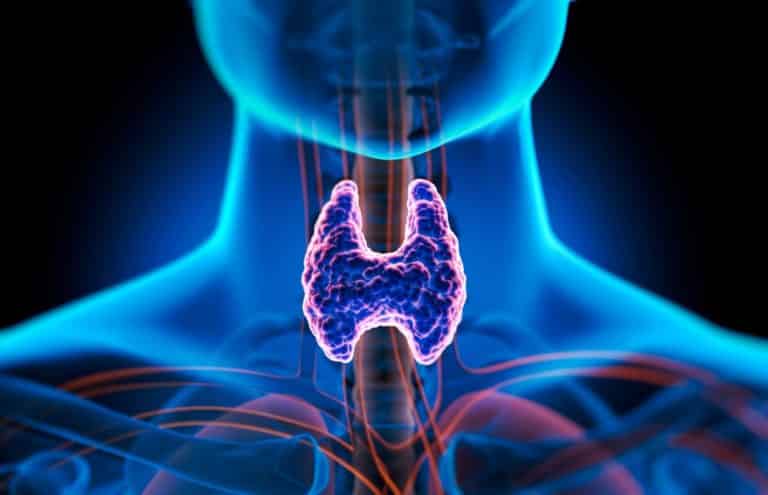
The larynx is an organ located above the trachea in the neck area. It plays an important role in helping you breathe and speak. All cancers that occur in different parts of the larynx are referred to as laryngeal cancer. Although most laryngeal cancers have the same cell structure, more specific terms are used to distinguish the part where the cancer occurs. Laryngeal cancer usually occurs in the area where the vocal cords are or in the middle part of the throat. It is more commonly seen in men than in women. The most prominent symptoms of laryngeal cancer are hoarseness and throat pain, but it is advisable to see a healthcare professional for a clear diagnosis and to start treatment. Surgical operation is usually performed in the treatment of laryngeal cancer, but treatment methods such as radiotherapy and chemotherapy may also be preferred depending on the condition of your disease. In this article, you can learn in detail about the causes, symptoms, types, and treatment methods of laryngeal cancer.
What is Laryngeal Cancer?
Cancer occurs as a result of the disruption of cellular activity due to the uncontrolled proliferation of normal cells. Laryngeal cancer is defined as the occurrence of cancer in any part of the larynx. Excessive consumption of tobacco and alcohol significantly increases the risk of laryngeal cancer. Other factors that increase the risk of laryngeal cancer include unhealthy eating habits, poor oral hygiene, viral infections such as human papillomavirus (HPV) and Epstein-Barr virus, gastroesophageal reflux disease, exposure to toxic substances in the workplace, and vitamin deficiencies. Different terms are used to distinguish the part where the cancer originates. The types of laryngeal cancer are as follows:
- Nasopharyngeal cancer: The nasopharynx is the upper part of the throat and the area behind the nose. Cancer occurring in this area is called nasopharyngeal cancer. It is a rare type of cancer.
- Oropharyngeal cancer: The oropharynx is the part of your throat that includes the tonsils, located just behind your mouth. Cancer occurring in this area is referred to as oropharyngeal cancer.
- Hypopharyngeal cancer: This type of cancer occurs in the hypopharynx, located in the lower part of your throat, above the esophagus and trachea.
- Glottic cancer: The glottic part of the larynx contains the vocal cords. Your voice is produced in this area. Cancer occurring in this part is called glottic cancer.
- Supraglottic cancer: The area above the vocal cords, known as the supraglottic region, is referred to as supraglottic cancer when cancer occurs here. Since the cancer occurs in the upper larynx, it may affect the epiglottis, a cartilage that prevents food from entering the trachea. It accounts for approximately 35% of all laryngeal cancers.
- Subglottic cancer: The area below the vocal cords, known as the subglottic region, is referred to as subglottic cancer when cancer occurs here. It accounts for approximately 5% of all laryngeal cancers.
What are the Symptoms of Laryngeal Cancer?
If you are experiencing the following symptoms of laryngeal cancer, it is advisable to see a healthcare professional. Some known symptoms of laryngeal cancer include:
- Changes in voice such as hoarseness or inability to speak clearly.
- Pain or difficulty swallowing.
- A lump or swelling in your neck that does not go away.
- Unexplained weight loss.
- Persistent cough or shortness of breath.
- Persistent throat or ear pain.
- Wheezing when breathing.
- Difficulty breathing.
- Nosebleeds.
- Headaches.
- Ulcers in the throat and persistent bad breath.
- Jaw stiffness.
How is Laryngeal Cancer Diagnosed?
If you suspect laryngeal cancer and have experienced hoarseness for more than 3 weeks, you can see an ear, nose, and throat doctor for initial diagnosis and treatment. Your doctor will first perform a physical examination to inspect the inside of your neck. Your doctor may also need imaging tests such as biopsy and PET-CT (computed tomography) to make an accurate diagnosis. The tests used to diagnose laryngeal cancer include:
- Physical examination: Your doctor will ask about your symptoms and activities that may increase the risk of laryngeal cancer. They will also perform a physical examination to check for any abnormal signs, such as sores in your mouth or swollen lymph nodes in your neck. Laryngoscopy: Your doctor may use a laryngoscope to examine your throat in more detail. A laryngoscope is a tool that consists of a thin tube with a light and lens that helps visualize the back of the throat.
- Pharyngoscopy: Your doctor performs this test to diagnose oropharyngeal cancer. No special preparation is required for pharyngoscopy. Your doctor uses a disposable wooden or plastic spatula to press down your tongue. After pressing down, they use a mirror about 5-10 mm in size to examine your mouth.
- Computed tomography (CT) scan: The CT scan is a medical imaging method used to diagnose many diseases, including cancer. Your doctor may use this test to diagnose oropharyngeal cancer.
- Magnetic resonance imaging (MRI) scan: This test uses radio waves, strong magnets, and a computer to create detailed images of your throat.
- Positron emission tomography (PET) scan: A PET scan is performed to identify tumors in cancer patients and check whether the cancer has spread. A three-dimensional image of the scanned area is obtained.
- Endoscopic biopsy: Your doctor may perform an endoscopy to obtain a tissue sample. Endoscopy is a procedure that uses a tool with a small camera at the end to visualize the esophagus, stomach, and intestines and take tissue samples if necessary.
What are the Treatment Methods for Laryngeal Cancer?
Your doctor may apply several different methods to treat laryngeal cancer. The main treatments for laryngeal cancer are radiotherapy, surgical operation, chemotherapy, and cancer medications used depending on the condition of the disease. After treatment, the appearance of the larynx depends on the size of the tumor during the diagnosis and treatment process. However, laryngeal cancer generally has a better prognosis compared to other types of cancer because it is often diagnosed at an early stage. If laryngeal cancer is diagnosed early, radiotherapy or surgical operation can be more effective during the treatment process. In advanced stages of cancer, a combination of surgical operation, radiotherapy, and chemotherapy can be applied for more effective treatment. If you smoke or use tobacco, it is beneficial to quit smoking and tobacco use before any treatment to enhance the effectiveness of your treatment and reduce side effects. The treatments used for laryngeal cancer include:
- Surgical operation: Your doctor may prefer surgical operation to treat laryngeal cancer. The aim of the surgical operation is to eliminate the cancer while preserving your larynx and your abilities to speak and swallow as much as possible. If a part or all of your larynx is to be removed during surgery, you will no longer be able to speak or breathe as you did before. If a small part of the larynx is removed, a temporary hole (tracheostomy) will be opened in the front of the throat, allowing breathing and speaking functions to continue naturally after the hole is closed. After surgeries that completely remove the larynx, your trachea will be permanently opened to the front wall of your throat. Therefore, you will no longer be able to breathe through your mouth and nose, and you will need additional treatment and speech therapy to help you communicate. You may also use an electric device placed inside your throat to produce sound. If cancer cells are diagnosed again after surgery, radiotherapy may be applied along with a second surgical operation.
- Radiation therapy: Your doctor may apply radiation therapy before or after surgery for smaller tumors. Radiation therapy uses high-energy rays to kill cancer cells and prevent the formation of new cancer cells. Radiation is given in specific doses every day. In the early stages of laryngeal cancer, radiation therapy can be as effective as surgical treatment. In advanced laryngeal cancer, it can be applied as an adjunctive treatment after surgery.
- Chemotherapy: Chemotherapy is generally recommended in stages 3 and 4 of laryngeal cancer and is usually combined with radiation therapy. Sometimes chemotherapy is applied before surgery to shrink the tumor in the larynx.
- Targeted therapy: Targeted therapy uses drugs to kill cancer cells without harming healthy cells. This therapy focuses on proteins found in cancer cells that support the growth and proliferation of the cells. The drugs used kill cancer cells and slow their growth. Targeted therapy is more commonly preferred in oropharyngeal and hypopharyngeal cancer types.
Although there is treatment for laryngeal cancer, untreated laryngeal cancer can cause permanent and significant damage. Therefore, if you are experiencing symptoms of laryngeal cancer, it is very important to see a healthcare professional without delay for early diagnosis and treatment. There is no definitive way to prevent laryngeal cancer, but reducing tobacco and alcohol consumption, receiving the HPV vaccine, and adopting healthy eating habits can significantly reduce your risk of developing laryngeal cancer. If you have laryngeal cancer, there is a possibility of recurrence after treatment. Therefore, it is very important not to neglect your health check-ups after your treatment. Your quality of life will change after laryngeal cancer treatment. You may need help with daily basic activities such as eating and speaking. You may also need psychological support in addition to physical support to adapt to your changing health status. If you feel you need help, do not hesitate to seek support from healthcare professionals.