



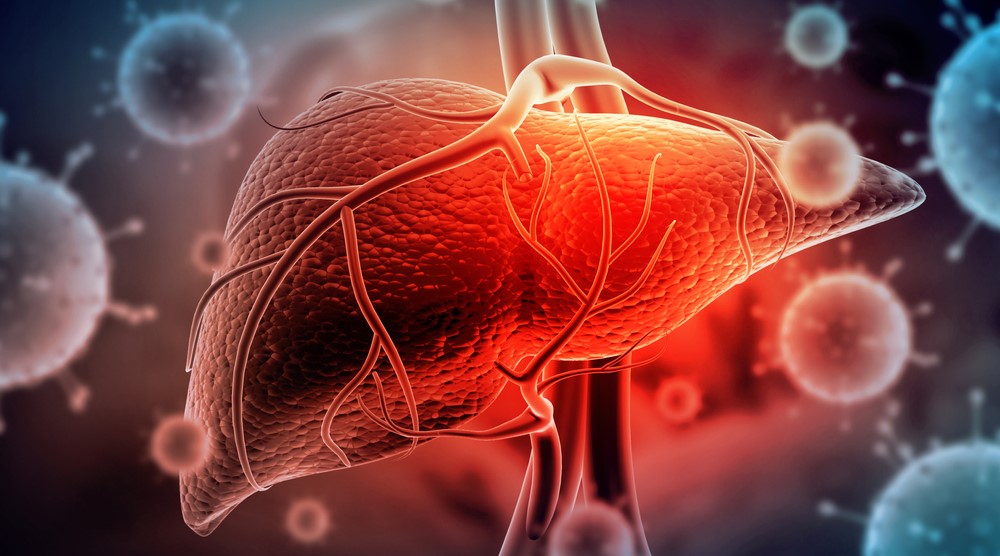
What is Liver Cancer?
Liver cancer ranks 3rd among cancer deaths and is the 5th most common cancer worldwide. There are two types of liver cancer based on where it starts: primary and secondary. In primary liver cancer, the cancer begins in the liver, while in secondary liver cancer, it spreads to the liver from another part of the body. The liver performs many vital functions, including detoxifying harmful substances and playing a role in metabolism. When cancer occurs, these functions can be disrupted, leading to serious health problems.
What are the Symptoms of Liver Cancer?
Symptoms of liver cancer can vary from stage to stage. In early stages, no symptoms may be observed. As the cancer progresses, the following symptoms may be observed, although they can vary from person to person:
- Abdominal swelling,
- Pain in the upper right abdomen,
- Hard swelling in the lower right chest area,
- Jaundice (yellowing of the skin or the whites of the eyes),
- Severe fatigue,
- Loss of appetite,
- Unexplained weight loss,
- Pain around the right shoulder blade (the bone behind the chest),
- Easy bruising,
- Nausea and vomiting.
How is Liver Cancer Diagnosed?
There are many methods used to diagnose liver cancer. These methods include:
- Blood tests: Blood tests can be performed to check if liver enzymes and proteins are healthy.
- Ultrasound: A method that provides images of soft tissues. It shows liver tumors.
- Pet-Ct: This is a special type of X-ray. It provides detailed images of the liver and helps determine the size and location of the tumor.
- Computed tomography: Creates detailed images using special X-ray beams. These images are taken from different angles and combined to visualize bones, internal organs, and blood vessels.
- Angiogram: Helps examine the blood vessels in the liver. It can check for any blockages.
- Biopsy: This involves taking a piece of liver tissue for examination. It is a reliable way to confirm the diagnosis of liver cancer.
How Many Stages Does Liver Cancer Have?
Liver cancer consists of 4 stages. These stages are determined based on the size of the existing tumor and whether it has spread to surrounding areas.
Stage 1: Also known as very early stage or stage 0. In this stage, there is a single tumor in the liver that is smaller than 2 cm. Blood tests and bilirubin levels are also normal.
Stage 2: Also known as early stage or stage A. There is either a single tumor that is 5 cm or smaller, or multiple tumors that are smaller than 3 cm. The tumor may have spread to blood vessels.
Stage 3: Also known as intermediate stage or stage B. In this stage, there may be multiple tumors or a tumor larger than 5 cm. Cancer may have spread to lymph nodes, major blood vessels, or other organs.
Stage 4: Stage 4 liver cancer is referred to as advanced stage or stage C. At this point, cancer spreads to the lungs, bones, and lymph nodes.
The life expectancy of an individual diagnosed with liver cancer can vary depending on which stage the diagnosis is made. Overall, the disease process can differ among individuals.
What are the Treatment Methods for Liver Cancer According to Stages?
In stages 1 and 2 of liver cancer, surgical procedures and liver transplants may be performed. If the liver is functioning as expected, surgical procedures can yield good results in these stages. Liver transplants are more effective when the tumor has not grown too large or spread. The best candidates for liver transplants are those whose livers are not functioning properly. Since finding a new liver can take time, your specialist may also consider treatments like ablation or embolization during this period.
The third stage of liver cancer is when surgical intervention is not possible and transplantation is not an option. In this stage, the tumor has spread outside the liver to lymph nodes. In such cases, your doctor may recommend other treatment methods. These treatments include chemotherapy, radiation therapy, and ablation. The goal of these treatments is to shrink the tumor and make surgical intervention possible.
In the final stage of liver cancer, the tumor has spread to other areas and lymph nodes. At this stage, surgical intervention is not possible. Different medications may be recommended. If medications are ineffective, radiation therapy may be applied in suitable cases.
What Methods are Used to Treat Liver Cancer?
Liver cancer can be treated with various methods. The course of treatment varies depending on the stage of the disease, the individual’s overall health, and the liver’s function.
- Surgery: Two types of surgeries can be performed. One is partial hepatectomy, and the other is liver transplantation. Partial hepatectomy involves removing a part of the liver, including the tumor or healthy cells surrounding it. This method is a good option for individuals whose liver can still function and whose tumor has not grown into blood vessels. Liver transplantation is used when it is not possible to remove part of the liver. It involves completely removing the liver and replacing it with a new one. This reduces the likelihood of cancer recurrence.
- Ablation: This method destroys tumors without surgical intervention. If an individual has multiple small tumors or is not suitable for surgery, the ablation method can be used. It is generally preferred for tumors that are 3 cm or smaller.
- Embolization: This means cutting off the blood flow to the tumor from the liver. The liver has major veins and arteries. The artery usually supplies blood to the tumor. Cutting this relationship gradually shrinks and kills the tumor.
- Radiation therapy: In this treatment, a healthcare professional attempts to kill cancer cells using radiation. High-energy radiation is directed at the tumor. There is no pain or invasive procedure (skin puncture). If cancer has spread to other areas and treatments like surgery or embolization cannot be applied, it is a method used for pain caused by large tumors.
- Immunotherapy: This method enables the body to recognize and attack cancerous cells. It is administered through medication given intravenously. T cells in the immune system can eliminate cells that harm the body. However, cancer cells sometimes contain the same proteins as typical cells, so T cells do not see them as a threat. Immunotherapy helps T cells recognize cancerous cells.
- Chemotherapy: This involves taking medication to kill cancer cells. In liver cancer, these medications are administered intravenously, a process known as chemoembolization. It can be an effective treatment method for individuals who cannot be treated surgically or with treatments like ablation. It has some common side effects, including diarrhea, loss of appetite, hair loss, nausea, vomiting, and increased risk of infection.
What Devices are Used in Liver Cancer Treatment?
Various devices are used depending on the type of treatment for liver cancer. Examples include radiation therapy devices, ablation devices, and linear accelerators (used in radiation therapy). Radiation therapy is a good way to destroy cancer cells, but this treatment method can also harm healthy tissues. The MR-linac device (a new technology magnetic resonance imaging device) allows for better targeting of tumors and has fewer side effects for the individual. This device provides real-time visualization of the tumor and makes it easier to detect when it shifts. It can also be used for other types of cancers in the chest or abdomen, such as bladder, lung, and prostate cancers.
What are the Latest Developments in Liver Cancer Treatment?
Recent research has led scientists in Boston to obtain results that will enable the development of a new class of drugs for liver cancer. The research on cells found that an enzyme produced in liver cancer cells could be converted into anticancer drugs, potentially killing cancerous cells. Scientists indicate that this enzyme opens the door to the development of new drugs for both liver cancer treatment and other types of cancer. This development could bring new hope for liver cancer.
In another study conducted in 2020, a test was developed that could help identify hepatocellular carcinoma, one of the most common types of liver cancer. This test checks whether an individual has previously been exposed to certain viruses, such as hepatitis B and hepatitis C, as these increase the likelihood of developing hepatocellular carcinoma, a type of liver cancer.
What is the Process of Returning to Normal Life After Treatment?
Even after your liver cancer treatment is completed, it is important not to skip doctor check-ups. Your doctor will want to monitor your health closely. You can report any issues you experience during check-ups to your doctor. Additionally, further tests may be requested. All these tests are crucial for monitoring the recurrence of cancer. You may also ask your doctor for written guidance on what to pay attention to.
During recovery, your appetite may decrease. You can follow a diet recommended by your doctor. If you continue to have trouble eating, you can discuss making changes with your doctor. You may feel stressed after treatment. In such cases, exercise can be a good way to manage your stress. Fatigue experienced after liver cancer treatment may also affect you. In such cases, it is important to rest.
Frequently Asked Questions
What is the Final Stage of Liver Cancer?
The final stage of liver cancer is known as stage 4, during which large tumors, cancer spread outside the liver, and deterioration of general health occur.
Where Does Liver Cancer Spread First?
When liver cancer spreads, it often spreads to the lungs, lymph nodes, and bones.
What Happens if Liver Cancer Progresses?
As the disease progresses, the severity of liver cancer symptoms experienced by the individual increases. In advanced stages, patients may experience jaundice, a tendency to bleed, loss of appetite and weight, abdominal swelling and pain, fatigue, and unexplained fever.
Is There a Chance of Surviving Liver Cancer?
There is a chance of surviving liver cancer. However, this chance decreases as the disease progresses. Individuals diagnosed in the early stage have a higher survival rate compared to those diagnosed in later stages.
How Long Can You Live with Stage 4 Liver Cancer?
In stage 4 liver cancer, the life expectancy can vary from person to person, so it cannot be determined exactly.
How Many Years Can You Live with Liver Cancer?
The life expectancy in liver cancer depends on the stage at which the diagnosis is made. It is known that 35% of those diagnosed in the early stage survive five years after diagnosis, while only 12% of those diagnosed after the cancer has spread to organs and lymph nodes survive five years.
Are There Survivors of Liver Cancer?
According to statistics from the UK, 45 out of 100 people diagnosed at the first stage live for four years or longer. In the second stage, this rate is 35%, in the third stage, it drops to 10%, and in the final stage, it decreases to 5%.
How Can You Tell if a Mass in the Liver is Benign?
A benign mass is colorless, round, and has smooth edges. These characteristics become clear in the tests performed.
Can Liver Cancer Be Operated On?
There are surgeries that can be performed for liver cancer treatment. However, whether these surgeries can be performed depends on the stage and the individual’s health condition.
Fill out the form to get information about Liver Cancer
I am text block. Click edit button to change this text. Lorem ipsum dolor sit amet, consectetur adipiscing elit. Ut elit tellus, luctus nec ullamcorper mattis, pulvinar dapibus leo.