

Urology
Robotic urology and prostate treatments.
About the Department
The scope, approach and highlighted services of the department.
Urology is a medical department dealing with disorders affecting the urinary tract in men and women and diseases affecting the reproductive system. Urological diseases include various disorders that arise in these systems. Conditions such as kidney stones, urinary tract infections, bladder problems, prostate diseases, erectile dysfunction and testicular cancer fall within the scope of urology.
What Is Urology?
Urology is a surgical specialty that deals with diseases of the urinary and reproductive tracts in men and diseases of the urinary tract in women. A urologist diagnoses and treats conditions such as kidney stones, urinary tract infections and prostate diseases. Urologists also plan the treatment of sexual dysfunction in men.
What Are Urological Diseases?
Urologists diagnose and treat a wide range of concerns and conditions affecting people of all ages, from infants (congenital anomalies) to young people and older adults. Some of the common urological conditions include:
Kidney stones: Hard masses formed by the crystallization of minerals that accumulate in the kidneys or urinary tract. They can cause severe pain, nausea, vomiting and blood in the urine.
Urinary tract infections (UTIs): These occur when bacteria enter the urinary tract. Symptoms include frequent urination, a burning sensation during urination, and cloudy or bloody urine. They are more common in women but can also occur in men and children.
Erectile dysfunction: A type of sexual dysfunction in men. Erectile dysfunction is characterized by an impaired ability to achieve or maintain a sufficient erection. It can arise from various causes such as psychological factors, hormonal imbalances, circulatory problems or nerve damage.
Testicular diseases: This covers various diseases of the testicles. Testicular cancer is one of the most common types of cancer in young men. Testicular torsion is a condition in which the testicle twists around itself, cutting off its blood supply, and requires emergency surgery.
Infertility: Infertility, one of the male urological conditions, may result from problems with sperm production or quality. Infertility treatment involves identifying the underlying cause and planning suitable treatment methods accordingly.
Adrenal gland tumors: A condition in which benign or cancerous tumors develop in the adrenal glands located on top of the kidneys. Adrenal tumors can grow without causing symptoms and are often detected during an imaging test such as a CT scan or MRI performed because of a different condition or symptoms.
Birth defects: Congenital anomalies of the urinary system can lead to structural abnormalities in the kidneys, bladder or urinary tract. These defects can obstruct the flow of urine and increase the risk of infection.
Bladder cancer: Cancer cells that develop in the bladder tissue. It usually begins in the inner lining of the bladder. Over time, bladder cancer can grow into deeper layers of the bladder wall and become more difficult to treat. It may present with symptoms such as blood in the urine (hematuria), frequent urination and painful urination.
Hematuria (blood in the urine): Blood in the urine can result from various causes such as kidney stones, infection, tumors or trauma. The underlying cause is identified through detailed tests, and appropriate treatment is planned.
Interstitial cystitis: This condition presents as chronic inflammation of the bladder and is also known as painful bladder syndrome. It affects women far more often than men. It can cause symptoms such as frequent urination, pelvic pain and a feeling of pressure in the bladder.
Kidney cancer: Malignant tumors that form in the cells of the kidney. Symptoms include flank pain, weight loss and hematuria. Surgery is usually the first option, but chemotherapy and radiotherapy may also be used in advanced stages.
Prostate cancer: Cancer that develops in the prostate gland. It may cause no symptoms in the early stages, but in advanced stages symptoms such as difficulty urinating, blood in the urine and bone pain may appear.
Prostatitis: Inflammation of the prostate gland. Symptoms include pain in the pelvic area, frequent urination, burning during urination and sometimes flu-like symptoms.
What Are the Symptoms of Urological Diseases?
Urology is a specialized branch of medicine focusing on the male and female urinary tract and the male reproductive system. When symptoms of urological diseases are noticed, it is important to see a urologist for early diagnosis and treatment. Some symptoms of urological diseases may include:
Back or groin pain
Blood in the urine (hematuria)
Frequent urination
Painful urination
Severe flank pain
Difficulty urinating or interrupted urination.
How Are Urological Diseases Diagnosed?
Urological diseases are diagnosed through a combination of a detailed medical history, a physical examination and various diagnostic tests. Some of the tests used to diagnose urological diseases are:
Urinalysis: Urinalysis is performed by examining the urine under a microscope in a laboratory. It is used to detect infection, hematuria, proteinuria (protein in the urine) and other abnormalities.
Blood tests: Blood tests are used to assess kidney function and general health. Markers such as creatinine, urea and PSA (prostate-specific antigen) help in diagnosing kidney and prostate diseases.
Ultrasonography: Ultrasound provides images of the kidneys, bladder and other internal organs. It is used to detect stones, tumors, cysts and other structural abnormalities. It is a non-invasive method.
Ureteroscopy: A procedure that uses a ureteroscope to look inside the ureters and kidneys. Like a cystoscope, a ureteroscope has an eyepiece at one end, a rigid or flexible tube in the middle, and a small lens and light at the other end.
CT (Computed Tomography): CT scans provide cross-sectional images of the body, allowing detailed examination of kidney stones, tumors and other structural abnormalities. They are used especially to evaluate complex kidney stones and tumors.
MRI (Magnetic Resonance Imaging): MRI is used to image soft tissue detail in high resolution. It can be effective for detailed examination of the kidneys, bladder and prostate.
Cystoscopy: Cystoscopy is a procedure used to directly view the inner surface of the bladder and urethra. A thin tube called a cystoscope is passed through the urethra into the bladder. This method is used to diagnose bladder cancer, stones and structural abnormalities.
Urodynamic tests: Urodynamic tests are used to evaluate the function of the bladder and urethra. They include pressure measurements and flow rate assessment to determine the causes of problems with storing and emptying urine.
Biopsy: A biopsy involves taking a small sample of suspicious tissue to be examined under a microscope. It is used in the diagnosis and staging of prostate, kidney or bladder tumors. Biopsy is one of the most definitive methods for determining the presence and spread of cancer cells.
Semen analysis: Semen analyses are used to detect potential problems related to male infertility. This analysis can give the doctor information about the strength of a man's sperm, including motility and quality. Semen analyses are also used to confirm that a vasectomy has been successful.
How Are Urological Diseases Treated?
The treatment of urological diseases is planned by specialist physicians according to the specific type and severity of the disease. Some of the treatment methods may include:
Shock wave lithotripsy (SWL): Shock wave lithotripsy is a method used to treat kidney stones non-invasively (without surgery). In this method, focused shock waves are directed at the stone from outside the body, breaking it into small fragments. The fragments can then be passed naturally in the urine.
Transurethral resection (TUR): Transurethral resection is a surgical procedure performed by accessing the prostate gland or bladder endoscopically. This method is generally used to treat conditions such as benign prostatic hyperplasia (BPH) or early-stage bladder cancer. During TUR, tissue is shaved or cut away using special surgical instruments and removed for pathological examination.
Prostatectomy: Prostatectomy is a surgical method used to treat prostate cancer. In this procedure, the entire prostate gland and sometimes the surrounding tissues are removed to clear the cancerous tissue. Prostatectomy can be performed with open surgery or laparoscopic (minimally invasive) methods.
Percutaneous Nephrolithotomy (PCNL): Percutaneous nephrolithotomy is a surgical method used to treat kidney stones. In this procedure, the kidney is accessed through a small incision in the skin, and the stones are broken up or removed with special instruments. PCNL can be especially effective for large or complex kidney stones.
Radiotherapy: Radiotherapy is a treatment method used to destroy cancer cells or keep their growth under control. It is widely used in the treatment of urological cancers such as bladder cancer or prostate cancer.
Medication: Antibiotics are generally used to treat infections of the urinary tract. Antibiotics can prevent the infection from spreading and causing complications.
Chemotherapy: Used in cancer treatment, chemotherapy can kill cancer cells or stop their growth.
Frequently Asked Questions
What Does a Urological Examination Involve?
A urological examination usually starts from the patient's complaints, and a detailed medical history is taken first. In men, the examination usually includes checking the genital area and the prostate. The doctor palpates the testicles and penis to look for any abnormality or swelling. In women, the examination usually focuses on the pelvic area. The reproductive organs are examined through a vaginal and pelvic examination, looking for any abnormality or signs of infection.
What Tests Does a Urologist Order?
Urologists may order various tests depending on the patient's complaints and symptoms. These may include urinalysis, blood tests (for example, the PSA test for prostate cancer screening), kidney function tests and imaging methods (for example, ultrasound or computed tomography).
How Is a Urological Examination Performed?
A urological examination usually begins with the doctor taking the patient's history, followed by a physical examination. In men, the genital area and prostate are checked, while in women a pelvic examination is usually performed.
How Long Do Urology Blood Test Results Take?
The time needed for urology blood test results generally varies depending on the laboratory's workload and the type of test. Results are usually ready within a few days. However, for some special tests or situations, results may take longer.
Why Does a Urologist Order an Ultrasound?
Urologists use ultrasound imaging to evaluate various conditions. For example, ultrasound is used to diagnose urinary tract diseases such as kidney stones or bladder problems. Ultrasonography may also be preferred as an important diagnostic tool for evaluating conditions such as prostate enlargement or prostate cancer.
How Is a Urological Ultrasound Performed?
A urological ultrasound is usually performed by a specialist physician. The patient usually lies on their back, and a water-based gel is applied to the pelvic area or abdomen. The ultrasound probe is moved over the gel-covered skin to obtain detailed images of the organs.
What Are Urological Surgeries?
Various surgeries are performed in the field of urology. These include radical prostatectomy (to treat prostate cancer), transurethral resection (TUR) (to remove benign prostatic hyperplasia or bladder tumors), kidney stone surgery (PCNL or endoscopic methods), reconstructive bladder surgery and treatments for urinary incontinence.
Does Urology Treat Sexual Health Problems?
The urology department can be involved in treating many conditions related to sexual health. Since urologists deal with all diseases of the urinary and reproductive systems, they also evaluate the sexual organs and related problems and plan their treatment.
Urology is an important medical department dealing with disorders affecting the urinary tract in men and women and diseases affecting the reproductive system. Early diagnosis and treatment are important for the diseases this department deals with. People with symptoms of urinary system disorders can start treatment by making an appointment at a hospital's urology outpatient clinic.
Urology is the surgical branch of medicine that deals with the structure and diseases of the urinary tract and organs of men and women and of the male reproductive organs. The surgical treatment of the adrenal glands also falls within the field of urology. Urology cares for both adult and pediatric patients.
All diagnostic and treatment procedures in our Urology clinic are carried out by specialist physicians and experienced allied health staff using up-to-date medical equipment.
The clinic offers diagnosis and treatment in minimally invasive prostate surgery (HOLEP, ThuFlep and Rezum), open and minimally invasive stone surgery, stone-breaking (ESWL) treatments, urological cancer surgery (open, endoscopic and laparoscopic), pediatric urology surgery, urodynamics and male sexual dysfunction.
In our clinic, urogenital diseases diagnosed with current, state-of-the-art methods are treated with medical therapy, endoscopic surgery, and open and minimally invasive (laparoscopic) surgery. In addition to surgical treatment, stones can be treated without anesthesia on an outpatient basis using the stone-breaking (ESWL) method. Hisar Hospital Intercontinental Urology clinic is one of the leading centers in terms of experience in the endourological treatment of stone disease (ureterorenoscopy).
Our Diagnostic and Treatment Services
Diseases of the Kidneys, Urinary Tract, Bladder and Prostate
Diseases of the Seminal Ducts and Testicles
Stone Breaking (breaking up kidney stones and removing them from the body)
Infertility (male infertility)
Andrology – Sexual Dysfunctions (erection and ejaculation problems)
Urinary Incontinence
Endourology (minimally invasive surgery)
Urogynecology – Female Urology (urinary incontinence (stress and urge incontinence), interstitial cystitis)
Urologic Oncology (cancers of the kidney, bladder, prostate, penis, testicles and urinary tract)
Neuro-Urology
Reconstructive Urology
Pediatric Urology (hydrocele and cord cyst, undescended testicle, circumcision, testicular and scrotal emergencies (acute scrotum and testicular torsion) and hypospadias)
Circumcision
Surgical Operations
Endoscopic: HOLEP, ThuFlep, Rezum, TUR of the bladder, TUR of the prostate, laser lithotripsy, ureteroscopy, flexible ureteroscopy, percutaneous nephrolithotomy, cystolithotomy, reflux operations and all other endoscopic surgical procedures
Laparoscopic: Kidney cyst, simple nephrectomy, radical nephrectomy, partial nephrectomy, bladder suspension operations, laparoscopic radical prostatectomy, laparoscopic cystectomy, pyeloplasty, pyelolithotomy, ureterolithotomy and similar operations
Open: All kinds of interventions for cancers and benign diseases that are not suitable for endoscopic or laparoscopic surgery are performed successfully. Penile prosthesis, penile lengthening and sexual aesthetic operations recommended to our patients with erection problems are also performed with this method.
Sub-departments & Units
Clinics, centers and units within this department.
Pediatric Urology
The pediatric urology unit follows up congenital urological problems that develop in the womb before birth, and treats the problems that continue in these children in the early period after birth as well as important urological diseases of childhood…
ESWL (Shock Wave Lithotripsy) Unit
What Is a Kidney Stone? Why Does It Form? Kidney stones are hard, mineral-containing masses that form within the kidney passages. The factors behind these stones and their mechanism of formation are not fully understood, but…
Greenlight Laser Prostate Vaporization Treatment
BPH is a benign enlargement of the prostate that occurs in men with aging. It makes urination difficult and, at times, can completely block urination, causing the patient severe discomfort, especially pain, and impairing quality of life…
Female Urology
Female urology deals with urinary incontinence in women, vaginal organ prolapses (cystocele, rectocele, etc.), pelvic and bladder pain syndromes, sexual dysfunction…
Stone Disease
Urinary Tract Stones: Anyone who has passed stones or gravel from the urinary tract knows that this period can be very painful. Until the 1980s, urinary tract stones…
Uro-Oncology (Diagnosis and Treatment of Urological Cancers)
Our Urology Department provides world-standard services in the field of uro-oncology. Nerve-sparing radical prostatectomy in prostate cancer and bladder…
Thulium Fiber Laser (Thuflep) Treatment
Among the usage areas of Thulium Fiber Laser Device; There are urological cases such as prostate treatment, and kidney stone breaking. In breaking kidney stones, this method allows the stones to be removed in smaller pieces more easily. This laser device is also used in the treatment of prostate disorders. The use of laser devices in the treatment of prostate diseases is used to reduce prostate enlargement and to make the treatment more effective.
Treatment Methods
The main treatments and procedures performed in our department.

What Are the Methods Used to Break Up Kidney Stones?
Urology

The Gold Standard in Benign Prostatic Hyperplasia Treatment: The TUR System
Urology
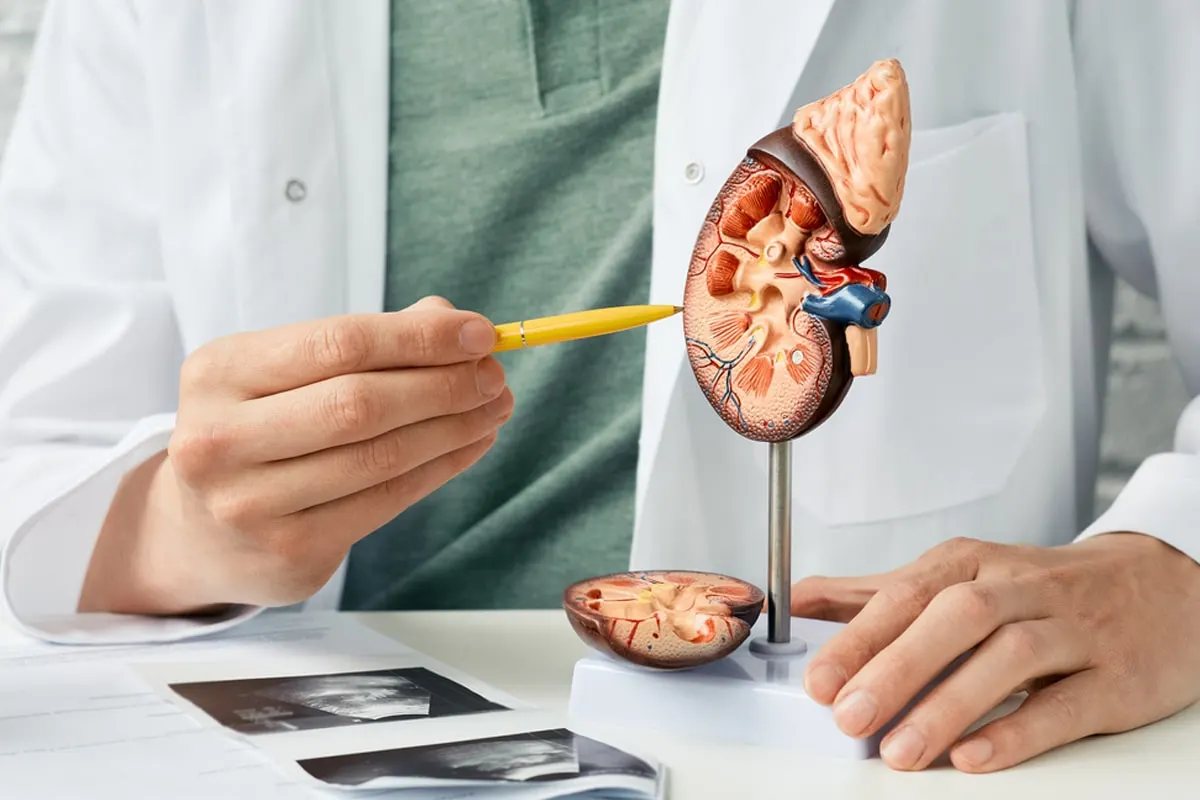
How Is Kidney and Urinary Tract Stone Treated?
Urology

Micro TESE
IVF
Sperm Freezing
IVF

What is Rezum Treatment?
Urology

Prostate Tests, Diagnosis and Imaging Methods
Urology
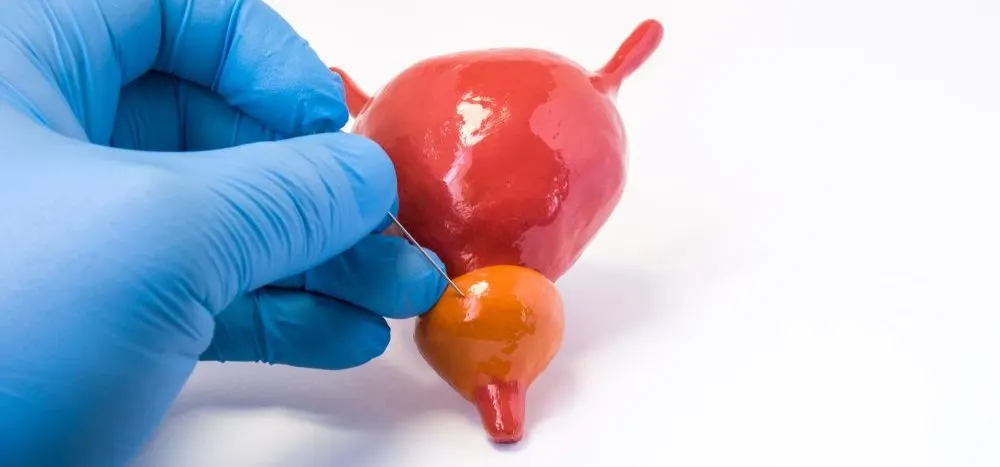
HoLEP Procedure
Urology
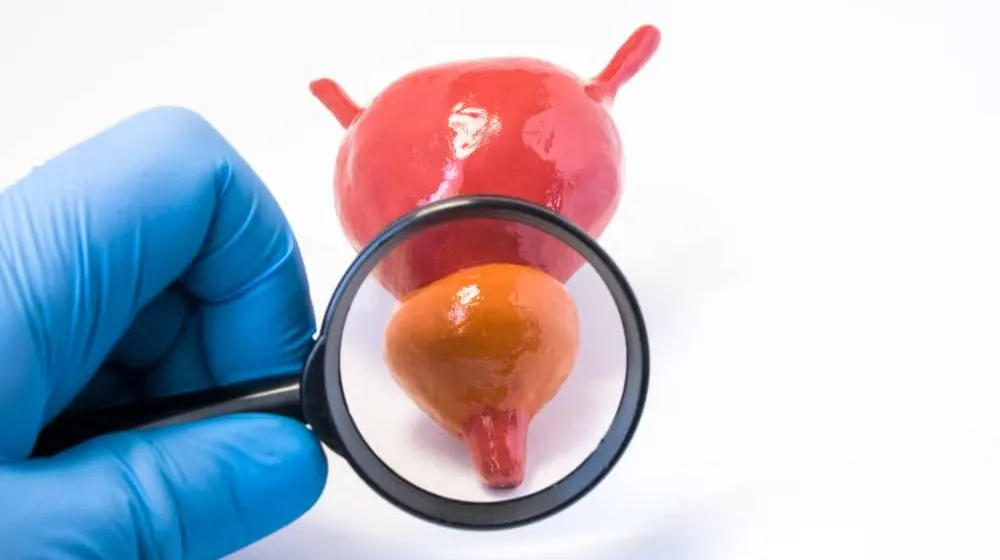
What Is TUIP Surgery?
Urology
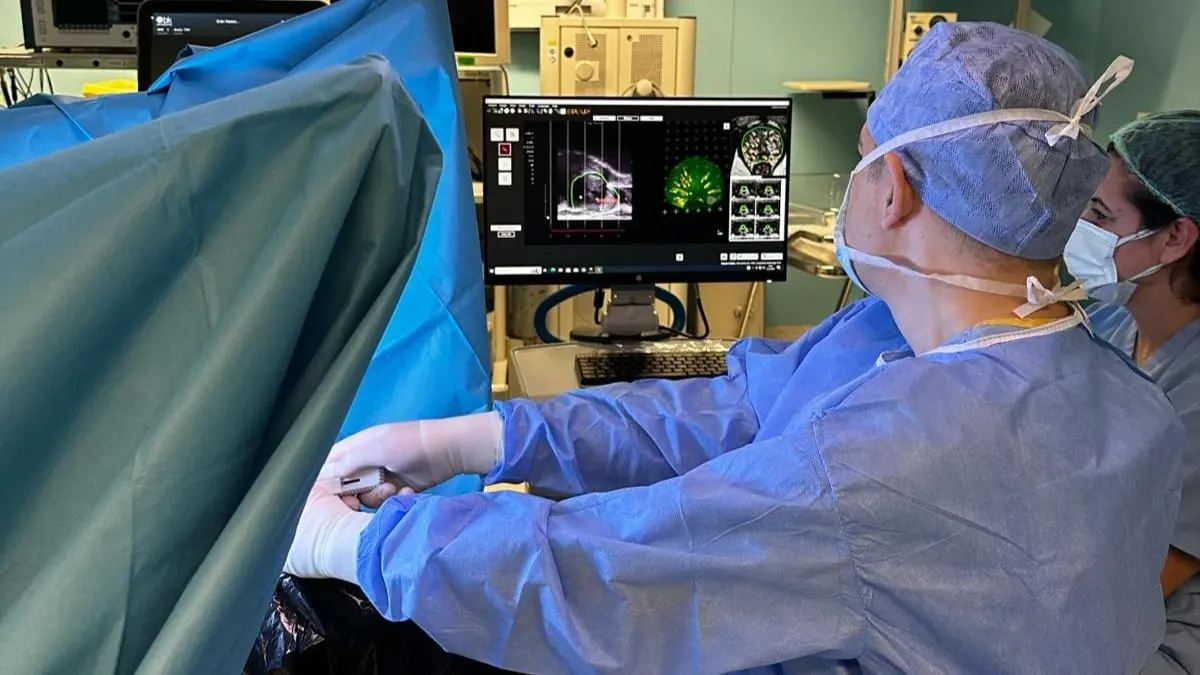
What Is an MR Fusion Prostate Biopsy? How Is It Performed?
Urology
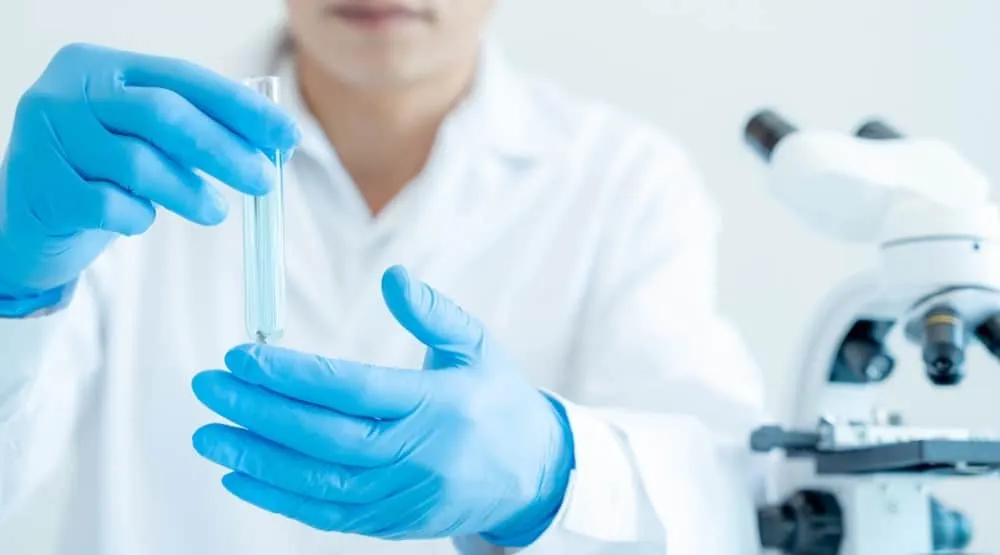
What Is a Semen Analysis (Sperm Test)? Things to Consider
IVF

Laparoscopic Radical Prostatectomy in Prostate Cancer
Urology
Conditions Covered
The main conditions within the department’s diagnosis and treatment scope.
- Benign Prostatic Enlargement
- Bladder Cancer Rates Rise as Smoking Among Women Increases!
- Varicocele
- Don't Dismiss Cystitis!
- Small in Size, Great in Harm: Kidney Stones
- Changing Urine Color May Be a Sign of Kidney Cancer
- If You Smoke, Your Risk of Bladder Cancer Is High!
- Benign Prostate Enlargement Can Cause Kidney Failure
- Kidney Cancer Symptoms and Treatment
- What Is a Urinary Tract Infection?
- What Is Prostatitis (Prostate Inflammation)? What Are the Symptoms?
- Prostate Cancer: Symptoms, Causes, Diagnosis, and Treatment Methods
Department Doctors
Our specialist team working in the Urology department.

Related Videos
Informative videos from our specialists related to the Urology department.
 2:14
What methods are used in kidney stone breaking treatment?
 0:58
How can treatment be carried out when non-surgical stone-breaking methods cannot be applied?
 0:55
What are the symptoms of kidney cancer?
 1:08
How does kidney cancer develop?
 0:58
How does prostate cancer develop?
 1:41
How Are Kidney and Urinary Tract Stones Treated?
 0:32
Prostate: The Silent Cancer
 21:34
Assoc. Prof. Dr. Basri Cakiroglu
 4:01
What Is the ThuFLEP Method Used in Prostate Treatment?
 2:00
A New Treatment Method for the Prostate: ''Rezum''
 2:52
What Is Prostate Cancer? What Are Its Symptoms? I Assoc. Prof. Dr. Basri ÇAKIROĞLU
Locations
At Which Hospitals?
The Urology department is available at the following locations.

Author
Web and Medical Editorial BoardReviewed by a specialist
 Prof. Dr. Basri ÇakıroğluUrologyReview date: 31 October 2026
Contact
Urology Department — Get in Touch
Fill out the form with your questions; our team will call you back as soon as possible.
The Hisar Hospital Web and Medical Editorial Board contributed to the development of this content. All content on this website is provided for general informational purposes only. Please consult a physician for the evaluation, diagnosis and treatment of your condition.
Last Updated: