



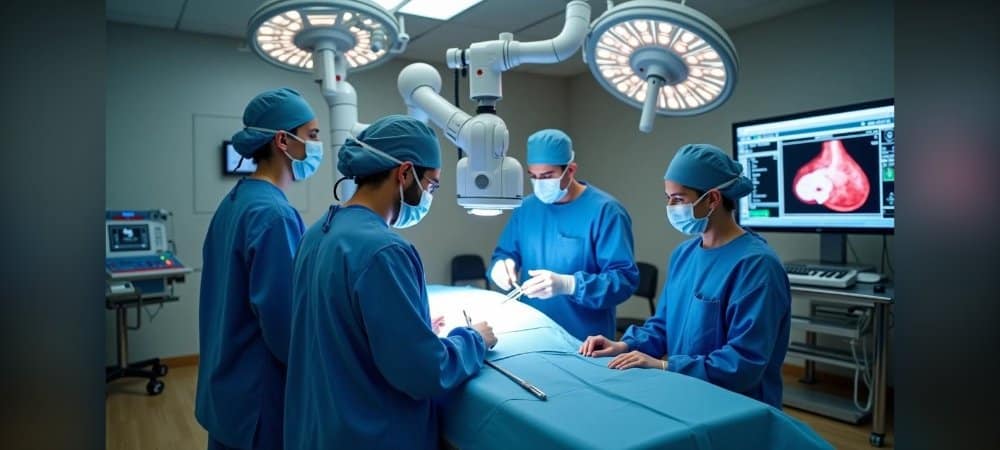
The integrated near-infrared fluorescence imaging feature of robotic surgery allows for better visualization of the bile ducts. Using indocyanine green (ICG), vessels and bile ducts can be seen more clearly, which may reduce complications during surgery.
rnrnIn conclusion, robotic liver resection can be successfully applied in the treatment of both malignant and benign liver diseases. Factors such as the patient’s overall health status, tumor localization, and size determine the suitability for this treatment method.
rnrnrnrn
Surgical Planning and Evaluation Process
rnrnSuccessful robotic liver resection actually begins long before the patient enters the operating room. Beyond the question of what hepatectomy surgery is, meticulous planning and evaluation processes are essential for the success of this surgery. This phase is as important as the surgical procedure itself.
rnrnrnrn
CT, MRI, and PET-CT Imaging
rnrnDetailed imaging techniques are used before robotic liver resection. CT (Computed Tomography) and MRI (Magnetic Resonance Imaging) are used to determine the tumor’s location, spread, and relationship with vascular structures. Additionally, these imaging techniques can also calculate the volume of the liver that will remain after surgery.
rnrnBy using these methods, a three-dimensional map of the liver is created, providing a guiding plan for the surgeon. High-resolution images allow for more precise guidance of the robotic arms.
rnrnPET-CT plays a significant role, especially in evaluating metastatic spread. This technique measures how much of a radioactive substance, FDG, is taken up by cells. Cancer cells absorb more FDG due to their metabolic rate and appear as bright spots in the images.
rnrnPET-CT shows 97% sensitivity and 75% specificity in detecting colorectal cancer metastases. This allows the surgical team to identify metastases that may be overlooked before surgery.
rnrnrnrn
Liver Function Tests
rnrnWhen seeking an answer to the question of what hepatectomy surgery is, tests performed to evaluate the liver’s functionality after surgery are of vital importance. These tests are even more critical if there are underlying diseases such as cirrhosis.
rnrnThe Child-Pugh score is used to assess liver function. This score helps determine the patient’s liver functions and the risk of survival after surgery. This evaluation is decisive in selecting patients suitable for robotic surgery.
rnrnrnrn
Analysis of Patient’s Overall Health Status
rnrnBefore robotic liver resection, the patient’s systemic condition is also thoroughly examined. Heart and kidney functions, blood values, and other important parameters are evaluated.
rnrnThe patient’s cardiovascular system and respiratory capacity are important in determining anesthesia and surgical risks. During this evaluation, the opinions of anesthesia and cardiology specialists are obtained.
rnrnAll these processes allow for the creation of a personalized surgical plan. In some cases, the patients’ conditions are discussed in a tumor council, and the most appropriate treatment plan is determined with a multidisciplinary approach.
rnrnIn conclusion, this comprehensive evaluation performed before robotic liver resection directly affects the success of the surgery and allows for a personalized treatment plan to be offered to the patient.
rnrnrnrn
Robotic Surgical Methods and Application Process
rnrnIn today’s medical world, surgical procedures are constantly evolving. Hepatectomy surgery can be performed using different methods in liver surgery. Each of these methods has its own unique features.
rnrnrnrn
Differences Between Open, Laparoscopic, and Robotic Surgery
rnrnLiver resection can be performed using three different techniques. In open surgery, a long incision is made in the abdominal area, and surgeons intervene directly by seeing the liver. This traditional method is still used in complex cases.
rnrnIn laparoscopic surgery, the procedure is performed using a camera and special instruments inserted through small incisions. In this method, the surgeon stands at the patient’s head and works by looking at the two-dimensional image on the monitor.
rnrnRobotic surgery is an advanced version of laparoscopy. Here, the surgeon does not stand next to the patient but sits at a console to manage the surgery. Robotic arms provide the surgeon with three-dimensional and high-resolution views. Additionally, robotic instruments can move at a greater angle (540-720 degrees) than the human hand.
rnrnrnrn
Advantages of Robotic Systems
rnrnRobotic liver surgery offers significant advantages compared to traditional methods. Firstly, robotic systems completely eliminate the surgeon’s hand tremors and allow for procedures to be performed with millimeter precision.
rnrnThe three-dimensional imaging technology used in robotic systems provides depth perception to the surgeon. This creates a safer working environment in the complex liver anatomy. Additionally, the flexibility of robotic arms allows for comfortable working even in narrow or hard-to-reach areas.
rnrnOther important benefits of this technology include:
rnrnrnrn
- rn
- Less bleeding: Robotic systems can manage blood vessels more precisely. rn
- Shorter anesthesia duration: Due to small incisions and quick operation times. rn
- Better cosmetic results: Minimal surgical scars. rn
After robotic surgery, patients generally experience less pain and can return to their daily lives more quickly.
rnrnrnrn
Surgery Duration and Hospital Stay
rnrnRobotic liver resection typically lasts between 2-6 hours, depending on the complexity of the case. In more complex cases or large resections, this duration may be extended. Studies in the literature indicate that the average duration of robotic operations varies between 313 and 430 minutes.
rnrnAfter surgery, patients are primarily monitored in the post-anesthesia unit and then moved to a regular patient room. In complex cases, the patient may need to stay in intensive care for 1-2 days.
rnrnThe hospital stay after robotic surgery is significantly shorter compared to open surgery. Patients can be discharged earlier and can start medication treatment sooner if they are to receive cancer treatment.
rnrnIn conclusion, robotic liver resection provides many advantages for both surgeons and patients as a modern surgical approach. With appropriate patient selection and an experienced surgical team, safe and effective results can be achieved.
rnrnrnrn
Postoperative Recovery and Follow-Up
rnrnThe recovery process after robotic liver resection is a critical phase that completes the success of the surgery. Your body’s recovery and the liver’s regeneration process after hepatectomy should be supported with proper care. Generally, patients stay in the hospital for the first week after surgery, and then the recovery process begins at home.
rnrnrnrn
Nutrition and Medication Use
rnrnThe nutritional regimen after robotic liver surgery is one of the most important factors that accelerate the recovery process. The liver requires high energy while regenerating, so your nutrition plan should be arranged accordingly.
rnrnFirstly, you should pay attention to the following in your postoperative nutrition:
rnrnrnrn
- rn
- Prefer protein-rich foods (eggs, lean meat, yogurt). rn
- Eat small and frequent meals, aiming for 5-6 small meals a day. rn
- Drink plenty of water, aiming for at least 8-10 glasses of water daily. rn
- Avoid fatty and fried foods. rn
In medication use, it is important not to use medications metabolized by the liver without a doctor’s supervision. Pain relievers can generally be used safely, but you must strictly adhere to the doses recommended by your doctor.
rnrnrnrn
Physical Activity and Quality of Life
rnrnOne of the greatest advantages of robotic surgery is that it provides faster recovery. However, mild pain, fatigue, and gas complaints are considered normal in the first days after surgery.
rnrnIt is recommended to get out of bed and move slowly within the first 24 hours after surgery. This increases blood circulation and reduces the risk of clots. Daily walks can accelerate your recovery, but you should avoid heavy lifting or strenuous physical activities for 6-8 weeks.
rnrnGenerally, patients can return to their normal activities within 3-4 weeks, while it may take 3-6 months to fully regain their strength and energy.
rnrnrnrn
Regular Check-Ups and Imaging
rnrnRegular follow-ups after robotic liver resection ensure that your recovery process proceeds smoothly. Your first check-up appointment will be about two weeks after discharge.
rnrnIn the first month, check-ups are more frequent, and then they continue periodically. During these check-ups, liver function tests are performed, and the regeneration process of your liver is evaluated.
rnrnIn long-term follow-ups, imaging methods such as MRI or ultrasound are applied at 6-12 month intervals. Additionally, your liver will begin to reach its normal volume around the 3rd month after robotic surgery.
rnrnIn conclusion, the recovery process after robotic liver resection is faster and more comfortable compared to traditional open surgery. Adhering to your doctor’s recommendations will accelerate your return to a healthy life after a successful hepatectomy.
rnrnrnrn
In Summary, Robotic Liver Resection
rnrnIn conclusion, robotic liver resection is an important treatment option offered by modern medicine. Compared to traditional methods, this technology is more precise, less painful, and has a faster recovery process, revolutionizing the treatment of liver diseases.
rnrnThis surgical procedure allows for the removal of liver tumors, whether malignant or benign, with less trauma to the body. Additionally, the superior mobility of robotic arms and three-dimensional imaging technology provide surgeons with a precision that exceeds the limits of human hands.
rnrnYour average hospital stay after robotic liver resection is about 3-5 days. However, it may take a few months to fully regain your health. During this process, it is crucial to pay attention to your nutrition, use the medications recommended by your doctor, and attend regular check-ups.
rnrnAs with all surgical procedures, appropriate patient selection is one of the most important factors affecting success in robotic liver surgery. An experienced surgical team and the right technological infrastructure enhance the success of the procedure.
rnrnRemember that the liver is one of the rare organs in our body that can regenerate itself. Therefore, even if you lose a part of your liver, the remaining part can grow back over time to maintain normal functions. The advantages provided by robotic surgical technology support this natural healing process, enhancing your quality of life and allowing you to return to your normal life more quickly.
rnrnrnrn
Frequently Asked Questions
rnrnHow long does robotic liver surgery take? Robotic hepatectomy is typically completed within 2-6 hours. This duration varies depending on the size of the liver tissue to be removed and the location of the tumor.
rnrnHow much of the liver can be safely removed? Approximately 70-75% of a healthy liver can be safely removed. The remaining healthy tissue can approach normal size within a few months due to its regenerative ability.
rnrnWhat is the hospital stay duration after robotic surgery? Patients can typically be discharged within 3-5 days. This duration is significantly shorter compared to open surgery.
rnrnIs robotic surgery suitable for every patient? No. It is preferred for selected patients based on the tumor’s size, location, and relationship with blood vessels. Your surgeon will determine the most appropriate method for you.
rnrnWhat are the risks of surgery? As with any surgical procedure, bleeding, infection, and anesthesia-related risks may occur. Additionally, robotic systems may experience malfunctions in less than 1% of cases.
rnrnWhat is the recovery process like after surgery? Most of the volume renewal occurs within the first 6-8 weeks. Achieving full functional capacity may take several months.
rnrnDoes SGK cover robotic surgery? Currently, SGK does not cover robotic surgical procedures.
rnrnRobotic liver resection is a precise and safe surgical method. This technique used in the treatment of liver tumors provides faster recovery and less pain.
rn[/vc_column_text][/vc_column][/vc_row]Fill Out the Form for Detailed Information and Contact!
Additionally, lesions causing obstruction in the bile ducts can be treated with robotic surgery. Intrahepatic bile stones may also be an indication for robotic surgery.
rnrnThe integrated near-infrared fluorescence imaging feature of robotic surgery allows for better visualization of the bile ducts. Using indocyanine green (ICG), vessels and bile ducts can be seen more clearly, which may reduce complications during surgery.
rnrnIn conclusion, robotic liver resection can be successfully applied in the treatment of both malignant and benign liver diseases. Factors such as the patient’s overall health status, tumor localization, and size determine the suitability for this treatment method.
rnrnrnrn
Surgical Planning and Evaluation Process
rnrnSuccessful robotic liver resection actually begins long before the patient enters the operating room. Beyond the question of what hepatectomy surgery is, meticulous planning and evaluation processes are essential for the success of this surgery. This phase is as important as the surgical procedure itself.
rnrnrnrn
CT, MRI, and PET-CT Imaging
rnrnDetailed imaging techniques are used before robotic liver resection. CT (Computed Tomography) and MRI (Magnetic Resonance Imaging) are used to determine the tumor’s location, spread, and relationship with vascular structures. Additionally, these imaging techniques can also calculate the volume of the liver that will remain after surgery.
rnrnBy using these methods, a three-dimensional map of the liver is created, providing a guiding plan for the surgeon. High-resolution images allow for more precise guidance of the robotic arms.
rnrnPET-CT plays a significant role, especially in evaluating metastatic spread. This technique measures how much of a radioactive substance, FDG, is taken up by cells. Cancer cells absorb more FDG due to their metabolic rate and appear as bright spots in the images.
rnrnPET-CT shows 97% sensitivity and 75% specificity in detecting colorectal cancer metastases. This allows the surgical team to identify metastases that may be overlooked before surgery.
rnrnrnrn
Liver Function Tests
rnrnWhen seeking an answer to the question of what hepatectomy surgery is, tests performed to evaluate the liver’s functionality after surgery are of vital importance. These tests are even more critical if there are underlying diseases such as cirrhosis.
rnrnThe Child-Pugh score is used to assess liver function. This score helps determine the patient’s liver functions and the risk of survival after surgery. This evaluation is decisive in selecting patients suitable for robotic surgery.
rnrnrnrn
Analysis of Patient’s Overall Health Status
rnrnBefore robotic liver resection, the patient’s systemic condition is also thoroughly examined. Heart and kidney functions, blood values, and other important parameters are evaluated.
rnrnThe patient’s cardiovascular system and respiratory capacity are important in determining anesthesia and surgical risks. During this evaluation, the opinions of anesthesia and cardiology specialists are obtained.
rnrnAll these processes allow for the creation of a personalized surgical plan. In some cases, the patients’ conditions are discussed in a tumor council, and the most appropriate treatment plan is determined with a multidisciplinary approach.
rnrnIn conclusion, this comprehensive evaluation performed before robotic liver resection directly affects the success of the surgery and allows for a personalized treatment plan to be offered to the patient.
rnrnrnrn
Robotic Surgical Methods and Application Process
rnrnIn today’s medical world, surgical procedures are constantly evolving. Hepatectomy surgery can be performed using different methods in liver surgery. Each of these methods has its own unique features.
rnrnrnrn
Differences Between Open, Laparoscopic, and Robotic Surgery
rnrnLiver resection can be performed using three different techniques. In open surgery, a long incision is made in the abdominal area, and surgeons intervene directly by seeing the liver. This traditional method is still used in complex cases.
rnrnIn laparoscopic surgery, the procedure is performed using a camera and special instruments inserted through small incisions. In this method, the surgeon stands at the patient’s head and works by looking at the two-dimensional image on the monitor.
rnrnRobotic surgery is an advanced version of laparoscopy. Here, the surgeon does not stand next to the patient but sits at a console to manage the surgery. Robotic arms provide the surgeon with three-dimensional and high-resolution views. Additionally, robotic instruments can move at a greater angle (540-720 degrees) than the human hand.
rnrnrnrn
Advantages of Robotic Systems
rnrnRobotic liver surgery offers significant advantages compared to traditional methods. Firstly, robotic systems completely eliminate the surgeon’s hand tremors and allow for procedures to be performed with millimeter precision.
rnrnThe three-dimensional imaging technology used in robotic systems provides depth perception to the surgeon. This creates a safer working environment in the complex liver anatomy. Additionally, the flexibility of robotic arms allows for comfortable working even in narrow or hard-to-reach areas.
rnrnOther important benefits of this technology include:
rnrnrnrn
- rn
- Less bleeding: Robotic systems can manage blood vessels more precisely. rn
- Shorter anesthesia duration: Due to small incisions and quick operation times. rn
- Better cosmetic results: Minimal surgical scars. rn
After robotic surgery, patients generally experience less pain and can return to their daily lives more quickly.
rnrnrnrn
Surgery Duration and Hospital Stay
rnrnRobotic liver resection typically lasts between 2-6 hours, depending on the complexity of the case. In more complex cases or large resections, this duration may be extended. Studies in the literature indicate that the average duration of robotic operations varies between 313 and 430 minutes.
rnrnAfter surgery, patients are primarily monitored in the post-anesthesia unit and then moved to a regular patient room. In complex cases, the patient may need to stay in intensive care for 1-2 days.
rnrnThe hospital stay after robotic surgery is significantly shorter compared to open surgery. Patients can be discharged earlier and can start medication treatment sooner if they are to receive cancer treatment.
rnrnIn conclusion, robotic liver resection provides many advantages for both surgeons and patients as a modern surgical approach. With appropriate patient selection and an experienced surgical team, safe and effective results can be achieved.
rnrnrnrn
Postoperative Recovery and Follow-Up
rnrnThe recovery process after robotic liver resection is a critical phase that completes the success of the surgery. Your body’s recovery and the liver’s regeneration process after hepatectomy should be supported with proper care. Generally, patients stay in the hospital for the first week after surgery, and then the recovery process begins at home.
rnrnrnrn
Nutrition and Medication Use
rnrnThe nutritional regimen after robotic liver surgery is one of the most important factors that accelerate the recovery process. The liver requires high energy while regenerating, so your nutrition plan should be arranged accordingly.
rnrnFirstly, you should pay attention to the following in your postoperative nutrition:
rnrnrnrn
- rn
- Prefer protein-rich foods (eggs, lean meat, yogurt). rn
- Eat small and frequent meals, aiming for 5-6 small meals a day. rn
- Drink plenty of water, aiming for at least 8-10 glasses of water daily. rn
- Avoid fatty and fried foods. rn
In medication use, it is important not to use medications metabolized by the liver without a doctor’s supervision. Pain relievers can generally be used safely, but you must strictly adhere to the doses recommended by your doctor.
rnrnrnrn
Physical Activity and Quality of Life
rnrnOne of the greatest advantages of robotic surgery is that it provides faster recovery. However, mild pain, fatigue, and gas complaints are considered normal in the first days after surgery.
rnrnIt is recommended to get out of bed and move slowly within the first 24 hours after surgery. This increases blood circulation and reduces the risk of clots. Daily walks can accelerate your recovery, but you should avoid heavy lifting or strenuous physical activities for 6-8 weeks.
rnrnGenerally, patients can return to their normal activities within 3-4 weeks, while it may take 3-6 months to fully regain their strength and energy.
rnrnrnrn
Regular Check-Ups and Imaging
rnrnRegular follow-ups after robotic liver resection ensure that your recovery process proceeds smoothly. Your first check-up appointment will be about two weeks after discharge.
rnrnIn the first month, check-ups are more frequent, and then they continue periodically. During these check-ups, liver function tests are performed, and the regeneration process of your liver is evaluated.
rnrnIn long-term follow-ups, imaging methods such as MRI or ultrasound are applied at 6-12 month intervals. Additionally, your liver will begin to reach its normal volume around the 3rd month after robotic surgery.
rnrnIn conclusion, the recovery process after robotic liver resection is faster and more comfortable compared to traditional open surgery. Adhering to your doctor’s recommendations will accelerate your return to a healthy life after a successful hepatectomy.
rnrnrnrn
In Summary, Robotic Liver Resection
rnrnIn conclusion, robotic liver resection is an important treatment option offered by modern medicine. Compared to traditional methods, this technology is more precise, less painful, and has a faster recovery process, revolutionizing the treatment of liver diseases.
rnrnThis surgical procedure allows for the removal of liver tumors, whether malignant or benign, with less trauma to the body. Additionally, the superior mobility of robotic arms and three-dimensional imaging technology provide surgeons with a precision that exceeds the limits of human hands.
rnrnYour average hospital stay after robotic liver resection is about 3-5 days. However, it may take a few months to fully regain your health. During this process, it is crucial to pay attention to your nutrition, use the medications recommended by your doctor, and attend regular check-ups.
rnrnAs with all surgical procedures, appropriate patient selection is one of the most important factors affecting success in robotic liver surgery. An experienced surgical team and the right technological infrastructure enhance the success of the procedure.
rnrnRemember that the liver is one of the rare organs in our body that can regenerate itself. Therefore, even if you lose a part of your liver, the remaining part can grow back over time to maintain normal functions. The advantages provided by robotic surgical technology support this natural healing process, enhancing your quality of life and allowing you to return to your normal life more quickly.
rnrnrnrn
Frequently Asked Questions
rnrnHow long does robotic liver surgery take? Robotic hepatectomy is typically completed within 2-6 hours. This duration varies depending on the size of the liver tissue to be removed and the location of the tumor.
rnrnHow much of the liver can be safely removed? Approximately 70-75% of a healthy liver can be safely removed. The remaining healthy tissue can approach normal size within a few months due to its regenerative ability.
rnrnWhat is the hospital stay duration after robotic surgery? Patients can typically be discharged within 3-5 days. This duration is significantly shorter compared to open surgery.
rnrnIs robotic surgery suitable for every patient? No. It is preferred for selected patients based on the tumor’s size, location, and relationship with blood vessels. Your surgeon will determine the most appropriate method for you.
rnrnWhat are the risks of surgery? As with any surgical procedure, bleeding, infection, and anesthesia-related risks may occur. Additionally, robotic systems may experience malfunctions in less than 1% of cases.
rnrnWhat is the recovery process like after surgery? Most of the volume renewal occurs within the first 6-8 weeks. Achieving full functional capacity may take several months.
rnrnDoes SGK cover robotic surgery? Currently, SGK does not cover robotic surgical procedures.
rnrnRobotic liver resection is a precise and safe surgical method. This technique used in the treatment of liver tumors provides faster recovery and less pain.
rn[/vc_column_text][/vc_column][/vc_row]Fill Out the Form for Detailed Information and Contact!
Robotic liver resection is a precise and safe surgical method. This technique used in the treatment of liver tumors provides faster recovery and less pain.
rn[/vc_column_text][/vc_column][/vc_row]Fill Out the Form for Detailed Information and Contact!
Additionally, lesions causing obstruction in the bile ducts can be treated with robotic surgery. Intrahepatic bile stones may also be an indication for robotic surgery.
rnrnThe integrated near-infrared fluorescence imaging feature of robotic surgery allows for better visualization of the bile ducts. Using indocyanine green (ICG), vessels and bile ducts can be seen more clearly, which may reduce complications during surgery.
rnrnIn conclusion, robotic liver resection can be successfully applied in the treatment of both malignant and benign liver diseases. Factors such as the patient’s overall health status, tumor localization, and size determine the suitability for this treatment method.
rnrnrnrn
Surgical Planning and Evaluation Process
rnrnSuccessful robotic liver resection actually begins long before the patient enters the operating room. Beyond the question of what hepatectomy surgery is, meticulous planning and evaluation processes are essential for the success of this surgery. This phase is as important as the surgical procedure itself.
rnrnrnrn
CT, MRI, and PET-CT Imaging
rnrnDetailed imaging techniques are used before robotic liver resection. CT (Computed Tomography) and MRI (Magnetic Resonance Imaging) are used to determine the tumor’s location, spread, and relationship with vascular structures. Additionally, these imaging techniques can also calculate the volume of the liver that will remain after surgery.
rnrnBy using these methods, a three-dimensional map of the liver is created, providing a guiding plan for the surgeon. High-resolution images allow for more precise guidance of the robotic arms.
rnrnPET-CT plays a significant role, especially in evaluating metastatic spread. This technique measures how much of a radioactive substance, FDG, is taken up by cells. Cancer cells absorb more FDG due to their metabolic rate and appear as bright spots in the images.
rnrnPET-CT shows 97% sensitivity and 75% specificity in detecting colorectal cancer metastases. This allows the surgical team to identify metastases that may be overlooked before surgery.
rnrnrnrn
Liver Function Tests
rnrnWhen seeking an answer to the question of what hepatectomy surgery is, tests performed to evaluate the liver’s functionality after surgery are of vital importance. These tests are even more critical if there are underlying diseases such as cirrhosis.
rnrnThe Child-Pugh score is used to assess liver function. This score helps determine the patient’s liver functions and the risk of survival after surgery. This evaluation is decisive in selecting patients suitable for robotic surgery.
rnrnrnrn
Analysis of Patient’s Overall Health Status
rnrnBefore robotic liver resection, the patient’s systemic condition is also thoroughly examined. Heart and kidney functions, blood values, and other important parameters are evaluated.
rnrnThe patient’s cardiovascular system and respiratory capacity are important in determining anesthesia and surgical risks. During this evaluation, the opinions of anesthesia and cardiology specialists are obtained.
rnrnAll these processes allow for the creation of a personalized surgical plan. In some cases, the patients’ conditions are discussed in a tumor council, and the most appropriate treatment plan is determined with a multidisciplinary approach.
rnrnIn conclusion, this comprehensive evaluation performed before robotic liver resection directly affects the success of the surgery and allows for a personalized treatment plan to be offered to the patient.
rnrnrnrn
Robotic Surgical Methods and Application Process
rnrnIn today’s medical world, surgical procedures are constantly evolving. Hepatectomy surgery can be performed using different methods in liver surgery. Each of these methods has its own unique features.
rnrnrnrn
Differences Between Open, Laparoscopic, and Robotic Surgery
rnrnLiver resection can be performed using three different techniques. In open surgery, a long incision is made in the abdominal area, and surgeons intervene directly by seeing the liver. This traditional method is still used in complex cases.
rnrnIn laparoscopic surgery, the procedure is performed using a camera and special instruments inserted through small incisions. In this method, the surgeon stands at the patient’s head and works by looking at the two-dimensional image on the monitor.
rnrnRobotic surgery is an advanced version of laparoscopy. Here, the surgeon does not stand next to the patient but sits at a console to manage the surgery. Robotic arms provide the surgeon with three-dimensional and high-resolution views. Additionally, robotic instruments can move at a greater angle (540-720 degrees) than the human hand.
rnrnrnrn
Advantages of Robotic Systems
rnrnRobotic liver surgery offers significant advantages compared to traditional methods. Firstly, robotic systems completely eliminate the surgeon’s hand tremors and allow for procedures to be performed with millimeter precision.
rnrnThe three-dimensional imaging technology used in robotic systems provides depth perception to the surgeon. This creates a safer working environment in the complex liver anatomy. Additionally, the flexibility of robotic arms allows for comfortable working even in narrow or hard-to-reach areas.
rnrnOther important benefits of this technology include:
rnrnrnrn
- rn
- Less bleeding: Robotic systems can manage blood vessels more precisely. rn
- Shorter anesthesia duration: Due to small incisions and quick operation times. rn
- Better cosmetic results: Minimal surgical scars. rn
After robotic surgery, patients generally experience less pain and can return to their daily lives more quickly.
rnrnrnrn
Surgery Duration and Hospital Stay
rnrnRobotic liver resection typically lasts between 2-6 hours, depending on the complexity of the case. In more complex cases or large resections, this duration may be extended. Studies in the literature indicate that the average duration of robotic operations varies between 313 and 430 minutes.
rnrnAfter surgery, patients are primarily monitored in the post-anesthesia unit and then moved to a regular patient room. In complex cases, the patient may need to stay in intensive care for 1-2 days.
rnrnThe hospital stay after robotic surgery is significantly shorter compared to open surgery. Patients can be discharged earlier and can start medication treatment sooner if they are to receive cancer treatment.
rnrnIn conclusion, robotic liver resection provides many advantages for both surgeons and patients as a modern surgical approach. With appropriate patient selection and an experienced surgical team, safe and effective results can be achieved.
rnrnrnrn
Postoperative Recovery and Follow-Up
rnrnThe recovery process after robotic liver resection is a critical phase that completes the success of the surgery. Your body’s recovery and the liver’s regeneration process after hepatectomy should be supported with proper care. Generally, patients stay in the hospital for the first week after surgery, and then the recovery process begins at home.
rnrnrnrn
Nutrition and Medication Use
rnrnThe nutritional regimen after robotic liver surgery is one of the most important factors that accelerate the recovery process. The liver requires high energy while regenerating, so your nutrition plan should be arranged accordingly.
rnrnFirstly, you should pay attention to the following in your postoperative nutrition:
rnrnrnrn
- rn
- Prefer protein-rich foods (eggs, lean meat, yogurt). rn
- Eat small and frequent meals, aiming for 5-6 small meals a day. rn
- Drink plenty of water, aiming for at least 8-10 glasses of water daily. rn
- Avoid fatty and fried foods. rn
In medication use, it is important not to use medications metabolized by the liver without a doctor’s supervision. Pain relievers can generally be used safely, but you must strictly adhere to the doses recommended by your doctor.
rnrnrnrn
Physical Activity and Quality of Life
rnrnOne of the greatest advantages of robotic surgery is that it provides faster recovery. However, mild pain, fatigue, and gas complaints are considered normal in the first days after surgery.
rnrnIt is recommended to get out of bed and move slowly within the first 24 hours after surgery. This increases blood circulation and reduces the risk of clots. Daily walks can accelerate your recovery, but you should avoid heavy lifting or strenuous physical activities for 6-8 weeks.
rnrnGenerally, patients can return to their normal activities within 3-4 weeks, while it may take 3-6 months to fully regain their strength and energy.
rnrnrnrn
Regular Check-Ups and Imaging
rnrnRegular follow-ups after robotic liver resection ensure that your recovery process proceeds smoothly. Your first check-up appointment will be about two weeks after discharge.
rnrnIn the first month, check-ups are more frequent, and then they continue periodically. During these check-ups, liver function tests are performed, and the regeneration process of your liver is evaluated.
rnrnIn long-term follow-ups, imaging methods such as MRI or ultrasound are applied at 6-12 month intervals. Additionally, your liver will begin to reach its normal volume around the 3rd month after robotic surgery.
rnrnIn conclusion, the recovery process after robotic liver resection is faster and more comfortable compared to traditional open surgery. Adhering to your doctor’s recommendations will accelerate your return to a healthy life after a successful hepatectomy.
rnrnrnrn
In Summary, Robotic Liver Resection
rnrnIn conclusion, robotic liver resection is an important treatment option offered by modern medicine. Compared to traditional methods, this technology is more precise, less painful, and has a faster recovery process, revolutionizing the treatment of liver diseases.
rnrnThis surgical procedure allows for the removal of liver tumors, whether malignant or benign, with less trauma to the body. Additionally, the superior mobility of robotic arms and three-dimensional imaging technology provide surgeons with a precision that exceeds the limits of human hands.
rnrnYour average hospital stay after robotic liver resection is about 3-5 days. However, it may take a few months to fully regain your health. During this process, it is crucial to pay attention to your nutrition, use the medications recommended by your doctor, and attend regular check-ups.
rnrnAs with all surgical procedures, appropriate patient selection is one of the most important factors affecting success in robotic liver surgery. An experienced surgical team and the right technological infrastructure enhance the success of the procedure.
rnrnRemember that the liver is one of the rare organs in our body that can regenerate itself. Therefore, even if you lose a part of your liver, the remaining part can grow back over time to maintain normal functions. The advantages provided by robotic surgical technology support this natural healing process, enhancing your quality of life and allowing you to return to your normal life more quickly.
rnrnrnrn
Frequently Asked Questions
rnrnHow long does robotic liver surgery take? Robotic hepatectomy is typically completed within 2-6 hours. This duration varies depending on the size of the liver tissue to be removed and the location of the tumor.
rnrnHow much of the liver can be safely removed? Approximately 70-75% of a healthy liver can be safely removed. The remaining healthy tissue can approach normal size within a few months due to its regenerative ability.
rnrnWhat is the hospital stay duration after robotic surgery? Patients can typically be discharged within 3-5 days. This duration is significantly shorter compared to open surgery.
rnrnIs robotic surgery suitable for every patient? No. It is preferred for selected patients based on the tumor’s size, location, and relationship with blood vessels. Your surgeon will determine the most appropriate method for you.
rnrnWhat are the risks of surgery? As with any surgical procedure, bleeding, infection, and anesthesia-related risks may occur. Additionally, robotic systems may experience malfunctions in less than 1% of cases.
rnrnWhat is the recovery process like after surgery? Most of the volume renewal occurs within the first 6-8 weeks. Achieving full functional capacity may take several months.
rnrnDoes SGK cover robotic surgery? Currently, SGK does not cover robotic surgical procedures.
rnrnRobotic liver resection is a precise and safe surgical method. This technique used in the treatment of liver tumors provides faster recovery and less pain.
rn[/vc_column_text][/vc_column][/vc_row]Fill Out the Form for Detailed Information and Contact!
The integrated near-infrared fluorescence imaging feature of robotic surgery allows for better visualization of the bile ducts. Using indocyanine green (ICG), vessels and bile ducts can be seen more clearly, which may reduce complications during surgery.
rnrnIn conclusion, robotic liver resection can be successfully applied in the treatment of both malignant and benign liver diseases. Factors such as the patient’s overall health status, tumor localization, and size determine the suitability for this treatment method.
rnrnrnrn
Surgical Planning and Evaluation Process
rnrnSuccessful robotic liver resection actually begins long before the patient enters the operating room. Beyond the question of what hepatectomy surgery is, meticulous planning and evaluation processes are essential for the success of this surgery. This phase is as important as the surgical procedure itself.
rnrnrnrn
CT, MRI, and PET-CT Imaging
rnrnDetailed imaging techniques are used before robotic liver resection. CT (Computed Tomography) and MRI (Magnetic Resonance Imaging) are used to determine the tumor’s location, spread, and relationship with vascular structures. Additionally, these imaging techniques can also calculate the volume of the liver that will remain after surgery.
rnrnBy using these methods, a three-dimensional map of the liver is created, providing a guiding plan for the surgeon. High-resolution images allow for more precise guidance of the robotic arms.
rnrnPET-CT plays a significant role, especially in evaluating metastatic spread. This technique measures how much of a radioactive substance, FDG, is taken up by cells. Cancer cells absorb more FDG due to their metabolic rate and appear as bright spots in the images.
rnrnPET-CT shows 97% sensitivity and 75% specificity in detecting colorectal cancer metastases. This allows the surgical team to identify metastases that may be overlooked before surgery.
rnrnrnrn
Liver Function Tests
rnrnWhen seeking an answer to the question of what hepatectomy surgery is, tests performed to evaluate the liver’s functionality after surgery are of vital importance. These tests are even more critical if there are underlying diseases such as cirrhosis.
rnrnThe Child-Pugh score is used to assess liver function. This score helps determine the patient’s liver functions and the risk of survival after surgery. This evaluation is decisive in selecting patients suitable for robotic surgery.
rnrnrnrn
Analysis of Patient’s Overall Health Status
rnrnBefore robotic liver resection, the patient’s systemic condition is also thoroughly examined. Heart and kidney functions, blood values, and other important parameters are evaluated.
rnrnThe patient’s cardiovascular system and respiratory capacity are important in determining anesthesia and surgical risks. During this evaluation, the opinions of anesthesia and cardiology specialists are obtained.
rnrnAll these processes allow for the creation of a personalized surgical plan. In some cases, the patients’ conditions are discussed in a tumor council, and the most appropriate treatment plan is determined with a multidisciplinary approach.
rnrnIn conclusion, this comprehensive evaluation performed before robotic liver resection directly affects the success of the surgery and allows for a personalized treatment plan to be offered to the patient.
rnrnrnrn
Robotic Surgical Methods and Application Process
rnrnIn today’s medical world, surgical procedures are constantly evolving. Hepatectomy surgery can be performed using different methods in liver surgery. Each of these methods has its own unique features.
rnrnrnrn
Differences Between Open, Laparoscopic, and Robotic Surgery
rnrnLiver resection can be performed using three different techniques. In open surgery, a long incision is made in the abdominal area, and surgeons intervene directly by seeing the liver. This traditional method is still used in complex cases.
rnrnIn laparoscopic surgery, the procedure is performed using a camera and special instruments inserted through small incisions. In this method, the surgeon stands at the patient’s head and works by looking at the two-dimensional image on the monitor.
rnrnRobotic surgery is an advanced version of laparoscopy. Here, the surgeon does not stand next to the patient but sits at a console to manage the surgery. Robotic arms provide the surgeon with three-dimensional and high-resolution views. Additionally, robotic instruments can move at a greater angle (540-720 degrees) than the human hand.
rnrnrnrn
Advantages of Robotic Systems
rnrnRobotic liver surgery offers significant advantages compared to traditional methods. Firstly, robotic systems completely eliminate the surgeon’s hand tremors and allow for procedures to be performed with millimeter precision.
rnrnThe three-dimensional imaging technology used in robotic systems provides depth perception to the surgeon. This creates a safer working environment in the complex liver anatomy. Additionally, the flexibility of robotic arms allows for comfortable working even in narrow or hard-to-reach areas.
rnrnOther important benefits of this technology include:
rnrnrnrn
- rn
- Less bleeding: Robotic systems can manage blood vessels more precisely. rn
- Shorter anesthesia duration: Due to small incisions and quick operation times. rn
- Better cosmetic results: Minimal surgical scars. rn
After robotic surgery, patients generally experience less pain and can return to their daily lives more quickly.
rnrnrnrn
Surgery Duration and Hospital Stay
rnrnRobotic liver resection typically lasts between 2-6 hours, depending on the complexity of the case. In more complex cases or large resections, this duration may be extended. Studies in the literature indicate that the average duration of robotic operations varies between 313 and 430 minutes.
rnrnAfter surgery, patients are primarily monitored in the post-anesthesia unit and then moved to a regular patient room. In complex cases, the patient may need to stay in intensive care for 1-2 days.
rnrnThe hospital stay after robotic surgery is significantly shorter compared to open surgery. Patients can be discharged earlier and can start medication treatment sooner if they are to receive cancer treatment.
rnrnIn conclusion, robotic liver resection provides many advantages for both surgeons and patients as a modern surgical approach. With appropriate patient selection and an experienced surgical team, safe and effective results can be achieved.
rnrnrnrn
Postoperative Recovery and Follow-Up
rnrnThe recovery process after robotic liver resection is a critical phase that completes the success of the surgery. Your body’s recovery and the liver’s regeneration process after hepatectomy should be supported with proper care. Generally, patients stay in the hospital for the first week after surgery, and then the recovery process begins at home.
rnrnrnrn
Nutrition and Medication Use
rnrnThe nutritional regimen after robotic liver surgery is one of the most important factors that accelerate the recovery process. The liver requires high energy while regenerating, so your nutrition plan should be arranged accordingly.
rnrnFirstly, you should pay attention to the following in your postoperative nutrition:
rnrnrnrn
- rn
- Prefer protein-rich foods (eggs, lean meat, yogurt). rn
- Eat small and frequent meals, aiming for 5-6 small meals a day. rn
- Drink plenty of water, aiming for at least 8-10 glasses of water daily. rn
- Avoid fatty and fried foods. rn
In medication use, it is important not to use medications metabolized by the liver without a doctor’s supervision. Pain relievers can generally be used safely, but you must strictly adhere to the doses recommended by your doctor.
rnrnrnrn
Physical Activity and Quality of Life
rnrnOne of the greatest advantages of robotic surgery is that it provides faster recovery. However, mild pain, fatigue, and gas complaints are considered normal in the first days after surgery.
rnrnIt is recommended to get out of bed and move slowly within the first 24 hours after surgery. This increases blood circulation and reduces the risk of clots. Daily walks can accelerate your recovery, but you should avoid heavy lifting or strenuous physical activities for 6-8 weeks.
rnrnGenerally, patients can return to their normal activities within 3-4 weeks, while it may take 3-6 months to fully regain their strength and energy.
rnrnrnrn
Regular Check-Ups and Imaging
rnrnRegular follow-ups after robotic liver resection ensure that your recovery process proceeds smoothly. Your first check-up appointment will be about two weeks after discharge.
rnrnIn the first month, check-ups are more frequent, and then they continue periodically. During these check-ups, liver function tests are performed, and the regeneration process of your liver is evaluated.
rnrnIn long-term follow-ups, imaging methods such as MRI or ultrasound are applied at 6-12 month intervals. Additionally, your liver will begin to reach its normal volume around the 3rd month after robotic surgery.
rnrnIn conclusion, the recovery process after robotic liver resection is faster and more comfortable compared to traditional open surgery. Adhering to your doctor’s recommendations will accelerate your return to a healthy life after a successful hepatectomy.
rnrnrnrn
In Summary, Robotic Liver Resection
rnrnIn conclusion, robotic liver resection is an important treatment option offered by modern medicine. Compared to traditional methods, this technology is more precise, less painful, and has a faster recovery process, revolutionizing the treatment of liver diseases.
rnrnThis surgical procedure allows for the removal of liver tumors, whether malignant or benign, with less trauma to the body. Additionally, the superior mobility of robotic arms and three-dimensional imaging technology provide surgeons with a precision that exceeds the limits of human hands.
rnrnYour average hospital stay after robotic liver resection is about 3-5 days. However, it may take a few months to fully regain your health. During this process, it is crucial to pay attention to your nutrition, use the medications recommended by your doctor, and attend regular check-ups.
rnrnAs with all surgical procedures, appropriate patient selection is one of the most important factors affecting success in robotic liver surgery. An experienced surgical team and the right technological infrastructure enhance the success of the procedure.
rnrnRemember that the liver is one of the rare organs in our body that can regenerate itself. Therefore, even if you lose a part of your liver, the remaining part can grow back over time to maintain normal functions. The advantages provided by robotic surgical technology support this natural healing process, enhancing your quality of life and allowing you to return to your normal life more quickly.
rnrnrnrn
Frequently Asked Questions
rnrnHow long does robotic liver surgery take? Robotic hepatectomy is typically completed within 2-6 hours. This duration varies depending on the size of the liver tissue to be removed and the location of the tumor.
rnrnHow much of the liver can be safely removed? Approximately 70-75% of a healthy liver can be safely removed. The remaining healthy tissue can approach normal size within a few months due to its regenerative ability.
rnrnWhat is the hospital stay duration after robotic surgery? Patients can typically be discharged within 3-5 days. This duration is significantly shorter compared to open surgery.
rnrnIs robotic surgery suitable for every patient? No. It is preferred for selected patients based on the tumor’s size, location, and relationship with blood vessels. Your surgeon will determine the most appropriate method for you.
rnrnWhat are the risks of surgery? As with any surgical procedure, bleeding, infection, and anesthesia-related risks may occur. Additionally, robotic systems may experience malfunctions in less than 1% of cases.
rnrnWhat is the recovery process like after surgery? Most of the volume renewal occurs within the first 6-8 weeks. Achieving full functional capacity may take several months.
rnrnDoes SGK cover robotic surgery? Currently, SGK does not cover robotic surgical procedures.
rnrnRobotic liver resection is a precise and safe surgical method. This technique used in the treatment of liver tumors provides faster recovery and less pain.
rn[/vc_column_text][/vc_column][/vc_row]Fill Out the Form for Detailed Information and Contact!
Additionally, lesions causing obstruction in the bile ducts can be treated with robotic surgery. Intrahepatic bile stones may also be an indication for robotic surgery.
rnrnThe integrated near-infrared fluorescence imaging feature of robotic surgery allows for better visualization of the bile ducts. Using indocyanine green (ICG), vessels and bile ducts can be seen more clearly, which may reduce complications during surgery.
rnrnIn conclusion, robotic liver resection can be successfully applied in the treatment of both malignant and benign liver diseases. Factors such as the patient’s overall health status, tumor localization, and size determine the suitability for this treatment method.
rnrnrnrn
Surgical Planning and Evaluation Process
rnrnSuccessful robotic liver resection actually begins long before the patient enters the operating room. Beyond the question of what hepatectomy surgery is, meticulous planning and evaluation processes are essential for the success of this surgery. This phase is as important as the surgical procedure itself.
rnrnrnrn
CT, MRI, and PET-CT Imaging
rnrnDetailed imaging techniques are used before robotic liver resection. CT (Computed Tomography) and MRI (Magnetic Resonance Imaging) are used to determine the tumor’s location, spread, and relationship with vascular structures. Additionally, these imaging techniques can also calculate the volume of the liver that will remain after surgery.
rnrnBy using these methods, a three-dimensional map of the liver is created, providing a guiding plan for the surgeon. High-resolution images allow for more precise guidance of the robotic arms.
rnrnPET-CT plays a significant role, especially in evaluating metastatic spread. This technique measures how much of a radioactive substance, FDG, is taken up by cells. Cancer cells absorb more FDG due to their metabolic rate and appear as bright spots in the images.
rnrnPET-CT shows 97% sensitivity and 75% specificity in detecting colorectal cancer metastases. This allows the surgical team to identify metastases that may be overlooked before surgery.
rnrnrnrn
Liver Function Tests
rnrnWhen seeking an answer to the question of what hepatectomy surgery is, tests performed to evaluate the liver’s functionality after surgery are of vital importance. These tests are even more critical if there are underlying diseases such as cirrhosis.
rnrnThe Child-Pugh score is used to assess liver function. This score helps determine the patient’s liver functions and the risk of survival after surgery. This evaluation is decisive in selecting patients suitable for robotic surgery.
rnrnrnrn
Analysis of Patient’s Overall Health Status
rnrnBefore robotic liver resection, the patient’s systemic condition is also thoroughly examined. Heart and kidney functions, blood values, and other important parameters are evaluated.
rnrnThe patient’s cardiovascular system and respiratory capacity are important in determining anesthesia and surgical risks. During this evaluation, the opinions of anesthesia and cardiology specialists are obtained.
rnrnAll these processes allow for the creation of a personalized surgical plan. In some cases, the patients’ conditions are discussed in a tumor council, and the most appropriate treatment plan is determined with a multidisciplinary approach.
rnrnIn conclusion, this comprehensive evaluation performed before robotic liver resection directly affects the success of the surgery and allows for a personalized treatment plan to be offered to the patient.
rnrnrnrn
Robotic Surgical Methods and Application Process
rnrnIn today’s medical world, surgical procedures are constantly evolving. Hepatectomy surgery can be performed using different methods in liver surgery. Each of these methods has its own unique features.
rnrnrnrn
Differences Between Open, Laparoscopic, and Robotic Surgery
rnrnLiver resection can be performed using three different techniques. In open surgery, a long incision is made in the abdominal area, and surgeons intervene directly by seeing the liver. This traditional method is still used in complex cases.
rnrnIn laparoscopic surgery, the procedure is performed using a camera and special instruments inserted through small incisions. In this method, the surgeon stands at the patient’s head and works by looking at the two-dimensional image on the monitor.
rnrnRobotic surgery is an advanced version of laparoscopy. Here, the surgeon does not stand next to the patient but sits at a console to manage the surgery. Robotic arms provide the surgeon with three-dimensional and high-resolution views. Additionally, robotic instruments can move at a greater angle (540-720 degrees) than the human hand.
rnrnrnrn
Advantages of Robotic Systems
rnrnRobotic liver surgery offers significant advantages compared to traditional methods. Firstly, robotic systems completely eliminate the surgeon’s hand tremors and allow for procedures to be performed with millimeter precision.
rnrnThe three-dimensional imaging technology used in robotic systems provides depth perception to the surgeon. This creates a safer working environment in the complex liver anatomy. Additionally, the flexibility of robotic arms allows for comfortable working even in narrow or hard-to-reach areas.
rnrnOther important benefits of this technology include:
rnrnrnrn
- rn
- Less bleeding: Robotic systems can manage blood vessels more precisely. rn
- Shorter anesthesia duration: Due to small incisions and quick operation times. rn
- Better cosmetic results: Minimal surgical scars. rn
After robotic surgery, patients generally experience less pain and can return to their daily lives more quickly.
rnrnrnrn
Surgery Duration and Hospital Stay
rnrnRobotic liver resection typically lasts between 2-6 hours, depending on the complexity of the case. In more complex cases or large resections, this duration may be extended. Studies in the literature indicate that the average duration of robotic operations varies between 313 and 430 minutes.
rnrnAfter surgery, patients are primarily monitored in the post-anesthesia unit and then moved to a regular patient room. In complex cases, the patient may need to stay in intensive care for 1-2 days.
rnrnThe hospital stay after robotic surgery is significantly shorter compared to open surgery. Patients can be discharged earlier and can start medication treatment sooner if they are to receive cancer treatment.
rnrnIn conclusion, robotic liver resection provides many advantages for both surgeons and patients as a modern surgical approach. With appropriate patient selection and an experienced surgical team, safe and effective results can be achieved.
rnrnrnrn
Postoperative Recovery and Follow-Up
rnrnThe recovery process after robotic liver resection is a critical phase that completes the success of the surgery. Your body’s recovery and the liver’s regeneration process after hepatectomy should be supported with proper care. Generally, patients stay in the hospital for the first week after surgery, and then the recovery process begins at home.
rnrnrnrn
Nutrition and Medication Use
rnrnThe nutritional regimen after robotic liver surgery is one of the most important factors that accelerate the recovery process. The liver requires high energy while regenerating, so your nutrition plan should be arranged accordingly.
rnrnFirstly, you should pay attention to the following in your postoperative nutrition:
rnrnrnrn
- rn
- Prefer protein-rich foods (eggs, lean meat, yogurt). rn
- Eat small and frequent meals, aiming for 5-6 small meals a day. rn
- Drink plenty of water, aiming for at least 8-10 glasses of water daily. rn
- Avoid fatty and fried foods. rn
In medication use, it is important not to use medications metabolized by the liver without a doctor’s supervision. Pain relievers can generally be used safely, but you must strictly adhere to the doses recommended by your doctor.
rnrnrnrn
Physical Activity and Quality of Life
rnrnOne of the greatest advantages of robotic surgery is that it provides faster recovery. However, mild pain, fatigue, and gas complaints are considered normal in the first days after surgery.
rnrnIt is recommended to get out of bed and move slowly within the first 24 hours after surgery. This increases blood circulation and reduces the risk of clots. Daily walks can accelerate your recovery, but you should avoid heavy lifting or strenuous physical activities for 6-8 weeks.
rnrnGenerally, patients can return to their normal activities within 3-4 weeks, while it may take 3-6 months to fully regain their strength and energy.
rnrnrnrn
Regular Check-Ups and Imaging
rnrnRegular follow-ups after robotic liver resection ensure that your recovery process proceeds smoothly. Your first check-up appointment will be about two weeks after discharge.
rnrnIn the first month, check-ups are more frequent, and then they continue periodically. During these check-ups, liver function tests are performed, and the regeneration process of your liver is evaluated.
rnrnIn long-term follow-ups, imaging methods such as MRI or ultrasound are applied at 6-12 month intervals. Additionally, your liver will begin to reach its normal volume around the 3rd month after robotic surgery.
rnrnIn conclusion, the recovery process after robotic liver resection is faster and more comfortable compared to traditional open surgery. Adhering to your doctor’s recommendations will accelerate your return to a healthy life after a successful hepatectomy.
rnrnrnrn
In Summary, Robotic Liver Resection
rnrnIn conclusion, robotic liver resection is an important treatment option offered by modern medicine. Compared to traditional methods, this technology is more precise, less painful, and has a faster recovery process, revolutionizing the treatment of liver diseases.
rnrnThis surgical procedure allows for the removal of liver tumors, whether malignant or benign, with less trauma to the body. Additionally, the superior mobility of robotic arms and three-dimensional imaging technology provide surgeons with a precision that exceeds the limits of human hands.
rnrnYour average hospital stay after robotic liver resection is about 3-5 days. However, it may take a few months to fully regain your health. During this process, it is crucial to pay attention to your nutrition, use the medications recommended by your doctor, and attend regular check-ups.
rnrnAs with all surgical procedures, appropriate patient selection is one of the most important factors affecting success in robotic liver surgery. An experienced surgical team and the right technological infrastructure enhance the success of the procedure.
rnrnRemember that the liver is one of the rare organs in our body that can regenerate itself. Therefore, even if you lose a part of your liver, the remaining part can grow back over time to maintain normal functions. The advantages provided by robotic surgical technology support this natural healing process, enhancing your quality of life and allowing you to return to your normal life more quickly.
rnrnrnrn
Frequently Asked Questions
rnrnHow long does robotic liver surgery take? Robotic hepatectomy is typically completed within 2-6 hours. This duration varies depending on the size of the liver tissue to be removed and the location of the tumor.
rnrnHow much of the liver can be safely removed? Approximately 70-75% of a healthy liver can be safely removed. The remaining healthy tissue can approach normal size within a few months due to its regenerative ability.
rnrnWhat is the hospital stay duration after robotic surgery? Patients can typically be discharged within 3-5 days. This duration is significantly shorter compared to open surgery.
rnrnIs robotic surgery suitable for every patient? No. It is preferred for selected patients based on the tumor’s size, location, and relationship with blood vessels. Your surgeon will determine the most appropriate method for you.
rnrnWhat are the risks of surgery? As with any surgical procedure, bleeding, infection, and anesthesia-related risks may occur. Additionally, robotic systems may experience malfunctions in less than 1% of cases.
rnrnWhat is the recovery process like after surgery? Most of the volume renewal occurs within the first 6-8 weeks. Achieving full functional capacity may take several months.
rnrnDoes SGK cover robotic surgery? Currently, SGK does not cover robotic surgical procedures.
rnrnRobotic liver resection is a precise and safe surgical method. This technique used in the treatment of liver tumors provides faster recovery and less pain.
rn[/vc_column_text][/vc_column][/vc_row]Fill Out the Form for Detailed Information and Contact!
Robotic liver resection is a precise and safe surgical method. This technique used in the treatment of liver tumors provides faster recovery and less pain.
rn[/vc_column_text][/vc_column][/vc_row]Fill Out the Form for Detailed Information and Contact!
The integrated near-infrared fluorescence imaging feature of robotic surgery allows for better visualization of the bile ducts. Using indocyanine green (ICG), vessels and bile ducts can be seen more clearly, which may reduce complications during surgery.
rnrnIn conclusion, robotic liver resection can be successfully applied in the treatment of both malignant and benign liver diseases. Factors such as the patient’s overall health status, tumor localization, and size determine the suitability for this treatment method.
rnrnrnrn
Surgical Planning and Evaluation Process
rnrnSuccessful robotic liver resection actually begins long before the patient enters the operating room. Beyond the question of what hepatectomy surgery is, meticulous planning and evaluation processes are essential for the success of this surgery. This phase is as important as the surgical procedure itself.
rnrnrnrn
CT, MRI, and PET-CT Imaging
rnrnDetailed imaging techniques are used before robotic liver resection. CT (Computed Tomography) and MRI (Magnetic Resonance Imaging) are used to determine the tumor’s location, spread, and relationship with vascular structures. Additionally, these imaging techniques can also calculate the volume of the liver that will remain after surgery.
rnrnBy using these methods, a three-dimensional map of the liver is created, providing a guiding plan for the surgeon. High-resolution images allow for more precise guidance of the robotic arms.
rnrnPET-CT plays a significant role, especially in evaluating metastatic spread. This technique measures how much of a radioactive substance, FDG, is taken up by cells. Cancer cells absorb more FDG due to their metabolic rate and appear as bright spots in the images.
rnrnPET-CT shows 97% sensitivity and 75% specificity in detecting colorectal cancer metastases. This allows the surgical team to identify metastases that may be overlooked before surgery.
rnrnrnrn
Liver Function Tests
rnrnWhen seeking an answer to the question of what hepatectomy surgery is, tests performed to evaluate the liver’s functionality after surgery are of vital importance. These tests are even more critical if there are underlying diseases such as cirrhosis.
rnrnThe Child-Pugh score is used to assess liver function. This score helps determine the patient’s liver functions and the risk of survival after surgery. This evaluation is decisive in selecting patients suitable for robotic surgery.
rnrnrnrn
Analysis of Patient’s Overall Health Status
rnrnBefore robotic liver resection, the patient’s systemic condition is also thoroughly examined. Heart and kidney functions, blood values, and other important parameters are evaluated.
rnrnThe patient’s cardiovascular system and respiratory capacity are important in determining anesthesia and surgical risks. During this evaluation, the opinions of anesthesia and cardiology specialists are obtained.
rnrnAll these processes allow for the creation of a personalized surgical plan. In some cases, the patients’ conditions are discussed in a tumor council, and the most appropriate treatment plan is determined with a multidisciplinary approach.
rnrnIn conclusion, this comprehensive evaluation performed before robotic liver resection directly affects the success of the surgery and allows for a personalized treatment plan to be offered to the patient.
rnrnrnrn
Robotic Surgical Methods and Application Process
rnrnIn today’s medical world, surgical procedures are constantly evolving. Hepatectomy surgery can be performed using different methods in liver surgery. Each of these methods has its own unique features.
rnrnrnrn
Differences Between Open, Laparoscopic, and Robotic Surgery
rnrnLiver resection can be performed using three different techniques. In open surgery, a long incision is made in the abdominal area, and surgeons intervene directly by seeing the liver. This traditional method is still used in complex cases.
rnrnIn laparoscopic surgery, the procedure is performed using a camera and special instruments inserted through small incisions. In this method, the surgeon stands at the patient’s head and works by looking at the two-dimensional image on the monitor.
rnrnRobotic surgery is an advanced version of laparoscopy. Here, the surgeon does not stand next to the patient but sits at a console to manage the surgery. Robotic arms provide the surgeon with three-dimensional and high-resolution views. Additionally, robotic instruments can move at a greater angle (540-720 degrees) than the human hand.
rnrnrnrn
Advantages of Robotic Systems
rnrnRobotic liver surgery offers significant advantages compared to traditional methods. Firstly, robotic systems completely eliminate the surgeon’s hand tremors and allow for procedures to be performed with millimeter precision.
rnrnThe three-dimensional imaging technology used in robotic systems provides depth perception to the surgeon. This creates a safer working environment in the complex liver anatomy. Additionally, the flexibility of robotic arms allows for comfortable working even in narrow or hard-to-reach areas.
rnrnOther important benefits of this technology include:
rnrnrnrn
- rn
- Less bleeding: Robotic systems can manage blood vessels more precisely. rn
- Shorter anesthesia duration: Due to small incisions and quick operation times. rn
- Better cosmetic results: Minimal surgical scars. rn
After robotic surgery, patients generally experience less pain and can return to their daily lives more quickly.
rnrnrnrn
Surgery Duration and Hospital Stay
rnrnRobotic liver resection typically lasts between 2-6 hours, depending on the complexity of the case. In more complex cases or large resections, this duration may be extended. Studies in the literature indicate that the average duration of robotic operations varies between 313 and 430 minutes.
rnrnAfter surgery, patients are primarily monitored in the post-anesthesia unit and then moved to a regular patient room. In complex cases, the patient may need to stay in intensive care for 1-2 days.
rnrnThe hospital stay after robotic surgery is significantly shorter compared to open surgery. Patients can be discharged earlier and can start medication treatment sooner if they are to receive cancer treatment.
rnrnIn conclusion, robotic liver resection provides many advantages for both surgeons and patients as a modern surgical approach. With appropriate patient selection and an experienced surgical team, safe and effective results can be achieved.
rnrnrnrn
Postoperative Recovery and Follow-Up
rnrnThe recovery process after robotic liver resection is a critical phase that completes the success of the surgery. Your body’s recovery and the liver’s regeneration process after hepatectomy should be supported with proper care. Generally, patients stay in the hospital for the first week after surgery, and then the recovery process begins at home.
rnrnrnrn
Nutrition and Medication Use
rnrnThe nutritional regimen after robotic liver surgery is one of the most important factors that accelerate the recovery process. The liver requires high energy while regenerating, so your nutrition plan should be arranged accordingly.
rnrnFirstly, you should pay attention to the following in your postoperative nutrition:
rnrnrnrn
- rn
- Prefer protein-rich foods (eggs, lean meat, yogurt). rn
- Eat small and frequent meals, aiming for 5-6 small meals a day. rn
- Drink plenty of water, aiming for at least 8-10 glasses of water daily. rn
- Avoid fatty and fried foods. rn
In medication use, it is important not to use medications metabolized by the liver without a doctor’s supervision. Pain relievers can generally be used safely, but you must strictly adhere to the doses recommended by your doctor.
rnrnrnrn
Physical Activity and Quality of Life
rnrnOne of the greatest advantages of robotic surgery is that it provides faster recovery. However, mild pain, fatigue, and gas complaints are considered normal in the first days after surgery.
rnrnIt is recommended to get out of bed and move slowly within the first 24 hours after surgery. This increases blood circulation and reduces the risk of clots. Daily walks can accelerate your recovery, but you should avoid heavy lifting or strenuous physical activities for 6-8 weeks.
rnrnGenerally, patients can return to their normal activities within 3-4 weeks, while it may take 3-6 months to fully regain their strength and energy.
rnrnrnrn
Regular Check-Ups and Imaging
rnrnRegular follow-ups after robotic liver resection ensure that your recovery process proceeds smoothly. Your first check-up appointment will be about two weeks after discharge.
rnrnIn the first month, check-ups are more frequent, and then they continue periodically. During these check-ups, liver function tests are performed, and the regeneration process of your liver is evaluated.
rnrnIn long-term follow-ups, imaging methods such as MRI or ultrasound are applied at 6-12 month intervals. Additionally, your liver will begin to reach its normal volume around the 3rd month after robotic surgery.
rnrnIn conclusion, the recovery process after robotic liver resection is faster and more comfortable compared to traditional open surgery. Adhering to your doctor’s recommendations will accelerate your return to a healthy life after a successful hepatectomy.
rnrnrnrn
In Summary, Robotic Liver Resection
rnrnIn conclusion, robotic liver resection is an important treatment option offered by modern medicine. Compared to traditional methods, this technology is more precise, less painful, and has a faster recovery process, revolutionizing the treatment of liver diseases.
rnrnThis surgical procedure allows for the removal of liver tumors, whether malignant or benign, with less trauma to the body. Additionally, the superior mobility of robotic arms and three-dimensional imaging technology provide surgeons with a precision that exceeds the limits of human hands.
rnrnYour average hospital stay after robotic liver resection is about 3-5 days. However, it may take a few months to fully regain your health. During this process, it is crucial to pay attention to your nutrition, use the medications recommended by your doctor, and attend regular check-ups.
rnrnAs with all surgical procedures, appropriate patient selection is one of the most important factors affecting success in robotic liver surgery. An experienced surgical team and the right technological infrastructure enhance the success of the procedure.
rnrnRemember that the liver is one of the rare organs in our body that can regenerate itself. Therefore, even if you lose a part of your liver, the remaining part can grow back over time to maintain normal functions. The advantages provided by robotic surgical technology support this natural healing process, enhancing your quality of life and allowing you to return to your normal life more quickly.
rnrnrnrn
Frequently Asked Questions
rnrnHow long does robotic liver surgery take? Robotic hepatectomy is typically completed within 2-6 hours. This duration varies depending on the size of the liver tissue to be removed and the location of the tumor.
rnrnHow much of the liver can be safely removed? Approximately 70-75% of a healthy liver can be safely removed. The remaining healthy tissue can approach normal size within a few months due to its regenerative ability.
rnrnWhat is the hospital stay duration after robotic surgery? Patients can typically be discharged within 3-5 days. This duration is significantly shorter compared to open surgery.
rnrnIs robotic surgery suitable for every patient? No. It is preferred for selected patients based on the tumor’s size, location, and relationship with blood vessels. Your surgeon will determine the most appropriate method for you.
rnrnWhat are the risks of surgery? As with any surgical procedure, bleeding, infection, and anesthesia-related risks may occur. Additionally, robotic systems may experience malfunctions in less than 1% of cases.
rnrnWhat is the recovery process like after surgery? Most of the volume renewal occurs within the first 6-8 weeks. Achieving full functional capacity may take several months.
rnrnDoes SGK cover robotic surgery? Currently, SGK does not cover robotic surgical procedures.
rnrnRobotic liver resection is a precise and safe surgical method. This technique used in the treatment of liver tumors provides faster recovery and less pain.
rn[/vc_column_text][/vc_column][/vc_row]Fill Out the Form for Detailed Information and Contact!
Additionally, lesions causing obstruction in the bile ducts can be treated with robotic surgery. Intrahepatic bile stones may also be an indication for robotic surgery.
rnrnThe integrated near-infrared fluorescence imaging feature of robotic surgery allows for better visualization of the bile ducts. Using indocyanine green (ICG), vessels and bile ducts can be seen more clearly, which may reduce complications during surgery.
rnrnIn conclusion, robotic liver resection can be successfully applied in the treatment of both malignant and benign liver diseases. Factors such as the patient’s overall health status, tumor localization, and size determine the suitability for this treatment method.
rnrnrnrn
Surgical Planning and Evaluation Process
rnrnSuccessful robotic liver resection actually begins long before the patient enters the operating room. Beyond the question of what hepatectomy surgery is, meticulous planning and evaluation processes are essential for the success of this surgery. This phase is as important as the surgical procedure itself.
rnrnrnrn
CT, MRI, and PET-CT Imaging
rnrnDetailed imaging techniques are used before robotic liver resection. CT (Computed Tomography) and MRI (Magnetic Resonance Imaging) are used to determine the tumor’s location, spread, and relationship with vascular structures. Additionally, these imaging techniques can also calculate the volume of the liver that will remain after surgery.
rnrnBy using these methods, a three-dimensional map of the liver is created, providing a guiding plan for the surgeon. High-resolution images allow for more precise guidance of the robotic arms.
rnrnPET-CT plays a significant role, especially in evaluating metastatic spread. This technique measures how much of a radioactive substance, FDG, is taken up by cells. Cancer cells absorb more FDG due to their metabolic rate and appear as bright spots in the images.
rnrnPET-CT shows 97% sensitivity and 75% specificity in detecting colorectal cancer metastases. This allows the surgical team to identify metastases that may be overlooked before surgery.
rnrnrnrn
Liver Function Tests
rnrnWhen seeking an answer to the question of what hepatectomy surgery is, tests performed to evaluate the liver’s functionality after surgery are of vital importance. These tests are even more critical if there are underlying diseases such as cirrhosis.
rnrnThe Child-Pugh score is used to assess liver function. This score helps determine the patient’s liver functions and the risk of survival after surgery. This evaluation is decisive in selecting patients suitable for robotic surgery.
rnrnrnrn
Analysis of Patient’s Overall Health Status
rnrnBefore robotic liver resection, the patient’s systemic condition is also thoroughly examined. Heart and kidney functions, blood values, and other important parameters are evaluated.
rnrnThe patient’s cardiovascular system and respiratory capacity are important in determining anesthesia and surgical risks. During this evaluation, the opinions of anesthesia and cardiology specialists are obtained.
rnrnAll these processes allow for the creation of a personalized surgical plan. In some cases, the patients’ conditions are discussed in a tumor council, and the most appropriate treatment plan is determined with a multidisciplinary approach.
rnrnIn conclusion, this comprehensive evaluation performed before robotic liver resection directly affects the success of the surgery and allows for a personalized treatment plan to be offered to the patient.
rnrnrnrn
Robotic Surgical Methods and Application Process
rnrnIn today’s medical world, surgical procedures are constantly evolving. Hepatectomy surgery can be performed using different methods in liver surgery. Each of these methods has its own unique features.
rnrnrnrn
Differences Between Open, Laparoscopic, and Robotic Surgery
rnrnLiver resection can be performed using three different techniques. In open surgery, a long incision is made in the abdominal area, and surgeons intervene directly by seeing the liver. This traditional method is still used in complex cases.
rnrnIn laparoscopic surgery, the procedure is performed using a camera and special instruments inserted through small incisions. In this method, the surgeon stands at the patient’s head and works by looking at the two-dimensional image on the monitor.
rnrnRobotic surgery is an advanced version of laparoscopy. Here, the surgeon does not stand next to the patient but sits at a console to manage the surgery. Robotic arms provide the surgeon with three-dimensional and high-resolution views. Additionally, robotic instruments can move at a greater angle (540-720 degrees) than the human hand.
rnrnrnrn
Advantages of Robotic Systems
rnrnRobotic liver surgery offers significant advantages compared to traditional methods. Firstly, robotic systems completely eliminate the surgeon’s hand tremors and allow for procedures to be performed with millimeter precision.
rnrnThe three-dimensional imaging technology used in robotic systems provides depth perception to the surgeon. This creates a safer working environment in the complex liver anatomy. Additionally, the flexibility of robotic arms allows for comfortable working even in narrow or hard-to-reach areas.
rnrnOther important benefits of this technology include:
rnrnrnrn
- rn
- Less bleeding: Robotic systems can manage blood vessels more precisely. rn
- Shorter anesthesia duration: Due to small incisions and quick operation times. rn
- Better cosmetic results: Minimal surgical scars. rn
After robotic surgery, patients generally experience less pain and can return to their daily lives more quickly.
rnrnrnrn
Surgery Duration and Hospital Stay
rnrnRobotic liver resection typically lasts between 2-6 hours, depending on the complexity of the case. In more complex cases or large resections, this duration may be extended. Studies in the literature indicate that the average duration of robotic operations varies between 313 and 430 minutes.
rnrnAfter surgery, patients are primarily monitored in the post-anesthesia unit and then moved to a regular patient room. In complex cases, the patient may need to stay in intensive care for 1-2 days.
rnrnThe hospital stay after robotic surgery is significantly shorter compared to open surgery. Patients can be discharged earlier and can start medication treatment sooner if they are to receive cancer treatment.
rnrnIn conclusion, robotic liver resection provides many advantages for both surgeons and patients as a modern surgical approach. With appropriate patient selection and an experienced surgical team, safe and effective results can be achieved.
rnrnrnrn
Postoperative Recovery and Follow-Up
rnrnThe recovery process after robotic liver resection is a critical phase that completes the success of the surgery. Your body’s recovery and the liver’s regeneration process after hepatectomy should be supported with proper care. Generally, patients stay in the hospital for the first week after surgery, and then the recovery process begins at home.
rnrnrnrn
Nutrition and Medication Use
rnrnThe nutritional regimen after robotic liver surgery is one of the most important factors that accelerate the recovery process. The liver requires high energy while regenerating, so your nutrition plan should be arranged accordingly.
rnrnFirstly, you should pay attention to the following in your postoperative nutrition:
rnrnrnrn
- rn
- Prefer protein-rich foods (eggs, lean meat, yogurt). rn
- Eat small and frequent meals, aiming for 5-6 small meals a day. rn
- Drink plenty of water, aiming for at least 8-10 glasses of water daily. rn
- Avoid fatty and fried foods. rn
In medication use, it is important not to use medications metabolized by the liver without a doctor’s supervision. Pain relievers can generally be used safely, but you must strictly adhere to the doses recommended by your doctor.
rnrnrnrn
Physical Activity and Quality of Life
rnrnOne of the greatest advantages of robotic surgery is that it provides faster recovery. However, mild pain, fatigue, and gas complaints are considered normal in the first days after surgery.
rnrnIt is recommended to get out of bed and move slowly within the first 24 hours after surgery. This increases blood circulation and reduces the risk of clots. Daily walks can accelerate your recovery, but you should avoid heavy lifting or strenuous physical activities for 6-8 weeks.
rnrnGenerally, patients can return to their normal activities within 3-4 weeks, while it may take 3-6 months to fully regain their strength and energy.
rnrnrnrn
Regular Check-Ups and Imaging
rnrnRegular follow-ups after robotic liver resection ensure that your recovery process proceeds smoothly. Your first check-up appointment will be about two weeks after discharge.
rnrnIn the first month, check-ups are more frequent, and then they continue periodically. During these check-ups, liver function tests are performed, and the regeneration process of your liver is evaluated.
rnrnIn long-term follow-ups, imaging methods such as MRI or ultrasound are applied at 6-12 month intervals. Additionally, your liver will begin to reach its normal volume around the 3rd month after robotic surgery.
rnrnIn conclusion, the recovery process after robotic liver resection is faster and more comfortable compared to traditional open surgery. Adhering to your doctor’s recommendations will accelerate your return to a healthy life after a successful hepatectomy.
rnrnrnrn
In Summary, Robotic Liver Resection
rnrnIn conclusion, robotic liver resection is an important treatment option offered by modern medicine. Compared to traditional methods, this technology is more precise, less painful, and has a faster recovery process, revolutionizing the treatment of liver diseases.
rnrnThis surgical procedure allows for the removal of liver tumors, whether malignant or benign, with less trauma to the body. Additionally, the superior mobility of robotic arms and three-dimensional imaging technology provide surgeons with a precision that exceeds the limits of human hands.
rnrnYour average hospital stay after robotic liver resection is about 3-5 days. However, it may take a few months to fully regain your health. During this process, it is crucial to pay attention to your nutrition, use the medications recommended by your doctor, and attend regular check-ups.
rnrnAs with all surgical procedures, appropriate patient selection is one of the most important factors affecting success in robotic liver surgery. An experienced surgical team and the right technological infrastructure enhance the success of the procedure.
rnrnRemember that the liver is one of the rare organs in our body that can regenerate itself. Therefore, even if you lose a part of your liver, the remaining part can grow back over time to maintain normal functions. The advantages provided by robotic surgical technology support this natural healing process, enhancing your quality of life and allowing you to return to your normal life more quickly.
rnrnrnrn
Frequently Asked Questions
rnrnHow long does robotic liver surgery take? Robotic hepatectomy is typically completed within 2-6 hours. This duration varies depending on the size of the liver tissue to be removed and the location of the tumor.
rnrnHow much of the liver can be safely removed? Approximately 70-75% of a healthy liver can be safely removed. The remaining healthy tissue can approach normal size within a few months due to its regenerative ability.
rnrnWhat is the hospital stay duration after robotic surgery? Patients can typically be discharged within 3-5 days. This duration is significantly shorter compared to open surgery.
rnrnIs robotic surgery suitable for every patient? No. It is preferred for selected patients based on the tumor’s size, location, and relationship with blood vessels. Your surgeon will determine the most appropriate method for you.
rnrnWhat are the risks of surgery? As with any surgical procedure, bleeding, infection, and anesthesia-related risks may occur. Additionally, robotic systems may experience malfunctions in less than 1% of cases.
rnrnWhat is the recovery process like after surgery? Most of the volume renewal occurs within the first 6-8 weeks. Achieving full functional capacity may take several months.
rnrnDoes SGK cover robotic surgery? Currently, SGK does not cover robotic surgical procedures.
rnrnRobotic liver resection is a precise and safe surgical method. This technique used in the treatment of liver tumors provides faster recovery and less pain.
rn[/vc_column_text][/vc_column][/vc_row]Fill Out the Form for Detailed Information and Contact!
The liver is one of the rare organs in your body, weighing approximately 1.5 kg and capable of regenerating itself. In fact, only 35-40% of a healthy liver may be sufficient to maintain normal functions.
rnrn
Hepatectomy surgery is the surgical removal of a portion of the liver. This procedure can now be performed more precisely and safely using robotic surgical techniques. Robotic liver resection is a modern approach preferred especially in the treatment of benign or malignant formations. This surgical intervention typically lasts 2-6 hours, and the average hospital stay is 3-5 days.
rnrn
In this article, we will explain what robotic liver resection is, in which situations it is used, and the advantages it offers in a clear and understandable language. We will help you get to know this important surgical method in all its aspects, avoiding medical jargon.
rnrn
rnrn
What is Robotic Liver Resection?
rnrn
Technological advancements in the medical field are opening new horizons in the treatment of liver diseases. Robotic liver resection stands out as one of these innovative approaches. This method allows for the precise removal of diseased sections of the liver, contributing to faster recovery for patients.
rnrn
rnrn
Definition of Robotic Surgery
rnrn
Robotic surgery is a minimally invasive surgical method where the surgeon controls special robotic arms from a console. In this method, the doctor performs the surgery not directly on the patient but through a computer console. The most commonly used system worldwide is the Da Vinci Robotic Surgical System.
rnrn
This system is equipped with a high-resolution three-dimensional camera that provides clear images of the area where the surgeon will operate. The surgeon sits at the console and transfers hand movements to the robotic arms based on the images seen on the screen. Thus, the robotic arms can execute the surgeon’s commands with precision.
rnrn
However, in robotic surgery, it is the surgeons, not the robots, who perform the surgery. The robot is merely a tool that copies and applies the surgeon’s dexterity more precisely.
rnrn
rnrn
Differences from Traditional Surgery
rnrn
There are significant differences between robotic surgery and traditional surgery. Firstly, while traditional surgery requires large incisions, robotic surgery involves smaller incisions. For instance, surgeries performed using robotic methods may require a 2-4 cm incision along with three 8-millimeter holes.
rnrn
Other important advantages of robotic surgery include:
rnrn
rnrn
- rn
- More precise movements: The mobility of robotic arms is more precise and flexible than that of the human hand.
- Better imaging: The three-dimensional high-resolution imaging system provides the surgeon with a more detailed view.
- Less blood loss: The minimally invasive approach reduces blood loss.
- Faster recovery: Patients can return to their daily activities sooner.
- Less pain: Smaller incisions result in reduced postoperative pain.
rn
rn
rn
rn
rn
rnrn
Additionally, robotic surgery provides the surgeon with 3D high-resolution images, allowing for better access to organs. Furthermore, robotic arms can rotate up to 540 degrees, enabling access to areas that the surgeon cannot reach.
rnrn
rnrn
What is Hepatectomy Surgery?
rnrn
Hepatectomy, also known as liver resection, is the surgical removal of a portion of the liver. Robotic liver resection is the performance of this procedure using robotic surgical systems.
rnrn
With this method, surgeons can intervene in tumor areas of the liver with much greater precision. Hepatectomy surgery typically lasts between 3 to 6 hours, and this duration may vary depending on the size of the liver section to be removed, the location of the tumor, and the patient’s overall condition.
rnrn
In traditional liver transplantation, vertical incisions of 3-4 millimeters and horizontal incisions of 12-16 millimeters are made just below the rib cage, while robotic surgery can perform this procedure with much smaller incisions. This results in less pain for the patient and a faster recovery.
rnrn
In conclusion, robotic liver resection is a modern surgical approach that provides greater precision, less invasiveness, and faster recovery compared to traditional methods.
rnrn
rnrn
In Which Cases is it Applied?
rnrn
Robotic liver resection (hepatectomy) is an increasingly preferred method in the treatment of many liver disorders. This modern surgical technique offers significant advantages over classical open surgeries, especially in certain situations.
rnrn
rnrn
Liver Cancer and Metastatic Tumors
rnrn
The most common application area of robotic liver resection is malignant tumors. These tumors include:
rnrn
rnrn
- rn
- Primary Liver Cancer (Hepatocellular Carcinoma): This is cancer originating from the liver’s own cells and is particularly an effective treatment option for patients without cirrhosis or in the early stages of cirrhosis. Approximately 51% of cases treated with robotic liver resection involve malignant tumors.
- Colorectal Cancer Metastases: Colorectal cancer most commonly spreads to the liver. Robotic surgery can remove both the primary tumor in the colon and the metastases in the liver, offering patients a 40-60% chance of 5-year survival. These types of metastases account for about 35% of cases treated with robotic surgery.
- Metastases from Other Organ Cancers: Limited metastases to the liver from neuroendocrine tumors, breast, and kidney cancers are also suitable for robotic surgery.
rn
rn
rn
rnrn
Robotic surgery is generally preferred for small to medium-sized tumors, but it can also be successfully applied to larger tumors.
rnrn
rnrn
Benign Liver Tumors
rnrn
Benign liver masses are growths that do not turn into cancer and do not spread to other parts of the body. These include:
rnrn
rnrn
- rn
- Hemangiomas: These are the most common benign tumors of the liver and are found in about 5% of adults. They account for 30% of benign liver masses.
- Focal Nodular Hyperplasia (FNH): This is more common in young and middle-aged women and occurs in about 3-5% of the general population. It represents 20.5% of benign tumors.
- Liver Adenomas: These are more frequently seen in women using oral contraceptives, with an incidence of 3-4 cases per 100,000 women.
rn
rn
rn
rnrn
When these benign tumors grow large enough to cause pain, exert pressure, or pose a risk of bleeding, robotic surgery may be applied.
rnrn
rnrn
Tissue Damage After Trauma
rnrn
Robotic liver resection can also be applied in cases of severe damage to the liver resulting from traffic accidents or penetrating-cutting instrument injuries. Especially in uncontrolled bleeding situations, robotic surgery can be a life-saving procedure.
rnrn
The precise movement capability offered by robotic surgery allows for more controlled intervention in complex tissue damage resulting from trauma.
rnrn
rnrn
Bile Duct Obstructions
rnrn
Bile duct cancer (cholangiocarcinoma) tumors originate from the bile ducts within the liver. Robotic liver resection may also be necessary in the treatment of these tumors.
rnRobotic liver resection is a precise and safe surgical method. This technique used in the treatment of liver tumors provides faster recovery and less pain.
rn
Fill Out the Form for Detailed Information and Contact!
Robotic liver resection is a precise and safe surgical method. This technique used in the treatment of liver tumors provides faster recovery and less pain.
rn[/vc_column_text][/vc_column][/vc_row]Fill Out the Form for Detailed Information and Contact!
The integrated near-infrared fluorescence imaging feature of robotic surgery allows for better visualization of the bile ducts. Using indocyanine green (ICG), vessels and bile ducts can be seen more clearly, which may reduce complications during surgery.
rnrnIn conclusion, robotic liver resection can be successfully applied in the treatment of both malignant and benign liver diseases. Factors such as the patient’s overall health status, tumor localization, and size determine the suitability for this treatment method.
rnrnrnrn
Surgical Planning and Evaluation Process
rnrnSuccessful robotic liver resection actually begins long before the patient enters the operating room. Beyond the question of what hepatectomy surgery is, meticulous planning and evaluation processes are essential for the success of this surgery. This phase is as important as the surgical procedure itself.
rnrnrnrn
CT, MRI, and PET-CT Imaging
rnrnDetailed imaging techniques are used before robotic liver resection. CT (Computed Tomography) and MRI (Magnetic Resonance Imaging) are used to determine the tumor’s location, spread, and relationship with vascular structures. Additionally, these imaging techniques can also calculate the volume of the liver that will remain after surgery.
rnrnBy using these methods, a three-dimensional map of the liver is created, providing a guiding plan for the surgeon. High-resolution images allow for more precise guidance of the robotic arms.
rnrnPET-CT plays a significant role, especially in evaluating metastatic spread. This technique measures how much of a radioactive substance, FDG, is taken up by cells. Cancer cells absorb more FDG due to their metabolic rate and appear as bright spots in the images.
rnrnPET-CT shows 97% sensitivity and 75% specificity in detecting colorectal cancer metastases. This allows the surgical team to identify metastases that may be overlooked before surgery.
rnrnrnrn
Liver Function Tests
rnrnWhen seeking an answer to the question of what hepatectomy surgery is, tests performed to evaluate the liver’s functionality after surgery are of vital importance. These tests are even more critical if there are underlying diseases such as cirrhosis.
rnrnThe Child-Pugh score is used to assess liver function. This score helps determine the patient’s liver functions and the risk of survival after surgery. This evaluation is decisive in selecting patients suitable for robotic surgery.
rnrnrnrn
Analysis of Patient’s Overall Health Status
rnrnBefore robotic liver resection, the patient’s systemic condition is also thoroughly examined. Heart and kidney functions, blood values, and other important parameters are evaluated.
rnrnThe patient’s cardiovascular system and respiratory capacity are important in determining anesthesia and surgical risks. During this evaluation, the opinions of anesthesia and cardiology specialists are obtained.
rnrnAll these processes allow for the creation of a personalized surgical plan. In some cases, the patients’ conditions are discussed in a tumor council, and the most appropriate treatment plan is determined with a multidisciplinary approach.
rnrnIn conclusion, this comprehensive evaluation performed before robotic liver resection directly affects the success of the surgery and allows for a personalized treatment plan to be offered to the patient.
rnrnrnrn
Robotic Surgical Methods and Application Process
rnrnIn today’s medical world, surgical procedures are constantly evolving. Hepatectomy surgery can be performed using different methods in liver surgery. Each of these methods has its own unique features.
rnrnrnrn
Differences Between Open, Laparoscopic, and Robotic Surgery
rnrnLiver resection can be performed using three different techniques. In open surgery, a long incision is made in the abdominal area, and surgeons intervene directly by seeing the liver. This traditional method is still used in complex cases.
rnrnIn laparoscopic surgery, the procedure is performed using a camera and special instruments inserted through small incisions. In this method, the surgeon stands at the patient’s head and works by looking at the two-dimensional image on the monitor.
rnrnRobotic surgery is an advanced version of laparoscopy. Here, the surgeon does not stand next to the patient but sits at a console to manage the surgery. Robotic arms provide the surgeon with three-dimensional and high-resolution views. Additionally, robotic instruments can move at a greater angle (540-720 degrees) than the human hand.
rnrnrnrn
Advantages of Robotic Systems
rnrnRobotic liver surgery offers significant advantages compared to traditional methods. Firstly, robotic systems completely eliminate the surgeon’s hand tremors and allow for procedures to be performed with millimeter precision.
rnrnThe three-dimensional imaging technology used in robotic systems provides depth perception to the surgeon. This creates a safer working environment in the complex liver anatomy. Additionally, the flexibility of robotic arms allows for comfortable working even in narrow or hard-to-reach areas.
rnrnOther important benefits of this technology include:
rnrnrnrn
- rn
- Less bleeding: Robotic systems can manage blood vessels more precisely. rn
- Shorter anesthesia duration: Due to small incisions and quick operation times. rn
- Better cosmetic results: Minimal surgical scars. rn
After robotic surgery, patients generally experience less pain and can return to their daily lives more quickly.
rnrnrnrn
Surgery Duration and Hospital Stay
rnrnRobotic liver resection typically lasts between 2-6 hours, depending on the complexity of the case. In more complex cases or large resections, this duration may be extended. Studies in the literature indicate that the average duration of robotic operations varies between 313 and 430 minutes.
rnrnAfter surgery, patients are primarily monitored in the post-anesthesia unit and then moved to a regular patient room. In complex cases, the patient may need to stay in intensive care for 1-2 days.
rnrnThe hospital stay after robotic surgery is significantly shorter compared to open surgery. Patients can be discharged earlier and can start medication treatment sooner if they are to receive cancer treatment.
rnrnIn conclusion, robotic liver resection provides many advantages for both surgeons and patients as a modern surgical approach. With appropriate patient selection and an experienced surgical team, safe and effective results can be achieved.
rnrnrnrn
Postoperative Recovery and Follow-Up
rnrnThe recovery process after robotic liver resection is a critical phase that completes the success of the surgery. Your body’s recovery and the liver’s regeneration process after hepatectomy should be supported with proper care. Generally, patients stay in the hospital for the first week after surgery, and then the recovery process begins at home.
rnrnrnrn
Nutrition and Medication Use
rnrnThe nutritional regimen after robotic liver surgery is one of the most important factors that accelerate the recovery process. The liver requires high energy while regenerating, so your nutrition plan should be arranged accordingly.
rnrnFirstly, you should pay attention to the following in your postoperative nutrition:
rnrnrnrn
- rn
- Prefer protein-rich foods (eggs, lean meat, yogurt). rn
- Eat small and frequent meals, aiming for 5-6 small meals a day. rn
- Drink plenty of water, aiming for at least 8-10 glasses of water daily. rn
- Avoid fatty and fried foods. rn
In medication use, it is important not to use medications metabolized by the liver without a doctor’s supervision. Pain relievers can generally be used safely, but you must strictly adhere to the doses recommended by your doctor.
rnrnrnrn
Physical Activity and Quality of Life
rnrnOne of the greatest advantages of robotic surgery is that it provides faster recovery. However, mild pain, fatigue, and gas complaints are considered normal in the first days after surgery.
rnrnIt is recommended to get out of bed and move slowly within the first 24 hours after surgery. This increases blood circulation and reduces the risk of clots. Daily walks can accelerate your recovery, but you should avoid heavy lifting or strenuous physical activities for 6-8 weeks.
rnrnGenerally, patients can return to their normal activities within 3-4 weeks, while it may take 3-6 months to fully regain their strength and energy.
rnrnrnrn
Regular Check-Ups and Imaging
rnrnRegular follow-ups after robotic liver resection ensure that your recovery process proceeds smoothly. Your first check-up appointment will be about two weeks after discharge.
rnrnIn the first month, check-ups are more frequent, and then they continue periodically. During these check-ups, liver function tests are performed, and the regeneration process of your liver is evaluated.
rnrnIn long-term follow-ups, imaging methods such as MRI or ultrasound are applied at 6-12 month intervals. Additionally, your liver will begin to reach its normal volume around the 3rd month after robotic surgery.
rnrnIn conclusion, the recovery process after robotic liver resection is faster and more comfortable compared to traditional open surgery. Adhering to your doctor’s recommendations will accelerate your return to a healthy life after a successful hepatectomy.
rnrnrnrn
In Summary, Robotic Liver Resection
rnrnIn conclusion, robotic liver resection is an important treatment option offered by modern medicine. Compared to traditional methods, this technology is more precise, less painful, and has a faster recovery process, revolutionizing the treatment of liver diseases.
rnrnThis surgical procedure allows for the removal of liver tumors, whether malignant or benign, with less trauma to the body. Additionally, the superior mobility of robotic arms and three-dimensional imaging technology provide surgeons with a precision that exceeds the limits of human hands.
rnrnYour average hospital stay after robotic liver resection is about 3-5 days. However, it may take a few months to fully regain your health. During this process, it is crucial to pay attention to your nutrition, use the medications recommended by your doctor, and attend regular check-ups.
rnrnAs with all surgical procedures, appropriate patient selection is one of the most important factors affecting success in robotic liver surgery. An experienced surgical team and the right technological infrastructure enhance the success of the procedure.
rnrnRemember that the liver is one of the rare organs in our body that can regenerate itself. Therefore, even if you lose a part of your liver, the remaining part can grow back over time to maintain normal functions. The advantages provided by robotic surgical technology support this natural healing process, enhancing your quality of life and allowing you to return to your normal life more quickly.
rnrnrnrn
Frequently Asked Questions
rnrnHow long does robotic liver surgery take? Robotic hepatectomy is typically completed within 2-6 hours. This duration varies depending on the size of the liver tissue to be removed and the location of the tumor.
rnrnHow much of the liver can be safely removed? Approximately 70-75% of a healthy liver can be safely removed. The remaining healthy tissue can approach normal size within a few months due to its regenerative ability.
rnrnWhat is the hospital stay duration after robotic surgery? Patients can typically be discharged within 3-5 days. This duration is significantly shorter compared to open surgery.
rnrnIs robotic surgery suitable for every patient? No. It is preferred for selected patients based on the tumor’s size, location, and relationship with blood vessels. Your surgeon will determine the most appropriate method for you.
rnrnWhat are the risks of surgery? As with any surgical procedure, bleeding, infection, and anesthesia-related risks may occur. Additionally, robotic systems may experience malfunctions in less than 1% of cases.
rnrnWhat is the recovery process like after surgery? Most of the volume renewal occurs within the first 6-8 weeks. Achieving full functional capacity may take several months.
rnrnDoes SGK cover robotic surgery? Currently, SGK does not cover robotic surgical procedures.
rnrnRobotic liver resection is a precise and safe surgical method. This technique used in the treatment of liver tumors provides faster recovery and less pain.
rn[/vc_column_text][/vc_column][/vc_row]Fill Out the Form for Detailed Information and Contact!
Additionally, lesions causing obstruction in the bile ducts can be treated with robotic surgery. Intrahepatic bile stones may also be an indication for robotic surgery.
rnrnThe integrated near-infrared fluorescence imaging feature of robotic surgery allows for better visualization of the bile ducts. Using indocyanine green (ICG), vessels and bile ducts can be seen more clearly, which may reduce complications during surgery.
rnrnIn conclusion, robotic liver resection can be successfully applied in the treatment of both malignant and benign liver diseases. Factors such as the patient’s overall health status, tumor localization, and size determine the suitability for this treatment method.
rnrnrnrn
Surgical Planning and Evaluation Process
rnrnSuccessful robotic liver resection actually begins long before the patient enters the operating room. Beyond the question of what hepatectomy surgery is, meticulous planning and evaluation processes are essential for the success of this surgery. This phase is as important as the surgical procedure itself.
rnrnrnrn
CT, MRI, and PET-CT Imaging
rnrnDetailed imaging techniques are used before robotic liver resection. CT (Computed Tomography) and MRI (Magnetic Resonance Imaging) are used to determine the tumor’s location, spread, and relationship with vascular structures. Additionally, these imaging techniques can also calculate the volume of the liver that will remain after surgery.
rnrnBy using these methods, a three-dimensional map of the liver is created, providing a guiding plan for the surgeon. High-resolution images allow for more precise guidance of the robotic arms.
rnrnPET-CT plays a significant role, especially in evaluating metastatic spread. This technique measures how much of a radioactive substance, FDG, is taken up by cells. Cancer cells absorb more FDG due to their metabolic rate and appear as bright spots in the images.
rnrnPET-CT shows 97% sensitivity and 75% specificity in detecting colorectal cancer metastases. This allows the surgical team to identify metastases that may be overlooked before surgery.
rnrnrnrn
Liver Function Tests
rnrnWhen seeking an answer to the question of what hepatectomy surgery is, tests performed to evaluate the liver’s functionality after surgery are of vital importance. These tests are even more critical if there are underlying diseases such as cirrhosis.
rnrnThe Child-Pugh score is used to assess liver function. This score helps determine the patient’s liver functions and the risk of survival after surgery. This evaluation is decisive in selecting patients suitable for robotic surgery.
rnrnrnrn
Analysis of Patient’s Overall Health Status
rnrnBefore robotic liver resection, the patient’s systemic condition is also thoroughly examined. Heart and kidney functions, blood values, and other important parameters are evaluated.
rnrnThe patient’s cardiovascular system and respiratory capacity are important in determining anesthesia and surgical risks. During this evaluation, the opinions of anesthesia and cardiology specialists are obtained.
rnrnAll these processes allow for the creation of a personalized surgical plan. In some cases, the patients’ conditions are discussed in a tumor council, and the most appropriate treatment plan is determined with a multidisciplinary approach.
rnrnIn conclusion, this comprehensive evaluation performed before robotic liver resection directly affects the success of the surgery and allows for a personalized treatment plan to be offered to the patient.
rnrnrnrn
Robotic Surgical Methods and Application Process
rnrnIn today’s medical world, surgical procedures are constantly evolving. Hepatectomy surgery can be performed using different methods in liver surgery. Each of these methods has its own unique features.
rnrnrnrn
Differences Between Open, Laparoscopic, and Robotic Surgery
rnrnLiver resection can be performed using three different techniques. In open surgery, a long incision is made in the abdominal area, and surgeons intervene directly by seeing the liver. This traditional method is still used in complex cases.
rnrnIn laparoscopic surgery, the procedure is performed using a camera and special instruments inserted through small incisions. In this method, the surgeon stands at the patient’s head and works by looking at the two-dimensional image on the monitor.
rnrnRobotic surgery is an advanced version of laparoscopy. Here, the surgeon does not stand next to the patient but sits at a console to manage the surgery. Robotic arms provide the surgeon with three-dimensional and high-resolution views. Additionally, robotic instruments can move at a greater angle (540-720 degrees) than the human hand.
rnrnrnrn
Advantages of Robotic Systems
rnrnRobotic liver surgery offers significant advantages compared to traditional methods. Firstly, robotic systems completely eliminate the surgeon’s hand tremors and allow for procedures to be performed with millimeter precision.
rnrnThe three-dimensional imaging technology used in robotic systems provides depth perception to the surgeon. This creates a safer working environment in the complex liver anatomy. Additionally, the flexibility of robotic arms allows for comfortable working even in narrow or hard-to-reach areas.
rnrnOther important benefits of this technology include:
rnrnrnrn
- rn
- Less bleeding: Robotic systems can manage blood vessels more precisely. rn
- Shorter anesthesia duration: Due to small incisions and quick operation times. rn
- Better cosmetic results: Minimal surgical scars. rn
After robotic surgery, patients generally experience less pain and can return to their daily lives more quickly.
rnrnrnrn
Surgery Duration and Hospital Stay
rnrnRobotic liver resection typically lasts between 2-6 hours, depending on the complexity of the case. In more complex cases or large resections, this duration may be extended. Studies in the literature indicate that the average duration of robotic operations varies between 313 and 430 minutes.
rnrnAfter surgery, patients are primarily monitored in the post-anesthesia unit and then moved to a regular patient room. In complex cases, the patient may need to stay in intensive care for 1-2 days.
rnrnThe hospital stay after robotic surgery is significantly shorter compared to open surgery. Patients can be discharged earlier and can start medication treatment sooner if they are to receive cancer treatment.
rnrnIn conclusion, robotic liver resection provides many advantages for both surgeons and patients as a modern surgical approach. With appropriate patient selection and an experienced surgical team, safe and effective results can be achieved.
rnrnrnrn
Postoperative Recovery and Follow-Up
rnrnThe recovery process after robotic liver resection is a critical phase that completes the success of the surgery. Your body’s recovery and the liver’s regeneration process after hepatectomy should be supported with proper care. Generally, patients stay in the hospital for the first week after surgery, and then the recovery process begins at home.
rnrnrnrn
Nutrition and Medication Use
rnrnThe nutritional regimen after robotic liver surgery is one of the most important factors that accelerate the recovery process. The liver requires high energy while regenerating, so your nutrition plan should be arranged accordingly.
rnrnFirstly, you should pay attention to the following in your postoperative nutrition:
rnrnrnrn
- rn
- Prefer protein-rich foods (eggs, lean meat, yogurt). rn
- Eat small and frequent meals, aiming for 5-6 small meals a day. rn
- Drink plenty of water, aiming for at least 8-10 glasses of water daily. rn
- Avoid fatty and fried foods. rn
In medication use, it is important not to use medications metabolized by the liver without a doctor’s supervision. Pain relievers can generally be used safely, but you must strictly adhere to the doses recommended by your doctor.
rnrnrnrn
Physical Activity and Quality of Life
rnrnOne of the greatest advantages of robotic surgery is that it provides faster recovery. However, mild pain, fatigue, and gas complaints are considered normal in the first days after surgery.
rnrnIt is recommended to get out of bed and move slowly within the first 24 hours after surgery. This increases blood circulation and reduces the risk of clots. Daily walks can accelerate your recovery, but you should avoid heavy lifting or strenuous physical activities for 6-8 weeks.
rnrnGenerally, patients can return to their normal activities within 3-4 weeks, while it may take 3-6 months to fully regain their strength and energy.
rnrnrnrn
Regular Check-Ups and Imaging
rnrnRegular follow-ups after robotic liver resection ensure that your recovery process proceeds smoothly. Your first check-up appointment will be about two weeks after discharge.
rnrnIn the first month, check-ups are more frequent, and then they continue periodically. During these check-ups, liver function tests are performed, and the regeneration process of your liver is evaluated.
rnrnIn long-term follow-ups, imaging methods such as MRI or ultrasound are applied at 6-12 month intervals. Additionally, your liver will begin to reach its normal volume around the 3rd month after robotic surgery.
rnrnIn conclusion, the recovery process after robotic liver resection is faster and more comfortable compared to traditional open surgery. Adhering to your doctor’s recommendations will accelerate your return to a healthy life after a successful hepatectomy.
rnrnrnrn
In Summary, Robotic Liver Resection
rnrnIn conclusion, robotic liver resection is an important treatment option offered by modern medicine. Compared to traditional methods, this technology is more precise, less painful, and has a faster recovery process, revolutionizing the treatment of liver diseases.
rnrnThis surgical procedure allows for the removal of liver tumors, whether malignant or benign, with less trauma to the body. Additionally, the superior mobility of robotic arms and three-dimensional imaging technology provide surgeons with a precision that exceeds the limits of human hands.
rnrnYour average hospital stay after robotic liver resection is about 3-5 days. However, it may take a few months to fully regain your health. During this process, it is crucial to pay attention to your nutrition, use the medications recommended by your doctor, and attend regular check-ups.
rnrnAs with all surgical procedures, appropriate patient selection is one of the most important factors affecting success in robotic liver surgery. An experienced surgical team and the right technological infrastructure enhance the success of the procedure.
rnrnRemember that the liver is one of the rare organs in our body that can regenerate itself. Therefore, even if you lose a part of your liver, the remaining part can grow back over time to maintain normal functions. The advantages provided by robotic surgical technology support this natural healing process, enhancing your quality of life and allowing you to return to your normal life more quickly.
rnrnrnrn
Frequently Asked Questions
rnrnHow long does robotic liver surgery take? Robotic hepatectomy is typically completed within 2-6 hours. This duration varies depending on the size of the liver tissue to be removed and the location of the tumor.
rnrnHow much of the liver can be safely removed? Approximately 70-75% of a healthy liver can be safely removed. The remaining healthy tissue can approach normal size within a few months due to its regenerative ability.
rnrnWhat is the hospital stay duration after robotic surgery? Patients can typically be discharged within 3-5 days. This duration is significantly shorter compared to open surgery.
rnrnIs robotic surgery suitable for every patient? No. It is preferred for selected patients based on the tumor’s size, location, and relationship with blood vessels. Your surgeon will determine the most appropriate method for you.
rnrnWhat are the risks of surgery? As with any surgical procedure, bleeding, infection, and anesthesia-related risks may occur. Additionally, robotic systems may experience malfunctions in less than 1% of cases.
rnrnWhat is the recovery process like after surgery? Most of the volume renewal occurs within the first 6-8 weeks. Achieving full functional capacity may take several months.
rnrnDoes SGK cover robotic surgery? Currently, SGK does not cover robotic surgical procedures.
rnrnRobotic liver resection is a precise and safe surgical method. This technique used in the treatment of liver tumors provides faster recovery and less pain.
rn[/vc_column_text][/vc_column][/vc_row]