



Radiotherapy in breast cancer is primarily used to eliminate remaining cancer cells after surgery and to reduce the risk of disease recurrence. The application of modern technologies offers high success rates while minimizing damage to healthy tissues during treatment. This treatment method plays an important role in the management of breast cancer.
What is Radiotherapy in Breast Cancer?
Radiotherapy in breast cancer is a treatment method that uses high-energy rays to destroy cancer cells. It is used to clean up remaining cancer cells after surgery or to reduce the risk of disease recurrence. Radiotherapy can be applied to both early-stage and advanced-stage breast cancer patients. This treatment is usually combined with other treatments such as surgery and chemotherapy. During treatment, radiation is carefully directed to the tumor area, aiming to minimize damage to healthy tissues. Radiotherapy renders cancer cells ineffective by preventing their growth and reproduction. In this process, the radiation oncologist prepares a detailed treatment plan, taking into account the patient’s overall health, the type and stage of cancer. It plays a crucial role in reducing the risk of tumor recurrence, especially after breast-conserving surgery.
How Does Radiotherapy Work in Breast Cancer?
Radiotherapy in breast cancer aims to damage the DNA of cancer cells using high-energy X-rays and to destroy them. When cancer cells are exposed to radiation, damage occurs in their genetic material, preventing cell proliferation. This damage leads to the eventual death of cancerous cells over time. Radiotherapy is generally applied through external beam radiation. This method directs rays from an external device to the body. Treatment usually lasts several weeks, with each session lasting about 10-15 minutes. During treatment, focus is placed on the tumor area, and a precise technique is used to avoid harming surrounding healthy tissues. Since there may still be microscopic cancer cells around the surgically removed tumor area, radiotherapy is used to prevent their growth. This treatment is effective in both early and advanced-stage patients, significantly reducing the risk of cancer recurrence.
At What Stage is Radiation Given in Breast Cancer?
Radiotherapy in breast cancer is typically applied after surgical procedures. After breast-conserving surgery (lumpectomy), radiotherapy plays a critical role in reducing the risk of tumor recurrence. However, in some cases, radiation therapy may also be applied to advanced-stage patients with a high risk of cancer spread after chemotherapy or hormone therapy. After mastectomy (complete removal of the breast), if the tumor is large or has spread to lymph nodes, radiotherapy is initiated. This treatment is performed to eliminate microscopic cancer cells that cannot be removed surgically. In advanced breast cancer, radiotherapy is used to control metastasis (spread to other organs) or to alleviate symptoms. In such cases, the goal is to prevent the spread of cancer to other areas and to improve the quality of life. The timing of radiation therapy depends on factors such as the type of cancer, its stage, and the patient’s overall health.
What Should Be Considered During Radiotherapy for Breast Cancer?
It is crucial to pay attention to skin care while undergoing radiotherapy for breast cancer. Radiotherapy can cause temporary and mild irritation to the skin. Wearing loose and comfortable clothing during treatment helps the skin to relax. A sweet feeling of fatigue may be experienced during treatment. Following a balanced diet during and after radiation therapy is important for strengthening the body. Increasing water intake and supporting the immune system with healthy foods can alleviate side effects during the treatment process. It is also important not to skip regular doctor check-ups and to consult a doctor in case of any discomfort during treatment.
What Radiation Therapy Methods Are Used in Breast Cancer Treatment?
The most commonly used radiation therapy method in breast cancer treatment is external beam radiation. In this method, high-energy rays are sent to the cancerous area from outside through a radiotherapy device. Treatment is usually applied for several weeks, five days a week. While the rays target cancerous cells during treatment, efforts are made to minimize damage to surrounding healthy tissues. Another method is known as brachytherapy. In this method, radioactive materials are placed directly into the tumor area. Although brachytherapy is less common, it can be preferred, especially in early-stage breast cancer patients. In this method, radiation is only delivered to the tumor area, which helps to protect healthy tissues.
Intraoperative radiotherapy is applied immediately after tumor removal in selected early-stage breast cancer patients to reduce the risk of cancer recurrence.
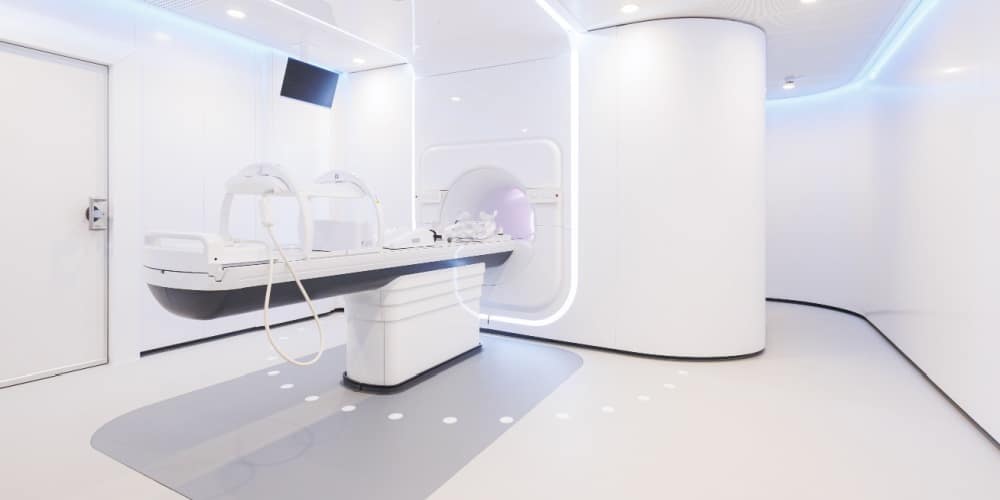
Unlike other treatments, MR Linac technology may also be preferred. This advanced technology combines magnetic resonance imaging (MRI) with radiotherapy, allowing real-time monitoring of tumors. Seeking support from a hospital that offers MR Linac services enables access to the latest treatment options.
How is Radiotherapy Applied?
Radiotherapy is typically applied by directing high-energy rays to the cancerous area through an external radiation device. Before the treatment process begins, the patient’s body is stabilized in the most suitable position for treatment, and the target area is carefully marked. These markings ensure that the rays are delivered to the correct area. During treatment, the patient must remain still. No pain is felt during the procedure. Sessions are generally applied five days a week, with each session lasting an average of 10-15 minutes. Treatment usually continues for several weeks. While the device directs rays to the designated cancerous tissue, it tries to minimize damage to healthy tissues. Radiotherapy can also be applied using the brachytherapy method, where radioactive material is placed directly into the tumor area. Treatment is personalized based on the stage of cancer and the patient’s condition.
What Are the Side Effects of Radiotherapy?
Some side effects may occur during and after the application of radiotherapy. The most common side effects include fatigue and temporary skin irritation in the treatment area. Conditions such as redness, dryness, or sensitivity may occur on the skin. These effects usually appear towards the end of treatment and can be alleviated with skin care products recommended by radiation oncology specialists. In the long term, changes such as hardening or shrinkage in the irradiated breast tissue may be observed. Additionally, although rare, a condition called lymphedema may occur in the treated area, resulting in localized swelling due to the ineffective drainage of lymph fluid. The side effects of radiation therapy can vary depending on the treated area and the dose used. However, radiation oncology specialists use precise techniques to minimize these effects by protecting healthy tissues as much as possible. Side effects can vary from person to person. Therefore, it is crucial to communicate with the doctor about any side effects experienced during treatment.
What Are the Differences Between Radiation Therapy and Surgical Intervention?
Radiotherapy and surgical intervention are two main treatment methods frequently used in breast cancer treatment. However, both methods serve different purposes. Surgical intervention aims to physically remove the tumor tissue. In early-stage cancers, the entire tumor can be treated by surgical removal. Lumpectomy (breast-conserving surgery) or mastectomy (complete removal of the breast) are among these methods. Surgical intervention is preferred, especially considering the size and location of the tumor. Radiation therapy uses high-energy rays to destroy cancer cells in the tumor area. Radiotherapy is typically used to eliminate remaining cancer cells after surgery. It is also applied to reduce the risk of cancer recurrence. Compared to surgical intervention, radiotherapy is less invasive and is performed over several weeks with sessions based on the patient’s overall condition. Both treatments can be combined based on the patient’s condition, the spread of cancer, and its stage. The choice of treatment is planned by radiation oncology specialists based on the patient’s overall health and the characteristics of the cancer.
Frequently Asked Questions
What is the Role of Radiation Therapy After Breast Cancer Surgery?
Radiation therapy applied after surgery plays an important role in breast cancer treatment. Even if the tumor is removed surgically, microscopic cancer cells may remain. Radiation therapy helps to eliminate these cells and reduces the risk of cancer recurrence. The treatment is often applied after breast-conserving surgery (lumpectomy) to minimize the likelihood of cancer returning.
Does Radiation Therapy Hurt?
Patients generally do not feel any pain or discomfort during radiation therapy. The rays from the radiotherapy device penetrate the relevant area of the body. Sessions are short, and the patient remains still throughout the treatment. However, side effects such as redness, sensitivity, or a slight burning sensation may occur during and after treatment. These side effects are usually mild and temporary.
Who is Radiation Therapy Suitable For?
Radiation therapy is particularly suitable for patients diagnosed with breast cancer who have undergone surgical treatment. It is often applied to almost all patients after breast-conserving surgery to reduce the risk of cancer recurrence. Additionally, after mastectomy, especially if the tumor is large or has spread to regional lymph nodes, radiotherapy is recommended. It can also be used in advanced-stage cancer patients to control metastasis and alleviate symptoms. Suitability for treatment depends on factors such as the patient’s overall health, the type of cancer, and its stage.
How Long Does Radiotherapy Last?
The duration of radiotherapy treatment varies depending on the type of cancer, its stage, tumor characteristics, and the treatment plan. Typically, treatment is applied for several weeks, five days a week. A typical treatment program can last between 3 to 6 weeks. Each session lasts about 10-15 minutes. Some patients may also have shorter intensive treatment options available. The treatment plan is personalized by the radiation oncologist.
Does Radiotherapy Cause Hair Loss?
Radiotherapy applied in breast cancer generally does not cause hair loss because the rays are directed only to the breast area. Hair loss is usually a side effect of radiotherapy applied to the head area. However, if the patient is receiving both radiotherapy and chemotherapy, hair loss may occur depending on the chemotherapy drugs used.
Does Radiotherapy Cause Burns?
Burn-like reactions may occur on the skin during radiotherapy. However, these side effects are usually mild and temporary. Skin issues such as redness, sensitivity, and peeling may arise in the treatment area. These side effects vary depending on the intensity of the rays applied and the patient’s skin type.
What Should Be Considered During Radiation Therapy?
During radiation therapy, skin care and general health are very important. Care should be taken for the treated area. Tight and restrictive clothing should be avoided, and loose, comfortable, and cotton clothes should be preferred to relax the area. It is also important to protect the treatment area from sunlight and to keep the skin moisturized. Since fatigue is a common side effect, it is essential to ensure adequate rest during the treatment period. A healthy diet and regular exercise also support the treatment process.
What is the Recovery Process After Radiotherapy?
The recovery process after radiotherapy can vary from person to person. Side effects such as fatigue and skin reactions may occur during and immediately after treatment. However, these effects usually begin to alleviate after treatment is completed and resolve on their own within 3-4 weeks. It is important to use creams recommended by your doctor for redness and sensitivity in the skin. Additionally, maintaining a balanced diet and light exercises during the recovery process can enhance overall well-being. Regular check-ups should not be neglected after radiotherapy.
What Are the Benefits of Chemotherapy and Radiation Therapy?
When chemotherapy and radiation therapy are used together in breast cancer treatment, they can yield effective results. Chemotherapy uses drugs to destroy cancer cells or stop their growth and is usually applied to shrink tumors or prevent metastasis. Radiation therapy, on the other hand, eliminates remaining cancer cells after surgery, reducing the risk of cancer recurrence. When these two treatments are used together, they can be effective at different stages of cancer and improve the patient’s quality of life, increasing long-term survival rates.
It is essential to consult your doctor for more information about radiation therapy in breast cancer treatment, to evaluate treatment options suitable for your personal situation, and to seek expert opinions. Since the treatment plan varies for each patient, the guidance of a professional healthcare team is critical during this process.