



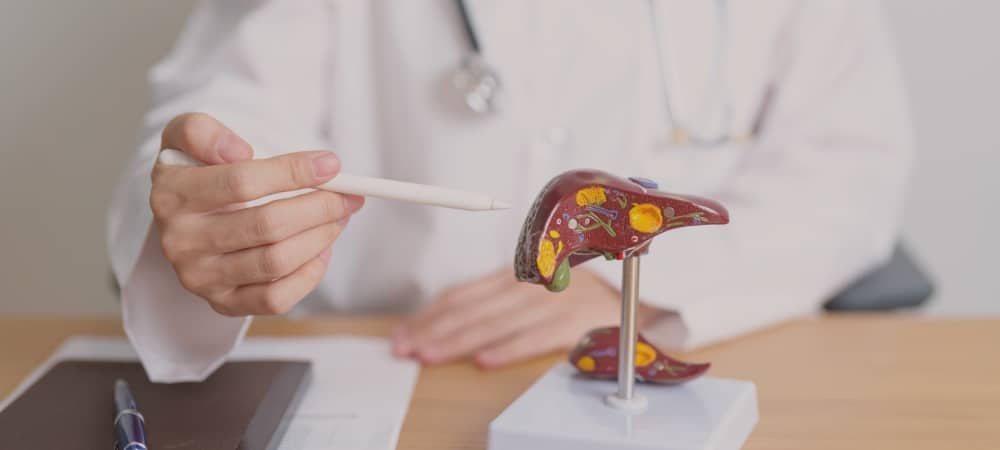
Liver Ablation
The liver is one of the largest internal organs in the body and performs many vital functions. However, in some cases, tumors that develop within the liver tissue can threaten these functions. When surgical intervention is not always possible or poses a risk to the patient, or when procedures can be performed without the need for surgery, a modern treatment method called liver ablation comes into play. This method focuses on directly neutralizing tumors at their site and is usually applied with a minimally invasive approach.
What is Liver Ablation?
Liver ablation is a treatment method aimed at destroying tumors in the liver without the need for surgical incisions. This procedure is generally used for tumors smaller than 3 cm located in specific areas of the liver. Tumor cells are directly targeted and neutralized using heat, cold, or chemical agents. The most commonly used techniques include radiofrequency ablation (RFA), microwave ablation (MWA), cryoablation (freezing), and chemical ablation (with suitable liquid solutions).
In Which Situations is Liver Ablation Applied?
The most common application area for liver ablation treatment is primary liver tumors known as hepatocellular carcinoma (HCC) that develop within the liver itself. Ablation can also be applied to a limited number of small tumors that have spread to the liver from other organs such as the colon, rectum, breast, or lungs. It is particularly effective in lesions that are smaller than 3 centimeters, few in number, and located in accessible areas of the liver.
In such cases, ablation offers an effective treatment method while supporting the goal of preserving the patient’s quality of life. Being a non-surgical method, it often stands out for its lower risk and faster recovery process.
Why is Liver Ablation Performed?
The purpose of liver ablation is to destroy tumor cells at their location as an alternative to surgery. This is particularly valuable in cases where the tumor is in a position that cannot be surgically removed or when the patient’s overall health condition cannot withstand major surgery. The primary goal of ablation is to eliminate the tumor, preserve the remaining healthy liver tissue, and provide the maximum benefit to the patient with the least burden possible.
In some patients, ablation may not only be a temporary solution but also the main treatment option for long-term tumor control. It can yield very successful results, especially in individuals with early-stage liver cancer who are not suitable for options like transplantation or resection. Additionally, it may be preferred in patients waiting for liver transplantation to halt tumor progression and gain time.
This method can also help prevent the spread of the tumor to other parts of the body. Locally destroying tumor cells can slow disease progression and, when used in conjunction with other treatments (such as chemotherapy, immunotherapy, targeted therapies), can enhance the overall treatment success for the patient.
How is the Decision for Liver Ablation Made?
The decision for liver ablation is made after a multi-layered evaluation process. Since there is no standard treatment that can be applied to every patient, a detailed diagnostic analysis must be conducted before the procedure. First, the patient’s overall health status, liver functions, the number, size, and location of existing tumors are carefully examined. Factors such as whether the liver has the capacity to remove the tumor, the presence of possible other diseases, and the tumor’s potential for spread are determining.
One of the most commonly used methods during the diagnostic process is imaging techniques. Computed tomography (CT) and magnetic resonance imaging (MRI) clearly reveal the tumor’s location, size, and relationship with blood vessels in the liver. In some cases, these two methods are used together, as MRI provides superior results, especially in soft tissue details. Ultrasound can provide real-time guidance during both the diagnostic process and the ablation procedure. Advanced imaging tests such as PET-CT or whole-body scans are used to assess spread. Additionally, blood tests are crucial for understanding the biological behavior of the disease. The level of AFP (alpha-fetoprotein), a tumor marker specific to liver cancer, is frequently examined during this process. In some cases, a biopsy may be necessary to make a definitive diagnosis; this clarifies the type of tumor and allows for a more confident determination of whether ablation is a suitable option.
At the end of the diagnostic process, if the number of tumors is limited to one or a few, their size is generally smaller than 3 centimeters, and they have not spread to other organs, the patient is considered suitable for ablation. However, this decision must be evaluated specifically by a multidisciplinary team. The aim in this process, where oncology, interventional radiology, gastroenterology, and surgical branches work together when necessary, is to determine the most appropriate, effective, and safe treatment path.
How is Liver Ablation Performed?
Liver ablation is a highly precise procedure that is generally performed minimally invasively. Before the procedure, the patient is thoroughly informed, and the method to be applied is selected based on the tumor’s location and the patient’s overall condition. During the ablation procedure, the target is to reach the area where the tumor is located directly, neutralizing tumor cells while minimizing damage to the surrounding healthy tissue. The procedure is usually performed under sedation or light anesthesia. Once patient comfort is ensured, imaging devices (ultrasound, CT, or MRI) are used to identify the tumor foci in the liver. Subsequently, a thin needle or probe is used to directly access the tumor or its vicinity through the skin to initiate ablation. Depending on the type of technique applied, one of the following methods is generally selected:
- Radiofrequency ablation (RFA): Radiofrequency ablation is performed by entering the tumor with a needle under ultrasound or CT guidance. RFA generates heat using radiofrequency energy to controllably destroy the tumor in the liver tissue. This method is the most commonly used type of ablation, especially effective for small hepatocellular carcinoma tumors.
- Microwave ablation (MWA): Microwave energy raises the intracellular temperature, causing tumor cells to vaporize and break down. It may be preferred for larger lesions.
- Cryoablation: Tumor cells are killed by being rapidly frozen. In this method, temperatures as low as -176 degrees are applied via a probe.
- Alcohol injection: In some cases, pure alcohol is injected into the tumor to chemically destroy the cells. This method is generally preferred for small and easily accessible tumors.
Radiofrequency ablation for liver tumors is generally a safe technique preferred for single, small tumors under 3 cm. It can provide long-term tumor control with repeated applications and is effective in extending lifespan. The procedure duration typically varies between 30 to 90 minutes. If there are multiple lesions or if the tumor is in a difficult-to-access area, the procedure may take longer. After ablation, the patient is usually placed under short observation; if no serious complications develop, they may be discharged on the same day or the next day. The recovery time is much shorter compared to classical surgical operations, and the patient can return to normal life within a few days.
The successful outcome of this entire process is directly related to the quality of the equipment used as well as the experience of the team performing the procedure. Therefore, liver ablation should be performed in specialized centers. This method, meticulously planned at every stage, offers a highly effective and safe treatment option when the right patient is selected.
Frequently Asked Questions
For Which Tumors is Liver Ablation Applied?
Liver ablation is most commonly used in liver cancer known as hepatocellular carcinoma (HCC). This type of tumor originates from liver cells and is a very effective treatment option when detected early, especially in the context of cirrhosis. Ablation can also be successfully applied in liver metastases.
Is Liver Ablation Risky?
In general, liver ablation is a low-risk procedure. It is much less invasive than surgery, making it particularly preferred for older individuals or those with accompanying diseases. However, it is not completely risk-free. Temporary side effects such as mild pain, fever, or fatigue may occur after the procedure. Rarely, complications such as infection, bleeding, or damage to the bile ducts may arise. Therefore, ablation should always be performed by experienced specialists in centers with appropriate medical equipment.
Is Liver Ablation Better than Open Surgery?
This should be evaluated based on the patient’s overall condition, tumor characteristics, and suitability for surgery. Surgery can ensure complete removal of the tumor; however, not every patient is suitable for this. Ablation offers an alternative that can be as effective as surgery but carries much lower risk. Hybrid approaches that combine both methods are also becoming increasingly common.
What is the Procedure for Liver Ablation?
It is a highly targeted, minimally invasive intervention. It directly intervenes in the tumor foci without spreading throughout the body. It is a comfortable, quick recovery process for the patient and is generally a repeatable treatment method.
How Long Does Liver Ablation Take?
The duration of the procedure varies depending on the number and size of the tumors, averaging between 30-90 minutes. Including the follow-up process, the total hospital stay usually does not exceed one day.
Does Liver Ablation Recur After Treatment?
Liver tumor ablation is used in patients where surgery cannot be performed to stop or shrink tumor growth. The nature of the tumor and the patient’s overall condition are decisive in this regard. In some patients, the tumor may not reappear for several years after the procedure, while in others, new lesions may develop within a few months. Therefore, regular follow-up and imaging are very important.
What is the Recovery Process After Liver Ablation?
The recovery process is generally quick. The patient can return to normal life within a few days after the procedure. Mild fatigue and discomfort in the abdominal area may be experienced. Pain is usually manageable with painkillers. It is beneficial to rest for a few days upon the doctor’s recommendation.
What Should Nutrition Be Like After Liver Ablation?
After the procedure, a balanced and low-fat diet that protects liver health is recommended. Alcohol consumption is strictly not recommended. A diet rich in fresh vegetables and fruits, avoiding processed foods, contributes to liver regeneration. Protein needs should be met at adequate levels, but dietary supervision is important to avoid increasing the liver’s burden.
Is Liver Ablation Covered by SGK?
Liver ablation is considered a procedure covered by SGK in many cases. However, the patient’s condition, the technology used, and the agreements of the center may affect this situation. It is beneficial to obtain detailed information from the healthcare institution before the procedure.
Which Department Should I Go to for Liver Ablation?
This procedure is usually performed by interventional radiology units. However, it requires multidisciplinary teamwork with departments such as oncology, gastroenterology, and general surgery. The initial consultation is usually made through internal medicine or oncology outpatient clinics.
If you have concerns about your liver health, early diagnosis and proper treatment are crucial. To get detailed information about liver ablation and to make an appointment with our expert INTERVENTIONAL RADIOLOGY doctors, contact us.