

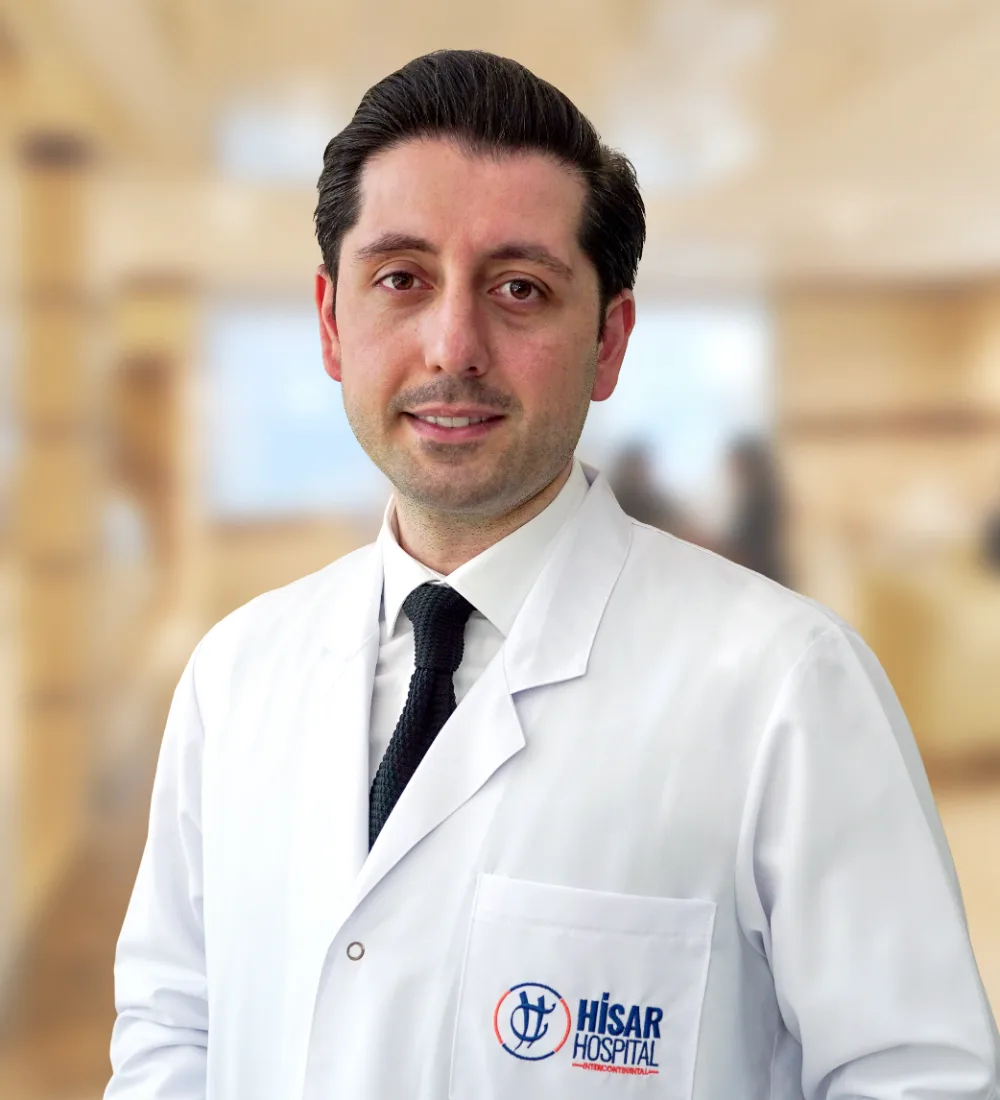
Doctor
Psychologist Abdulkadir Bulut
- Specialist physician
- Hisar Hospital
Areas of Expertise
- Therapy for Cancer Patients and Their Relatives (Psycho-Oncology)
- Child and Adolescent Psychology and Developmental Monitoring
- Adult Psychology and Areas of Therapy
- Child-Centered Play Therapy
- Psychological Assessment and Intelligence Tests
Education
- Bachelor's Degree: İstanbul Arel Üniversitesi – Psychology
Professional Experience
- Bakırköy Ruh ve Sinir Hastalıkları Hastanesi (Bakırköy Mental Health and Neurological Diseases Hospital)
- TÜZDER - Tüm Üstün Zekalılar Derneği (Association for All Gifted Individuals)
Hospitals
Yamanevler Mah. Site Yolu Cad. No: 7 34768 Ümraniye / Istanbul
A graduate of the Department of Psychology at İstanbul Arel Üniversitesi, Psychologist Abdulkadir Bulut focuses his clinical work primarily on Psycho-Oncology (Cancer Psychology), Adult Therapy, and Child and Adolescent Psychology.
He conducts comprehensive therapeutic work aimed in particular at supporting cancer patients and their relatives through the psychological processes of diagnosis, treatment and the period that follows. In this context, he specializes in strengthening the psychological resilience of patients and their families, acceptance of the illness, coping with anxiety and fears, and improving communication within the family.
At the same time, maintaining his expertise in the field of child and adolescent psychology, he continues to provide professional support to child and adolescent clients in the areas of cognitive assessment, Intelligence Tests (WISC-IV), Attention Deficit, Learning Difficulties, Attachment Problems, Social Anxiety and Behavioral Problems.
Medical Areas of Interest
1. Therapy for Cancer Patients and Their Relatives (Psycho-Oncology)
Acceptance of and Adjustment to Cancer: Facilitating the patient's adjustment to the diagnosis and to the treatment process (chemotherapy/radiotherapy) by working through the feelings of shock, denial, anger, helplessness and uncertainty experienced after diagnosis.
Anxiety About the Future and Fear of Recurrence (Relapse): Management of the fear of recurrence and intense uncertainty-related anxiety that arise during treatment or in the period of remission (recovery).
Fear of Death and Existential Concerns: Emotional support and therapeutic interventions for coping with existential concerns, loss and the fear of death triggered during the course of the illness.
Explaining the Cancer Process to Children and the Family: Parental counseling so that parents who receive a diagnosis can convey the situation to their children in a manner appropriate to their developmental level and without traumatizing them.
Difficulty Disclosing the Illness to One's Social Circle: Therapeutic support addressing reluctance to disclose the illness to others, avoidance of being pitied, fear of stigmatization, and the prevention of the social isolation that the illness may bring.
Social Environment and Family Adjustment in Cancer Patients: Changing roles within the family during the illness, attitudes from the social environment, and the establishment of healthy boundaries in patient–relative relationships.
Psychological Support for Patients' Relatives: Guidance and support aimed at alleviating the burnout, guilt and emotional burden experienced by caregivers (patients' relatives).
2. Child and Adolescent Psychology and Developmental Monitoring
(Monitoring of Mental, Social and Emotional Development in Children and Adolescents)
Self-Related Problems: Shyness, lack of self-confidence, quickly falling out with and being easily hurt by peer groups, overconfidence and disregard for boundaries towards the social environment, self-deprecation and self-dislike, inability to express oneself in social settings.
Relationship Problems: Anger towards parents, shouting and not listening, difficulty making friends, timidity in the social environment and among friends, inability to express oneself, giving in at one's own expense.
Speech Problems: Not being understood when speaking, stuttering and the resulting loss of self-confidence, speaking only with certain people due to social anxiety (timidity).
School Problems: Inability to follow lessons, restlessness and inability to stay seated in class, attention problems, difficulty with and reluctance towards reading and writing, learning difficulties, easily forgetting what has been learned, test anxiety.
Sleep Problems: Difficulty falling asleep, teeth grinding during sleep, frequent nightmares, frequent night waking, inability to sleep, inability to sleep alone.
Eating Problems: Holding food in the mouth for long periods, nausea with many foods, loss of appetite, vomiting during meals, swallowing problems, forced eating.
Toileting Problems: Bedwetting during sleep, holding and then having accidents while playing, having accidents because of being unable to ask in social settings.
Aggression and Anger Problems: Hitting parents or siblings, immediately shouting and lashing out under stress, reacting angrily towards friends and bullying.
Crying Spells: Children who often hold their breath when crying, children who cry in every situation they perceive as a problem and repeatedly become breathless.
3. Adult Psychology and Areas of Therapy
Divorce and Grief Processes: Adaptation during divorce, adjustment difficulties after the end of a relationship, and coping with emotional distress following loss and bereavement.
Anxiety Disorders and Panic Attacks: Management of generalized anxiety that restricts daily life, panic attacks, sudden-onset fear and physical symptoms of anxiety.
Mood Disorders (Depression, etc.): Working with persistent sadness, lack of motivation, inability to enjoy life (anhedonia), a feeling of chronic fatigue and depressed mood.
Social Phobia and Lack of Self-Confidence: Fear of public speaking, fear of embarrassment in social situations, inability to express oneself and low self-worth.
Trauma and Related Disorders: Coping with the stress and triggers resulting from past distressing life events, accidents, losses or traumatic experiences.
Stress Management and Work–Life Balance: Healthy management of burnout at work, an excessive burden of responsibility, time management difficulties and the stress of daily life.
Relationship Problems (Friendships, Family and Romantic Relationships): Communication breakdowns, conflict management, impasses in romantic relationships and difficulties setting boundaries.
Attachment Problems and Attachment Styles: Excessive dependence or avoidant attitudes in relationships, fear of abandonment and difficulties in establishing emotional intimacy
Training, Certificates and Seminars Attended
Specialized Professional Training
Psiko-Onkologlar Derneği (Psycho-Oncologists Association): Training on Working Skills and Competencies with Cancer Patients and Their Relatives
Cognitive Behavioral Therapy (CBT) Training for Adults
Child-Centered Play Therapy Training
Psychological Assessment and Intelligence Tests
WISC-IV Intelligence Test (Wechsler Intelligence Scale for Children - IV)
WISC-R Intelligence Test (Wechsler Intelligence Scale for Children - R)
Stanford-Binet Intelligence Test
EPoC (Evaluation of Potential Creativity) Creativity Test
Child Assessment Practitioner Training
Metropolitan Readiness Test (School Readiness)
Burdon Attention Test & Frankfurter Attention Test
Congresses and Certificates of Attendance
International Capacity Building Conference on: Excellence, Innovation, Creativity, and Giftedness
Dahiler ve Üstün Zekalılar Günü Seminer Serisi (Geniuses and Gifted Individuals Day Seminar Series: "Dahilere Değer", "Dahiler Dahildir")
Related content
Child and Adolescent Psychology- What is Autism? Symptoms, Causes, Diagnosis, and Treatment ProcessChild and Adolescent Psychology
- Causes and Treatment of Involuntary Movements in Children?Child and Adolescent Psychology
- What Is Anxiety Disorder in Children?Child and Adolescent Psychology
- What Is Hyperactivity in Children? What Are the Treatment Methods?Child and Adolescent Psychology
- Symptoms and Treatment of Behavioral Disorders in ChildrenChild and Adolescent Psychology
- Why Does Attention Deficit Occur in Children?Child and Adolescent Psychology
Doctor
Psychologist Abdulkadir Bulut
The Hisar Hospital Web and Medical Editorial Board contributed to the development of this content. All content on this website is provided for general informational purposes only. Please consult a physician for the evaluation, diagnosis and treatment of your condition.
Last Updated: