

Physical Medicine and Rehabilitation
Physical Medicine and Rehabilitation is a department that deals with diagnosis and treatment of the diseases involving the musculoskeletal system and also with restoring a healthy social life for patients who are disabled due to a reason whatsoever. Physical Medicine and Rehabilitation Department of Hisar Hospital Intercontinental aims to provide healthcare services that are up-to-date and meet provisions of ethics and international standards for patients who meet indications of physical therapy and/or rehabilitation at inpatient or outpatient settings. Physical medicine and rehabilitation department delivers healthcare services at examination rooms, physiotherapy rooms and exercise halls, which are equipped with state-of-the-art medical devices, and outpatient, inpatient and critical-care patients are managed by our experienced physiatrists and physiotherapists.
About the Department
The scope, approach and highlighted services of the department.
The Physical Medicine and Rehabilitation department is the medical specialty involved in non-surgical treatment of diseases of the musculoskeletal system. Improving the impairment caused by diseases that lead to musculoskeletal insufficiency falls within the scope of physical medicine and rehabilitation. Physical therapy and rehabilitation are recommended for trauma-related conditions, diseases that genetically affect the musculoskeletal system and neurological diseases that cause difficulty with movement. Pain problems, herniated discs, sports injuries, rheumatic diseases and neurological diseases are among these indications.
Physical therapy is carried out in sessions; the length of each session varies according to the treatment the patient receives, and sessions for the rehabilitation of neurological diseases may be scheduled differently and last longer. Physical therapy is a method that can also be applied on its own, independently of rehabilitation. The goal of rehabilitation is to enable patients to maintain their own quality of life. To achieve this, physical medicine physicians use a range of methods such as thermotherapy (heat application), cryotherapy (cold applications), heliotherapy (sunlight therapy), hydrotherapy (water-based treatment), electrotherapy, ultrasound and laser.
A physical therapy and rehabilitation hospital or center aims to restore the patient's quality of life to the best level it was before the illness and to minimize the physical difficulties that hold the patient back. The physical medicine and rehabilitation department deals with strengthening muscles, relieving pain and conditions that require recovery after trauma or injury. Although physical medicine and rehabilitation is a medical department, physiotherapists, who are certified healthcare professionals, work alongside the specialist physicians.
What Is Physical Medicine and Rehabilitation?
The primary aim of the physical medicine and rehabilitation department is to improve people's quality of life and help them maintain a healthy life. It provides a multidisciplinary approach to treating physical health problems and restoring the patient's restricted functions. Conditions such as post-operative recovery, movement restrictions and pain relief fall within the indications of physical medicine and rehabilitation.
Methods specific to the patient's condition are chosen to ensure recovery. These methods include manual therapy, in which the physical medicine and rehabilitation specialist uses their hands to mobilize soft tissues and reduce muscle tension, pain and restriction; thermotherapy, which increases blood circulation and relaxes the muscles; and cryotherapy, i.e. cold applications, used to reduce pain and swelling or to control inflammation.
These methods do not have to be used one at a time; with the patient's best interest in mind, a personalized program can be prepared by combining these applications. The leading method for improving the patient's mobility is exercise therapy, and personalized exercise programs for developing muscle strength are prepared in combination with physical medicine and rehabilitation methods.
Physical medicine and rehabilitation does not only relieve symptoms; it is also accepted as a treatment option for certain acute and chronic conditions. In terms of achieving long-term results and helping patients regain the ability to carry out their daily activities, this department is an important tool on the path to treatment.
What Are the Symptoms of Conditions Treated in Physical Medicine and Rehabilitation?
The symptoms of patients who need follow-up at a physical therapy center may vary depending on the type of disease and the person's general health. Some of the most common symptoms are:
Restricted movement
Muscle weakness
Imbalance
Pain
Coordination problems
Loss of function
Lower back or neck pain
Joint stiffness
Strain during movement
Swelling, bruising
Weakness on one side of the body in stroke patients
Loss of balance
Speech disorders
Tremor
Loss of sensation
Complaints such as swelling, bruising or restricted movement are often seen in people with sports injuries, whereas loss of sensation and one-sided weakness are seen in stroke patients; tremor, speech disorders and loss of function may be seen in diseases caused by neurological problems.
Another field that benefits greatly from physical medicine and rehabilitation is rheumatology. Since joint involvement is a common symptom in people with rheumatological diseases, restoring joint function is again achieved through physical therapy. When creating personalized treatment plans and deciding which method will be applied, the patient's general health and symptoms are taken into account.
How Are Conditions in Physical Medicine and Rehabilitation Diagnosed?
In the physical medicine and rehabilitation process, the diagnostic list includes the patient's physical condition, functional capacity, movement restrictions and factors affecting quality of life. Diagnosis is a series of comprehensive steps consisting of medical history, assessment and tests. It begins with taking the patient's medical history and examining the reported symptoms in detail. The severity, duration and onset of the symptoms, whether there is morning stiffness and which movements are restricted are learned in detail. During the physical examination, assessments such as joint range of motion, sensory tests, muscle strength and reflex tests are performed.
Techniques such as X-ray, magnetic resonance imaging (MRI) and computed tomography (CT) play an important role in determining the extent of damage to the musculoskeletal system and choosing the treatment method accordingly. In addition, laboratory techniques are used for the diagnosis and differential diagnosis of certain rheumatic and neurological diseases.
If a preliminary diagnosis concerning rheumatology, neurology or orthopedics is suspected, the diagnostic tests may change in light of this information. Finally, the patient's functionality is assessed. Their physical strength, mobility, balance, coordination and the difficulties they experience during certain activities are determined. In light of all these assessments and the physical medicine and rehabilitation diagnostic list, a diagnosis is made by adopting a multidisciplinary approach.
How Are Conditions in Physical Medicine and Rehabilitation Treated?
Physical medicine and rehabilitation plans appropriate treatment for each person's condition. Physical medicine specialists monitor patients' recovery, plan treatment and make changes when necessary to help patients achieve the best results. Some of the methods used in the treatment of conditions in physical medicine and rehabilitation are:
Patient Assessment: The physical medicine and rehabilitation process begins with a comprehensive assessment of the patient's condition. This assessment covers factors such as the patient's medical history, symptoms, physical functions, movement restrictions and lifestyle.
Treatment Plan: The treatment plan usually includes various treatment methods such as physiotherapy carried out under the supervision of a specialist physician, exercise programs, manual therapy, electrotherapy and hydrotherapy.
Physiotherapy and Exercises: Physiotherapy consists of special exercise and movement programs designed to increase muscle strength, improve flexibility, reduce pain and relieve movement restrictions. These exercises are generally aimed at improving the patient's activities of daily living.
Manual Therapy: Manual therapy uses hands-on techniques performed by physiotherapists. These techniques are used to increase the range of motion of the joints, reduce muscle tension, relieve pain and correct posture.
Electrotherapy: Electrotherapy uses devices such as ultrasound, laser and electrical stimulation to reduce pain, relieve muscle spasms and accelerate healing.
Hydrotherapy and Aquatherapy: Hydrotherapy includes treatment methods that make use of the therapeutic properties of water. In particular, the buoyancy and resistance of water can help patients improve their mobility and reduce pain.
Rehabilitation Programs: The physical medicine and rehabilitation process usually includes a rehabilitation program. These programs aim to help patients regain their activities of daily living, improve their functionality and regain their independence.
Frequently Asked Questions
Are Orthopedics and Physical Therapy the Same?
Orthopedics and physical therapy are not the same medical departments. Orthopedics deals with the treatment of bone, joint and muscle diseases, while physical medicine physicians plan treatment methods for the rehabilitation of musculoskeletal diseases and the restoration of mobility.
What Is the Difference Between Physical Therapy and Physiotherapy?
Physical therapy refers to a broader scope. Physiotherapy is a sub-branch of physical therapy that focuses on increasing patients' mobility and improving their quality of life. Physiotherapy usually plans treatment through exercise, manual therapy and other physical methods.
Who Should Not Receive Physical Therapy?
Physical therapy may be inadvisable for people with active infections, in advanced stages of certain cancers or in conditions with a risk of bleeding. In addition, caution is required in severe heart failure, acute thrombosis and certain neurological conditions, and a physical medicine specialist should be consulted.
In Which Situations Is Physical Therapy Not Applied?
Physical therapy should not be applied in cases of active infection, severe heart failure or a high risk of bleeding. In addition, applying physical therapy may require caution in some advanced-stage cancers, acute thrombosis and certain neurological disorders.
What Does the Electrical Current Used in Physical Therapy Do?
The electrical current used in physical therapy can help reduce pain, relax muscle spasms, improve circulation and increase muscle strength. In some cases, electrical current can also be used to promote tissue healing and restore physical function.
Is There Pain After Physical Therapy?
In some cases, temporary pain or discomfort may be felt after physical therapy. This is usually related to the treatment moving the muscles and tissues and is part of the body's adaptation process. However, if pain increases during treatment or persists for a long time, it is important to contact your doctor.
Physical therapy is a medical department that works to treat patients' physical health problems and restore their restricted functions. Patients who need physical therapy can start treatment by making an appointment with the physical medicine and rehabilitation department of a hospital.
OUR TEAM
Your health is more valuable to us than anything…
Şule SIDAR
PHYSIOTHERAPIST IN CHARGE
Nursaç UĞURTAŞ AYKUT
PHYSIOTHERAPIST
Senanur ÇETİN
PHYSIOTHERAPIST
Hilal TATAR
PHYSIOTHERAPIST
Zordar ASLAN
PHYSIOTHERAPIST
Merve Nur İskefiyeli
PHYSIOTHERAPIST
Our Areas of Practice:
Musculoskeletal diseases :
Neck Pain: Cervical disc herniation, osteoarthritis, posture disorders, etc.
Lower Back Pain: Lumbar disc herniation, spondylolisthesis, osteoarthritis, back pain during pregnancy, etc.
Shoulder Pain: Frozen shoulder, tendinitis, bursitis, etc.
Back Pain: Muscle pain, scoliosis, posture disorders, etc.
All types of joint pain, including the elbow, wrist, hip, knee and ankle
Soft tissue diseases such as fibromyalgia and myofascial pain syndrome, widespread body pain
Orthopedic Rehabilitation: Rehabilitation after orthopedic procedures on areas such as hip and knee replacement, meniscus, anterior cruciate ligament and shoulder, and after fractures
Neurological Rehabilitation: Rehabilitation of right or left arm and leg paralysis after stroke, paralysis after head trauma, paralysis affecting the arms and legs after spinal cord injury, facial paralysis, nerve injury and neurological diseases such as multiple sclerosis and Parkinson's disease
Pediatric Rehabilitation: Cerebral palsy, paralysis due to spina bifida, torticollis, brachial plexus injury occurring during birth
Rehabilitation after neurosurgery: paralysis affecting various parts of the body after neurosurgery
Rehabilitation of inflammatory rheumatic diseases: arthritic conditions such as rheumatoid arthritis and ankylosing spondylitis
Hand Rehabilitation: Rehabilitation after fractures, tendon and nerve injuries and related surgeries
Osteoporosis (bone loss): pain in the back and hip region due to bone loss, bone pain due to vertebral fractures,
Burn Rehabilitation: treatment of sequelae after burns
For our patients who have been assessed by a physician, diagnosed and given a treatment plan, we provide services with our physiotherapists, treatment rooms and equipment until 20:00.
The Physical Medicine and Rehabilitation department is the medical specialty involved in non-surgical treatment of diseases of the musculoskeletal system. Improving the impairment caused by diseases that lead to musculoskeletal insufficiency falls within the scope of physical medicine and rehabilitation. Physical therapy and rehabilitation are recommended for trauma-related conditions, diseases that genetically affect the musculoskeletal system and neurological diseases that cause difficulty with movement. Pain problems, herniated discs, sports injuries, rheumatic diseases and neurological diseases are among these indications.
Treatment Methods
The main treatments and procedures performed in our department.
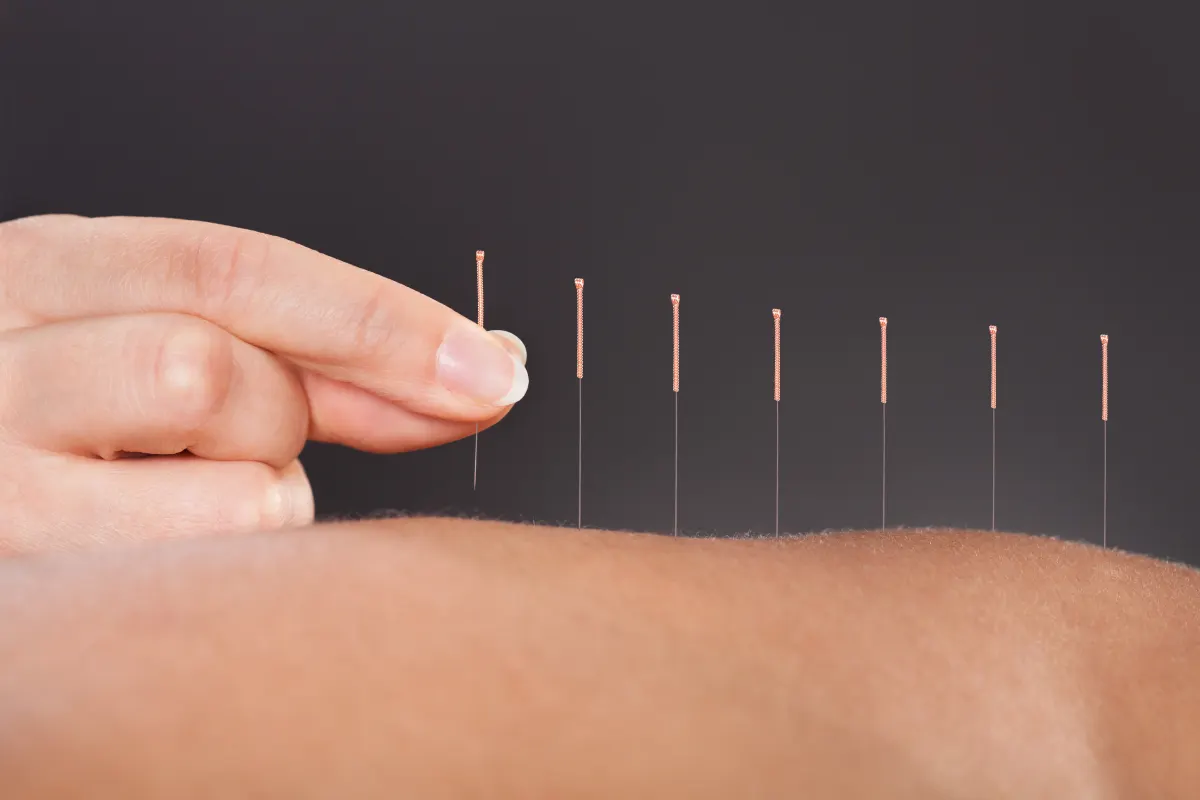
Dry Needling for Muscle Pain: A Non-Surgical Approach
Physical Medicine and Rehabilitation
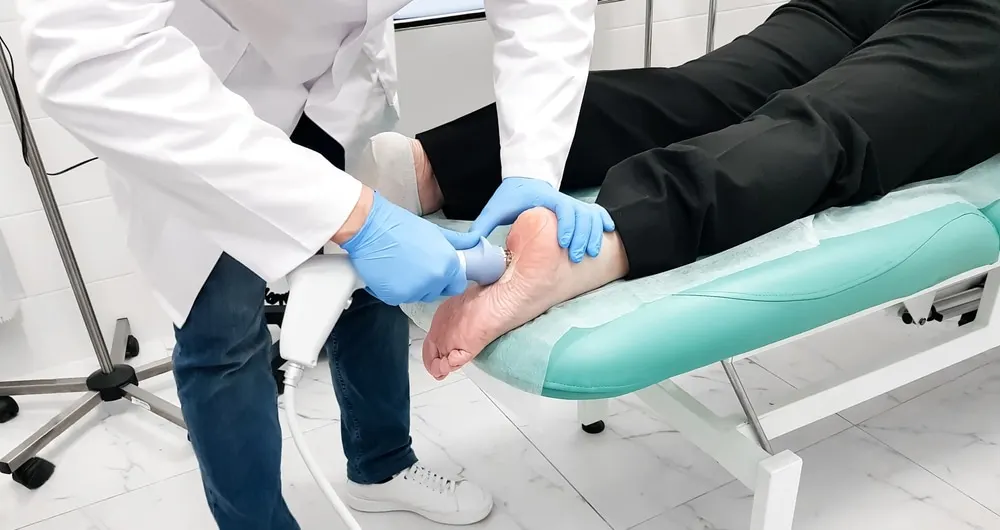
ESWT (Shock Wave Therapy)
Physical Medicine and Rehabilitation
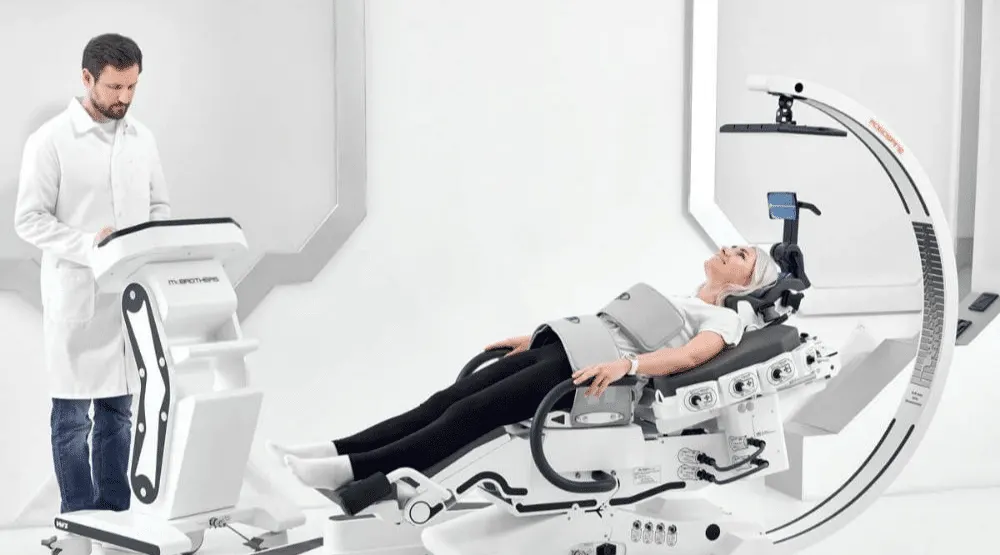
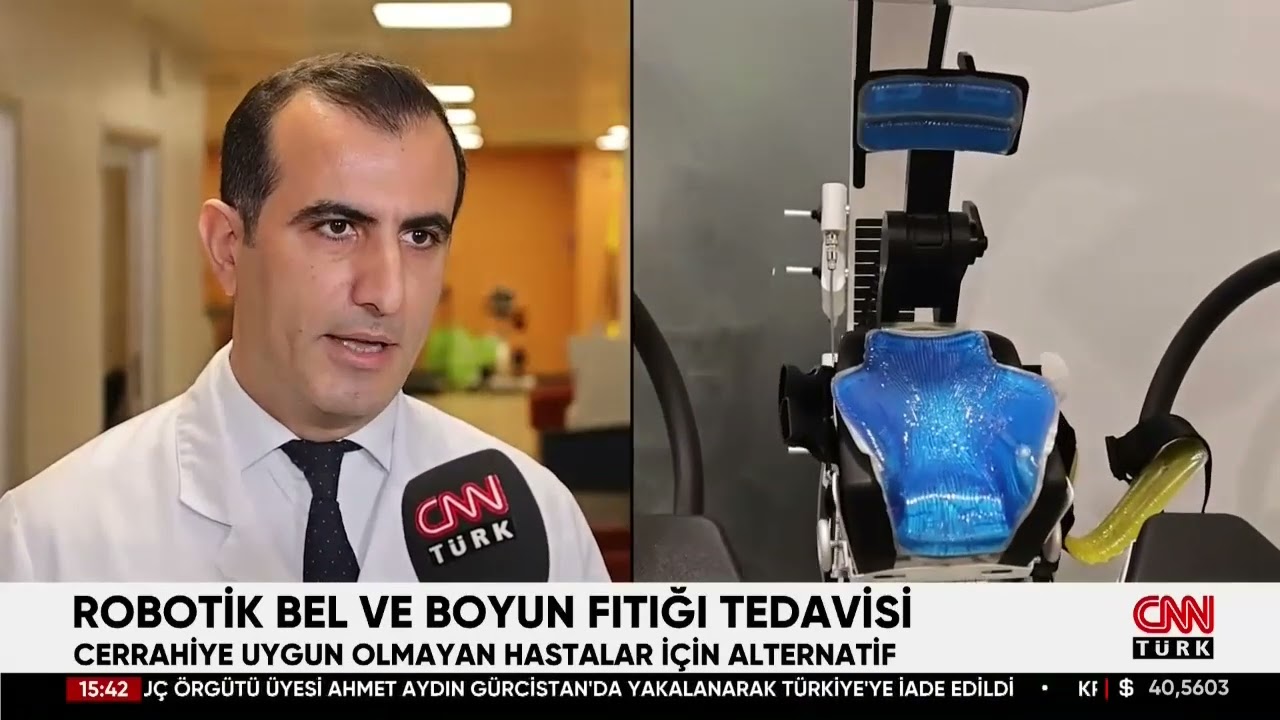
Robospine - Non-Surgical Robotic Treatment for Lumbar and Cervical Disc Herniation
Physical Medicine and Rehabilitation
What is Neural Therapy? How is it Applied and Which Conditions is it Effective For?
Physical Medicine and Rehabilitation
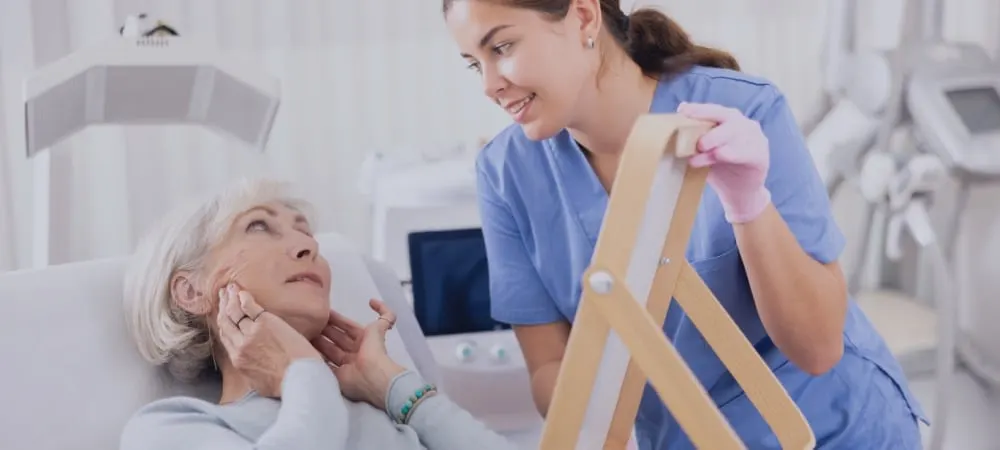
What is Mesotherapy? How is it Performed and What are its Benefits?
Physical Medicine and Rehabilitation
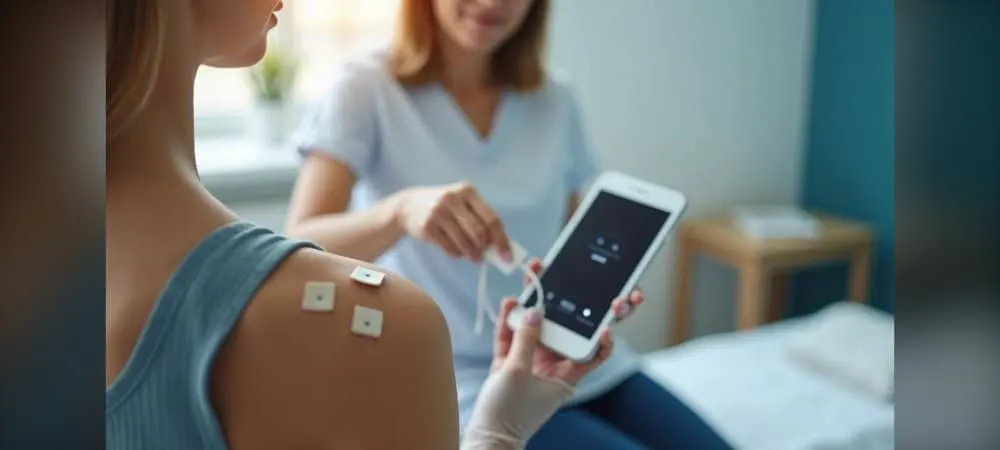
What is a TENS Device? Where Is It Used?
Physical Medicine and Rehabilitation
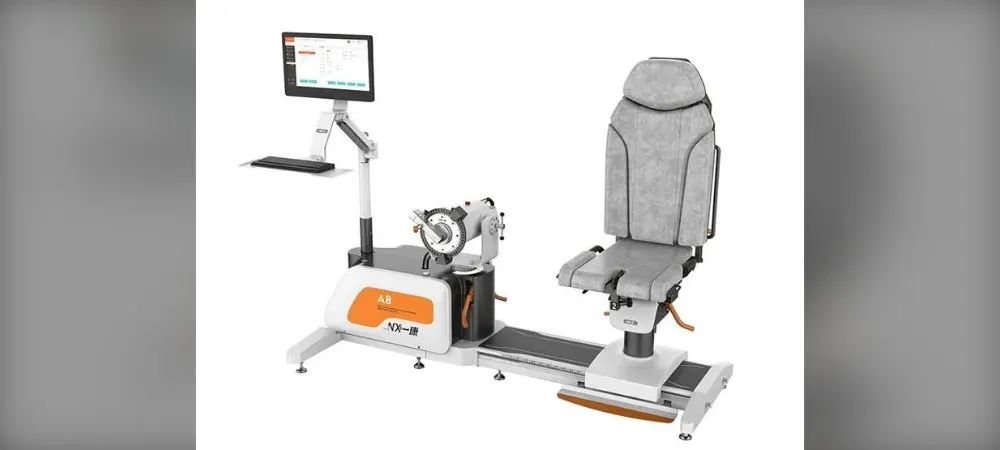
What is an Isokinetic Device? Where Is It Used?
Physical Medicine and Rehabilitation
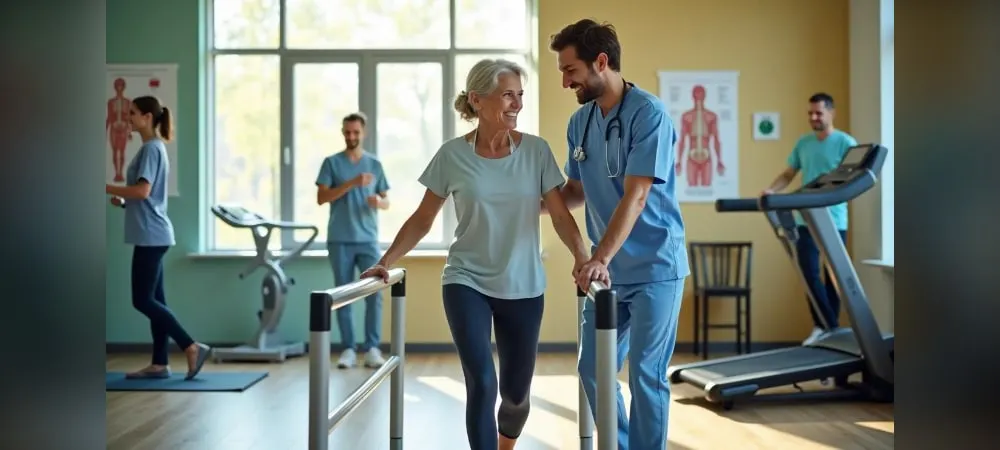
What is Neurological Rehabilitation? Who Is It For?
Physical Medicine and Rehabilitation
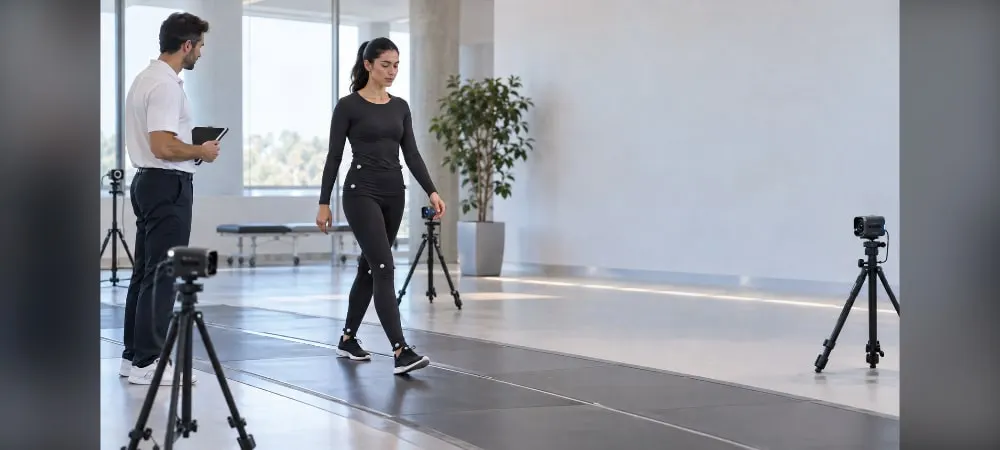
What is a Gait Analysis Test? Who Is It For?
Physical Medicine and Rehabilitation
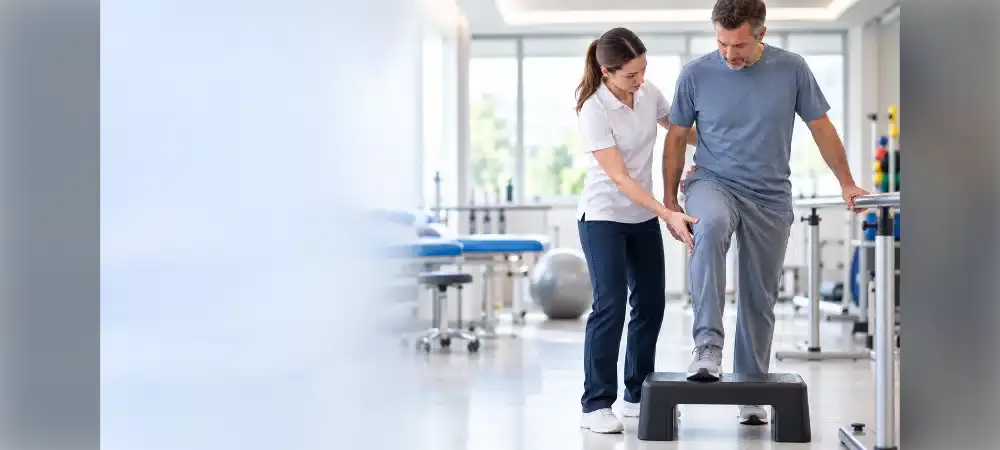
What Is Orthopedic Rehabilitation? Who Is It For and How Is It Applied?
Physical Medicine and Rehabilitation
Conditions Covered
The main conditions within the department’s diagnosis and treatment scope.
- Lumbar Flattening (Hypolordosis): What Causes It? What Are the Treatment Options?
- What Is Fibromyalgia? What Causes It? How Is It Treated?
- What Is Joint Osteoarthritis (Arthrosis)?
- What Are the Treatment Methods for Tennis Elbow?
- What is Lipedema? Symptoms, Causes, and Treatment Methods
- What is Myalgia? Symptoms, Causes, and Treatment Methods
- What is Facet Joint Syndrome? Symptoms, Causes, and Treatment Methods
- What is Cervical Flattening? Symptoms, Causes, and Treatment Methods
- Take Back Pain Seriously! It May Not Always Be an Innocent Warning.
- What is Ankylosing Spondylitis? What Are Its Symptoms? How Is It Diagnosed and Treated?
- What is a Muscle Spasm? What Are the Symptoms? How Is It Treated?
- What is Chondromalacia Patellae (Runner's Knee)? What Are the Symptoms? How Is It Treated?
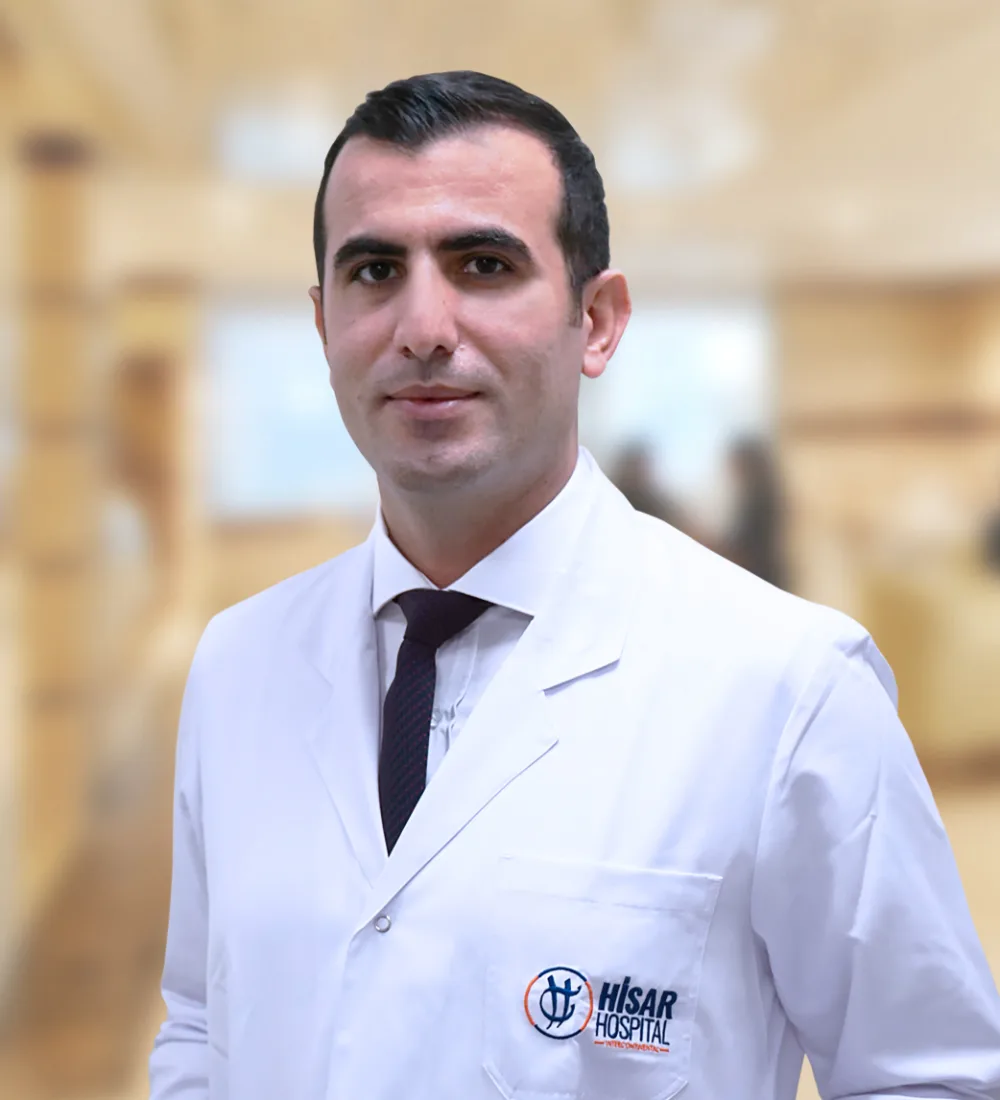
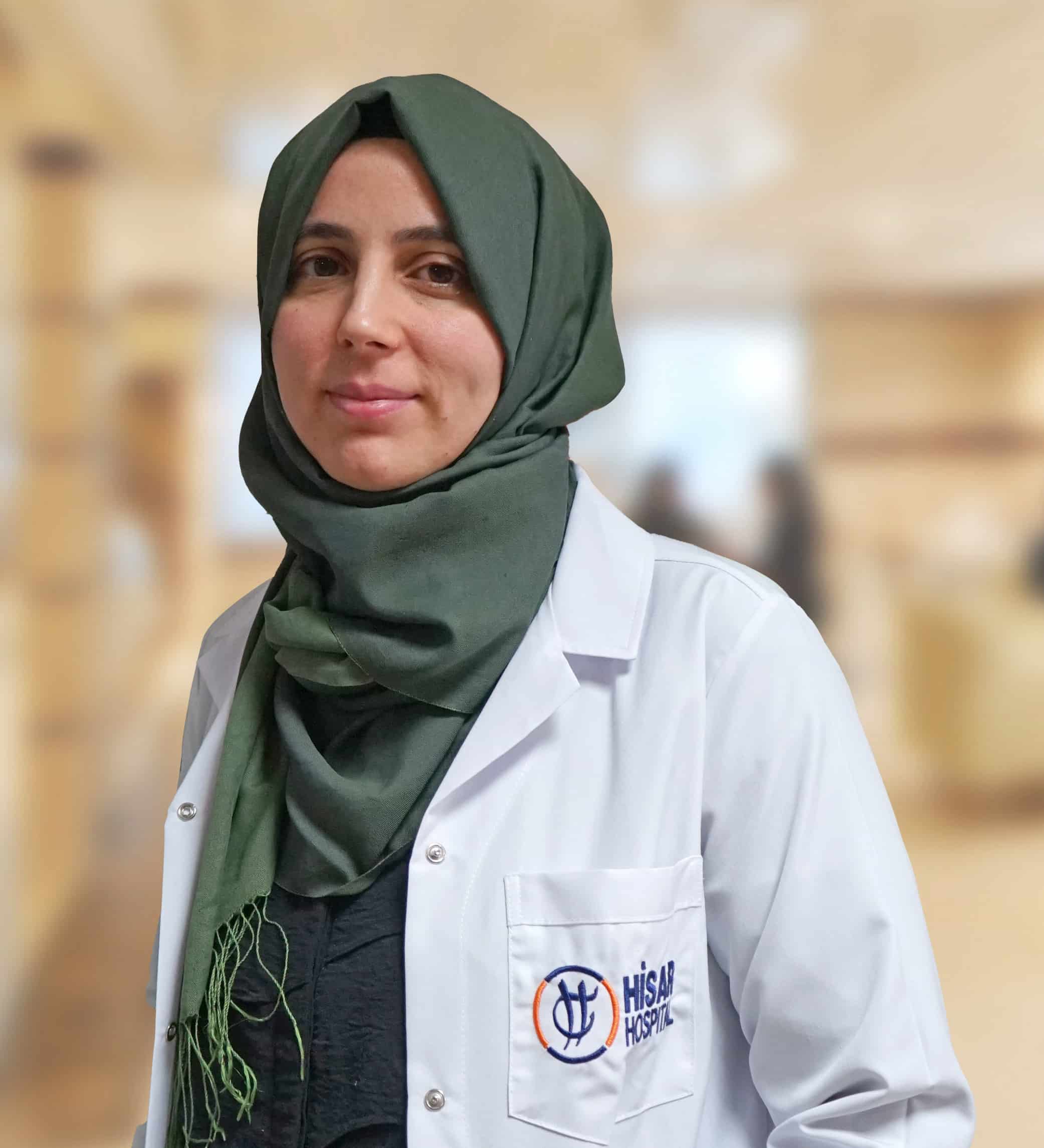
Department Doctors
Our specialist team working in the Physical Medicine and Rehabilitation department.
Related Videos
Informative videos from our specialists related to the Physical Medicine and Rehabilitation department.


Locations
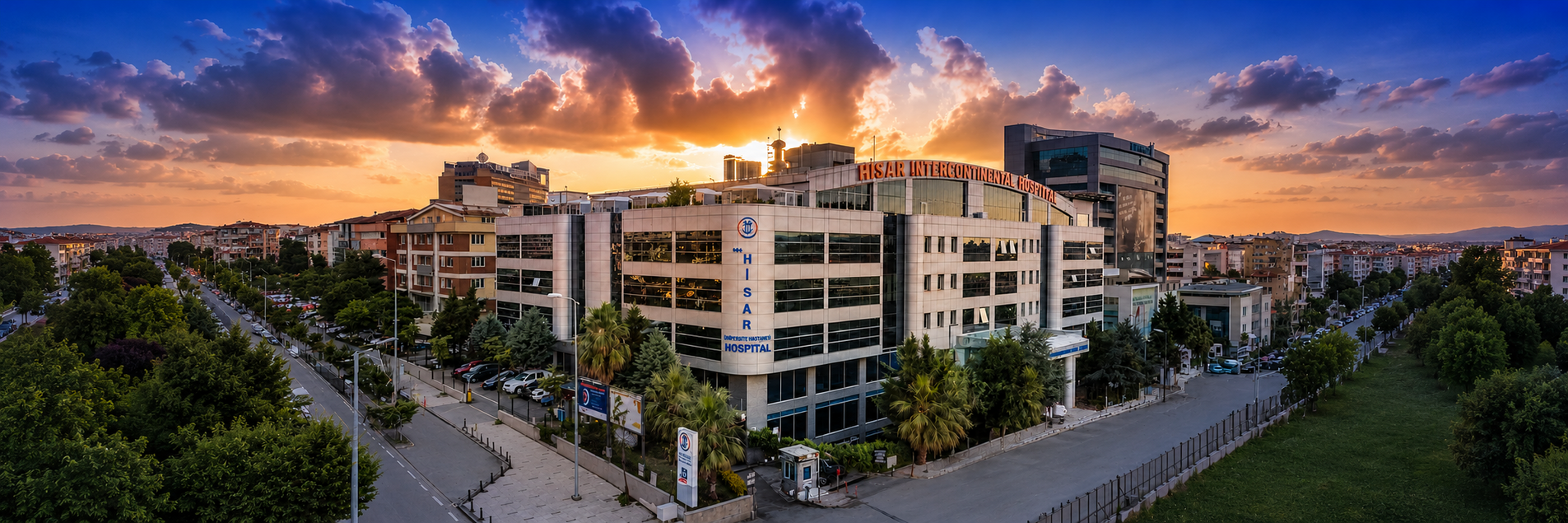
At Which Hospitals?
The Physical Medicine and Rehabilitation department is available at the following locations.
Contact
Physical Medicine and Rehabilitation Department — Get in Touch
Fill out the form with your questions; our team will call you back as soon as possible.
The Hisar Hospital Web and Medical Editorial Board contributed to the development of this content. All content on this website is provided for general informational purposes only. Please consult a physician for the evaluation, diagnosis and treatment of your condition.
Last Updated: