


Nephrology
Nephrology is a medical specialty focused on the study, diagnosis and treatment of disorders of the kidneys, one of the body's most important organs.
About the Department
The scope, approach and highlighted services of the department.
What Is Nephrology?
Nephrology is a medical specialty focused on the study, diagnosis and treatment of disorders of the kidneys, one of the body's most important organs. The kidneys are vital organs; there are two of them in the human body, one on the right and one on the left. In addition to removing waste products and excess water from the bloodstream, they play a role in blood production and produce certain hormones, such as vitamin D. They filter waste substances and help reabsorb components such as certain vitamins and minerals. They are also responsible for regulating blood pressure and maintaining the body's fluid and electrolyte balance. Any dysfunction of the kidneys, the main organs of the urinary (excretory) system, one of the body's fundamental systems, is examined by physicians who have completed specialty training in nephrology and hold the title of nephrologist.
Kidney Health and Symptoms
For the body to function properly, cells need to contain the right amount of water and minerals. The kidneys remove excess water from the body and retain water when there is a fluid deficit. For example, minerals such as sodium and potassium obtained from food play very important roles in vital functions. These minerals must be kept at certain levels in the body; otherwise, they can lead to swelling (edema) or fluid loss. When the kidneys work properly, the body's fluid and mineral balance can be maintained. When potassium or sodium levels are high, these minerals are removed from the body through urine, and when they are low, the kidneys can reabsorb them. Similarly, the levels of minerals important for bone and tooth development, such as calcium and phosphorus, are also regulated by the kidneys. In kidney disorders, anemia develops and vitamin D is not activated.
Waste substances such as urea and creatinine, produced as a result of the digestion, absorption and metabolism of food, are removed from the body by the kidneys. When there is any disorder in kidney function, urea and creatinine levels in the blood rise. This can increase the risk of cardiovascular disease, high blood pressure and chronic diseases. In addition, damage can occur in all body systems, particularly brain function. Healthy kidney function helps protect overall health by ensuring that waste substances in the blood are removed from the body. In addition, the kidneys are responsible for synthesizing certain hormones that act as messengers in the bloodstream. These hormones help regulate blood pressure, produce red blood cells and maintain the body's calcium balance.
The most common kidney diseases are:
Chronic kidney failure
Acute kidney failure
Kidney stones
Urinary tract infections
Glomerulonephritis
Polycystic kidney disease
Urinary tract obstructions
Renal vascular diseases
Kidney-related cardiovascular diseases
Kidney tumors
Because the kidneys affect all body functions, the symptoms of kidney disease cover a wide range. In general, the following symptoms are observed when there is a disorder in kidney function:
Extreme tiredness, weakness
Loss of appetite, nausea and/or vomiting
Urinating at night, frequent urination or passing very little urine, a constant feeling of needing to urinate,
Darkening of urine color or blood in the urine
Pale skin, rash, itching or excessive dryness
High blood pressure
Swelling in the hands and ankles
Swelling and puffiness around the eyes
Shortness of breath, difficulty breathing
Pain in the lower back or abdomen.
If you experience these symptoms, you can make an appointment with a nephrologist as soon as possible to have your condition evaluated.
Nephrology Specialists and the Conditions They Treat: Which Diseases Do Nephrologists Treat?
A nephrology specialist, in other words a nephrologist, is a physician who has received specialty training in kidney diseases. They have in-depth knowledge of the structure, functions and workings of the kidney, and are responsible for the diagnosis and treatment of diseases that develop as a result of kidney dysfunction. A nephrologist checks whether a kidney stone is damaging the healthy kidney. To detect and diagnose kidney stones, the nephrologist may use imaging techniques such as X-ray, CT scan and ultrasound. These techniques make it possible to determine the location, number, size and shape of the stone. In addition, blood and urine tests can identify the components causing the stone. Once the type, size, location and shape of the stone have been identified, the nephrologist plans treatment together with a urologist. They may recommend medication to relieve pain and to prevent nausea and vomiting. The conditions nephrologists deal with may include the following:
Diagnosis and Evaluation of Kidney Diseases
To determine kidney damage, the nephrologist may request blood and urine tests. To evaluate the organs' urine production and blood filtration functions, the nephrologist assesses creatinine, urea, electrolyte, mineral and pH levels in the blood, as well as the GFR (glomerular filtration rate). In addition, the size and shape of the kidneys can be examined with imaging methods such as CT and ultrasound. For a definitive diagnosis, the nephrologist may take a sample of kidney tissue for microscopic examination.
Treatment Planning
After diagnosis, the nephrology specialist plans a personalized treatment according to the patient's health condition. Lifestyle changes, medication and, in some cases, surgical procedures usually form part of the treatment plan.
Management of Chronic Kidney Disease
Chronic kidney failure is a condition characterized by damage to the blood vessels and tissues of the kidneys, resulting in insufficient urine production and the accumulation of waste substances in the body. Over time, the kidneys gradually lose their ability to produce urine. During this period, nephrologists closely monitor patients' kidney function and plan treatment to slow the progression of the disease.
Dialysis
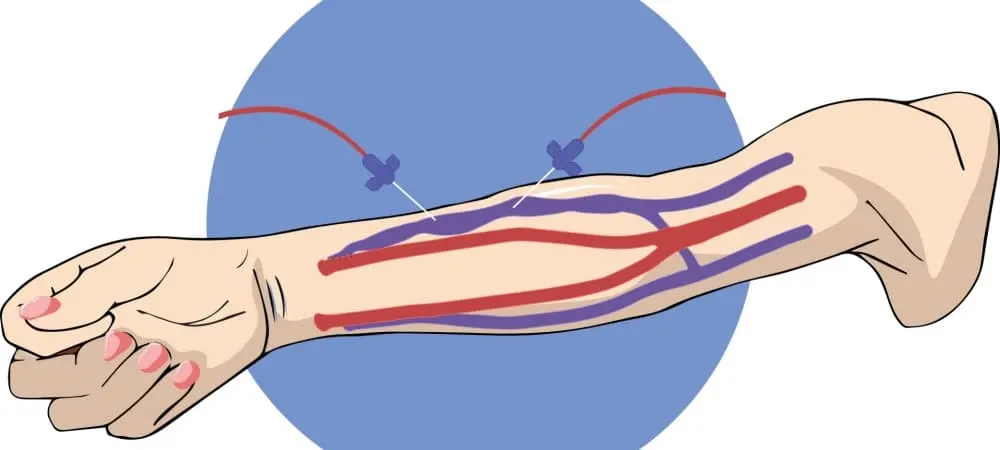
When chronic kidney disease is not treated, it progresses and the kidneys' ability to filter waste decreases. Advanced chronic kidney disease develops. In this case, a device called dialysis is used, which performs the functions of the kidneys externally. The nephrologist determines the appropriate dialysis treatment for patients and manages any complications that may arise.
Kidney Transplantation
In cases of irreversible kidney disease, the patient may need a kidney transplant. Nephrologists evaluate transplant candidates and the tissue compatibility between donor and recipient. They also oversee patients' care before and after the transplant.
Management of Hypertension (High Blood Pressure)
The leading causes of kidney disease are diabetes and high blood pressure. Nephrology specialists help manage hypertension to prevent kidney damage and the complications associated with it.
Patient Education
Nephrology specialists can inform patients so that kidney diseases can be prevented and treatment can progress effectively. To support kidney health, they provide guidance on topics such as dietary recommendations, fluid intake and lifestyle changes.
If you are experiencing symptoms of kidney disease, you can make an appointment with an experienced nephrologist. Early diagnosis is the most important factor affecting the success of treatment.
Kidney Failure and the Treatment Process
In the final stage of chronic kidney failure, the patient's kidney functions can only be carried out through dialysis. With the help of hemodialysis, the kidneys' work of filtering the blood and removing waste substances from the body is performed. As the disease progresses, a kidney transplant or hemodialysis is needed for the patient to survive and for body functions to be fully maintained.
To diagnose kidney failure, blood and urine tests can be performed, along with ultrasound, CT or MRI scans to visualize abnormalities in the kidneys and urinary tract. In addition, a tissue sample may be taken to examine the kidneys. These diagnostic methods can also help determine the cause of kidney failure.
What Habits Affect Kidney Health?
Lifestyle habits that affect kidney health include the following:
Insufficient Water Intake
The kidneys need at least 2 liters of water a day to filter waste substances and remove them from the body. Insufficient water intake can impair their function.
Holding Urine
Delaying emptying the bladder when it is full, in other words holding urine, can lead to complications such as kidney enlargement (hydronephrosis) or widening of the urinary tract (hypertrophy). In addition, holding urine for long periods can lead to serious diseases, ranging from kidney stones to kidney failure.
A High-Salt Diet
When foods high in salt are consumed, the kidneys work harder to maintain the body's fluid and electrolyte balance, which can lead to conditions such as water retention (edema) and hypertension.
Smoking and Alcohol Consumption
Alcohol and smoking lead to a build-up of toxins in the body. The kidneys work excessively to eliminate the toxins from these substances, and edema may develop in the kidneys. In addition, smoking and alcohol consumption can increase the risk of high blood pressure, which damages the kidneys.
Unhealthy Eating Habits
Excessive tea and coffee consumption increases blood circulation, and therefore the workload on the kidneys, due to stimulants such as caffeine. Similarly, eating large amounts of animal-based foods such as red meat increases the amount of uric acid, a waste product of protein. Excess urea in the blood can cause the kidneys to overwork. In addition, eating too many sugary foods also increases the workload on the kidneys and can lead to diseases such as kidney stones and kidney failure.
Frequently Asked Questions:
Why is kidney health important and how can it be protected?
The kidneys ensure that toxins and waste products formed by metabolism are removed from the body. When their health deteriorates, waste substances and toxins can accumulate in the body and adversely affect all vital functions. The kidneys also play a role in other important functions, such as regulating blood pressure and producing red blood cells. Following an adequate and balanced diet, drinking more water and doing regular physical activity are very important for protecting kidney health.
When should I see a nephrology specialist?
Symptoms such as frequent urination, darkening of urine color, decreased urine output, nausea and vomiting, difficulty concentrating, itchy skin, high blood pressure, swelling in the hands and ankles, blood in the urine, loss of appetite and shortness of breath may indicate a disorder in kidney function. If you experience these symptoms, you should definitely see a nephrology specialist.
How does diabetes affect kidney health?
The two most common causes of kidney failure are diabetes and high blood pressure. Diabetes is a chronic disease that occurs when the hormone insulin, which allows glucose (sugar) in the blood to enter cells, is absent or insufficient. When insulin is absent or insufficient, sugar builds up in the blood and damages the capillaries. The capillaries in the kidneys are also affected by high blood sugar and narrow. Over time, the narrowed vessels become blocked, causing less blood to reach the kidneys and leading to the accumulation of toxins and waste substances in the body. By preventing the kidneys from fully performing their function, diabetes can cause a disease called diabetic nephropathy.
What are the symptoms of kidney failure?
Symptoms of chronic kidney failure may include the following:
Waking up at night to urinate,
High blood pressure
Unexplained shortness of breath, difficulty breathing,
Decreased urine output,
Extreme tiredness, weakness and a feeling of drowsiness,
Swelling in the legs, hands and ankles,
Nausea,
Clouding of consciousness, confusion, chest pressure or pain
What should be done to protect kidney health during pregnancy?
During pregnancy, blood flow to the kidneys increases and the rate at which blood is filtered doubles. Because the kidneys filter blood for both the mother-to-be and the baby, they work almost twice as hard. To protect kidney health during pregnancy, it is important for the expectant mother to pay attention to her diet and not to gain more weight than normal. Drinking plenty of water and limiting salt intake can reduce the risk of high blood pressure, which impairs kidney function. Whenever possible, pregnant women should consult a nephrology specialist at the beginning of their pregnancy.
What habits negatively affect kidney health?
Following a diet high in fatty, sugary and salty foods, as well as physical inactivity, negatively affects kidney health. In addition, insufficient fluid intake and harmful habits such as alcohol and smoking can increase the risk of developing kidney disease.
How long does it take for nephrology treatments to take effect?
The duration of treatment for kidney diseases varies depending on the severity of the disease, the patient's health condition and the type of disease. Treatment of chronic kidney failure can last for years. The duration of treatment for acute kidney failure may vary depending on its cause.
How is a kidney transplant performed and when is it recommended?
A kidney transplant is performed in the final stages of chronic kidney failure. The transplant operation takes about 3-4 hours, and the kidney is usually removed from the donor using minimally invasive (closed) methods. The removed organ is then transplanted into the patient. It is important that the blood groups and tissue types of the recipient and donor are compatible. In addition, a procedure called cross-matching is performed to determine the antibody levels in the blood of the donor and the patient receiving the transplant. If necessary, treatment is given to bring the antibody levels of the recipient and donor to suitable levels. The decision to proceed with the kidney transplant is made based on the results of these tests.
How can I support kidney health through nutrition?
For an adequate and balanced eating plan, a healthy diet should be followed with the help of a dietitian. It is important that the diet is personalized and aims to maintain an ideal weight. Foods that are very salty, fatty or sugary should be removed from the diet. Care should be taken to drink at least 2 liters of water a day, and the diet should be supported with fresh vegetables and fruit.
Early diagnosis of kidney diseases is important for effective treatment. To protect kidney health, blood and urine tests should be done at regular intervals to check whether the kidneys are functioning properly. If you have any symptoms of kidney disease, you can make an appointment with the Nephrology department of your nearest healthcare facility.
Nephrology is a medical specialty focused on the study, diagnosis and treatment of disorders of the kidneys, one of the body's most important organs. The kidneys are vital organs; there are two of them in the human body, one on the right and one on the left. In addition to removing waste products and excess water from the bloodstream, they play a role in blood production and produce certain hormones, such as vitamin D. They filter waste substances and help reabsorb components such as certain vitamins and minerals. They are also responsible for regulating blood pressure and maintaining the body's fluid and electrolyte balance. Any dysfunction of the kidneys, the main organs of the urinary (excretory) system, one of the body's fundamental systems, is examined by physicians who have completed specialty training in nephrology and hold the title of nephrologist.
Treatment Methods
The main treatments and procedures performed in our department.
Conditions Covered
The main conditions within the department’s diagnosis and treatment scope.
- What is Uremia? Symptoms, Causes and Treatment Methods
- What Is Chronic Kidney Disease? Symptoms, Causes, and Treatment Methods
- What is Protein Leakage in Urine? Symptoms, Causes and Treatment
- What is Hypertension? Symptoms, Causes, and Treatment Methods
- What is Diabetic Nephropathy? Symptoms, Stages, Diagnosis, and Treatment Methods
- What is Kidney Infection (Pyelonephritis)? Symptoms, Causes, and Treatment
- What is Albumin? Causes, Symptoms, and Treatment of High and Low Albumin
- What is Alport Syndrome? Symptoms, Causes, and Treatment
- What is Acute Kidney Injury? Symptoms, Stages, Diagnosis and Treatment Methods
- What is Polycystic Kidney Disease? Symptoms, Causes, Diagnosis and Treatment Methods
- What is Kidney Pain? Symptoms, Causes, and Treatment
- What is Amyloidosis? Symptoms, Causes, Diagnosis and Treatment Methods
Department Doctors
Our specialist team working in the Nephrology department.
Locations
At Which Hospitals?
The Nephrology department is available at the following locations.

Author
Web and Medical Editorial BoardReviewed by a specialist
 Specialist Dr. Nurana GüllerNephrologyReview date: 31 October 2026
Contact
Nephrology Department — Get in Touch
Fill out the form with your questions; our team will call you back as soon as possible.
The Hisar Hospital Web and Medical Editorial Board contributed to the development of this content. All content on this website is provided for general informational purposes only. Please consult a physician for the evaluation, diagnosis and treatment of your condition.
Last Updated: