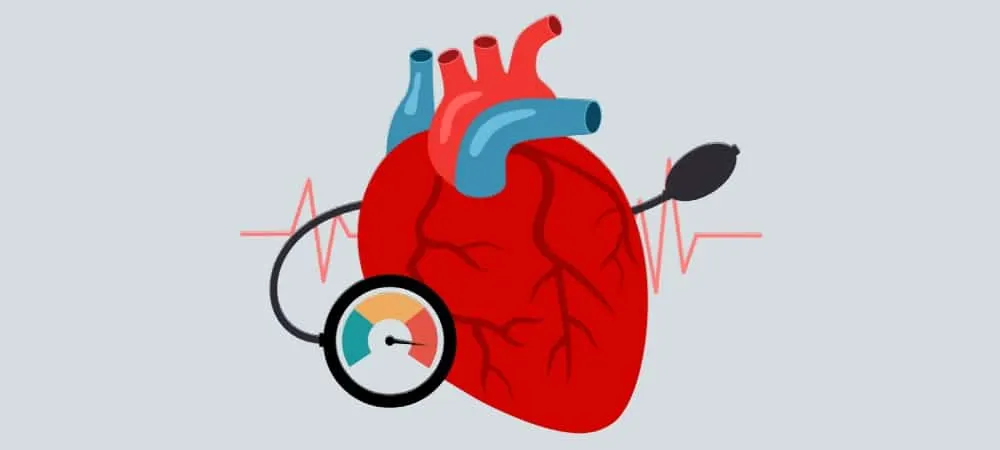
What is Hypertension?
Hypertension is a health condition characterized by high pressure exerted by blood on the vessel walls. According to World Health Organization data, it is observed that approximately 1.28 billion adults aged 30-79 worldwide have hypertension, and about 46% of them are unaware that they have high blood pressure. If high blood pressure is not brought under control through lifestyle changes and antihypertensive medications, serious health problems such as coronary artery disease, heart attack, and stroke may occur.
Hypertension, also commonly referred to as high blood pressure, is when the pressure that blood exerts on the walls of the arteries is higher than normal. Every time the heart beats to transport blood to tissues and organs in the body, blood is pushed against the artery walls, resulting in blood pressure. The condition where the pressure applied to the artery walls is too high is referred to as hypertension. Blood pressure measurements are expressed in millimeters of mercury (mmHg). Those who measure their blood pressure with the help of a sphygmomanometer encounter two different values. The first of these is systolic blood pressure, also known as the upper blood pressure, and the second is diastolic blood pressure, or lower blood pressure. Systolic blood pressure indicates the force applied to the vessels when the heart beats, while diastolic indicates the pressure in the vessels while the heart is relaxing.
Many people around the world are unaware that they have hypertension. The only way for a person to understand that they have high blood pressure is by having regular blood pressure measurements. As a result of these measurements, if the systolic blood pressure is 140 mmHg or higher, or the diastolic blood pressure is 90 mmHg or higher, it can be said that the person has hypertension. Hypertension is divided into different classes within itself. The main types of hypertension are as follows:
Primary hypertension: Also known as essential hypertension, primary high blood pressure refers to high blood pressure that has no obvious cause. The vast majority of hypertension patients have essential primary hypertension. According to experts, lifestyle habits such as genetic predisposition, smoking, unhealthy diet, and factors such as age can cause primary hypertension.
Secondary hypertension: Secondary hypertension refers to high blood pressure that stems from an underlying health problem and has an identifiable cause. Secondary hypertension accounts for approximately 5-10% of hypertension patients. Health problems such as kidney diseases, obstructive sleep apnea, and thyroid gland diseases are among the leading causes of secondary hypertension. Additionally, some medications used can also cause secondary hypertension.
Furthermore, experts also divide primary and secondary hypertension into sub-classes. Other types of hypertension are as follows:
Resistant hypertension: Resistant hypertension is a type of hypertension that does not respond to treatment or requires more than one medication to be brought under control.
Isolated systolic hypertension: Isolated systolic hypertension is when a person's systolic blood pressure rises above 140 mmHg, while the diastolic blood pressure falls below 90 mmHg.
Pulmonary hypertension: Pulmonary hypertension, also called lung hypertension, is a type of hypertension that affects the arteries in the lungs and the right side of the heart. Pulmonary arterial hypertension, which is one of the sub-types of pulmonary hypertension, causes the arteries in the lungs to narrow, thicken, or stiffen. As a result, the heart has to work harder to pump blood, and over time, the heart muscle may weaken. For this reason, symptoms such as shortness of breath, bluish skin discoloration due to oxygen deficiency, and a feeling of pressure in the chest hold an important place among the symptoms of pulmonary hypertension. Today, there is no proven definitive treatment method for pulmonary hypertension, but some medications used and lifestyle changes can help control the symptoms of arterial hypertension.
Intracranial hypertension: This is a type of hypertension where intracranial pressure increases due to causes such as brain tumors, stroke, or meningitis.
In addition to those listed above, various health problems, especially liver disease, can cause an increase in blood pressure in the veins. In this case, one may face a type of hypertension called portal hypertension.
What Are the Symptoms of Hypertension?
Symptoms of hypertension may vary depending on factors such as the stage of the disease, the type, and the response to treatment. Stages of hypertension are generally examined in two phases. In stage 1 hypertension, patients' systolic blood pressure is between 130 and 139 mmHg, and their diastolic blood pressure is between 80 and 89 mmHg. In stage 2 hypertension cases, systolic blood pressure is measured at 140 mmHg or higher, and diastolic blood pressure is measured at 90 mmHg or higher. Hypertension can cause symptoms such as headache, blurred vision, and chest pain. In people with very high hypertension values, the following symptoms may occur:
Severe headache,
Feeling of tightness in the chest, pain,
Dizziness,
Shortness of breath,
Nausea, vomiting,
Abnormal heart rhythm,
Blurred vision.
Additionally, hypertension can manifest itself with nosebleeds. Furthermore, in cases where high blood pressure is observed in the arteries of the lungs, different symptoms may also appear. Symptoms of arterial hypertension can manifest with serious complications such as bluish skin discoloration and fainting. If hypertension is not diagnosed early and brought under control, it can cause serious complications and affect other tissues and organs in the body. In this case, a condition also called complicated hypertension emerges. Accordingly, the main complications of hypertension are as follows:
Coronary artery disease,
Heart attack,
Stroke,
Peripheral artery disease,
Kidney disease, and in advanced cases, kidney failure,
Eye damage,
Vascular dementia,
Pregnancy complications.
In some women, even if there is no previous history of hypertension, hypertension can occur during pregnancy. Pregnancy hypertension, also called gestational hypertension, can result in serious complications if it cannot be brought under control. If hypertension treatment in pregnant women does not start on time, complications such as premature birth, stillbirth, stroke in the mother, and liver and kidney damage can be seen. For this reason, if the expectant mother's blood pressure cannot be brought under control with hypertension treatment during pregnancy, experts may decide to deliver the baby via cesarean section, depending on the month of pregnancy.
How Does Hypertension Occur?
Causes of hypertension vary according to the type of high blood pressure. Primary hypertension, which has no obvious cause, can occur due to the following reasons:
Excessive salt consumption,
Unhealthy and unbalanced dietary habits,
Alcohol consumption.
In addition to those listed, according to experts, people with a family history of hypertension, especially at a young age, may have a higher risk of developing high blood pressure. Unlike primary hypertension, secondary hypertension has several identifiable causes. The main causes of secondary hypertension are as follows:
Immunosuppressive drugs,
Kidney disease,
Obstructive sleep apnea,
Use of tobacco and tobacco products.
Additionally, some factors can increase the risk of developing hypertension. Hypertension risk factors can be listed as follows:
Advanced age,
Chronic kidney disease,
Being above ideal weight or being obese,
Lack of physical activity.
While secondary hypertension often requires treatment, lifestyle changes can help control symptoms in patients with primary hypertension.
How is Hypertension Diagnosed?
To diagnose hypertension, blood pressure measurements are first taken. Normal blood pressure is considered to be 120/80 mmHg and below. To diagnose hypertension, measurements must be 140/90 mmHg or higher. However, a single measurement is not sufficient for a hypertension diagnosis. For this reason, experts may ask the patient to measure their blood pressure at roughly the same times for 1 week to 10 days and note the results. Additionally, some patients' blood pressure may be higher in a hospital setting. To detect this condition, called white coat hypertension, or conditions like masked hypertension, experts may decide to have the patient wear a blood pressure holter to record blood pressure values for 24 hours.
When a diagnosis of hypertension is made, additional tests such as blood tests, urine tests, electrocardiography (ECG), and echocardiography may be performed to determine underlying causes and evaluate potential complications. Thus, the patient's general health status, kidney functions, and heart health are also reviewed. Doctors make a definitive diagnosis by considering the patient's lifestyle, genetic predisposition, and accompanying diseases.
How is Hypertension Treated?
Hypertension treatment aims to prevent complications such as heart, kidney, and vascular diseases by bringing blood pressure under control. Since hypertension can be closely related to nutrition, the first step of treatment is adopting healthy eating habits. Measures such as reducing salt consumption, healthy and balanced nutrition, regular exercise, maintaining an ideal weight, and avoiding smoking and alcohol use help lower blood pressure. When preparing a hypertension diet, foods rich in fruits, vegetables, whole grains, and low-fat dairy products can be prioritized. Additionally, stress management and adequate sleep can also positively affect blood pressure.
If lifestyle changes are not sufficient or the patient's blood pressure is very high, experts may prescribe some medications that help lower blood pressure by dilating blood vessels or regulating fluid balance in the body. However, in some patients, blood pressure may not be brought under control despite standard treatments. In this case, resistant hypertension treatment comes into play. Resistant hypertension is a situation where blood pressure does not fall to target levels despite the person using at least three different blood pressure-lowering medications. In these patients, experts conduct additional tests to investigate underlying causes such as kidney functions, hormonal imbalances, and sleep apnea, and shape the treatment accordingly.
Hypertension is a health problem that requires long-term management. For this reason, it is important for patients to go for regular doctor check-ups and comply with the recommendations of experts.
Frequently Asked Questions
Pulmonary hypertension is when the blood pressure in the lung vessels is higher than normal. Increased pressure in the pulmonary arteries can lead to symptoms such as shortness of breath, fatigue, and chest pain. For this reason, the vast majority of patients may be curious about the life expectancy of pulmonary hypertension. Although there is no definitive cure for pulmonary hypertension, lifestyle changes and regular use of medications prescribed by experts can help control symptoms. Complicated hypertension is a condition where uncontrolled high blood pressure causes damage to organs such as the heart, kidneys, eyes, and brain. Portal hypertension is generally an increase in blood pressure in the portal vein, which carries blood from the spleen and gastrointestinal system to the liver, often due to liver diseases such as cirrhosis. Essential hypertension is the most common type of hypertension, which arises due to reasons such as genetic factors, lifestyle habits, and advanced age, and has no identifiable cause. Primary hypertension is another name for essential hypertension. That is, primary hypertension is a type of high blood pressure that develops without being linked to a specific underlying disease. Arterial hypertension is the high pressure that blood leaving the heart exerts on the walls of the arteries. Secondary hypertension is a type of high blood pressure that develops due to a specific cause such as kidney diseases, hormonal disorders, or medication use. Hypertension diagnosis and treatment require a multidisciplinary approach. For hypertension diagnosis and treatment, one usually applies to internal medicine or cardiology departments. As a result of the tests performed, nephrology or endocrinology specialists may also be included in the process if necessary. Although hypertension is rarely seen in young people and children, health problems such as genetic predisposition, obesity, stress, excessive salt consumption, hormonal disorders, congenital anomalies such as congenital heart disease, or kidney diseases can cause hypertension in young people and children. Although hypertension is generally seen more frequently in older age groups, it can also occur in people with obesity, a sedentary lifestyle, unhealthy diet, stress, and genetic predisposition.
If hypertension is not brought under control in the early stages, it can negatively affect heart, kidney, and vascular health.
Measure your blood pressure regularly and take precautions against risk factors.
Contact us immediately for a detailed evaluation by making an appointment with our Hisar Hospital Nephrology Specialists.
Start with the right assessment for What is Hypertension? Symptoms, Causes, and Treatment Methods
Share your symptoms with our specialist physicians; let us determine the right diagnosis and treatment plan together.
Warning
If your symptoms started suddenly, are progressing rapidly, or significantly restrict your daily life, consult a physician without delay.
Plan your What is Hypertension? Symptoms, Causes, and Treatment Methods journey with our specialists.
Fill in the form or book an appointment to learn about treatment options, the process and preparation.