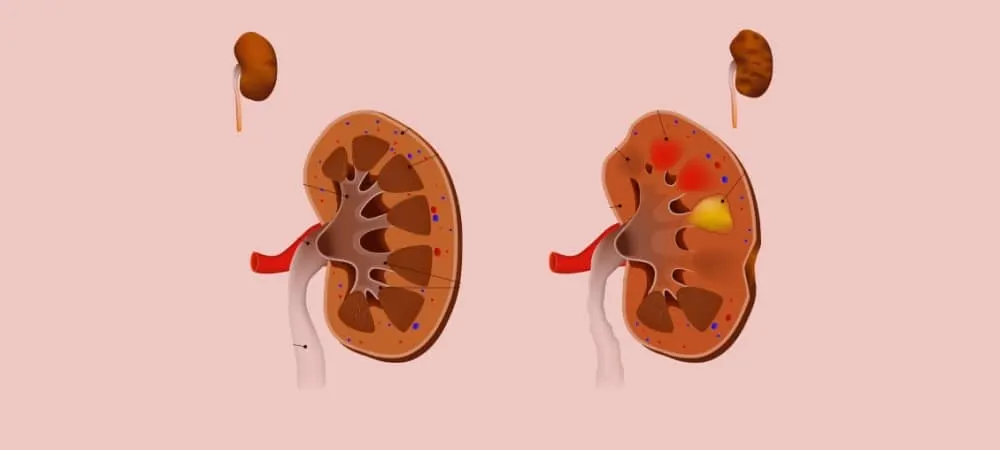
What is a Kidney Infection?
The kidneys are among the most important organs in the body. Responsible for filtering and cleaning waste products from the blood and eliminating excess fluid through urine, the kidneys also play a crucial role in regulating blood pressure, producing new red blood cells, and maintaining bone health. Therefore, kidney health is extremely important. Kidney infection is a serious health problem that can threaten kidney health. A kidney infection, also known as pyelonephritis, is a type of urinary tract infection originating from the lower urinary tract, known as the urethra and bladder. If this infection is not treated properly or is treated late, it progresses to one or both kidneys, causing a kidney infection.
How Does a Kidney Infection Occur?
Kidneys produce urine to rid the body of waste. Urine moves through tubes to the bladder and then out through the urethra channel to be excreted. During this process, waste along with bacteria and microbes in the system are cleared out. In some cases, bacteria can travel upward, infecting parts of the urinary tract, including the urethra, bladder, and urinary tubes. From there, they can move to one or both kidneys and cause a kidney infection.
Causes of kidney infection include the progression of a lower urinary tract infection, i.e., bladder or urethra infection, to the kidneys. In addition, the transmission of genital system infections due to their proximity to the urinary tract, or the spread of an infection in any organ of the body via the blood or lymphatic system, can also cause a kidney infection.
Bacterial infections are the most common cause of kidney infections. Viruses can also cause kidney infections, though rarely. The most common bacteria causing kidney infections include Escherichia coli (E. coli), Proteus mirabilis, Enterobacter, and Staphylococcus.
Causes of kidney infection also include kidney stones or blockages in the urinary tract. These blockages can hinder urine flow, providing a favorable environment for bacteria to multiply and leading to inflammation. Kidney stones can obstruct the flow of urine from the kidneys to the bladder, increasing pressure and causing inflammation.
What Are the Symptoms of Kidney Infection?
Although kidney infection symptoms often appear similar to those of a urinary tract infection, the most important symptoms distinguishing a kidney infection from a urinary tract infection are a sudden high fever, pain in the lower back and flanks, chills, and suddenly feeling very ill. Other symptoms of a kidney infection include:
Pain during urination,
Foul-smelling, bloody, or cloudy urine,
A sudden and frequent urge to urinate.
Symptoms of kidney infection in infants often manifest as fussiness during urination, and changes in urine odor and color. A kidney infection during pregnancy can pose a serious risk to both mother and baby. Hormonal changes and anatomical changes in the urinary tract during this period can increase the risk of infection. The symptoms of nephritis/kidney infection during pregnancy are similar to those normally observed.
How is a Kidney Infection Diagnosed?
Kidney and urinary tract infection is a serious health problem that requires urgent diagnosis. To make an accurate diagnosis, certain laboratory tests and imaging methods may need to be used. The purpose of using these methods is to determine the underlying cause of the kidney infection and create an appropriate treatment plan.
Kidney infection can be diagnosed with a urinalysis or blood test. Urinalysis aims to detect the presence of white blood cells, bacteria, and nitrites in the urine to reveal an infection. Additionally, a urine culture test is used to identify specific types of bacteria causing the infection and to determine the appropriate antibiotic treatment.
In addition to laboratory tests such as blood and urine tests, imaging methods such as ultrasound, computed tomography (CT), and magnetic resonance imaging (MRI) are also used to diagnose kidney infections. Ultrasound imaging shows the size, shape, and structure of the kidneys. This method can detect existing cysts, stones, or structural anomalies in the kidneys. Advanced examinations such as CT and MRI allow for a detailed evaluation of inflammation, abscesses, or other problems in the kidney tissue.
How is a Kidney Infection Treated?
Kidney infection is a condition that can be brought under control with accurate diagnosis and appropriate treatment. The duration of treatment may vary depending on how advanced and severe the infection is, and the patient's general health status.
Antibiotics are primarily used in the treatment of kidney infections to eliminate the bacteria causing the infection. Antibiotics are prescribed by the doctor based on the severity of the infection and the causative bacterium. Antibiotic therapy usually lasts 7 to 14 days. The most important point in antibiotic treatment is to complete the recommended course of treatment even if symptoms improve within a few days after starting antibiotics. Otherwise, bacteria may not be completely eradicated and may develop resistance to the antibiotic. This can cause the infection to recur.
In cases where the kidney infection is very severe or does not respond to antibiotic treatment, hospital treatment may be required. During treatment for kidney infection in the hospital, antibiotics are administered intravenously to the patient. Meanwhile, kidney functions are closely monitored. If the inflammation in the kidney is very advanced, kidney abscess formation or blockages in the urinary tracts may be observed. These are very serious issues and may require kidney infection surgery for treatment.
There are also supportive practices that the patient should apply in their daily life during antibiotic treatment. One of the most important steps in this regard is drinking plenty of water. Consuming plenty of water increases urine production in the body, helping to flush out bacteria from the system quickly. Therefore, individuals diagnosed with kidney infection are recommended to consume at least 1.5 to 2 liters of water daily. Kidney infection also requires dietary adjustments. Avoiding caffeine and alcohol consumption to reduce the load on the kidneys, and similarly limiting salt and protein intake, is an important point.
Frequently Asked Questions
If left untreated, a kidney infection can lead to serious health problems such as kidney damage, kidney failure, kidney abscesses, and hypertension. Additionally, the spread of infection into the bloodstream (sepsis) is a life-threatening condition caused by advanced kidney infection. A kidney infection is not a contagious disease from person to person. Urinary tract infections are similarly not contagious between individuals, but lack of personal hygiene (especially the transfer of bacteria from the anus to the genital area) and sexual intercourse can increase the risk of urinary tract infections. It should be remembered that the progression of a urinary tract infection can lead to a kidney infection. The nephrology department, which deals with kidney diseases, treats kidney infections. The urology department mainly deals with urinary tract infections. When consulting the urology department suspecting a urinary tract infection, the urologist may also refer the patient to the nephrology department for further examinations. The recovery time for a kidney infection can vary depending on the severity of the infection and the patient's general health status. A kidney infection typically heals within 7-14 days with antibiotic treatment. Even if symptoms ease within 3-4 days after starting antibiotics, treatment should not be stopped for the recommended duration. Severe kidney infections may take longer to treat and require hospitalization. One of the most important causes of kidney infection is a urinary tract infection. An advancing urinary tract infection can lead to a kidney infection. In addition, genital system infections can cause transmission and consequently infection due to the proximity of the genital area to the urinary system. The spread of inflammation from other organs of the body via the blood or lymphatic system can cause a kidney infection. A urinary tract infection is one of the problems that can cause a kidney infection. Symptoms such as pain and burning during urination, frequent urination, foul-smelling urine, cloudy and dark urine color, groin or kidney pain, a sudden urge to urinate, mild fever, blood in the urine, and feeling unrelief despite urinating may indicate a urinary tract infection. Applying heat in the treatment of a kidney infection does not have the property of curing the infection, but since heat application increases blood flow and relaxes muscles, kidney pain caused by a kidney infection can be alleviated by applying a warm compress. Antibiotic treatment is required to clear a kidney infection, meaning to eradicate the bacteria causing the infection from the kidneys. To completely clear the bacteria, antibiotics must be used for the recommended duration even if symptoms improve after starting antibiotics. In addition to antibiotic treatment, drinking plenty of water is extremely important. Consuming plenty of water helps flush out bacteria faster by increasing urine production. At the same time, avoiding caffeine and alcohol, and reducing salt and protein to ease the workload on the kidneys can also help clear the infection. Bacterial infections are the most common cause of kidney infections. Viruses can also cause kidney infections, though rarely. The most common bacteria causing kidney infections include Escherichia coli, Proteus mirabilis, Enterobacter, and Staphylococcus.
Autoimmune diseases can also be counted among the factors causing kidney inflammation. Autoimmune diseases, which occur as a result of the immune system attacking its own tissues, can cause damage or inflammation in the kidneys.
Kidney stones or certain blockages in the urinary tract can obstruct urine flow, and this condition increases the risk of infection. Such blockages can provide a favorable environment for bacteria to multiply and lead to inflammation.
Accurate diagnosis and an effective treatment plan carry great importance for the treatment of jock itch. If you have symptoms, you should consult a dermatology specialist without delay. Our Hisar Hospital Dermatology Department specialists are ready to help you with the diagnosis and treatment of jock itch and other skin infections. For more information or to schedule an appointment, you can contact the Hisar Hospital Dermatology Clinic.
Start with the right assessment for What is Kidney Infection (Pyelonephritis)? Symptoms, Causes, and Treatment
Share your symptoms with our specialist physicians; let us determine the right diagnosis and treatment plan together.
Warning
If your symptoms started suddenly, are progressing rapidly, or significantly restrict your daily life, consult a physician without delay.
Plan your What is Kidney Infection (Pyelonephritis)? Symptoms, Causes, and Treatment journey with our specialists.
Fill in the form or book an appointment to learn about treatment options, the process and preparation.