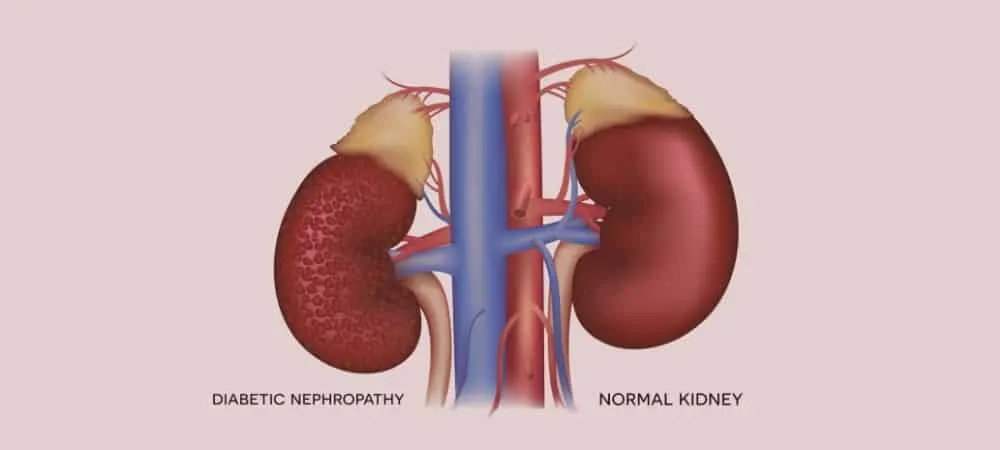
Diabetic Nephropathy
Diabetic nephropathy is one of the serious complications caused by type 1 and type 2 diabetes. Also called diabetic kidney disease or diabetes-related kidney disease. This condition, which negatively affects the filtration capacity of the kidneys, can be prevented or slowed down with early treatment. Diabetic nephropathy, which leads to impairments in kidney activation, may cause insufficient removal of excess fluid and waste products from the body. In this case, diabetic nephropathy can cause edema, electrolyte, and waste product accumulation. Maintaining healthy lifestyle habits and keeping diabetes and hypertension at optimum levels play an important role in the prevention and treatment of diabetic nephropathy. Diabetic kidney disease can be classified into stages and a treatment plan is made. In cases where treatment is not provided, the risk of end-stage renal failure may be high. Kidney failure is a serious, life-threatening health problem.
What is Diabetic Nephropathy?
Diabetic nephropathy is a health problem that can occur in diabetic patients and affects the kidneys. It affects approximately 30% of diabetic patients and is a common cause of kidney failure. It can occur in both type 1 diabetes and type 2 diabetes cases. However, individuals with type 2 diabetes make up the majority of diabetic nephropathy cases. Although the mechanism of development of nephropathy cannot be determined precisely, it can be reported that several factors are effective. Inflammation, tissue hypoxia, renin-angiotensin system, and metabolic activation injuries may play a role in the development of diabetic nephropathy. It can usually manifest itself with increased GFR (glomerular filtration rate). Following this, microalbuminuria, in which urinary albumin excretion is at levels of 30-300 mg/day, can be seen.
Kidneys regularly perform the task of filtering waste products found in the body and blood. In addition to filtering waste products such as urea, creatinine, toxins, etc., it helps establish fluid-electrolyte balance. These processes are carried out by millions of nephrons located in both kidneys. Glomeruli located in nephrons consist of a cluster of small blood vessels. The glomerulus, which is the first region where blood is filtered, is semipermeable. Thanks to this feature, water and water-soluble waste products are separated and excreted in the urine. Excessive amounts of glucose in the blood circulation in individuals with diabetes can damage the glomerular membrane and nephrons. The damaged glomerulus cannot filter waste products as it should, and toxins begin to accumulate in the body. In diabetes-related kidney disease, the kidneys may be normal or larger in size.
What Are the Symptoms of Diabetic Nephropathy?
Diabetes-related nephropathy may not show obvious symptoms in the early period. Nephropathy symptoms usually do not appear until 80-90% of the kidneys are affected. In advanced stages, diabetic nephropathy may manifest itself with the following main symptoms:
Uncontrolled hypertension,
Edema in the face, hands, feet, and ankles,
Nausea and vomiting,
Loss of appetite,
Shortness of breath,
Dryness and itching of the skin,
Foamy urine,
Fatigue and exhaustion,
Concentration problems,
Confusion,
Muscle cramps.
Pathological stages of diabetic nephropathy may include different symptoms. In addition, diabetes-related kidney disease patients may exhibit findings and characteristics similar to individuals with diabetes. Diabetes-related symptoms may include:
Frequent urination,
Frequent desire to drink water,
Frequent feeling of hunger,
Tingling and numbness,
Blurred vision or partial vision loss,
Exhaustion,
Dizziness,
Unexplained weight loss.
In addition, frequent infections, acanthosis nigricans, and diabetic foot are other symptoms that can be seen in diabetic nephropathy patients. At the same time, aggravation of hypertension can contribute to the development of diabetic nephropathy.
What Are the Stages of Diabetic Nephropathy?
Various changes may occur in kidney functions during the development and course of type 1 and type 2 diabetes. A series of stages are recorded in the development of nephropathy in individuals with diabetic, and diabetic nephropathy classification is made based on progression. The stages of diabetic nephropathy, which has 4 main stages, can be explained as follows:
Stage 1 (Hyperfunction and hypertrophy stage): In this stage, the glomerular filtration rate (GFR) may increase. In particular, approximately 20-40% of individuals with type 1 diabetes may show high GFR during the diagnosis process. In addition, enlargement of the kidneys with hyperfunction can be seen in this stage. This event, called hypertrophy, is a reversible condition. Although the level of albumin excreted in the urine is increased, microalbuminuria has not yet formed. Stage 1 diabetic nephropathy can be controlled with nutritional therapy, insulin, and additional treatments.
Stage 2 (Silent stage): It may develop silently for many years (5-15 years) and may not show severe symptoms. The majority of patients may remain in this stage throughout their lives. Due to hyperfiltration, GFR remains high, but the amount of albumin in the urine is at normal levels. However, microalbuminuria may appear during exercise. Keeping blood sugar at an optimum level and monitoring it, a protein-restricted diet, and managing hypertension are the treatment goals of this stage.
Stage 3 (Diabetic nephropathy onset stage): Approximately 80% of patients in this stage may carry the risk of developing nephropathy within 10-15 years. GFR may be at normal or high values. An increase in blood pressure can be seen in approximately 60% of cases. Its specific symptom is persistent and abnormally high albumin (>20 μg/min and
Start with the right assessment for What is Diabetic Nephropathy? Symptoms, Stages, Diagnosis, and Treatment Methods
Share your symptoms with our specialist physicians; let us determine the right diagnosis and treatment plan together.
Warning
If your symptoms started suddenly, are progressing rapidly, or significantly restrict your daily life, consult a physician without delay.
Plan your What is Diabetic Nephropathy? Symptoms, Stages, Diagnosis, and Treatment Methods journey with our specialists.
Fill in the form or book an appointment to learn about treatment options, the process and preparation.