Uremia
Uremia is a clinical condition that occurs when the kidneys cannot sufficiently filter waste products from the blood, causing these toxins to accumulate in the body. It is most commonly seen in advanced stages of chronic kidney disease, but acute kidney injuries can also be among the causes of uremia. The accumulation of substances such as urea, creatinine, and phosphate leads to numerous symptoms at the systemic level.
What is Uremia?
Uremia is a serious and systemic condition caused by the accumulation of harmful waste products in the blood as a result of the kidneys failing to adequately perform their functions. Normally, the kidneys filter out urea, creatinine, excess salts, and acids produced by the body's metabolic activities and excrete them through urine; however, when there is a severe decline in kidney function, these substances accumulate in the body and spread via the bloodstream to all organ systems. This condition is called "uremia." Uremia is not just an elevation in blood values detected by laboratory tests; it is also a syndrome that manifests with physical, neurological, gastrointestinal, and dermatological symptoms caused by these accumulations in the body.
How Does Uremia Occur?
Uremia occurs when the filtering (filtration) function of the kidneys is severely impaired. When the glomerular filtration rate (GFR) falls below a certain threshold, these waste products begin to accumulate in the blood. This accumulation is harmful not only at the chemical level but also physiologically, because these substances negatively affect many systems, including the nervous system, heart, digestive system, and skin. Uremic toxins disrupt cellular function, leading to inflammatory responses, neurotoxicity, and metabolic disorders. This process generally progresses slowly and insidiously, but in acute cases, severe symptoms can develop within hours or days. The main causes of uremia are:
Chronic kidney disease (CKD),
Diabetic nephropathy,
Hypertension,
Glomerulonephritis,
Polycystic kidney disease,
Prolonged urinary tract obstruction,
Acute kidney injury,
Systemic diseases,
Nephrotoxic drugs.
What Are the Symptoms of Uremia?
Complications of uremia span a very wide range depending on which systems are affected by the toxic wastes accumulating in the body. While they may be mild and vague at first, when chronic kidney failure is the cause of uremia, symptoms become more pronounced and multi-systemic. These symptoms usually develop slowly, and patients can live with them for a long time without realizing it. In advanced uremia, the body practically sounds an alarm and a systemic picture emerges. Common symptoms of uremia include:
Fatigue and weakness,
Loss of appetite, nausea, vomiting,
Metallic taste in the mouth, ammonia odor in the breath,
Itching (pruritus),
Discoloration of the skin,
Muscle twitches and cramps,
Headache, concentration impairment, mental confusion,
Sleep problems,
Shortness of breath,
Menstrual irregularities,
Loss of libido.
How Is Uremia Diagnosed?
The diagnosis of uremia is made through a careful evaluation process starting with the patient's complaints. Especially when common but non-specific symptoms such as fatigue, loss of appetite, nausea, and itching are observed, an underlying renal dysfunction is suspected. Laboratory tests form the basis of the diagnosis. Serum urea (BUN) and creatinine levels being well above normal in blood tests indicate that the kidneys' capacity to filter waste products has decreased. Additionally, the glomerular filtration rate (GFR) is calculated. A markedly reduced value supports the uremic picture. At the same time, blood electrolyte levels are examined. Findings such as elevated potassium, elevated phosphorus, and low calcium indicate that the kidneys are failing to maintain balance. The nephron-uremia connection forms the basis for understanding the pathophysiology of the disease. As nephron loss increases, uremic symptoms also worsen.
A blood gas analysis can be performed to determine whether metabolic acidosis has developed. Complete blood count results frequently reveal anemia because the kidneys cannot produce enough erythropoietin. Urine tests performed to support the diagnosis reveal protein leakage or the presence of abnormal substances in the urine. Imaging methods, especially renal ultrasonography, provide insight into the structural condition of the kidneys. All these data are evaluated together to clarify the diagnosis of uremia and determine the severity of the disease. This evaluation also guides the choice of treatment approach.
How Is Uremia Treated?
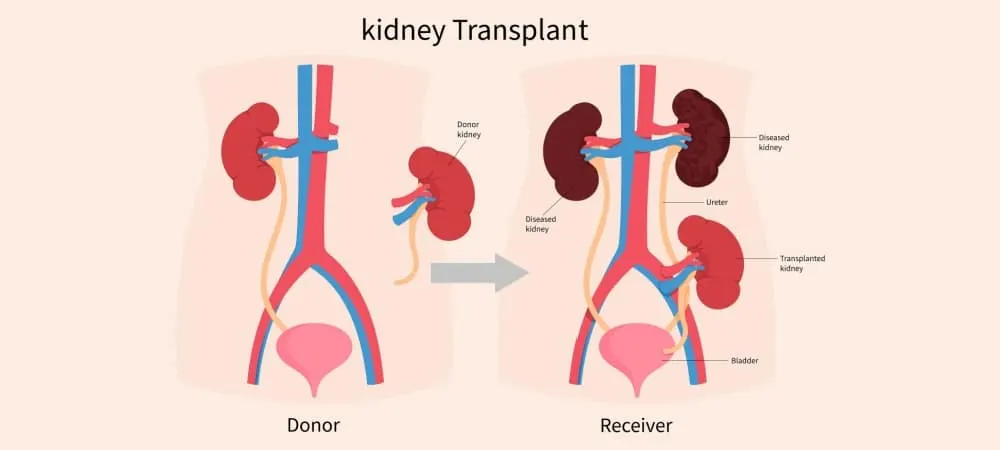
Uremia treatment methods are tailored according to the severity of the disease, the cause of the underlying kidney damage, and the patient's general state of health. The primary goal is to lower the level of toxic substances in the blood, alleviate symptoms, and support kidney functions as much as possible. In mild uremic conditions, symptoms can be alleviated with fluid balance, electrolyte corrections, blood pressure control, and dietary regulations. If kidney failure is advanced and the glomerular filtration rate is significantly reduced, dialysis treatment becomes inevitable. Dialysis temporarily takes over the function of the kidneys by removing toxins accumulated in the blood and excess fluid from the body. Either hemodialysis (filtering the blood via a machine) or peritoneal dialysis (the peritoneum acting as a filter) is chosen depending on the patient's condition. In the search for a long-term and permanent solution, kidney transplantation comes into question. When a suitable donor is found and the patient is medically ready, quality of life improves significantly after transplantation. In addition, supportive treatments are of great importance.
Complications frequently seen in uremic patients, such as anemia, mineral and bone disorders, and hypertension, are controlled with medical drugs. Furthermore, the uremia diet, which includes protein, sodium, potassium, and phosphorus restrictions planned under the guidance of a dietitian, is an integral part of the treatment. The treatment process requires a multidisciplinary approach and includes the follow-up of many healthcare professionals, especially a nephrology specialist.
Frequently Asked Questions
Uremia is not a disease in itself, but rather a condition where the kidneys cannot adequately perform their functions. It occurs in the advanced stages of chronic kidney failure or sudden acute kidney injury and is caused by the accumulation of waste products in the blood (especially urea and creatinine). It is a systemic clinical syndrome affecting numerous organ systems as a result of these substances not being excreted from the body. The relationship between the excretory system and uremia is also direct, with the loss of the kidneys' filtering ability being the primary cause of this condition. It not only affects the excretory system but also causes symptoms in many body systems such as the nervous system, heart, digestive system, skin, and hormonal balance. In this aspect, it is a disease process that develops due to the excretory system but produces multi-systemic consequences. The main reason for the development of anemia in uremia is that the kidneys do not produce adequate levels of erythropoietin. Erythropoietin is a hormone that stimulates the bone marrow to produce red blood cells (erythrocytes). When kidney functions are impaired, the production of this hormone decreases, and as a result, the bone marrow cannot produce enough red blood cells. At the same time, the response of the bone marrow weakens in the uremic environment, the lifespan of red blood cells shortens, and iron utilization is impaired. When all these mechanisms come together, a chronic and usually progressive anemic picture emerges. The bleeding tendency in uremia is mostly due to impaired platelet function. Although the number of platelets (blood platelets) is generally within normal limits, the abilities of these cells to adhere and form clots are severely reduced. This disorder occurs when toxins accumulated in the blood (especially urea) disrupt the surface structure of platelets and their interaction with each other. As a result, the clotting response that should normally develop against vessel wall injuries does not develop sufficiently. Additionally, vascular permeability may increase, and superficial bleedings may be seen on mucosal surfaces. Bruises on the skin, nosebleeds, gum bleeding, and in severe cases, gastrointestinal or intracranial bleeding may occur. The risk of bleeding becomes prominent especially in patients who are not on dialysis or who have inadequate dialysis. Uremia manifests itself with symptoms affecting numerous systems as a result of the accumulation of toxic substances in the blood. These findings usually develop slowly and increase parallel to the severity of the disease. The most common symptoms include general weakness, difficulty concentrating, insomnia, loss of appetite, and digestive complaints such as nausea and vomiting. Additionally, bad taste in the mouth, ammonia-like breath odor, itching of the skin, and pale or grayish skin color are common. In advanced stages, more serious systemic findings such as mental state changes, confusion, muscle twitches, cramps, and pericarditis may appear. When uremia gains clinical severity, it causes not only laboratory abnormalities but also numerous physical and neurological symptoms that directly affect the quality of life. The difference between gout and uremia is also important because metabolic wastes accumulate in both conditions. However, uric acid is at the forefront in one, while urea and toxins are at the forefront in the other. Uremic syndrome is a systemic and multifaceted clinical condition that occurs as a result of advanced impairment of kidney functions. In this syndrome, not only the accumulation of toxins in the blood but also fluid and electrolyte imbalances, hormonal irregularities, and inflammatory processes play an important role.
Anorexia is one of the early symptoms of the uremia process and usually causes weight loss along with loss of appetite. Neurological findings include lethargy, confusion, agitation, seizures, and rarely coma. Hypertension, pericarditis, and heart rhythm arrhythmias can be seen in the cardiovascular system. Findings related to the digestive system include loss of appetite, dry mouth, nausea, vomiting, gastrointestinal bleeding, and the development of peptic ulcers. Hematologically, bleeding tendency due to anemia and platelet dysfunction is prominent. At the same time, the immune system weakens, and the risk of infection increases. Dryness, itching, hyperpigmentation, and calcific lesions on the skin are also notable findings.
Uremic syndrome is a life-threatening systemic condition that is not limited to a single symptom and usually requires emergency dialysis. The difference between azotemia and uremia is of fundamental importance in understanding the biochemical and clinical aspects of kidney failure. Azotemia defines the increase of nitrogenous waste products such as urea and creatinine in the blood and is generally detected by laboratory findings. Uremia is the advanced stage of azotemia. Not only do waste products rise in the blood, but they also create systemic symptoms in the body. The azotemia-uremia picture generally occurs in advanced stage loss of kidney function, and both biochemical and clinical disorders are observed in the patient.
If you are experiencing uremia symptoms or are concerned about your kidney functions, it is important to consult a nephrology specialist without wasting time.
You can contact Hisar Hospital Nephrology Department to create a detailed examination and treatment plan and make an appointment.
Start with the right assessment for What is Uremia? Symptoms, Causes and Treatment Methods
Share your symptoms with our specialist physicians; let us determine the right diagnosis and treatment plan together.
Warning
If your symptoms started suddenly, are progressing rapidly, or significantly restrict your daily life, consult a physician without delay.
Plan your What is Uremia? Symptoms, Causes and Treatment Methods journey with our specialists.
Fill in the form or book an appointment to learn about treatment options, the process and preparation.