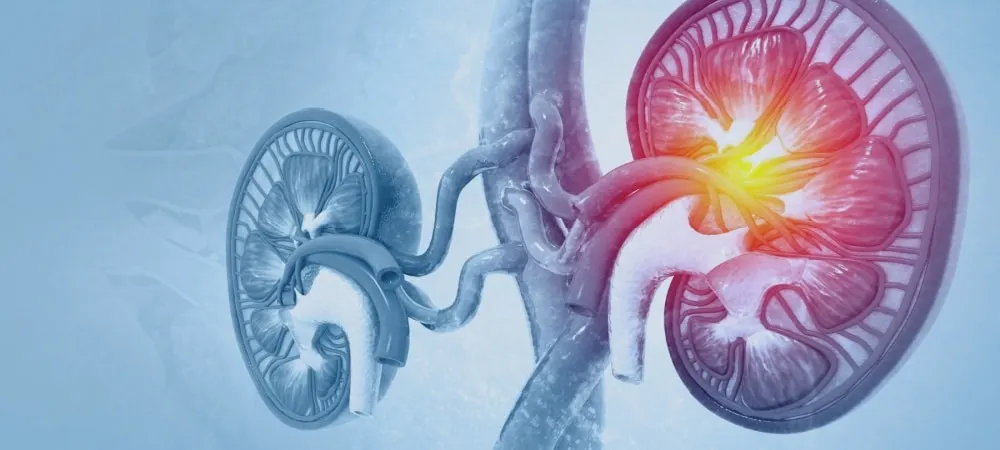
Amyloidosis
Amyloidosis is a rare disease that develops as a result of the irregular clustering of proteins in the body. Abnormal proteins called amyloid can accumulate in organs and cause changes in tissue structure. In particular, some amyloid peptides can be associated with tissue damage. While some types of amyloidosis affect specific organs, others can spread throughout the body. Abnormal protein clusters can mainly accumulate in the liver, kidneys, heart, spleen, blood vessels, and nerves.
Different types of amyloidosis can occur in conjunction with other diseases. Generally, amyloidosis can be brought under control by treating these underlying diseases. However, some types can lead to serious complications such as organ failure. It can be seen more frequently in men compared to women. Amyloidosis can be hereditary or acquired. It may show various symptoms depending on the type of amyloid fibril that forms the amyloidosis. Treatment may include chemotherapy, organ transplantation, medications, stem cell transplantation, or targeted therapies.
What is Amyloidosis?
Amyloidosis is a health problem characterized by the accumulation of insoluble and toxic amyloid proteins in various tissues. Amyloid proteins misfold abnormally in the body, forming insoluble fibrils. These fibrils can cluster and accumulate in different organs. The development of amyloidosis stems from failures in the clearance metabolism of the body in addition to the production of amyloidogenic proteins. The deposits are not metabolically active but can negatively affect the functions of the organs. Depending on the organ in which it accumulates, it can lead to complications such as cardiomyopathy, hepatomegaly (enlarged liver), macroglossia (enlarged tongue), ecchymosis, proteinuria, autonomic dysfunction, renal failure, neuropathy, corneal abnormalities, and hypertension. The classification of amyloidosis is made within the scope of hereditary, systemic, central nervous system, localized, and ocular etiology. The types of amyloidosis, which are distinguished according to their precursor protein, are as follows:
AL amyloidosis: A type associated with multiple myeloma and is also called systemic primary amyloidosis.
AA amyloidosis: It is produced from serum amyloid A, which is an inflammatory protein. It is seen together with systemic inflammatory diseases such as chronic inflammatory bowel disease, familial Mediterranean fever, rheumatic diseases, and tuberculosis. It is also known as secondary amyloidosis.
ATTR amyloidosis: It is the most common type of hereditary amyloidosis and is caused by mutations in the transthyretin gene.
ATTRwt amyloidosis: Amyloid produced from wild-type transthyretin forms the ATTRwt type and is a disease that affects the heart.
Additionally, beta-2M type (dialysis amyloidosis), b microglobulin
What Are the Symptoms of Amyloidosis?
Amyloidosis symptoms can vary depending on the specific protein types and where the fibrils accumulate. Amyloidosis, which can affect a single organ or multiple organs, can have mild or severe symptoms. General symptoms may include:
Numbness in the hands,
Unexplained weight loss,
Weak muscle strength,
Extreme fatigue,
Easy bruising around the eyes and purpura.
Systemic amyloidosis may not present with specific symptoms and may lead to a delay in diagnosis. Systemic amyloidosis findings may include:
Hepatomegaly (enlarged liver),
Macroglossia (enlarged tongue),
Nephrotic syndrome,
Peripheral and autonomic neuropathy,
Carpal tunnel syndrome,
Articular amyloid deposits,
DIARRHEA
Orthostatic hypotension,
Ecchymosis,
Heart failure.
What Causes Amyloidosis?
Amyloidosis occurs as a result of peptides in the body being irregular, abnormal, and having clustering properties. The causes of amyloidosis are linked to underlying conditions and gene changes. Mutations can occur in the genes that produce amyloid proteins, or it can be triggered by other health problems. When examined within the scope of pathology, amyloidosis is caused by the following reasons:
AL type amyloidosis occurs when plasma cells in the bone marrow produce an abnormal light chain protein. The excessive amount of abnormal antibody protein or abnormal light chain portion can accumulate in tissues.
AA type amyloidosis is triggered by other underlying inflammatory diseases. Local or chronic microbial infections, chronic inflammatory diseases, and neoplasms can be among these health problems.
Hereditary amyloidosis is transmitted in an autosomal dominant manner. The abnormal gene can come from one or both parents to cause the disease.
The exact cause of dialysis-related beta-2-microglobulin amyloidosis is not yet fully known. In individuals receiving long-term dialysis, beta-2-microglobulin cannot be cleared from the body and may accumulate as a result of the kidneys not functioning properly. This theory remains valid in the formation of this condition.
How is Amyloidosis Diagnosed?
Different tests can be used for the diagnosis of amyloidosis. In general, symptoms can be confused with other diseases or may not be easily noticed. However, early diagnosis and treatment can prevent further tissue and organ damage. The definitive diagnosis of the type and stage of amyloidosis plays an important role in planning treatment. Diagnostic methods commonly include:
Blood tests: Amyloidosis blood tests allow for the measurement of abnormal protein levels in circulation. It can also provide information about physiological changes in the organ affected by amyloidosis.
Urine tests: Evaluates protein.
Genetic tests: If there is a suspicion that amyloidosis is caused by genetic mutations, genetic testing may be required.
MRI: Provides detailed imaging of various tissues and organs. It is helpful in examining the function and structure of the heart.
Nuclear medicine: Involves the injection of a small amount of radioactive substance intravenously. This test can image heart damage caused by some types of amyloidosis.
Biopsy: Allows for the examination of tissue samples taken from the affected organ.
Echocardiography: Additionally, it allows for the evaluation of damage caused by cardiac involvement of amyloidosis.
How is Amyloidosis Treated?
Amyloidosis treatment does not ensure the complete elimination of the disease. However, it aims to treat the condition that causes amyloid accumulation. This approach can alleviate symptoms by preventing further production of amyloid protein. Recommended treatments for various types of amyloidosis include:
Heart medications: When heart damage develops, medications that can control heart rate, risk of clotting, and urine production may be prescribed. In this way, the metabolic load on the kidneys and heart can be reduced.
Chemotherapy: In AL amyloidosis, cancer drugs can be used to stop the rapid growth of abnormal cells that produce amyloid.
Targeted therapy: These are treatments that target specific genes, proteins, or tissues. It includes drugs that prevent the misfolding of proteins and the commands sent by faulty genes.
Organ transplantation: When some organs are damaged to the point of not performing their normal functions, organ transplantation may be necessary. Heart, kidney, and liver transplants can be performed. It can be a good treatment option for genetic types of amyloidosis.
Dialysis: When kidneys are damaged due to amyloid accumulation, dialysis treatment may be preferred.
Stem cell transplantation: The person's own stem cells are collected intravenously and stored during the chemotherapy process. The stored stem cells are then re-infused into the blood at a later time. It can generally be applied to patients in the early stages and whose hearts have not been damaged.
Frequently Asked Questions
There are many different forms of amyloidosis. Some of these disease forms are transmitted genetically. Other types can be caused by external factors such as inflammatory diseases or long-term dialysis, etc. Whether the amyloidosis type is caused by genetic mutations can be determined by genetic tests. Depending on the amyloidosis subtype, it can generally affect all organs. Amyloidosis can locally affect the central nervous system, upper and lower respiratory tracts, lungs, bladder, ureters, eyes, chest, and skin. Systemic amyloidosis can spread throughout the body and affect the heart, liver, spleen, kidneys, nerves, and blood vessels. Amyloidosis can be named according to the organ it affects and the type of amyloid. Amyloidosis may have emerged hereditarily or may be acquired later due to underlying diseases. Biomarkers in blood tests, abnormal amyloid amounts, existing symptoms and their severity, and the seriousness of the damage occurring in the organs can provide information about the stage of amyloidosis. Diagnosis of amyloidosis can be understood through blood and urine tests, genetic tests, biopsy, MRI, echocardiography, and nuclear medicine methods. In the presence of symptoms that are not easily noticed, more than one test may be applied. Definitive diagnosis is one of the important steps of early treatment. Amyloidosis is not directly defined as cancer, but some of its variants may be associated with cancer. For example, approximately 10-20% of multiple myeloma cases may be linked to AL-type amyloidosis. The abnormal and rapid clustering of amyloid protein fibrils in the body leads to accumulation in tissues. Accumulated amyloid proteins can change the anatomy and functions of organs and can spread throughout the body. Amyloidosis life expectancy can vary depending on which organs are affected, the severity of symptoms, and the type of amyloidosis. Hereditary amyloidosis generally follows a less serious course compared to the systemic type. Also, AL-type amyloidosis patients have a higher probability of living longer. The occurrence of serious damage in more than one organ can reduce life expectancy. For amyloidosis, one should go to the Internal Medicine department of hospitals. Due to the involvement of some local organs in the body or multiple organs systematically, it is recommended to be examined by an internal medicine specialist. Early diagnosis and treatment by internal medicine specialists will accelerate the recovery process. Amyloidosis diet is not primarily considered within the scope of treatment and prevention. However, in individuals with amyloidosis-related kidney damage, phosphorus, potassium, and protein amounts may be restricted. Also, people with heart damage may prefer a diet that is less fatty and free from refined foods. Generally, special diets aimed at improving the damaged organ can be applied. Diet therapy can be carried out under the guidance of a specialist doctor and dietitian. Nutritional recommendations can be made depending on the damaged organ affected.
Amyloidosis is a complex disease that requires early diagnosis and a multidisciplinary approach. Personalized diagnosis and treatment plans are created with the cooperation of Internal Medicine, Cardiology, Nephrology, and Hematology departments.
If you have a suspicion of amyloidosis or an existing diagnosis, you can consult our expert Nephrology physicians to get detailed information about advanced diagnostic methods and current treatment options.
Start with the right assessment for What is Amyloidosis? Symptoms, Causes, Diagnosis and Treatment Methods
Share your symptoms with our specialist physicians; let us determine the right diagnosis and treatment plan together.
Warning
If your symptoms started suddenly, are progressing rapidly, or significantly restrict your daily life, consult a physician without delay.
Plan your What is Amyloidosis? Symptoms, Causes, Diagnosis and Treatment Methods journey with our specialists.
Fill in the form or book an appointment to learn about treatment options, the process and preparation.