

Internal Medicine
In the Internal Medicine department, all medical problems and diseases whose diagnosis, follow-up and treatment fall under internal medicine are examined and treated by our specialist physicians – including all kinds of infectious diseases, especially of the upper and lower respiratory tract, cardiovascular diseases, hypertension, diabetes, kidney and liver diseases, gastrointestinal diseases and cancer, as well as diseases of many other organs and tissues.
About the Department
The scope, approach and highlighted services of the department.
General Internal Medicine Outpatient Clinic and Inpatient Services Unit:
For almost every type of internal medicine problem, world-class care of consistent quality is provided 7 days a week, 24 hours a day, by experienced faculty members and physicians with national and international clinical and academic experience.
Internal Medicine Consultation Services Unit:
It provides services to all other departments and units, above all the emergency services, both in general internal medicine and in its subspecialties.
Check-up Clinic Unit:
Check-up services tailored to various purposes are carried out by specialist physicians.
Subspecialties:
Rheumatology, Haematology, Oncology, Nephrology and Geriatrics services are also provided by internal medicine physicians working under the leadership of faculty members.
Conditions Evaluated and Treatments Provided
In the Internal Medicine Department, all medical problems and diseases whose diagnosis, follow-up and treatment fall under the responsibility of Internal Medicine are investigated and treated by specialist physicians and faculty members, including diseases of many organs and tissues such as all kinds of infectious diseases (particularly of the upper and lower respiratory tract), cardiovascular diseases, hypertension, diabetes, kidney and liver diseases, gastrointestinal diseases and cancer.
Diagnostic, Treatment and Patient Care Methods
The Internal Medicine Department uses many advanced diagnostic methods, such as microscopic evaluation of fluid and tissue samples including peripheral blood smears, urine and bone marrow aspirate; biopsies of the kidney, liver, bone marrow, stomach and intestine; and endoscopic examinations such as oesophagogastroduodenoscopy and colonoscopy.
The methods used for treatment comply with the standards and principles of contemporary medical science. Through the computers in all our units, international medical publications are accessible 24 hours a day without interruption, so that medical developments and innovations are followed and information is obtained on the latest diagnostic and treatment methods, reported drug side effects and other treatment outcomes. In the diagnostic and treatment stages, the guideline recommendations of internationally respected scientific organisations are followed, and evidence-based treatment protocols make use of state-of-the-art drugs and other products such as blood products. When necessary, advanced methods such as haemodialysis, peritoneal dialysis, haemofiltration, plasma exchange, endoscopic control of bleeding sites and cancer chemotherapy are used.
All treatments are administered with the informed consent of patients and their relatives, taking into account the highest possible benefit/risk and benefit/cost ratios. Because treatments are recorded electronically, problems such as illegible treatment plans are prevented, medical errors are avoided, and all diagnoses and treatments can be reviewed, audited and, if necessary, printed at any time. At the patient's request, all of their information can be provided to them or to other medical centres within a very short time, which is regarded as one of the requirements of quality care.
The Internal Medicine Department is committed to applying the most advanced methods not only in diagnosis and treatment but also in recognising, protecting and promoting patient rights.
Multidisciplinary Work and Clinics
Every patient who applies to the Internal Medicine Department, regardless of the unit they apply to or the reason for their visit, is evaluated comprehensively, both with regard to the reason for their visit and in a way that can reveal all of their medical problems. Then, depending on the nature of the possible problems and diseases identified, consultations are held both among the subspecialties of the Internal Medicine Department, such as Rheumatology, Nephrology and Gastroenterology, and, if necessary, with other departments of our hospital. Bedside evaluation meetings are held for critically ill patients, and all specialties and resources of our hospital are made available to the patient.
Our department also provides consultation services to other departments, above all the Emergency Department, the Intensive Care Unit and all surgical specialties, and uses quality control methods to ensure that these services are delivered as quickly and effectively as possible. This multidisciplinary work, carried out within the department and together with other departments, covers not only diagnosis but also treatment, follow-up and training. Patients' progress is monitored on a multidisciplinary basis; in case discussion meetings, diagnostic and treatment methods are discussed with representatives of all relevant departments and clinics, and continuous improvement work is carried out. With the support of its own subspecialties as well as members of other departments, the Internal Medicine Department also considers it one of its core duties to run multidisciplinary training programmes for patients and their relatives, and for physicians, nurses and other healthcare professionals working inside and outside the hospital.
Conditions Covered
The main conditions within the department’s diagnosis and treatment scope.
- Common Rheumatic Diseases
- Frequently Asked Questions About Rheumatoid Arthritis
- Crush Syndrome: The Most Common Problem Faced by People Rescued Alive from Under Rubble
- Modern Disease of the Modern Age: Chronic Fatigue Syndrome…
- What Is Edema? How Is It Treated?
- What Is Diabetes? Symptoms, Types, Diagnosis and Treatment Methods
- What is Familial Mediterranean Fever (FMF)? Symptoms, Causes and Treatment
- Magnesium Deficiency: Symptoms, Causes and Treatment Methods
- What is MCH? Symptoms, Causes, and Treatment of High and Low MCH
- Autoimmune Diseases: Symptoms, Types, Diagnosis, and Treatment Methods
- Causes, Diagnosis and Treatment of Abdominal Pain in Adults
- What is Prediabetes (Borderline Diabetes)? Symptoms, Causes and Treatment
Department Doctors
Our specialist team working in the Internal Medicine department.
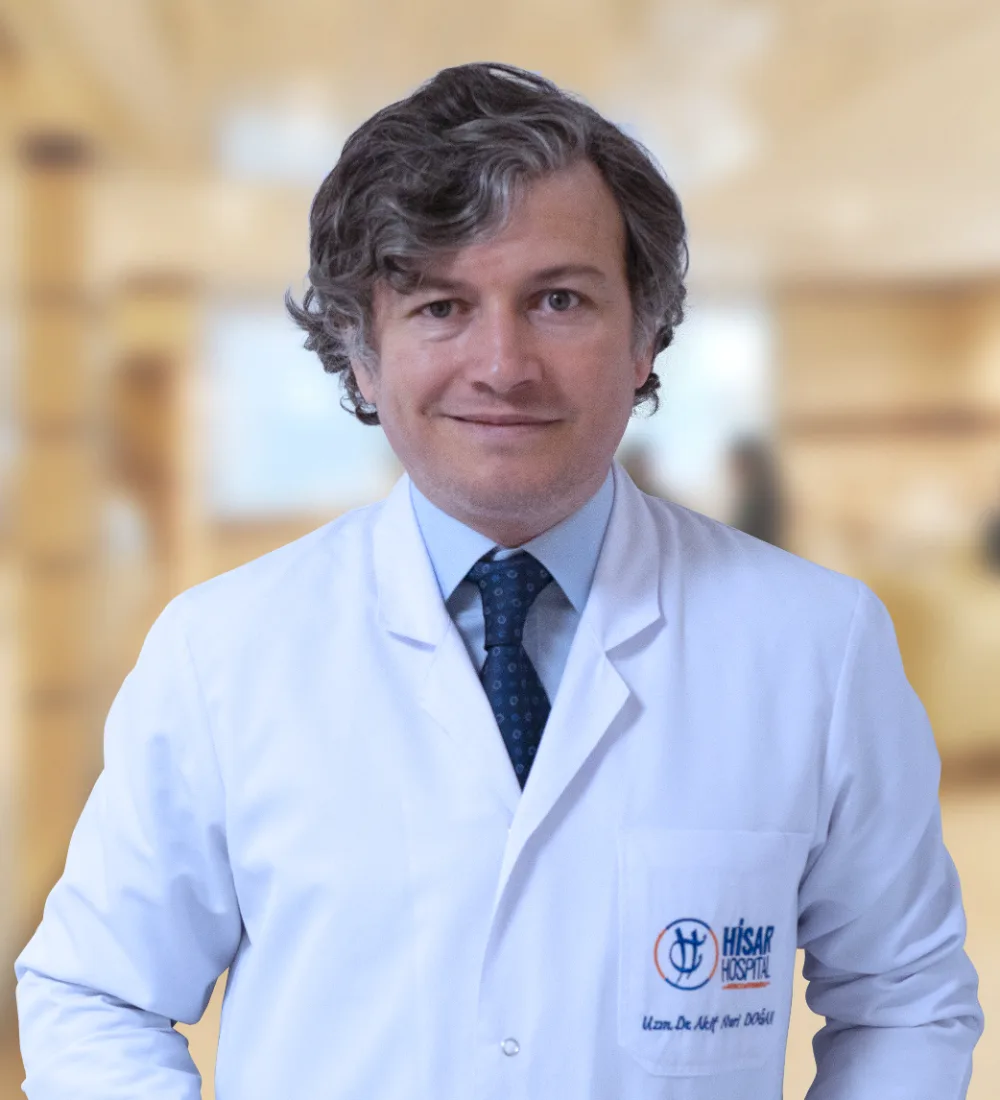
Asst. Prof. Dr. Akif Nuri Doğan
Check-Up
Obesity
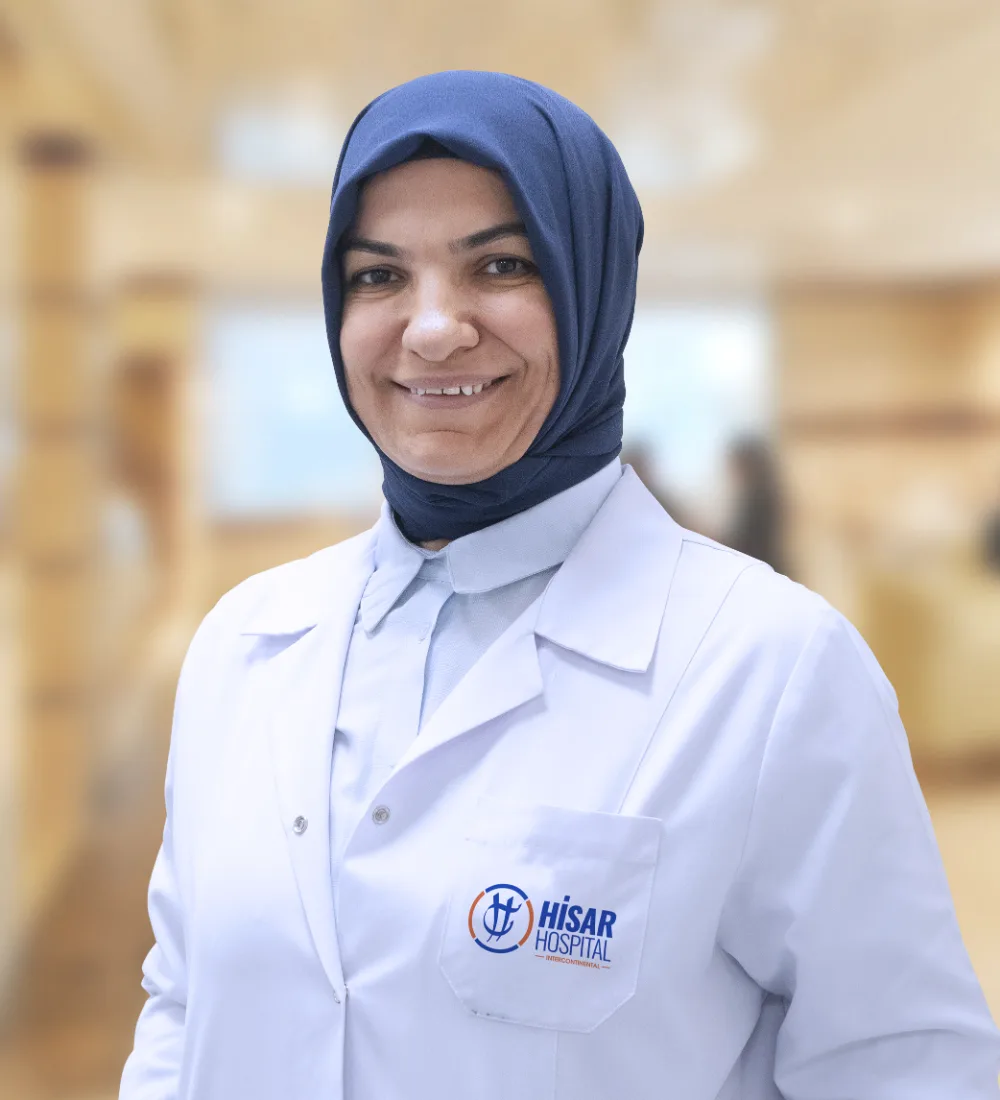
Specialist Dr. Fatma Kural Aydın
Internal Medicine
Endocrinology and Metabolic Diseases
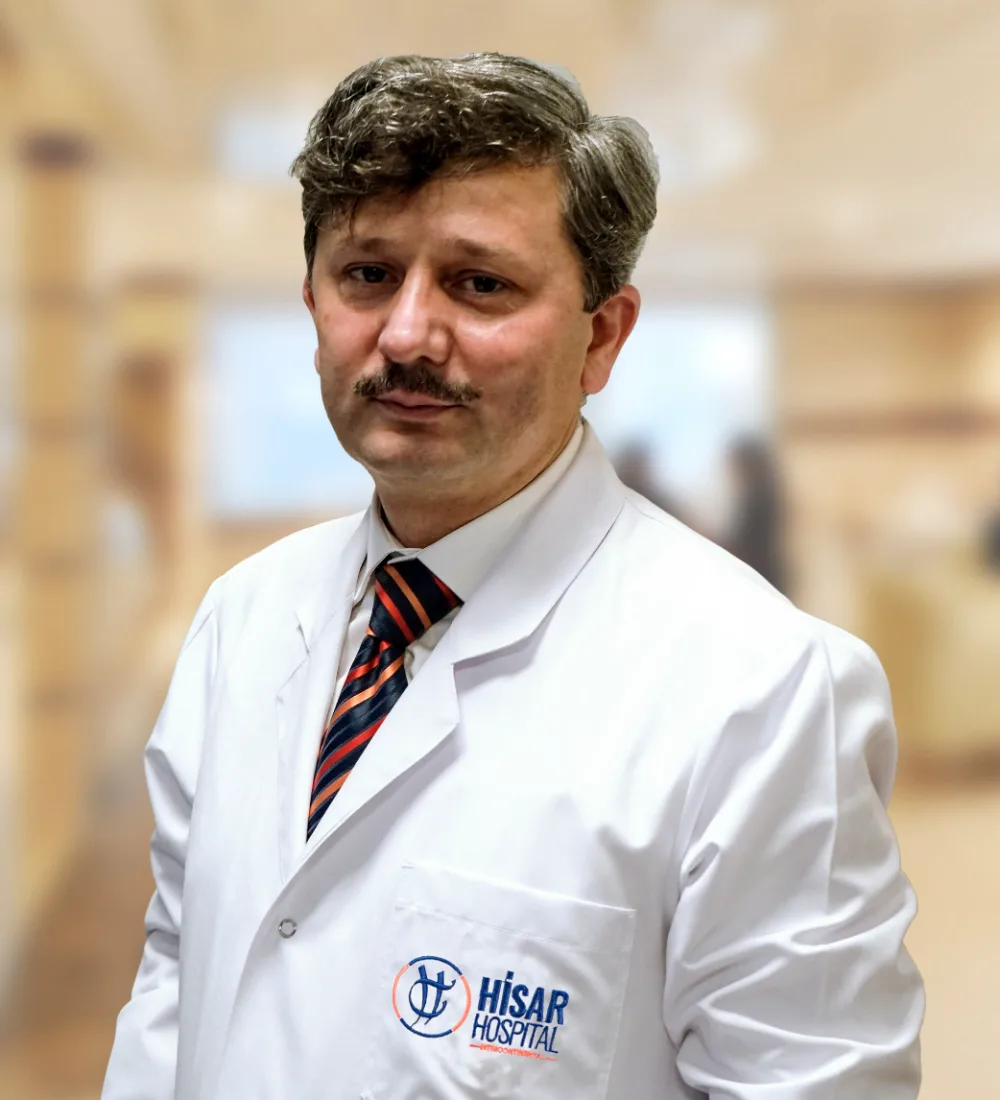
Specialist Dr. Selami Aydın
Internal Medicine
Diabetes
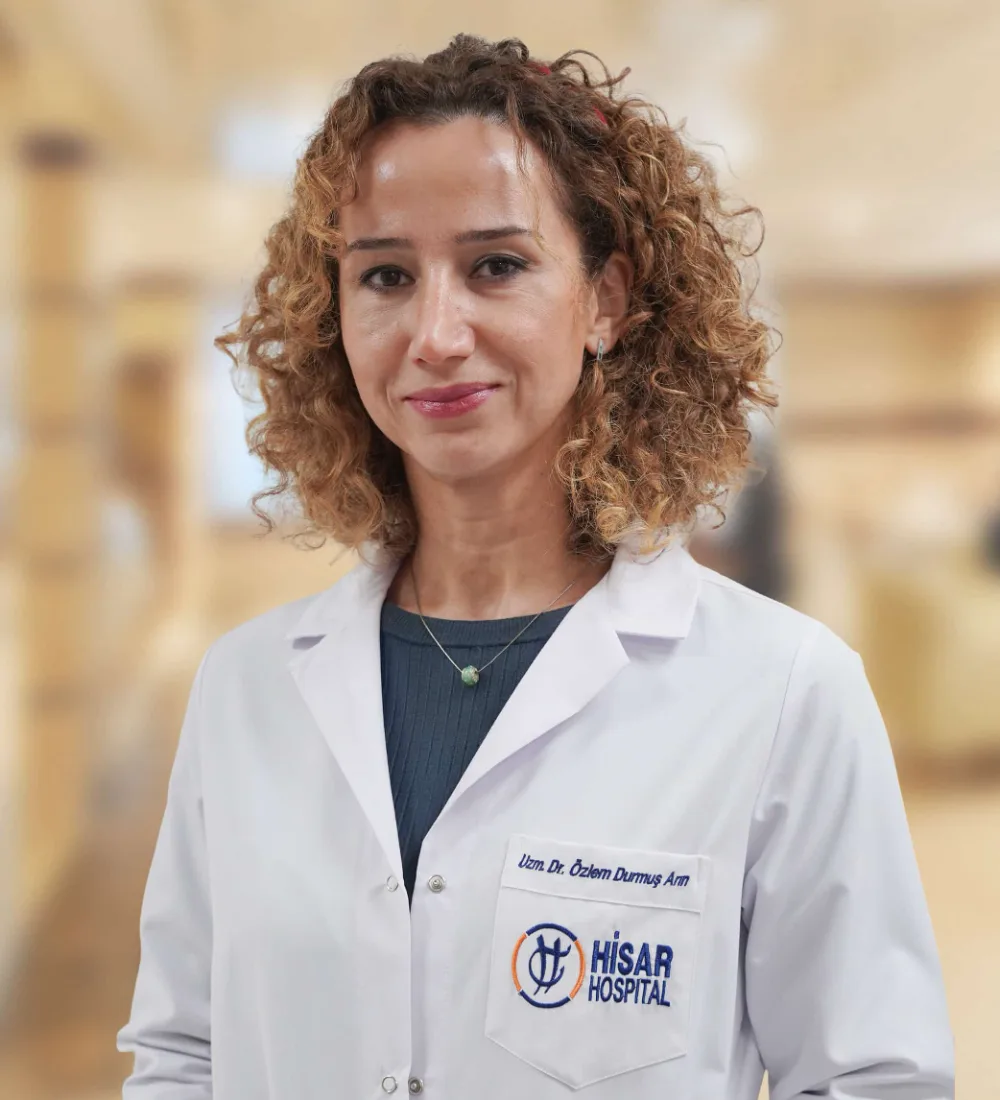
Specialist Dr. Özlem Durmuş Arın
Internal Medicine
Insulin resistance, Pre-diabetes

Specialist Dr. Sezim Talaibekova
Internal Medicine
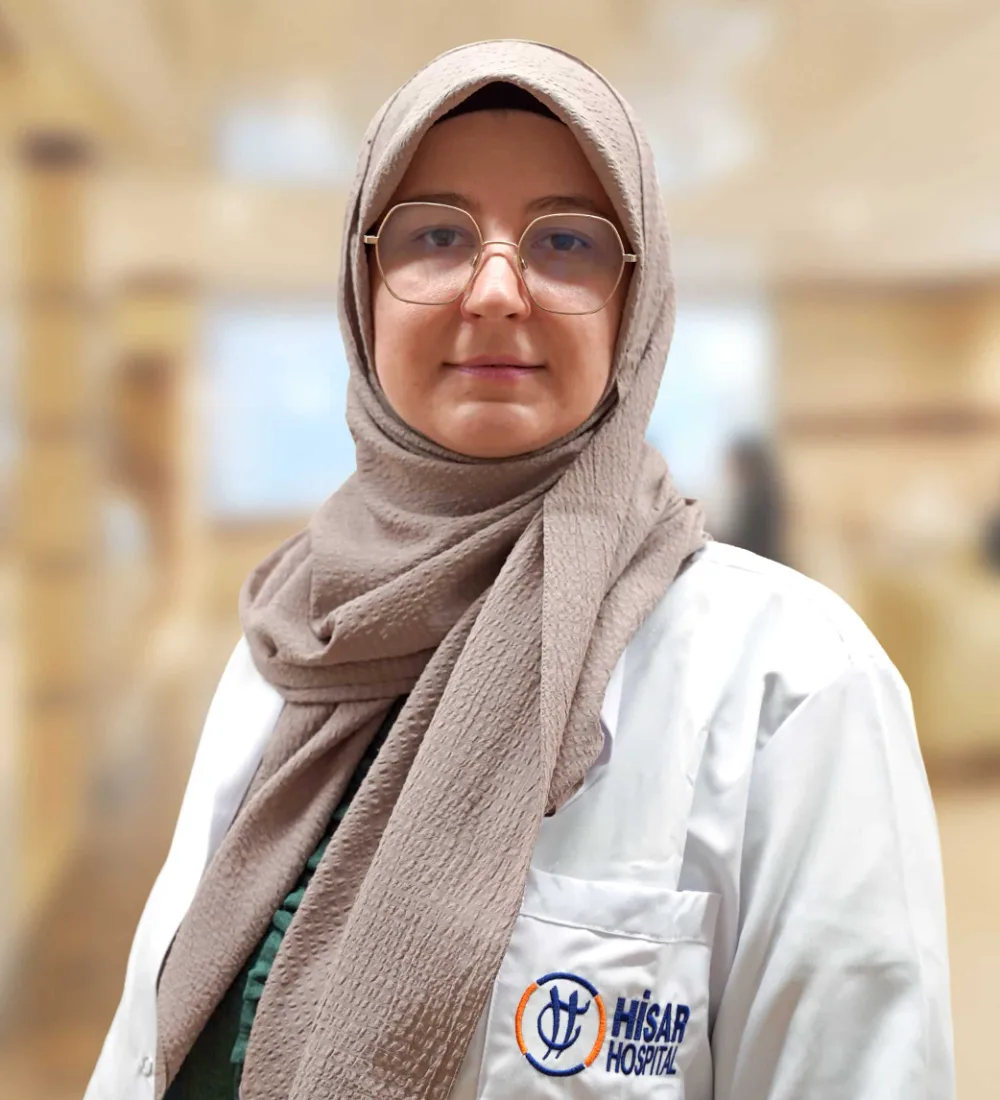
Specialist Dr. Semra Orhan Dzhemal
Internal Medicine
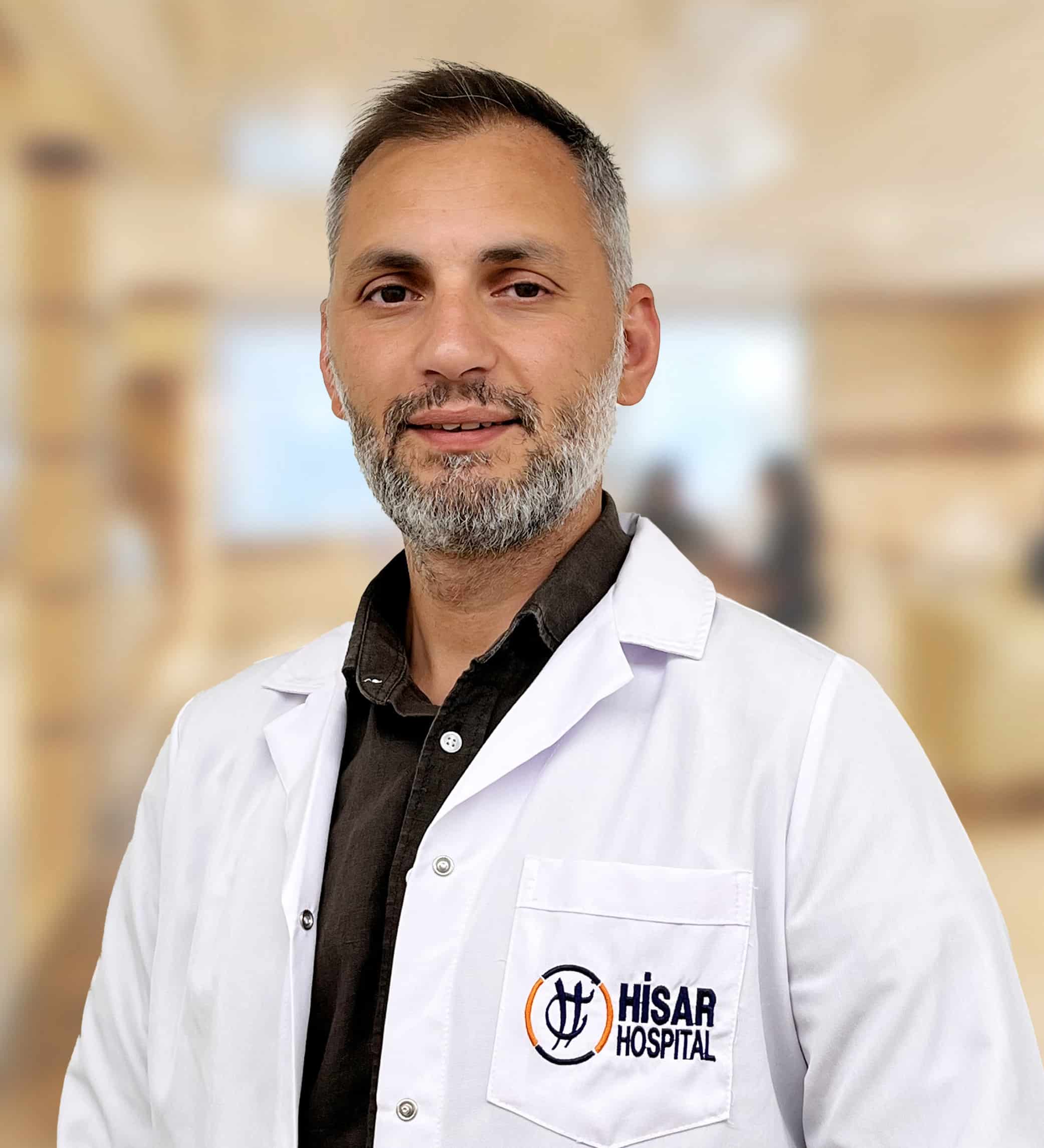
Dr. Elgun Abıshov
Internal Medicine
Endocrinology and Metabolism: Diabetes, thyroid diseases (goiter, hypothyroidism, hyperthyroidism) and insulin resistance.
Related Videos
Informative videos from our specialists related to the Internal Medicine department.

Locations
At Which Hospitals?
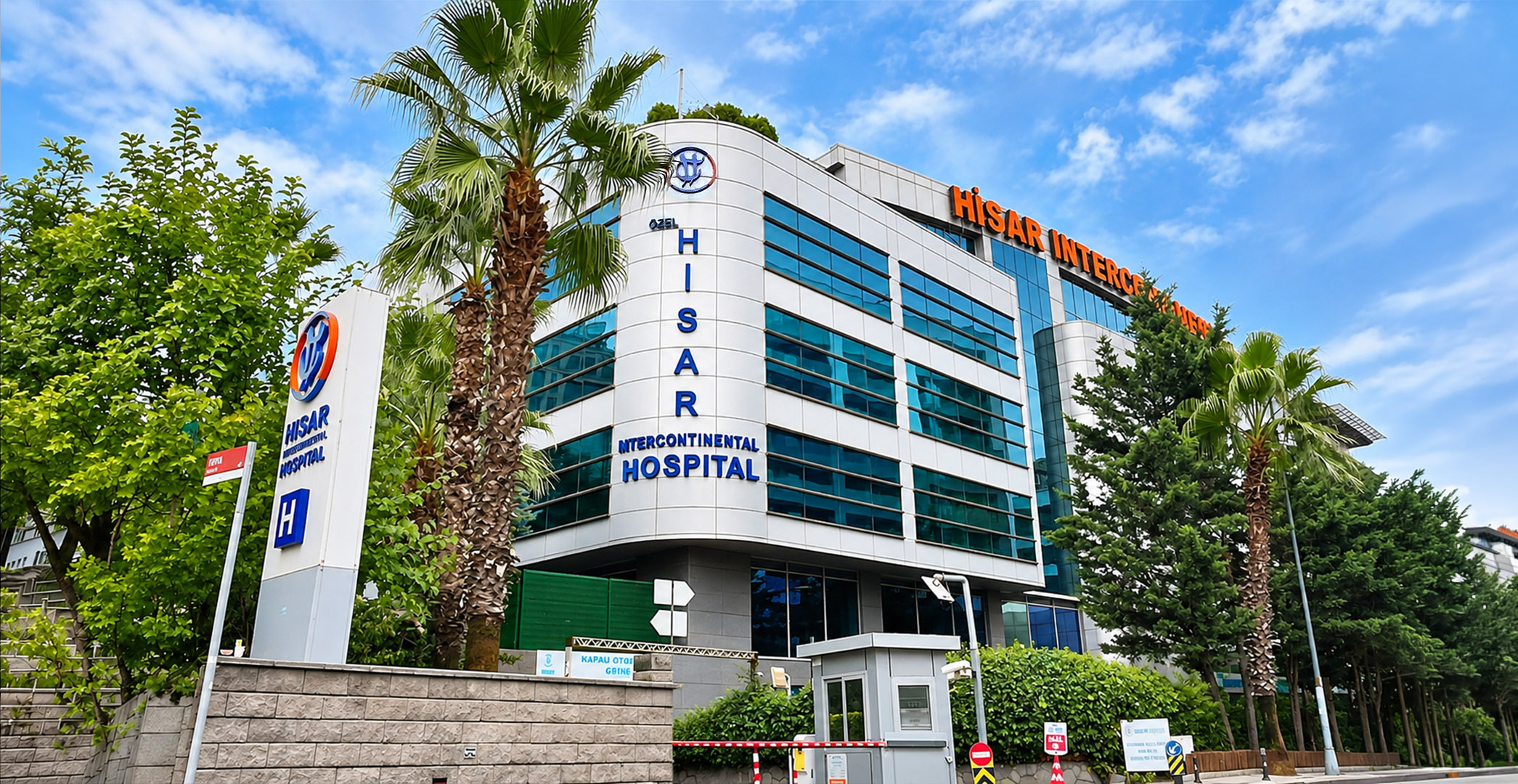
The Internal Medicine department is available at the following locations.
Author
Web and Medical Editorial BoardReviewed by a specialist
Asst. Prof. Dr. Akif Nuri DoğanCheck-UpReview date: 31 October 2026Contact
Internal Medicine Department — Get in Touch
Fill out the form with your questions; our team will call you back as soon as possible.
The Hisar Hospital Web and Medical Editorial Board contributed to the development of this content. All content on this website is provided for general informational purposes only. Please consult a physician for the evaluation, diagnosis and treatment of your condition.
Last Updated: