


Ear, Nose and Throat Diseases
ENT conditions and surgery.
About the Department
The scope, approach and highlighted services of the department.
Another name for the Ear, Nose and Throat (ENT) department is Otolaryngology. Otolaryngology diagnoses and treats problems related to the ear, nose and throat. Specialists in this field can perform surgical procedures using advanced techniques. Because ENT diseases are interconnected, they often require collaboration with other medical disciplines such as neurology, oncology and pulmonology. This multidisciplinary approach ensures that complex conditions are addressed comprehensively and treated effectively. The holistic approach of the ENT department addresses not only medical concerns but also the role these senses play in overall health.
What Are Ear, Nose and Throat Diseases?
The ENT department primarily deals with diseases of the interconnected systems located in the head and neck region. Diseases that develop in this region can affect hearing, breathing, the sense of smell and even the ability to speak. The diseases treated by the Ear, Nose and Throat department include:
Ear Diseases:
Middle Ear Infection (Otitis Media): Although it can occur in almost every age group, middle ear infection is most common in children and can cause ear pain and, in severe cases, hearing loss.
Ringing in the Ears (Tinnitus): It is characterized by persistent ringing or buzzing sounds in the ears. It is often a symptom of an underlying problem such as hearing loss or exposure to loud noise.
Ménière's Disease: A condition caused by excessive pressure in the inner ear. It is characterized by dizziness, hearing loss and ringing in the ears.
Nasal Diseases:
Sinusitis: Sinusitis, which means inflammation of the sinus cavities, can cause congestion, facial pain and difficulty breathing through the nose.
Rhinitis: Rhinitis is inflammation of the mucous membrane lining the inside of the nose. It can cause symptoms such as sneezing, runny nose and congestion.
Nasal Polyps: These are benign growths that can cause blockage in the nasal cavity and breathing difficulties. Polyps can grow when the mucous membrane lining the nose or sinuses becomes inflamed.
Throat Diseases:
Tonsillitis: Inflammation of the tonsils is usually caused by bacterial or viral infections. It can cause a sore throat and difficulty swallowing.
Laryngitis: Inflammation of the larynx as a result of irritation or overuse. It can lead to inflammation of the vocal cords, hoarseness and a husky voice.
Gastroesophageal Reflux Disease (GERD): Reflux, in which stomach acid flows back into the esophagus, can cause throat irritation and chronic cough.
Head and Neck Diseases:
Head and Neck Cancers: These include cancers of the larynx, pharynx and salivary glands and may require multidisciplinary treatment approaches.
Thyroid Disorders: Disorders of the thyroid gland, such as hypothyroidism and hyperthyroidism, can have a significant impact on overall health.
Sleep Apnea: Characterized by pauses in breathing during sleep, this condition leads to loud snoring and poor-quality sleep.
What Are the Symptoms of Ear, Nose and Throat Diseases?
ENT diseases can present with a variety of symptoms, and recognizing the signs early is important for early diagnosis and treatment.
Ear Pain: Pain in one or both ears may be a sign of an inner or outer ear infection.
Hearing Loss: A sudden or gradual decrease in hearing ability may indicate problems such as infections, blockages or damage inside the ear.
Tinnitus: Persistent ringing in the ears is both a condition and a symptom. These ringing sounds may be a sign of underlying ear problems or exposure to loud noise.
Nasal Congestion: Breathing difficulties may occur due to blockage or inflammation in the nasal passages.
Runny Nose: Excessive nasal discharge caused by allergies, infections or irritants may occur.
Nosebleeds: Frequent or unexplained nosebleeds may be a sign of nasal or sinus problems.
Sore Throat: Pain or irritation in the throat may be the result of infections such as tonsillitis or viral infections.
Hoarseness: A change in voice quality, a hoarse voice or difficulty speaking may indicate problems with the vocal cords, thyroid diseases or the larynx.
Difficulty Swallowing: Persistent difficulty swallowing may be associated with conditions affecting the throat or esophagus.
Headaches: Chronic headaches, especially around the temples or forehead, may be linked to sinus problems or other head and neck conditions.
Neck Swellings: Swellings in the neck may be a sign of enlarged lymph nodes, thyroid diseases, salivary gland stones or tumors.
Facial Pain: Pain or pressure in the face may be associated with sinus infections or facial nerve problems.
Snoring or Mouth Breathing: These are potential signs of problems with the airway or adenoids, particularly during sleep
How Are Ear, Nose and Throat Diseases Diagnosed?
Various diagnostic tests are used to accurately diagnose ear, nose and throat diseases:
Medical History: The doctor may ask about your symptoms, how long they have lasted and the factors that affect them. In doing so, they may also ask about past illnesses, allergies, medications and lifestyle factors.
Physical Examination: A thorough physical examination focuses on the structures of the ear, nose and throat. ENT specialists may use special instruments to examine the ears, nasal passages and throat. They may also assess any swellings or abnormalities in the neck area.
Hearing Tests: If hearing loss is suspected, various hearing tests may be performed. Pure-tone audiometry helps assess the degree and type of hearing loss, while other tests such as tympanometry evaluate middle ear function.
Imaging Studies: In some cases, imaging studies may be needed. X-ray, CT or MRI scans can provide detailed images of internal structures and help diagnose abnormalities.
Endoscopy: Endoscopy allows detailed examination of the nose, throat or larynx using a thin, flexible tube with a camera. This helps diagnose problems such as nasal polyps or vocal cord disorders.
Allergy Tests: Allergy tests may be recommended if allergic reactions are suspected of contributing to the symptoms.
Microbiological Tests: For infections, microbiological tests may be performed by taking cultures.
Biopsy: A biopsy may be performed when there are suspicious masses or tumors. In this test, a laboratory analysis is carried out to determine whether the growth is benign or malignant.
Specialized Tests: Depending on the suspected condition, specialized tests may be used. For example, in cases of dizziness or vertigo, balance tests may be performed to assess inner ear function.
How Are Ear, Nose and Throat Diseases Treated?
The treatment of ear, nose and throat diseases requires a personalized approach based on the specific condition and its underlying causes. The treatments generally provided in the ENT department include:
Medication: Medications play an important role in the treatment of ENT diseases. Antibiotics may be prescribed for bacterial infections, while antiviral medications are used for viral infections.
Pain Management: Over-the-counter or prescription pain relievers may be recommended for conditions that cause pain. Ear pain, sore throat or sinus pain can usually be managed effectively with appropriate pain medication.
Allergy Management: Allergies that contribute to ENT symptoms can be controlled with antihistamine sprays.
Earwax Removal: Blockage caused by earwax can lead to hearing problems. Excess earwax can be softened or removed with ear drops or irrigation.
Surgical Interventions: In some cases, surgical procedures may be necessary. Surgical interventions may include procedures such as removing the tonsils or adenoids, or removing tumors in the head and neck region.
Hearing Aids: Hearing loss, especially in older adults, can be managed with hearing aids. By amplifying sounds, hearing aids can improve a person's ability to hear and communicate.
Speech and Swallowing Therapy: Sessions with speech therapists can be beneficial for conditions that affect speech or swallowing. Therapists can help individuals regain or improve their communication and swallowing abilities.
Balance and Vestibular Rehabilitation: Inner ear disorders that cause dizziness or balance problems can be addressed with vestibular rehabilitation exercises. These exercises aim to improve balance and reduce the symptoms of vertigo.
Lifestyle Modifications: There are certain lifestyle changes that can help manage ENT conditions. Changes such as quitting smoking and avoiding allergens can have a positive effect on ear, nose and throat health.
Frequently Asked Questions
What Is Checked During an ENT Examination?
The Ear, Nose and Throat department performs a comprehensive examination to evaluate hearing, nasal and sinus function, throat health and general head and neck conditions. This includes checking for infections, structural abnormalities and problems that affect speech or swallowing. Specialized tests may also be performed for a more detailed evaluation.
Does an ENT Specialist Order an MRI?
Yes, they may, but an MRI is not always necessary for routine ENT evaluations. It is generally used to investigate tumors, structural problems or complex conditions.
Does an ENT Specialist Order Lab Tests?
Yes, an Ear, Nose and Throat specialist may order various lab tests to diagnose conditions. These tests are requested to evaluate infections, allergies and general systemic conditions.
Do ENT Doctors Perform Surgery?
Yes, Ear, Nose and Throat doctors are trained to perform surgical procedures when necessary. They can perform surgery for a variety of conditions, from tonsil removal to sinus operations.
Which Tests Does an ENT Specialist Order?
The Ear, Nose and Throat department may order a variety of tests, such as hearing assessments, endoscopy, imaging scans and allergy tests.
How Is ENT Endoscopy Performed?
In the ENT department, endoscopy is performed by inserting a thin, flexible tube with a camera at one end into the nose or throat. This tube allows the internal structures to be visualized. It enables ENT specialists to closely examine and diagnose conditions such as nasal polyps, vocal cord disorders or sinus problems.
Maintaining ear, nose and throat health is important for overall well-being. If you experience any suspicious symptoms, you can contact an Ear, Nose and Throat doctor for early diagnosis and treatment.
Endovisual systems are used in the examination of patients who apply to our hospital's Department of Ear, Nose and Throat Diseases and Head and Neck Surgery. Endoscopic images and radiological examinations are recorded digitally and used for patient examinations and for preparing and archiving surgical reports. In the operating rooms of Hisar Hospital Intercontinental, standard ENT surgeries are performed, including operations for tonsillitis and adenoid conditions, which are especially common in childhood, cause symptoms such as difficulty breathing and snoring, and predispose to diseases such as sinusitis and middle ear infection, as well as the placement of ventilation tubes in the ear.
Diseases Diagnosed and Treated in Our Department of Ear, Nose and Throat Diseases and Head and Neck Surgery
Allergic Rhinitis (Nasal Allergies)
Rhinoplasty (Aesthetic Nose Surgery)
Eardrum Repair
Adenoid and Tonsil Surgery in Children
Ear Microsurgery
Microsurgical Operations for Voice Disorders
Snoring and Sleep Apnea (Pauses in Breathing During Sleep) Surgery
Chronic Middle Ear Infection Surgery (Tympanoplasty, Mastoidectomy, etc.)
Prosthetic Replacement of the Ear Ossicles (Stapes Surgery, Ossiculoplasty)
Head and Neck Tumors (Cancers of the Larynx, Oral Cavity, Neck, Salivary Glands, etc.)
Another name for the Ear, Nose and Throat (ENT) department is Otolaryngology. Otolaryngology diagnoses and treats problems related to the ear, nose and throat. Specialists in this field can perform surgical procedures using advanced techniques. Because ENT diseases are interconnected, they often require collaboration with other medical disciplines such as neurology, oncology and pulmonology. This multidisciplinary approach ensures that complex conditions are addressed comprehensively and treated effectively. The holistic approach of the ENT department addresses not only medical concerns but also the role these senses play in overall health.
Sub-departments & Units
Clinics, centers and units within this department.
Speech, Language, Voice and Swallowing Therapy Clinic
VOICE DISORDERS How is voice produced? The structure commonly known as the "Adam's apple" is at the front of the larynx. The vocal cords extend backward from the Adam's apple…
Snoring Treatment
Snoring Snoring indicates that the air passage in the respiratory tract is not sufficiently open; quite severe snoring shows that air is forced to pass through a narrow area…
Rhinology (Nose and Sinus Diseases)
In our department, where all types of diseases of the nose and sinuses are treated: Deviated nasal septum (Septum deviation), Rhinoplasty, Enlargement of the nasal turbinate (Concha), Allergies, Sinuses and all diseases related to the sinuses, Tumors originating from the nose and sinuses.
Treatment Methods
The main treatments and procedures performed in our department.

Hearing Test in Newborn Babies
Ear, Nose and Throat Diseases

Get Rid of Allergic Rhinitis with Rhinolight Treatment!
Ear, Nose and Throat Diseases

Tonsil Surgery
Ear, Nose and Throat Diseases
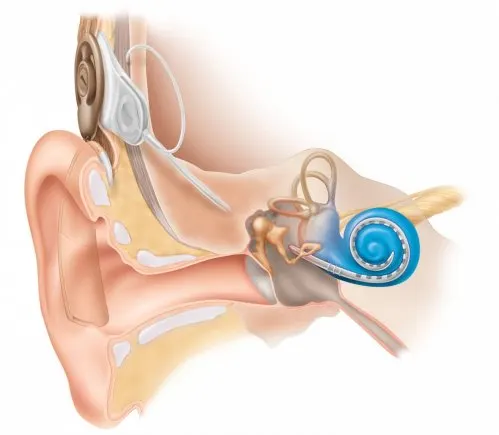
Ear Tube Procedure
Ear, Nose and Throat Diseases

Cochlear Implant: A Solution for Hearing Loss
Ear, Nose and Throat Diseases

Videonystagmography (VNG) Test Makes Diagnosing Vertigo Easier
Ear, Nose and Throat Diseases
Rhinoplasty: What Is It and How Is It Performed?
Ear, Nose and Throat Diseases
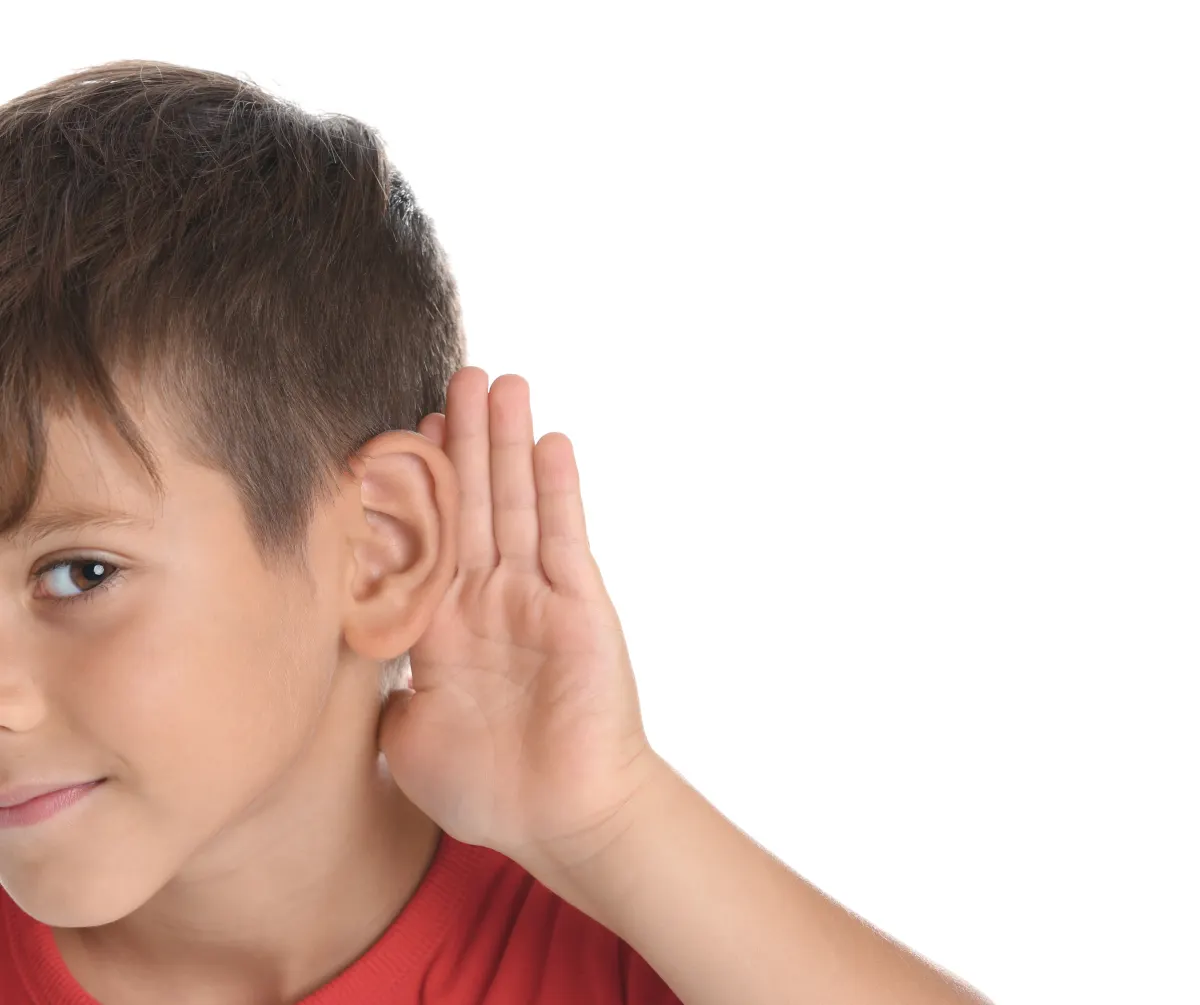
Scarless Ear Surgery with Endoscopic Technique
Ear, Nose and Throat Diseases

Tympanoplasty (Eardrum Surgery)? What Are the Causes, Symptoms and Treatment Methods?
Ear, Nose and Throat Diseases

What Is Tonsil Surgery (Tonsillectomy), How Is It Diagnosed, and What Are the Treatment Methods?
Ear, Nose and Throat Diseases

What is Adenoid Surgery (Adenoidectomy)? How Is It Performed?
Ear, Nose and Throat Diseases

What is the BERA (ABR) Test? How is the BERA (ABR) Test Performed?
Ear, Nose and Throat Diseases
Conditions Covered
The main conditions within the department’s diagnosis and treatment scope.
- Sinusitis
- Two Sibling Diseases: Reflux and Sinusitis
- If You Are Constantly Tired, You May Have Sinusitis.
- Adenoids
- Fluid Accumulation in the Middle Ear Is the Most Important Cause of Hearing Loss in Children
- What Is Facial Palsy? Causes, Symptoms and Treatment Process
- Beware of Sudden Dizziness That Develops During the Day!
- Sleep Apnea
- Upper Respiratory Tract Infections
- What is Laryngeal Cancer? What are its Symptoms? How is Diagnosis and Treatment Performed?
- What Is Allergic Rhinitis (Hay Fever)? What Are the Symptoms?
- Tinnitus Causes, Symptoms and Treatment Methods
Department Doctors
Our specialist team working in the Ear, Nose and Throat Diseases department.

Prof. Dr. Yavuz Selim Yıldırım
Ear, Nose and Throat Diseases
Nose Aesthetics

Prof. Dr. Tayfun Apuhan
Ear, Nose and Throat Diseases
Functional and aesthetic nasal surgeries (Rhinoplasty, Septoplasty, Turbinate surgery)

Prof. Dr. Selman Sarıca
Ear, Nose and Throat Diseases
Otology (Ear infections, repair of the eardrum, surgery of the middle ear-mastoid and ossicles, Balance Disorders)

Op. Dr. Savaş Çelik
Ear, Nose and Throat Diseases

Op. Dr. Murat Ünlü
Ear, Nose and Throat Diseases
Functional and Aesthetic Nose Surgery

Op. Dr. Yasemin Ongun
Ear, Nose and Throat Diseases
Rhinoplasty
Related Videos
Informative videos from our specialists related to the Ear, Nose and Throat Diseases department.
 0:46
24-Hour Ear, Nose and Throat
 3:17
Hearing Loss in Newborns and Speech Skills in Children Whose Development Is Ongoing
 1:06
What Is Rhinoplasty? How Is It Performed?
 2:15
Op. Dr. Hasan ŞAHİN - Rhinoplasty (Nose Reshaping Surgery)
 35:07
Frequently Asked Questions About Endoscopic Ear Surgery / Instagram Live
 34:21
Frequently Asked Questions About Sleep Apnea / Instagram Live
 10:59
What Is Nose Aesthetics (Rhinoplasty)?
 27:44
Seasonal Allergic Nasal and Sinus Diseases
 7:27
Why Does Snoring Occur?
 1:14
Tongue Cancer Caused by a Neglected Broken Tooth!
 2:20
Diagnosis and Treatment of Head and Neck Cancers
 3:22
Our ENT Specialist Assoc. Prof. Dr. Selman SARICA Was a Guest on Number One FM
Locations
At Which Hospitals?
The Ear, Nose and Throat Diseases department is available at the following locations.

Author
Web and Medical Editorial BoardReviewed by a specialist
Prof. Dr. Selman SarıcaEar, Nose and Throat DiseasesReview date: 31 October 2026Contact
Ear, Nose and Throat Diseases Department — Get in Touch
Fill out the form with your questions; our team will call you back as soon as possible.
The Hisar Hospital Web and Medical Editorial Board contributed to the development of this content. All content on this website is provided for general informational purposes only. Please consult a physician for the evaluation, diagnosis and treatment of your condition.
Last Updated: