

Dermatology
Dermatology is the branch of medicine concerned with the diagnosis and treatment of all diseases of the skin, mucous membranes, hair and nails, as well as sexually transmitted diseases. We offer our patients care and cosmetic advice on itching, fungal infections, acne, hand, foot and facial warts, genital warts, eczema, psoriasis, hives, lip and genital herpes, moles, skin cancers, hair loss and hair diseases, nail diseases and ingrown nails, shingles, excessive hair growth, vitiligo, allergic skin diseases, wrinkles, pigmentation, skin ageing, wound and burn scars, hair and nail problems and general skin care.
About the Department
The scope, approach and highlighted services of the department.
The skin is the body's first line of defence against disease and external factors. Keeping the skin healthy is very important, as it has vital functions such as protecting the other organs, maintaining the integrity of the body and its heat balance, and revealing symptoms of various diseases. The skin is an important indicator of the body's overall health; signs heralding problems with the stomach, kidneys and thyroid can develop on the skin. If you need help with a skin-related problem, you can visit the dermatology outpatient clinic.
What Is Dermatology?
Dermatology is a branch of medicine concerned with diagnosing diseases and disorders of the skin, hair, sebaceous glands, mucous membranes, mouth, genital membranes and nails, evaluating conditions such as cosmetic concerns and ageing, and resolving them with the right treatment protocol. It aims to provide diagnosis and treatment to patients of all ages, children and adults alike. Physicians trained and specialised in this field are called dermatologists. In addition to the diagnoses and treatments they provide, dermatologists are health professionals who are also skilled in Botox, chemical peels and many other cosmetic procedures. According to the patient groups it serves, dermatology can be divided into four subspecialties:
Paediatric Dermatology: A children's dermatologist, also known as a paediatric dermatologist, is a physician specialised in the skin diseases of all children, from newborns to adolescents. Birthmarks and adolescent acne are usually treated in this subspecialty.
Medical Dermatology: This is the branch in which serious skin diseases are diagnosed and treated and their systemic effects are investigated. It usually deals with conditions such as dermatitis, psoriasis, urticaria, pigmentation disorders, acne and rosacea.
Surgical Dermatology: Dermatology can also make use of surgical procedures. This approach is mostly used for removing melanoma and non-melanoma cancerous tissue, repairing scars and hair restoration. It is usually performed under local anaesthesia in a clinical setting.
Cosmetic Dermatology: Cosmetic dermatologists improve the appearance of the skin, hair and nails using various methods. Procedures such as removing age spots, unwanted hair, scars, tattoos, cellulite and stretch marks can be performed.
What Are Dermatological Diseases?
It is thought that there are more than 3,000 dermatological diseases. The cause of these diseases varies from person to person. However, genetics, exposure to allergens, fungi, viruses, bacteria and parasites, environmental factors and other medical conditions are among the common causes. These diseases can cause rashes, itching, inflammation and discolouration of the skin. The most common skin diseases can be briefly listed as follows:
Acne: It develops when skin follicles become clogged with a build-up of oil, bacteria and dead skin. It can appear in various areas such as the face, neck, back and shoulders. It develops as pink bumps or red, pus-filled pimples. On contact with air, they can turn into blackheads. Hormonal changes, puberty or excessive oil production are triggering factors.
Eczema (Dermatitis): Eczema is one of the most frequent reasons for visiting dermatology clinics. It is a disease characterised by inflamed, red and uncomfortable skin rashes. It usually develops when the immune system reacts to foreign substances and allergens. There are many different types, including atopic dermatitis and hand and foot dermatitis.
Urticaria (Hives): Raised, itchy patches that are red or skin-coloured develop. It can be caused by many triggers such as insect bites, foods, pet dander or medications. However, allergic reactions are most often the main trigger.
Lupus: It is an autoimmune disease, meaning that the body attacks its own tissues. It can affect many parts of the body. It causes symptoms such as sensitivity to sunlight, fever, swelling in the legs and around the eyes, hair loss, headaches and abdominal pain. A butterfly-shaped rash on the cheeks and nose is the classic sign of lupus.
Psoriasis: In psoriasis, skin cells grow much faster than normal, causing build-ups of skin cells on the skin. This condition can also be described as plaque psoriasis. These white plaques are most commonly seen on the elbows, knees, back and scalp.
Ringworm (Tinea): It is a disease that causes scaly, red and bald patches on the scalp. It is a fungal infection and can also develop on the feet or groin. Ringworm affecting the groin is known as jock itch.
Rosacea: It develops with symptoms such as facial redness, burning and stinging. A red nose and red, watery eyes are also among the symptoms that may develop. It is more likely to occur in fair-skinned women aged 30-50.
Shingles: It is a disease that causes painful rashes with blisters. It appears as a band on one side of the face or body. It develops when the virus that causes chickenpox is reactivated in the nervous system. For this reason, shingles only affects people who have previously had chickenpox.
Skin Cancer: Non-melanoma skin cancers develop in sun-exposed areas, especially the head, neck, face, hands and arms. Melanoma, on the other hand, is a dangerous type of skin cancer because it can metastasise and spread. It can cause dark spots, changes in moles and bruises that do not heal.
Warts: Warts are caused by human papillomaviruses and can be contagious. They are divided into two types: common warts and plantar warts. Common warts usually appear on the hands as bumpy skin growths. Plantar warts are hard, painful growths that form on the soles of the feet.
Cold Sores: It is a viral infection. Cold sores are usually contagious, small, painful, fluid-filled blisters. They usually develop in clusters on and around the upper lip. They are caused by the herpes simplex virus. Type 1 virus affects the mouth, while type 2 virus affects the genital area.
Scabies: It is an itchy disease. Scabies is usually transmitted through skin contact and can spread through sexual contact, close contact, sharing clothes or contact with an infected surface.
Vitiligo: Vitiligo, which has many different types, usually develops as white or light-coloured patches of skin on both sides of the body. Vitiligo is thought to occur when the body's immune system attacks the cells that produce pigment.
Hair Loss: Various health problems and genetics can cause hair loss.
Nail Problems: Ingrown nails, fungal infections and various other conditions can cause nail damage.
What Are the Symptoms of Dermatological Diseases?
The symptoms of skin diseases vary depending on the disease. Moreover, skin changes are not always caused by these diseases. The skin can also react in various ways due to other illnesses. The general symptoms of dermatological diseases can be listed as follows:
Skin patches with abnormal pigmentation,
Dry, cracked and itchy skin,
Warts and skin growths,
Changes in the colour and size of moles,
Open wounds,
Lesions and ulcers,
Peeling skin and painful rashes,
Red, white or pus-filled bumps,
Skin with a scaly and rough appearance.
How Are Dermatological Diseases Diagnosed?
Dermatological diseases are usually diagnosed by dermatologists through visual examination. However, skin diseases sometimes show similar symptoms, which can make diagnosis difficult. If the appearance of the skin does not give clear answers about the disease, dermatologists may request various diagnostic tests:
Biopsy: A diagnostic method that involves taking small pieces of skin for microscopic examination.
Culture: A procedure that involves taking skin samples to look for the presence of bacteria, fungi and viruses.
Skin Patch Test: A test in which the skin is exposed to a small amount of allergen in order to diagnose allergic reactions.
Skin prick test: for the treatment of allergic diseases,
Wood's lamp examination: for diagnosing various conditions such as pigmentation disorders and fungal infections,
Diascopy: A microscopic diagnostic procedure that can be used to determine changes in skin colour.
Dermoscopy: It aims to diagnose skin lesions using a device called a dermatoscope.
Tzanck Test: A test that involves examining the fluid in blisters to diagnose whether the herpes simplex and herpes zoster viruses are present.
How Are Dermatological Diseases Treated?
Skin diseases can be cured or their symptoms brought under control with various treatments. The treatment methods used by health professionals for this purpose are as follows:
Topical and Systemic Medications: Antibiotics, antihistamines and steroid medications can be used on a doctor's recommendation in various forms such as tablets, creams, ointments, gels and injections. Medications with moisturising formulations can also be used on the advice of a health professional.
Immunotherapy: Also known as immune therapy. Immunotherapy uses medications that enable the patient's immune system to recognise and kill the cells causing the disease.
Phototherapy and Laser Treatment: These are non-invasive methods that use light energy to repair and renew damaged skin tissue. They can be used to treat acne scars, birthmarks, hyperpigmentation, scars, visible blood vessels, unwanted hair and sun damage.
Radiotherapy: A method frequently used in the treatment of skin cancers and cancers that form close to the skin.
Electrosurgery: A surgical treatment method that uses high-frequency electric current to cut or destroy tissue.
Cryosurgery: A method in which cold is used for surgical purposes; it aims to destroy diseased tissue by freezing it.
Excision Surgery: A procedure that involves removing tissue through surgical interventions.
Mohs Surgery: A surgical technique that involves removing cancer cells from the skin tissue layer by layer.
Mole Removal: A method of partially or completely removing moles that develop on the body.
Vein Treatment: It involves repairing damaged blood vessels with sclerotherapy or laser treatment. It is used particularly in the treatment of spider veins and varicose veins.
Frequently Asked Questions About Dermatology
Procedures We Perform in the Dermatology Department
Cryotherapy: Known as freezing or gas spray treatment. It is a modern and easy method used in the treatment of many skin diseases, especially warts. It does not require local anaesthesia. It is a quick procedure that can be used in children.
Electrocauterisation: This method, known as cauterisation (burning) treatment, is applied under local anaesthesia. Its advantage is that results are achieved in a single session.
Skin Biopsy: For a definitive diagnosis of skin diseases, tissue is taken under local anaesthesia and examined in pathology.
Dermatoscopy: A diagnostic method used to diagnose skin diseases, especially moles and skin cancers.
Wood's Lamp: Popularly known as blue light, it is a device used in the diagnosis of diseases such as fungal infections, vitiligo and melasma.
Laser Hair Removal: To get rid of unwanted black and brown hair, it is performed with an Alexandrite-type device under the supervision of a specialist doctor in a hygienic environment.
Pulsed Dye Laser: It is an effective laser for congenital or acquired vascular birthmarks. In children, and in adults if desired, it is performed under general anaesthesia. The Pulsed Dye Laser is also used to achieve skin rejuvenation without causing wounds on the skin. Pleasing results are also achieved for acne, burn and other scars.
Allergy Tests: The prick test can detect food and environmental allergens. Results are available in 20 minutes. The patch test identifies allergens that cause a reaction on contact with the skin. The test is applied by sticking tape onto the back and is evaluated after 48 hours and 96 hours.
Chemical Peeling: It aims to rejuvenate the skin by applying glycolic acid. A total of 4 sessions are applied at 2-week intervals at concentrations of 20%, 35%, 50% and 70%.
Skin Cleansing: After the pores are opened with steam, blackheads, acne cysts, keratin cysts and sebaceous cysts are cleaned.
Dermaroller: Rollers with tiny metal needles are applied to the face. Special serums and masks are then applied to the many tiny channels created.
Mesotherapy: The injection of repairing, nourishing and rejuvenating substances into the skin with special needles to restore the skin and hair.
Intralesional Injection: The injection of medications, especially cortisone, into the skin in skin conditions such as keloids and in ringworm.
Nail Removal: It is used in cases where treatment with medication is not possible, especially for ingrown nails.
Abscess Drainage: Inflamed lesions are drained under local anaesthesia in the treatment room.
Do Dermatologists Provide Skin Care?
Yes, dermatologists can provide medical skin care. Skin care is performed by physicians who specialise in cosmetic dermatology, the subspecialty that covers it. During skin care, dermatologists may use procedures such as chemical peels, sclerotherapy and laser treatment.
Does Dermatology Treat Acne?
Acne is treated by a dermatologist. Treatment methods may vary depending on factors such as the patient's age, the type of acne and where it appears. Dermatologists may prescribe medications containing retinoids, benzoyl peroxide, corticosteroids and antibiotics. They may recommend dietary changes. They may also use methods such as laser and light therapy.
Does Dermatology Treat Eczema?
Eczema is a common skin disease and is treated in dermatology clinics. Dermatologists may prescribe moisturisers to relieve dryness, antihistamines to relieve itching, and immunosuppressive medications and cortisone ointments to relieve redness, swelling and rashes.
What Are Skin Diseases?
In addition to the skin diseases listed above, other examples include age spots, mouth ulcers, haemangiomas, lichen planus, dry skin, pigmentation disorders, sun allergy, varicose veins and vascular anomalies.
What Is Another Name for Dermatology? Is "Cildiye" the Same as Dermatology?
"Cildiye" is the name by which the dermatology specialty is popularly known and preferred in Turkey. The outpatient clinic is also referred to as the skin and venereal diseases clinic.
What Device Is Used to Diagnose Skin Diseases?
A device called a dermatoscope is used to diagnose skin diseases. The dermatoscope is a handheld device with a lens system that provides magnification and illumination.
Skin diseases can affect 30-70% of the world's population and are the fourth most common group of diseases. Because they can affect people of all ages, treating them is very important; otherwise, in advanced stages they can lead to serious financial losses and mental health problems. For this reason, it is advisable to consult dermatologists who specialise in skin diseases. If you or your loved ones have skin diseases or symptoms that need treatment, we recommend making an appointment at the dermatology outpatient clinic.
The skin is the body's first line of defence against disease and external factors. Keeping the skin healthy is very important, as it has vital functions such as protecting the other organs, maintaining the integrity of the body and its heat balance, and revealing symptoms of various diseases. The skin is an important indicator of the body's overall health; signs heralding problems with the stomach, kidneys and thyroid can develop on the skin. If you need help with a skin-related problem, you can visit the dermatology outpatient clinic.
Sub-departments & Units
Clinics, centers and units within this department.
Laser Hair Removal
Laser hair removal is one of the technological advances used to permanently or long-term eliminate unwanted hair. This effect of laser hair removal was first approved by the FDA (U.S. Food and Drug Administration) in 1997 and has been widely used worldwide since then. Effective results in laser hair removal are achieved in people with fair skin and dark hair. In laser hair removal, the laser system, energy, wavelength, etc. to be selected vary for each patient, area and skin type. In this way, the treatment is aimed to be completed in a short time by working at a power that will affect the hair roots but not harm the skin.
Pulsed-Dye Laser
The Pulsed Dye Laser (pulsed dye laser–PDL) is the first laser developed for the treatment of vascular conditions. As laser technology has developed over time…
Treatment Methods
The main treatments and procedures performed in our department.
Can Botox Be Used as a Skin Rejuvenation Method?
Dermatology
What are the skin rejuvenation methods performed with lasers?
Dermatology
Can Laser Treatment Be Used for Freckles, Burn Scars, Stretch Marks, and Wrinkles?
Dermatology
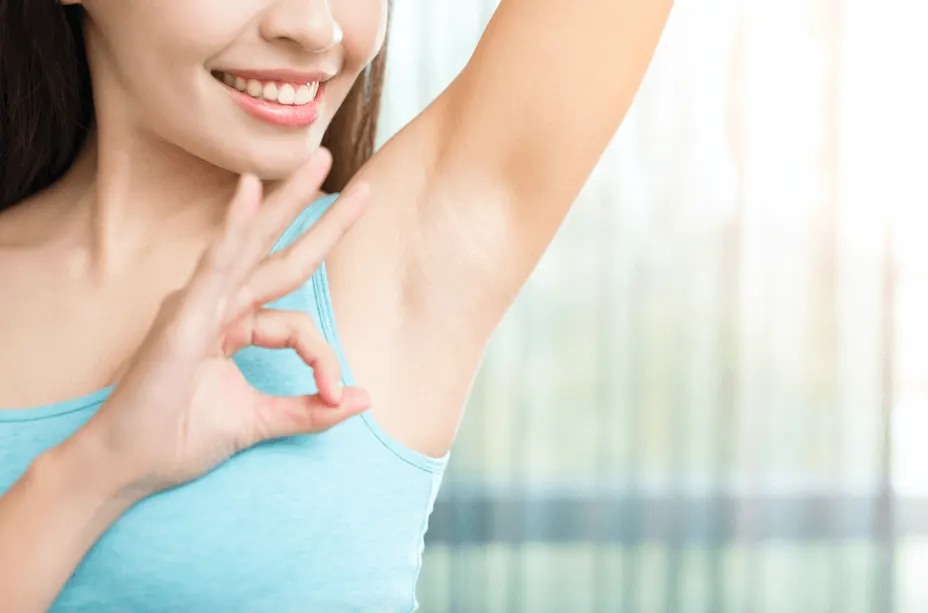
Effective Solution for Excessive Sweating: Botox
Dermatology
You Can Rejuvenate with Your Own Blood!
Dermatology
What Is Dermatologic Surgery? Diagnosis and Treatment Methods
Dermatology
What is Brachytherapy in Skin Cancer? How is it Applied?
Dermatology
What is Collagen? A Detailed Guide to Its Benefits, Types, and Natural Sources
Dermatology
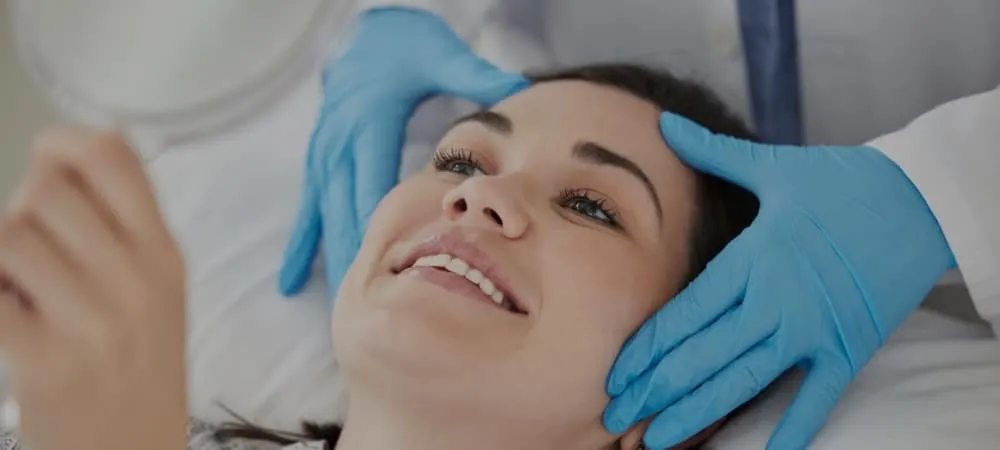
Nose Aesthetics with Thread Lift (Rhino Modulation) | Non-Surgical Nose Lift
Dermatology
Conditions Covered
The main conditions within the department’s diagnosis and treatment scope.
- Psoriasis
- New Skin in the New Year with Needle-Free Skin Rejuvenation
- Molluscum Contagiosum: The Most Common Skin Disease in the World, Yet Little Known by Name
- Acne: The Most Important Skin Problem of Adolescence
- Eczema (Atopic Dermatitis): What Is It? What Are the Symptoms and Causes? How Is It Treated?
- Skin Cancer Symptoms and Treatment Methods
- What Is Hives (Urticaria)? Symptoms and Causes
- What Is Scabies? What Are Its Symptoms?
- What Is Alopecia Areata? What Are Its Symptoms?
- What Is a Cold Sore? What Are the Symptoms of a Cold Sore?
- What Is Vitiligo? What Are the Symptoms?
- Shingles (Herpes Zoster): Symptoms, Causes and Treatment
Department Doctors
Our specialist team working in the Dermatology department.
Related Videos
Informative videos from our specialists related to the Dermatology department.
 2:48
What Is Eczema?
 7:26
How Should Skin Care Be in the Summer Months?
 1:07
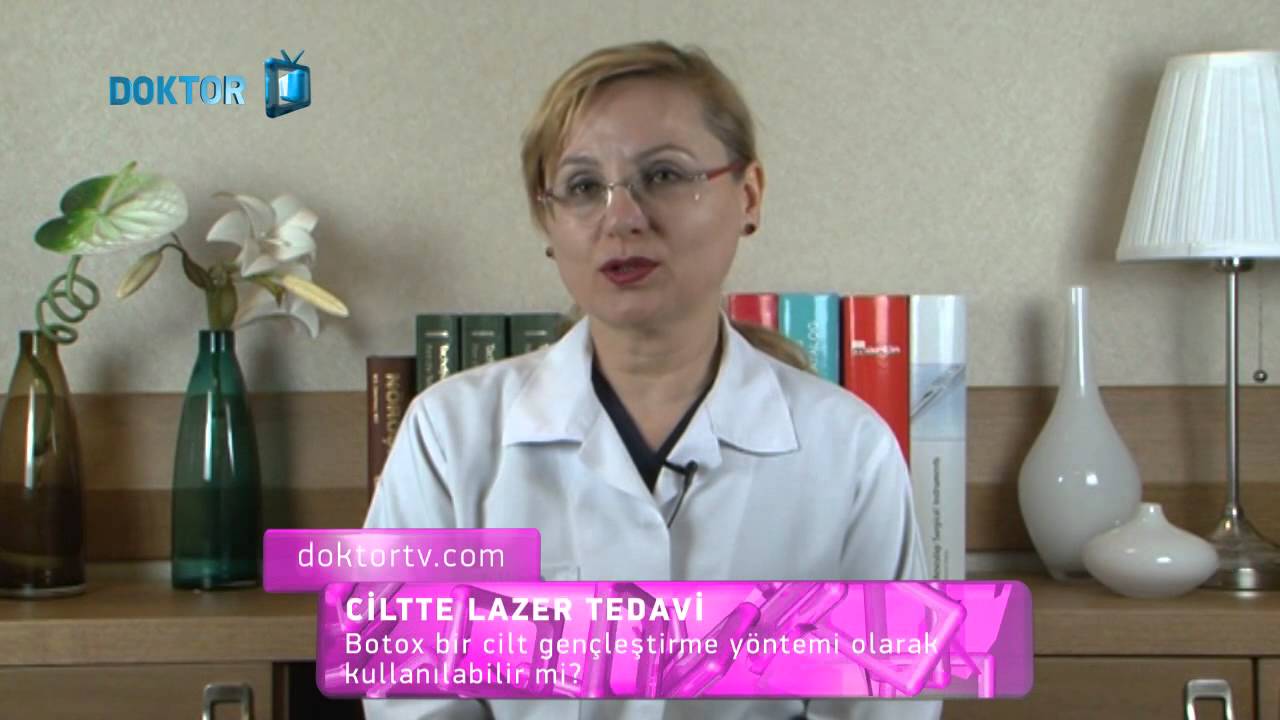
Can Botox be used as a skin rejuvenation method?
 0:51
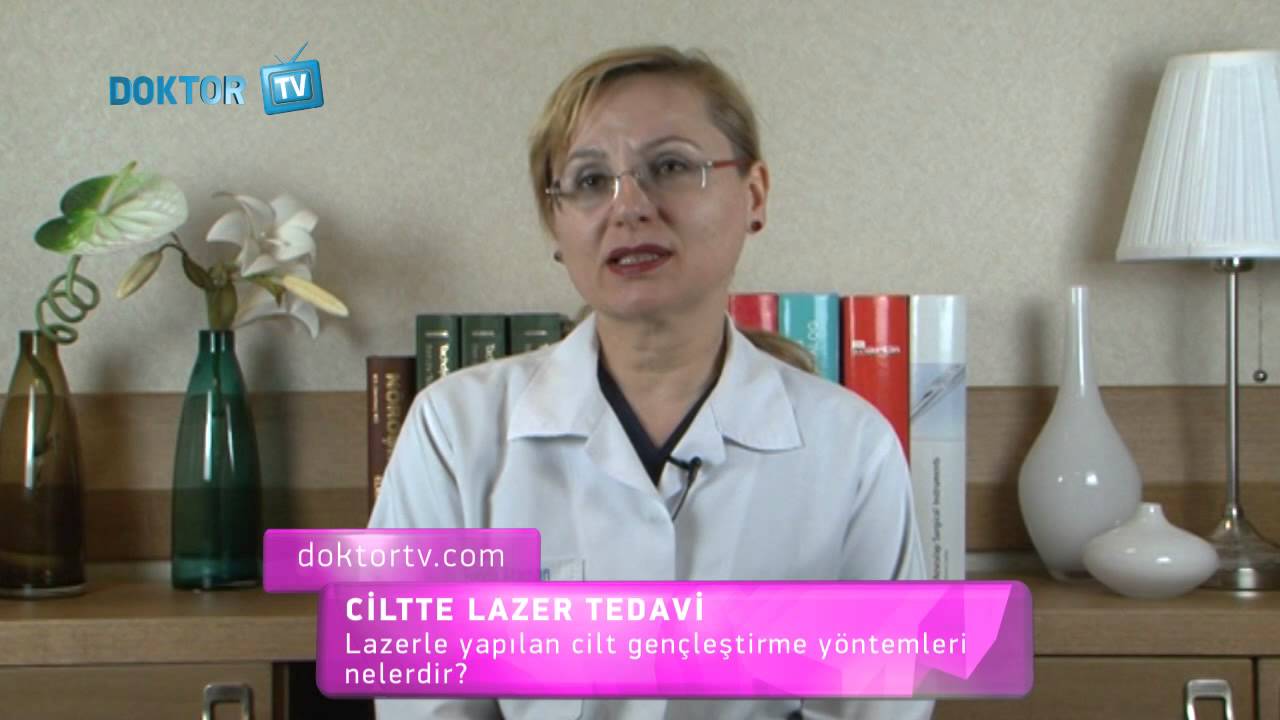
What are laser skin rejuvenation methods?
 1:04
Can Spots, Burn Scars, Stretch Marks and Wrinkles Be Treated with Laser?
 1:21
Botulinum Toxin
 1:00
Is Hair Removal the Solution for Excess Hair Growth?
 46:19
Skin Diseases Seen in Summer / Instagram Live
 30:12
Skin Diseases That Increase in Winter / Instagram Live
 5:20
Spec. Dr. Cemile Dilek Uysal from our Dermatology Department Was a Guest on Number One FM
Locations
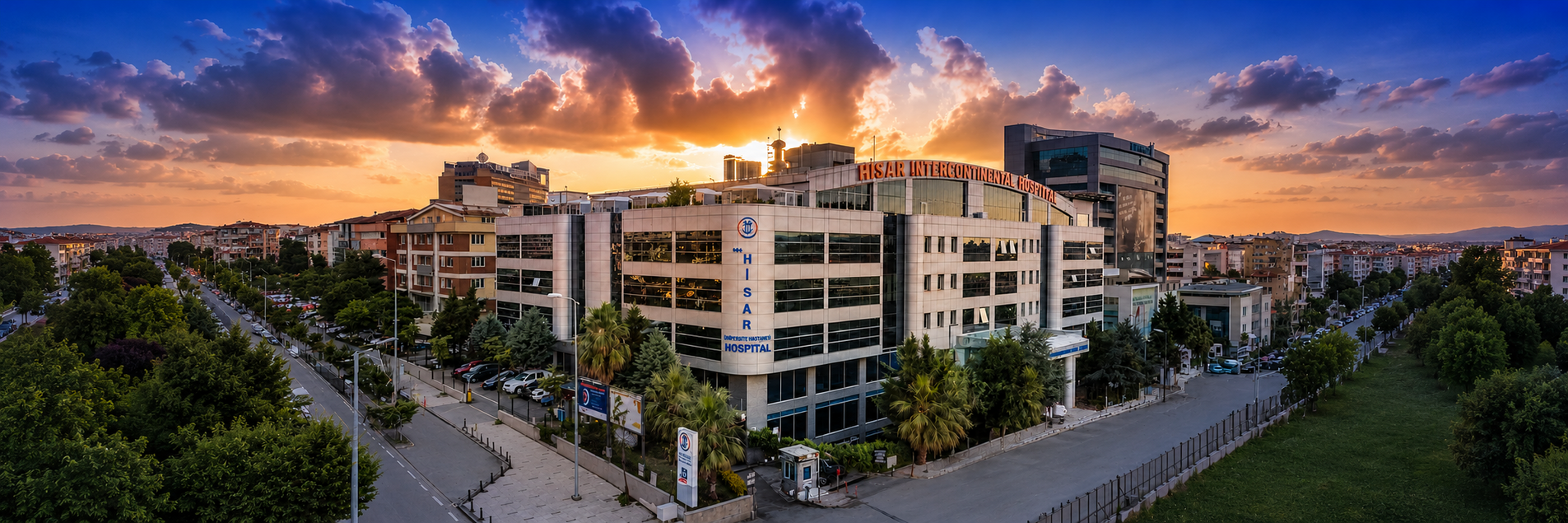
At Which Hospitals?
The Dermatology department is available at the following locations.
Author
Web and Medical Editorial BoardReviewed by a specialist
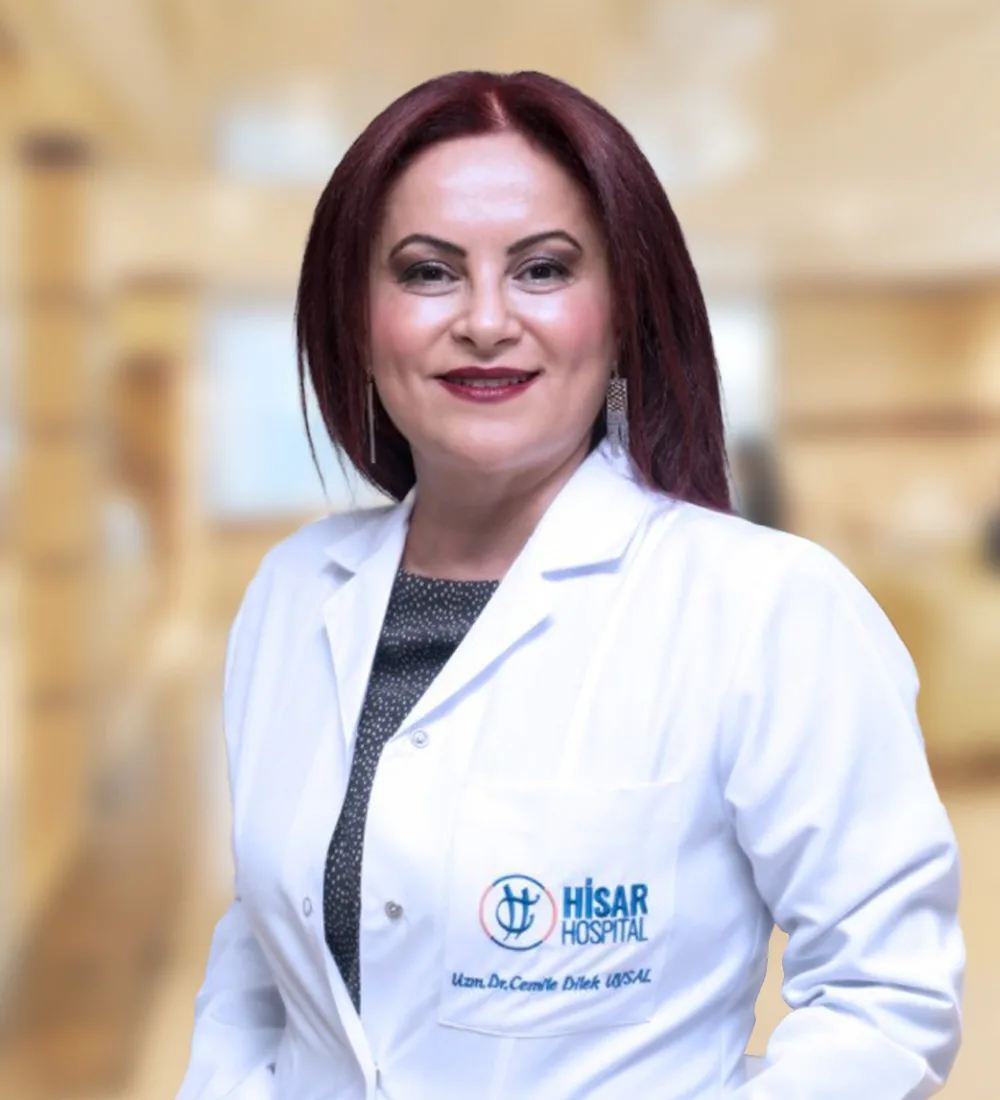 Specialist Dr. Cemile Dilek UysalDermatologyReview date: 31 October 2026
Contact
Dermatology Department — Get in Touch
Fill out the form with your questions; our team will call you back as soon as possible.
The Hisar Hospital Web and Medical Editorial Board contributed to the development of this content. All content on this website is provided for general informational purposes only. Please consult a physician for the evaluation, diagnosis and treatment of your condition.
Last Updated: