

Aesthetic and Cosmetic Gynecology
Cosmetic gynecology procedures have attracted great interest worldwide, especially over the last 10 years. With the use of laser technology in gynecology, promising results have been achieved in providing non-surgical solutions to many women’s problems. As a result, surgical treatments are now considered a last resort.
About the Department
The scope, approach and highlighted services of the department.
What Is Aesthetic and Cosmetic Gynecology?
The desire to look good and one's body image reflect, in a sense, self-esteem and the importance placed on beauty, and people's concern about their aesthetic appearance is increasing the demand for aesthetic and cosmetic surgery. Aesthetic and cosmetic gynecology is the field in which both surgical and non-surgical methods can be used to address women's concerns related to gynecological conditions, genital aesthetics and the quality of sexual health. It is among the specialties whose recognition and popularity have been growing steadily in recent years.
What Is Aesthetic and Cosmetic Gynecology?
As aesthetic expectations continue to rise, the demand for aesthetic and cosmetic gynecology has also grown steadily. In general terms, aesthetic and cosmetic gynecology is a special branch of obstetrics and gynecology that aims to improve the aesthetic appearance of the female genitalia. To improve appearance, the components of the genital area can be reduced, enlarged with fillers or reshaped. The structures addressed by aesthetic and cosmetic gynecology include the clitoris, the inner and outer labia, the vagina itself, the hymen, the vaginal opening, the perineal membrane and the muscles of the anal region.
Because of its evident effects on both appearance and health, aesthetic gynecology has gained considerable recognition and popularity in recent years. Although aesthetic gynecology is often thought of as a field that only improves appearance, it also plays an important role in sustaining a couple's sex life. Aesthetic and cosmetic gynecology significantly supports women's sexual development, the quality of their reproductive health and the functionality of the reproductive organs. In addition, a person's emotional and psychological well-being can be strongly influenced by body image. People who are at peace with their bodies may show higher self-esteem and can maintain healthier relationships.
What Are the Aesthetic and Cosmetic Gynecology Procedures?
Aesthetic and cosmetic gynecology covers surgical and non-surgical genital procedures that change the structure and appearance of the genitalia in healthy individuals without any medical condition. One of the most common reasons for consulting aesthetic and cosmetic gynecology is vaginal laxity. Vaginal laxity is a feeling of looseness and widening of the vagina that usually develops after vaginal (normal) childbirth, but it can also occur due to factors such as aging and menopause. Women who present with this condition are offered vaginal rejuvenation procedures. Aesthetic and cosmetic gynecology procedures other than vaginal rejuvenation include:
Labiaplasty,
Buttock augmentation,
G-spot augmentation,
Hymen restoration (hymenoplasty),
Clitoral hood modification,
Mons pubis reduction,
Breast reduction
Breast augmentation
How Are Aesthetic and Cosmetic Gynecology Procedures Performed?
How aesthetic and cosmetic gynecology procedures are performed varies depending on the type of procedure. The procedures and how they are performed are as follows:
Labiaplasty: Labiaplasty, a procedure in very high demand, can be performed for different purposes. These include reducing obstructive tissue that makes intercourse difficult and changing the size of the inner labia. A wide variety of surgical techniques have been developed for labiaplasty. The most common of these are excising part of the inner labia, injecting fillers or fat into the labia, and reshaping the labia with tissue taken from other areas. The doctor decides which procedure will be performed and how, based on the patient's individual needs and expectations.
Clitoral hood reduction: This procedure aims to reduce the length of the skin covering the clitoris. Patients usually seek it to increase sexual satisfaction by exposing the clitoris, to get rid of the friction caused by excess clitoral skin, to achieve an aesthetic appearance and to make hygiene easier. When performed by surgeons specialized in the field, the procedure carries a very low risk of complications.
Vaginal rejuvenation: Also commonly known as vaginal tightening or vaginoplasty, this is a surgical technique that modifies the vaginal opening, the epithelium and the vaginal canal. In vaginoplasty, to correct sagging and widening, excess or lax tissue is excised, or the lax tissue is sutured to the vaginal canal. With both methods, the size of the vaginal opening is reduced and the desired result is achieved.
Inner labia augmentation: Inner labia augmentation is a non-surgical method that generally aims to improve the appearance of inner labia that are lax, sagging and appear large. Filler injection is usually preferred for this purpose. The most commonly preferred fillers are those containing hyaluronic acid (HA). In addition, augmentation can also be performed with autologous fat grafts, taken from fat-rich areas of the person's own body. Autologous fat grafts are most often harvested from the thigh or the inner knee and prepared for use with special techniques.
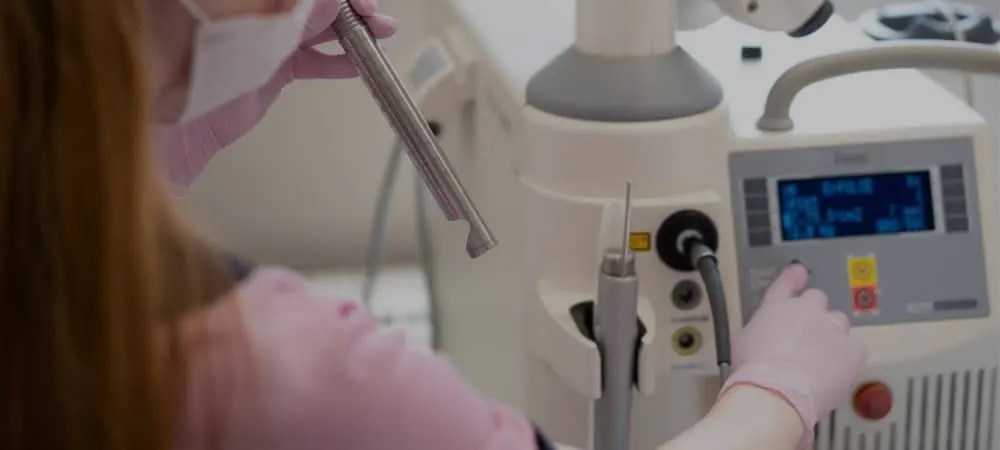
Although surgical methods are at the forefront of aesthetic and cosmetic gynecology, non-surgical methods are also very frequently preferred. Non-surgical treatments use lasers of various wavelengths or chemical agents. Fractional carbon dioxide lasers in particular have given very successful results in the treatment of vaginal laxity. Laser treatment is also used to moisturize the vagina in cases of vaginal dryness, to renew and support collagen fibers and to restore elasticity. Lasers are also used to lighten dark pigmentation in the vaginal area.
What Should Be Considered After Aesthetic and Cosmetic Gynecology Procedures?
There are some points to pay attention to after aesthetic and cosmetic gynecology procedures. After the operation, the doctor usually provides the necessary information on this subject. As with any surgery, aesthetic and cosmetic procedures carry risks such as bleeding and infection. Therefore, great attention should be paid to vaginal hygiene after the procedure to prevent possible infection. During normal recovery, the person should be able to walk and perform light activities about 1 week after the operation. If these activities cannot yet be performed and severe pain is felt, a doctor should be consulted. In addition, sexual intercourse should be avoided for about 4 to 6 weeks after aesthetic and cosmetic gynecology procedures. Strenuous physical activity and heavy lifting should also be avoided for at least 1 week.
Frequently Asked Questions About Aesthetic and Cosmetic Gynecology
Are Obstetrics and Gynecology the Same Thing?
In our country, obstetrics and gynecology do not operate as 2 separate departments but under a single name. This department is “obstetrics and gynecology”. It covers both the diagnosis of gynecological diseases and the follow-up of pregnant women. After 6 years of medical school followed by 5 years of specialty training, doctors see patients as obstetrics and gynecology specialists.
What Is Done in a Gynecology Outpatient Clinic?
Gynecology is the department where all diseases of the female reproductive organs are diagnosed and treated. This department provides preventive care and also examines all kinds of sexual health problems from multiple perspectives. Patients also receive the necessary information about obstetrics and women's diseases from the doctors in this department. Services provided in the gynecology outpatient clinic include:
Pelvic or external genital examination,
Cancer screenings,
Diagnosis of sexually transmitted diseases,
Diagnosis and treatment of structural and functional disorders of the reproductive organs,
Determining the most suitable birth control method for family planning,
Diagnosis of diseases and disorders of the sexual organs,
Treatment of menstrual irregularities and menopausal complaints.
Gynecologists play a greater role than oncologists in detecting cervical cancer and uterine cancer. This is because such urogenital cancers mostly present with gynecological symptoms, and the first department patients visit is obstetrics and gynecology. For this reason, gynecologists play an important role in detecting life-threatening diseases.
Does Gynecology Treat Menstrual Irregularities?
Gynecologists also play an active role in treating conditions such as menstrual irregularities and painful periods. You may need to see a gynecologist if you have one or more of the following:
Having heavy menstrual bleeding,
Having periods with very painful cramps,
Having periods that last longer than 1 week,
Having periods more often than every 20 days.
When Should You See a Gynecologist?
Contrary to popular belief, gynecology is not a department only for people with an active sex life. A gynecologist can be consulted for many complaints such as early menstruation, absence of menstruation, hormonal growth retardation, early puberty and early menopause. Other situations that require a visit to a gynecologist include:
Having frequently recurring vaginal infections resistant to antibiotics, or having a vaginal yeast infection,
Having severe acne or pimples resistant to treatment,
Having very light or very heavy menstrual bleeding,
Not having enough information about family planning.
Should You See a Gynecologist Before Marriage?
Gynecologists treat a very wide range of conditions, from menstrual irregularities to early puberty and from menopausal complaints to vaginal infections. Therefore, unmarried people should also see a gynecologist if they experience any urogenital problem.
Regular gynecological check-ups are very important for your health as a woman. For your needs before or after pregnancy, or for aesthetic concerns, you can make an appointment with our specialist gynecologist and be examined with confidence.
Fill Out the Form for Detailed Information and Contact!
The desire to look good and one's body image reflect, in a sense, self-esteem and the importance placed on beauty, and people's concern about their aesthetic appearance is increasing the demand for aesthetic and cosmetic surgery. Aesthetic and cosmetic gynecology is the field in which both surgical and non-surgical methods can be used to address women's concerns related to gynecological conditions, genital aesthetics and the quality of sexual health. It is among the specialties whose recognition and popularity have been growing steadily in recent years.
Sub-departments & Units
Clinics, centers and units within this department.
Urinary Incontinence
Due to the recent use of laser technology in the field of gynecology, promising results have started to be achieved in providing non-surgical solutions to many problems…
Cervical Ulcers
Known as an ulcer of the uterus or a wound on the cervix, “cervicitis” is one of the most common gynecological problems encountered by gynecologists. Both…
PRP
The PRP method can provide a solution without the need for surgery for problems such as sagging and wrinkles in the external genital area that develop with aging in women, loss of sexual desire, and painful intercourse…
Treatment Methods
The main treatments and procedures performed in our department.
Conditions Covered
The main conditions within the department’s diagnosis and treatment scope.
Department Doctors
Our specialist team working in the Aesthetic and Cosmetic Gynecology department.


Locations
At Which Hospitals?
The Aesthetic and Cosmetic Gynecology department is available at the following locations.

Author
Web and Medical Editorial BoardReviewed by a specialist
 Op. Dr. Esra Tuştaş HaberalAesthetic and Cosmetic GynecologyReview date: 31 October 2026
Contact
Aesthetic and Cosmetic Gynecology Department — Get in Touch
Fill out the form with your questions; our team will call you back as soon as possible.
The Hisar Hospital Web and Medical Editorial Board contributed to the development of this content. All content on this website is provided for general informational purposes only. Please consult a physician for the evaluation, diagnosis and treatment of your condition.
Last Updated: