



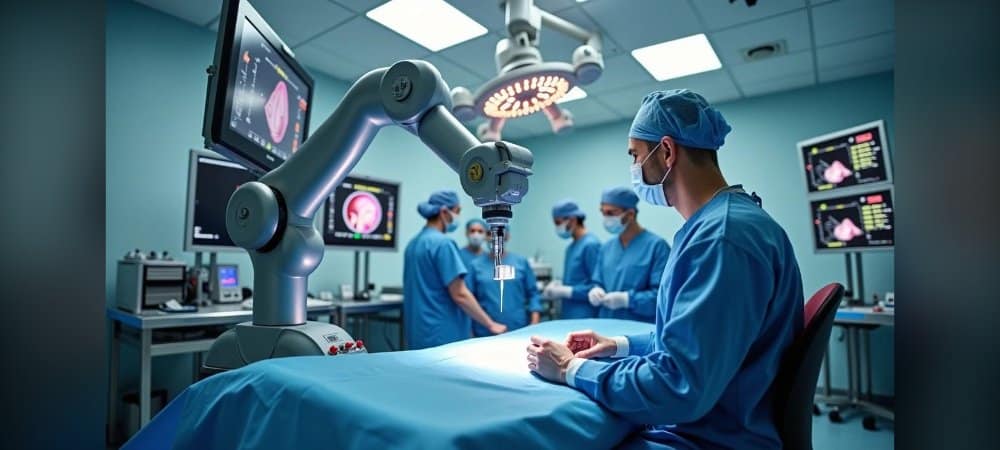
The robotic surgical system has robotic arms that can rotate 540 degrees, which are not available in traditional laparoscopic surgery. In contrast, the range of motion in laparoscopic surgery is limited. The camera used in robotic surgery provides 10-12 times magnification, while this ratio is only 2-3 times in laparoscopic surgery. Additionally, robotic surgery offers three-dimensional imaging.
In open surgery, a large incision of 20-30 cm is made in the abdominal area, while in robotic surgery, only 4-5 holes of 8 mm are opened. This results in less pain after surgery, faster recovery, and better aesthetic outcomes.
Since the surgeon performs the surgery while seated at the console, the risk of errors due to hand tremors or fatigue is minimized. This is especially important in complex gastric cancer surgeries.
Role in Surgical Treatment of Gastric Cancer
Robotic gastrectomy plays a significant role in the treatment of gastric cancer. Gastric cancer is one of the most common causes of cancer-related deaths worldwide. The chance of finding a cure for gastric cancer is only possible through curative surgical resection.
The robotic surgical system allows for the removal of gastric tumors (gastrectomy) to be performed more precisely and safely. Especially in cases where the lymph nodes surrounding the stomach need to be completely cleaned according to oncological principles (lymphadenectomy), the robot’s three-dimensional image and precise arms provide a significant advantage to the surgeon.
Meta-analyses have shown that robotic gastrectomy reduces intraoperative blood loss and shortens hospital stay compared to open surgery. Additionally, robotic surgery also provides adequate lymph node dissection oncologically.
If you are wondering how long gastric cancer surgery takes, open gastrectomy can take 4 to 5 hours, while with the robotic method, this time is generally shorter. However, it should also be noted that the duration of robotic surgery is usually longer than standard laparoscopic and open procedures.
How is Robotic Gastrectomy Performed?
Robotic gastrectomy is a meticulous process consisting of a series of steps carefully planned by the surgical team. The operation includes many critical stages from personalized preparation to postoperative care.
Preoperative Preparation Process
Before the operation, a detailed assessment is made. The type of disease, the extent of the surgery, and your overall health status are examined to determine the suitability of robotic surgery. Your body is evaluated through laboratory tests and imaging methods. Your nutritional status is reviewed, and if necessary, supplements are recommended. If there is iron deficiency, iron serum may be given. In cases of anemia, your blood values are normalized just before surgery. Additionally, it is important to wear compression stockings and undergo antibiotic treatment before surgery.
Setting Up the Robotic System
When you are taken to the operating room, general anesthesia is first applied. A few small incisions of 0.5-1.5 cm are made in the abdominal area. Through these incisions, a high-resolution camera and robotic surgical instruments are placed. The Da Vinci Robotic Surgery System is generally used in robotic gastrectomy. The system consists of the following components:
- Control console where the surgeon sits
- Three-dimensional and high-resolution camera system
- Robotic arms and surgical instruments
- Imaging monitors
The robotic arms are connected to the entry points called ports placed in your abdominal area and directed to the surgical field.
Surgeon’s Control from the Console
The surgeon manages the surgery not directly at the patient’s bedside but from the console. The surgeon sitting at the console controls the robotic arms with hand and finger movements. These movements are transmitted to the surgical field with high precision and without tremors thanks to the system. The surgeon’s movements are mimicked by the robotic arms and executed with millimeter precision.
The camera system can magnify the surgical field up to ten times and displays it in three dimensions. This allows the surgeon to see details that the normal human eye cannot perceive. The robotic arms, capable of 360-degree movement, can operate flawlessly even in tight spaces.
Removal of Stomach Tissue
In gastric cancer surgery, part or all of the stomach may be removed depending on the location of the cancerous tissues. The surgeon carefully separates the cancerous part while preserving healthy tissues via the robotic arms. The portion of the stomach to be removed is marked and separated from the remaining part using special robotic instruments.
If you are wondering how long gastric cancer surgery takes, this duration varies depending on the patient’s condition, the location of the tumor, and the extent of the surgery. In a weak patient, an early-stage tumor surgery may be completed in 2 hours, while in more complex cases, it may extend up to 5-6 hours.
First Interventions After Surgery
After the operation is completed, the robotic system and camera are removed, and the small incisions are closed. You will then be monitored to recover from the effects of anesthesia. Pain control is provided, and you are closely monitored for possible complications.
The recovery process after robotic surgery is more comfortable compared to open surgery. Generally, you can start walking 6-8 hours after the surgery. In the first days, you start with a liquid diet and then gradually transition to soft foods. Your hospital stay is around 5-7 days, and after discharge, your return to daily life is quicker.
Advantages of Robotic Gastrectomy
Robotic gastric surgery offers many significant benefits compared to traditional methods. Thanks to small incisions and precise robotic arms, the quality of life of patients after surgery significantly increases. These advantages help achieve better results in the treatment of gastric cancer.
Smaller Incisions and Less Pain
In robotic gastrectomy, instead of the 20-30 cm incisions made in open surgery, only a few small incisions of 0.5-1.5 cm are made. These small incisions significantly reduce postoperative pain. Since the damage to nerve tissues is minimal, the need for painkillers after the operation is greatly reduced.
Especially for obese patients with thick abdominal walls, the minimum pressure of instruments on the abdominal walls in robotic surgery results in less discomfort. Consequently, patients can stand up a few hours after surgery and return to their daily lives more quickly.
Rapid Recovery Process
Following robotic gastrectomy, patients can generally start walking within a short period of 6-8 hours. This represents a much faster recovery process compared to traditional open surgeries. The small incisions result in less trauma to the internal organs, accelerating the healing process.
Thanks to the minimally invasive approach, the hospital stay is shorter, and you can return to your daily activities more quickly. While open surgery typically requires long hospital stays, this duration is significantly reduced with robotic surgery.
More Precise Control for the Surgeon
Robotic systems convert the surgeon’s hand movements into much smaller and more precise movements. The robotic arms have the capability to move 360 degrees. Additionally, the robotic arms eliminate hand tremors, allowing for procedures to be performed with millimeter accuracy.
The images transmitted to the monitor from the camera are three-dimensional, high-resolution, and can be magnified up to ten times. This technology provides the surgeon with a much better field of view than the normal human eye, allowing for clearer visualization of the delicate structures surrounding the stomach.
Lower Risk of Complications
After surgeries performed for gastric cancer, the complication rates, which used to be seen in one out of four patients, have now decreased to 2-5%. Robotic gastric surgery helps reduce this rate even further.
The advantages provided by robotic surgery include:
- Minimal bleeding (thanks to millimeter vessel sealing technology)
- Low risk of infection (due to small incisions)
- Minimized risk of leakage
- Reduction in complications such as pancreatic fistula
Better Aesthetic Results
Since the surgical scars in robotic surgery are very small, there is almost no scarring after healing. In contrast to the large incision scars left by open surgery, robotic surgery achieves much better aesthetic results.
Thanks to the small incisions after surgery, the healing process is faster, and the scar is less noticeable. This particularly reduces concerns about body image for younger patients.
Postoperative Process and Possible Risks
The recovery process after robotic gastrectomy is faster and more comfortable compared to traditional methods. Knowing the process you will experience after surgery and the points you need to pay attention to will help you recover more quickly.
Hospital Stay Duration
After robotic gastrectomy, your hospital stay is generally between 4-7 days. In contrast, this duration can double in open surgery. Since less trauma is applied to your body thanks to the robotic system, you can return to your daily life more quickly. It may be possible to return to your daily life and desk jobs within 2-3 weeks after surgery. After open gastric surgery, this duration can reach 7-10 days.
Wound Care and Nutrition Recommendations
Since the incisions in robotic surgery are small, the need for dressing is minimal. It is especially important to keep your wounds clean and dry in the first few days. Aesthetic stitches are usually removed simply on the 10th day or may dissolve on their own.
A gradual transition is made regarding nutrition:
- You are allowed to drink water on the 2nd or 3rd day after surgery
- Then, you transition to soup and soft foods
- “Eat small and often” should become a rule
After surgery, you should avoid heavy, fatty, and gas-producing foods until your bowel movements return to normal. Especially after robotic surgeries performed on the stomach, portion control and meal timing are of great importance.
Is There a Risk of Complications?
The risk of complications in robotic surgery is significantly lower compared to open surgeries. However, as with any surgery, some risks exist. Mild pain, fatigue, and gas complaints are considered normal in the first 24-48 hours. Rare complications may include:
- Side effects related to anesthesia
- Low probability of bleeding
- Infections at incision sites
- Temporary shoulder or abdominal pain due to gas introduced into the abdomen
Since it is performed using a closed surgical technique, the risk of wound hernia and infection is also quite low.
Follow-Up Appointments and Monitoring
Your first follow-up appointment is scheduled one week after surgery. It is vital not to miss these follow-ups for your recovery process. You need to regularly use the blood-thinning injections and stomach-protective medications recommended by your doctor.
Additionally, if part or all of your stomach has been removed, long-term calcium absorption disorders and anemia may occur. Therefore, you may need vitamin D, calcium, and B12 vitamin supplements. Your doctor may recommend lifelong supplementation, especially for B12 vitamin.
Prices of Robotic Gastrectomy and Influencing Factors
When considering robotic gastrectomy, it is important to understand the cost factors. The price of this advanced surgical technique varies depending on many factors. Understanding these can help you plan your budget and make informed treatment decisions.
Cost of the Robotic System
The purchase cost of robotic surgical systems is quite high. Especially the price of the commonly used Da Vinci robot varies between 1 to 2 million Euros, depending on the model. However, purchasing the robot is not a one-time cost. Annual maintenance fees also create additional costs and must be reflected in the price per case.
Not only the robot but also the consumables used in the surgery create additional expenses. The costs of materials used in each operation and sterilization expenses are also added to the total price. Therefore, robotic gastrectomy is more expensive compared to traditional open surgeries.
Surgeon’s Level of Expertise
The number of surgeons specialized in robotic surgery is limited and requires special training. Prices are generally slightly higher in centers where experienced surgeons are available. The average training duration for surgeons on the robotic system is 9.6 days, and these training costs indirectly reflect in the surgical fees.
Hospital’s Technical Equipment
Robotic surgical systems are generally found in large private hospitals or university hospitals. The technological infrastructure of the hospital, operating room equipment, and other technical facilities are also factors that affect prices. Additionally, factors such as the length of hospital stay, need for intensive care, and the quality of the room (single room, suite) can increase costs.
City Where the Surgery is Performed
The fees for robotic gastrectomy vary by city. Prices are generally higher in hospitals located in metropolitan areas. This difference arises from hospital operating costs, specialist physician fees, and competitive conditions.
Price Difference with Traditional Gastrectomy
There is a significant price difference between traditional gastrectomy and robotic gastrectomy. The higher cost of robotic surgery compared to standard surgeries arises from the technology and special materials used. Prices vary depending on the hospital, type of surgery, and duration.
The coverage status of robotic surgical procedures by social security (SGK) also varies. Generally, SGK covers part of the basic procedure but may charge additional fees for the use of the robot. Therefore, patients considering gastric cancer surgery should contact hospitals in advance to obtain cost information.
In Summary, Robotic Gastrectomy
In conclusion, robotic gastrectomy offers many advantages for patients compared to traditional surgical methods. Thanks to small incisions, pain is less, the recovery process is accelerated, and returning to daily life is easier.
The surgeon’s ability to provide tremor-free and precise control, three-dimensional images that can be magnified up to ten times, and robotic arms that can rotate 360 degrees have made complex gastric surgeries safer. This technology has proven effective, especially in the treatment of gastric cancer.
Although the cost of the robotic system is high, it is seen as a valuable option considering the benefits it provides. Shorter hospital stays, reduced risk of complications, and the need for less medication after surgery are significant advantages.
If you are considering robotic gastric surgery, it is important to choose an experienced surgeon and a hospital with good technical equipment. Additionally, it would be wise to obtain prior information about costs and learn about insurance coverage.
Thanks to advancements in technology in the medical field, surgeries like robotic gastrectomy have become more comfortable and safer. If you are going to undergo gastric surgery, the robotic surgical option may offer you faster recovery and better quality of life.
Frequently Asked Questions
Does the robot really perform the surgery? No. The surgery is managed from start to finish by a specialist surgeon. The surgeon controls the robotic arms while sitting at the console. The robotic system works merely as an extension of the surgeon’s hand.
How long does robotic gastric surgery take? It is generally completed within 1-2 hours, but in complex cases, it may extend up to 5-6 hours.
What is the recovery process like? The hospital stay is generally 4-7 days. Patients can mostly return to their daily lives and desk jobs within 2-3 weeks.
Does robotic surgery have advantages in cancer treatment? Yes. When performed by experienced surgeons, the oncological outcomes of robotic surgery (number of lymph nodes removed, cleanliness of surgical margins) are the same as open surgery. Sometimes, cleaner surgery can be achieved thanks to the magnified 3D images.
Will there be pain after surgery? Since robotic surgeries are less invasive, patients feel much less pain. The pain experienced can also be easily controlled with painkillers.
Robotic gastrectomy is used in the treatment of gastric cancer with a minimally invasive method. It offers advantages such as small incisions, rapid recovery, and less pain.
[/vc_column_text][/vc_column][/vc_row]
Fill Out the Form for Detailed Information and Contact!
The robotic surgical system has robotic arms that can rotate 540 degrees, which are not available in traditional laparoscopic surgery. In contrast, the range of motion in laparoscopic surgery is limited. The camera used in robotic surgery provides 10-12 times magnification, while this ratio is only 2-3 times in laparoscopic surgery. Additionally, robotic surgery offers three-dimensional imaging.
In open surgery, a large incision of 20-30 cm is made in the abdominal area, while in robotic surgery, only 4-5 holes of 8 mm are opened. This results in less pain after surgery, faster recovery, and better aesthetic outcomes.
Since the surgeon performs the surgery while seated at the console, the risk of errors due to hand tremors or fatigue is minimized. This is especially important in complex gastric cancer surgeries.
Role in Surgical Treatment of Gastric Cancer
Robotic gastrectomy plays a significant role in the treatment of gastric cancer. Gastric cancer is one of the most common causes of cancer-related deaths worldwide. The chance of finding a cure for gastric cancer is only possible through curative surgical resection.
The robotic surgical system allows for the removal of gastric tumors (gastrectomy) to be performed more precisely and safely. Especially in cases where the lymph nodes surrounding the stomach need to be completely cleaned according to oncological principles (lymphadenectomy), the robot’s three-dimensional image and precise arms provide a significant advantage to the surgeon.
Meta-analyses have shown that robotic gastrectomy reduces intraoperative blood loss and shortens hospital stay compared to open surgery. Additionally, robotic surgery also provides adequate lymph node dissection oncologically.
If you are wondering how long gastric cancer surgery takes, open gastrectomy can take 4 to 5 hours, while with the robotic method, this time is generally shorter. However, it should also be noted that the duration of robotic surgery is usually longer than standard laparoscopic and open procedures.
How is Robotic Gastrectomy Performed?
Robotic gastrectomy is a meticulous process consisting of a series of steps carefully planned by the surgical team. The operation includes many critical stages from personalized preparation to postoperative care.
Preoperative Preparation Process
Before the operation, a detailed assessment is made. The type of disease, the extent of the surgery, and your overall health status are examined to determine the suitability of robotic surgery. Your body is evaluated through laboratory tests and imaging methods. Your nutritional status is reviewed, and if necessary, supplements are recommended. If there is iron deficiency, iron serum may be given. In cases of anemia, your blood values are normalized just before surgery. Additionally, it is important to wear compression stockings and undergo antibiotic treatment before surgery.
Setting Up the Robotic System
When you are taken to the operating room, general anesthesia is first applied. A few small incisions of 0.5-1.5 cm are made in the abdominal area. Through these incisions, a high-resolution camera and robotic surgical instruments are placed. The Da Vinci Robotic Surgery System is generally used in robotic gastrectomy. The system consists of the following components:
- Control console where the surgeon sits
- Three-dimensional and high-resolution camera system
- Robotic arms and surgical instruments
- Imaging monitors
The robotic arms are connected to the entry points called ports placed in your abdominal area and directed to the surgical field.
Surgeon’s Control from the Console
The surgeon manages the surgery not directly at the patient’s bedside but from the console. The surgeon sitting at the console controls the robotic arms with hand and finger movements. These movements are transmitted to the surgical field with high precision and without tremors thanks to the system. The surgeon’s movements are mimicked by the robotic arms and executed with millimeter precision.
The camera system can magnify the surgical field up to ten times and displays it in three dimensions. This allows the surgeon to see details that the normal human eye cannot perceive. The robotic arms, capable of 360-degree movement, can operate flawlessly even in tight spaces.
Removal of Stomach Tissue
In gastric cancer surgery, part or all of the stomach may be removed depending on the location of the cancerous tissues. The surgeon carefully separates the cancerous part while preserving healthy tissues via the robotic arms. The portion of the stomach to be removed is marked and separated from the remaining part using special robotic instruments.
If you are wondering how long gastric cancer surgery takes, this duration varies depending on the patient’s condition, the location of the tumor, and the extent of the surgery. In a weak patient, an early-stage tumor surgery may be completed in 2 hours, while in more complex cases, it may extend up to 5-6 hours.
First Interventions After Surgery
After the operation is completed, the robotic system and camera are removed, and the small incisions are closed. You will then be monitored to recover from the effects of anesthesia. Pain control is provided, and you are closely monitored for possible complications.
The recovery process after robotic surgery is more comfortable compared to open surgery. Generally, you can start walking 6-8 hours after the surgery. In the first days, you start with a liquid diet and then gradually transition to soft foods. Your hospital stay is around 5-7 days, and after discharge, your return to daily life is quicker.
Advantages of Robotic Gastrectomy
Robotic gastric surgery offers many significant benefits compared to traditional methods. Thanks to small incisions and precise robotic arms, the quality of life of patients after surgery significantly increases. These advantages help achieve better results in the treatment of gastric cancer.
Smaller Incisions and Less Pain
In robotic gastrectomy, instead of the 20-30 cm incisions made in open surgery, only a few small incisions of 0.5-1.5 cm are made. These small incisions significantly reduce postoperative pain. Since the damage to nerve tissues is minimal, the need for painkillers after the operation is greatly reduced.
Especially for obese patients with thick abdominal walls, the minimum pressure of instruments on the abdominal walls in robotic surgery results in less discomfort. Consequently, patients can stand up a few hours after surgery and return to their daily lives more quickly.
Rapid Recovery Process
Following robotic gastrectomy, patients can generally start walking within a short period of 6-8 hours. This represents a much faster recovery process compared to traditional open surgeries. The small incisions result in less trauma to the internal organs, accelerating the healing process.
Thanks to the minimally invasive approach, the hospital stay is shorter, and you can return to your daily activities more quickly. While open surgery typically requires long hospital stays, this duration is significantly reduced with robotic surgery.
More Precise Control for the Surgeon
Robotic systems convert the surgeon’s hand movements into much smaller and more precise movements. The robotic arms have the capability to move 360 degrees. Additionally, the robotic arms eliminate hand tremors, allowing for procedures to be performed with millimeter accuracy.
The images transmitted to the monitor from the camera are three-dimensional, high-resolution, and can be magnified up to ten times. This technology provides the surgeon with a much better field of view than the normal human eye, allowing for clearer visualization of the delicate structures surrounding the stomach.
Lower Risk of Complications
After surgeries performed for gastric cancer, the complication rates, which used to be seen in one out of four patients, have now decreased to 2-5%. Robotic gastric surgery helps reduce this rate even further.
The advantages provided by robotic surgery include:
- Minimal bleeding (thanks to millimeter vessel sealing technology)
- Low risk of infection (due to small incisions)
- Minimized risk of leakage
- Reduction in complications such as pancreatic fistula
Better Aesthetic Results
Since the surgical scars in robotic surgery are very small, there is almost no scarring after healing. In contrast to the large incision scars left by open surgery, robotic surgery achieves much better aesthetic results.
Thanks to the small incisions after surgery, the healing process is faster, and the scar is less noticeable. This particularly reduces concerns about body image for younger patients.
Postoperative Process and Possible Risks
The recovery process after robotic gastrectomy is faster and more comfortable compared to traditional methods. Knowing the process you will experience after surgery and the points you need to pay attention to will help you recover more quickly.
Hospital Stay Duration
After robotic gastrectomy, your hospital stay is generally between 4-7 days. In contrast, this duration can double in open surgery. Since less trauma is applied to your body thanks to the robotic system, you can return to your daily life more quickly. It may be possible to return to your daily life and desk jobs within 2-3 weeks after surgery. After open gastric surgery, this duration can reach 7-10 days.
Wound Care and Nutrition Recommendations
Since the incisions in robotic surgery are small, the need for dressing is minimal. It is especially important to keep your wounds clean and dry in the first few days. Aesthetic stitches are usually removed simply on the 10th day or may dissolve on their own.
A gradual transition is made regarding nutrition:
- You are allowed to drink water on the 2nd or 3rd day after surgery
- Then, you transition to soup and soft foods
- “Eat small and often” should become a rule
After surgery, you should avoid heavy, fatty, and gas-producing foods until your bowel movements return to normal. Especially after robotic surgeries performed on the stomach, portion control and meal timing are of great importance.
Is There a Risk of Complications?
The risk of complications in robotic surgery is significantly lower compared to open surgeries. However, as with any surgery, some risks exist. Mild pain, fatigue, and gas complaints are considered normal in the first 24-48 hours. Rare complications may include:
- Side effects related to anesthesia
- Low probability of bleeding
- Infections at incision sites
- Temporary shoulder or abdominal pain due to gas introduced into the abdomen
Since it is performed using a closed surgical technique, the risk of wound hernia and infection is also quite low.
Follow-Up Appointments and Monitoring
Your first follow-up appointment is scheduled one week after surgery. It is vital not to miss these follow-ups for your recovery process. You need to regularly use the blood-thinning injections and stomach-protective medications recommended by your doctor.
Additionally, if part or all of your stomach has been removed, long-term calcium absorption disorders and anemia may occur. Therefore, you may need vitamin D, calcium, and B12 vitamin supplements. Your doctor may recommend lifelong supplementation, especially for B12 vitamin.
Prices of Robotic Gastrectomy and Influencing Factors
When considering robotic gastrectomy, it is important to understand the cost factors. The price of this advanced surgical technique varies depending on many factors. Understanding these can help you plan your budget and make informed treatment decisions.
Cost of the Robotic System
The purchase cost of robotic surgical systems is quite high. Especially the price of the commonly used Da Vinci robot varies between 1 to 2 million Euros, depending on the model. However, purchasing the robot is not a one-time cost. Annual maintenance fees also create additional costs and must be reflected in the price per case.
Not only the robot but also the consumables used in the surgery create additional expenses. The costs of materials used in each operation and sterilization expenses are also added to the total price. Therefore, robotic gastrectomy is more expensive compared to traditional open surgeries.
Surgeon’s Level of Expertise
The number of surgeons specialized in robotic surgery is limited and requires special training. Prices are generally slightly higher in centers where experienced surgeons are available. The average training duration for surgeons on the robotic system is 9.6 days, and these training costs indirectly reflect in the surgical fees.
Hospital’s Technical Equipment
Robotic surgical systems are generally found in large private hospitals or university hospitals. The technological infrastructure of the hospital, operating room equipment, and other technical facilities are also factors that affect prices. Additionally, factors such as the length of hospital stay, need for intensive care, and the quality of the room (single room, suite) can increase costs.
City Where the Surgery is Performed
The fees for robotic gastrectomy vary by city. Prices are generally higher in hospitals located in metropolitan areas. This difference arises from hospital operating costs, specialist physician fees, and competitive conditions.
Price Difference with Traditional Gastrectomy
There is a significant price difference between traditional gastrectomy and robotic gastrectomy. The higher cost of robotic surgery compared to standard surgeries arises from the technology and special materials used. Prices vary depending on the hospital, type of surgery, and duration.
The coverage status of robotic surgical procedures by social security (SGK) also varies. Generally, SGK covers part of the basic procedure but may charge additional fees for the use of the robot. Therefore, patients considering gastric cancer surgery should contact hospitals in advance to obtain cost information.
In Summary, Robotic Gastrectomy
In conclusion, robotic gastrectomy offers many advantages for patients compared to traditional surgical methods. Thanks to small incisions, pain is less, the recovery process is accelerated, and returning to daily life is easier.
The surgeon’s ability to provide tremor-free and precise control, three-dimensional images that can be magnified up to ten times, and robotic arms that can rotate 360 degrees have made complex gastric surgeries safer. This technology has proven effective, especially in the treatment of gastric cancer.
Although the cost of the robotic system is high, it is seen as a valuable option considering the benefits it provides. Shorter hospital stays, reduced risk of complications, and the need for less medication after surgery are significant advantages.
If you are considering robotic gastric surgery, it is important to choose an experienced surgeon and a hospital with good technical equipment. Additionally, it would be wise to obtain prior information about costs and learn about insurance coverage.
Thanks to advancements in technology in the medical field, surgeries like robotic gastrectomy have become more comfortable and safer. If you are going to undergo gastric surgery, the robotic surgical option may offer you faster recovery and better quality of life.
Frequently Asked Questions
Does the robot really perform the surgery? No. The surgery is managed from start to finish by a specialist surgeon. The surgeon controls the robotic arms while sitting at the console. The robotic system works merely as an extension of the surgeon’s hand.
How long does robotic gastric surgery take? It is generally completed within 1-2 hours, but in complex cases, it may extend up to 5-6 hours.
What is the recovery process like? The hospital stay is generally 4-7 days. Patients can mostly return to their daily lives and desk jobs within 2-3 weeks.
Does robotic surgery have advantages in cancer treatment? Yes. When performed by experienced surgeons, the oncological outcomes of robotic surgery (number of lymph nodes removed, cleanliness of surgical margins) are the same as open surgery. Sometimes, cleaner surgery can be achieved thanks to the magnified 3D images.
Will there be pain after surgery? Since robotic surgeries are less invasive, patients feel much less pain. The pain experienced can also be easily controlled with painkillers.
Robotic gastrectomy is used in the treatment of gastric cancer with a minimally invasive method. It offers advantages such as small incisions, rapid recovery, and less pain.
[/vc_column_text][/vc_column][/vc_row]
Fill Out the Form for Detailed Information and Contact!
Robotic surgery offers many advantages over traditional open surgery and laparoscopic surgery:
The robotic surgical system has robotic arms that can rotate 540 degrees, which are not available in traditional laparoscopic surgery. In contrast, the range of motion in laparoscopic surgery is limited. The camera used in robotic surgery provides 10-12 times magnification, while this ratio is only 2-3 times in laparoscopic surgery. Additionally, robotic surgery offers three-dimensional imaging.
In open surgery, a large incision of 20-30 cm is made in the abdominal area, while in robotic surgery, only 4-5 holes of 8 mm are opened. This results in less pain after surgery, faster recovery, and better aesthetic outcomes.
Since the surgeon performs the surgery while seated at the console, the risk of errors due to hand tremors or fatigue is minimized. This is especially important in complex gastric cancer surgeries.
Role in Surgical Treatment of Gastric Cancer
Robotic gastrectomy plays a significant role in the treatment of gastric cancer. Gastric cancer is one of the most common causes of cancer-related deaths worldwide. The chance of finding a cure for gastric cancer is only possible through curative surgical resection.
The robotic surgical system allows for the removal of gastric tumors (gastrectomy) to be performed more precisely and safely. Especially in cases where the lymph nodes surrounding the stomach need to be completely cleaned according to oncological principles (lymphadenectomy), the robot’s three-dimensional image and precise arms provide a significant advantage to the surgeon.
Meta-analyses have shown that robotic gastrectomy reduces intraoperative blood loss and shortens hospital stay compared to open surgery. Additionally, robotic surgery also provides adequate lymph node dissection oncologically.
If you are wondering how long gastric cancer surgery takes, open gastrectomy can take 4 to 5 hours, while with the robotic method, this time is generally shorter. However, it should also be noted that the duration of robotic surgery is usually longer than standard laparoscopic and open procedures.
How is Robotic Gastrectomy Performed?
Robotic gastrectomy is a meticulous process consisting of a series of steps carefully planned by the surgical team. The operation includes many critical stages from personalized preparation to postoperative care.
Preoperative Preparation Process
Before the operation, a detailed assessment is made. The type of disease, the extent of the surgery, and your overall health status are examined to determine the suitability of robotic surgery. Your body is evaluated through laboratory tests and imaging methods. Your nutritional status is reviewed, and if necessary, supplements are recommended. If there is iron deficiency, iron serum may be given. In cases of anemia, your blood values are normalized just before surgery. Additionally, it is important to wear compression stockings and undergo antibiotic treatment before surgery.
Setting Up the Robotic System
When you are taken to the operating room, general anesthesia is first applied. A few small incisions of 0.5-1.5 cm are made in the abdominal area. Through these incisions, a high-resolution camera and robotic surgical instruments are placed. The Da Vinci Robotic Surgery System is generally used in robotic gastrectomy. The system consists of the following components:
- Control console where the surgeon sits
- Three-dimensional and high-resolution camera system
- Robotic arms and surgical instruments
- Imaging monitors
The robotic arms are connected to the entry points called ports placed in your abdominal area and directed to the surgical field.
Surgeon’s Control from the Console
The surgeon manages the surgery not directly at the patient’s bedside but from the console. The surgeon sitting at the console controls the robotic arms with hand and finger movements. These movements are transmitted to the surgical field with high precision and without tremors thanks to the system. The surgeon’s movements are mimicked by the robotic arms and executed with millimeter precision.
The camera system can magnify the surgical field up to ten times and displays it in three dimensions. This allows the surgeon to see details that the normal human eye cannot perceive. The robotic arms, capable of 360-degree movement, can operate flawlessly even in tight spaces.
Removal of Stomach Tissue
In gastric cancer surgery, part or all of the stomach may be removed depending on the location of the cancerous tissues. The surgeon carefully separates the cancerous part while preserving healthy tissues via the robotic arms. The portion of the stomach to be removed is marked and separated from the remaining part using special robotic instruments.
If you are wondering how long gastric cancer surgery takes, this duration varies depending on the patient’s condition, the location of the tumor, and the extent of the surgery. In a weak patient, an early-stage tumor surgery may be completed in 2 hours, while in more complex cases, it may extend up to 5-6 hours.
First Interventions After Surgery
After the operation is completed, the robotic system and camera are removed, and the small incisions are closed. You will then be monitored to recover from the effects of anesthesia. Pain control is provided, and you are closely monitored for possible complications.
The recovery process after robotic surgery is more comfortable compared to open surgery. Generally, you can start walking 6-8 hours after the surgery. In the first days, you start with a liquid diet and then gradually transition to soft foods. Your hospital stay is around 5-7 days, and after discharge, your return to daily life is quicker.
Advantages of Robotic Gastrectomy
Robotic gastric surgery offers many significant benefits compared to traditional methods. Thanks to small incisions and precise robotic arms, the quality of life of patients after surgery significantly increases. These advantages help achieve better results in the treatment of gastric cancer.
Smaller Incisions and Less Pain
In robotic gastrectomy, instead of the 20-30 cm incisions made in open surgery, only a few small incisions of 0.5-1.5 cm are made. These small incisions significantly reduce postoperative pain. Since the damage to nerve tissues is minimal, the need for painkillers after the operation is greatly reduced.
Especially for obese patients with thick abdominal walls, the minimum pressure of instruments on the abdominal walls in robotic surgery results in less discomfort. Consequently, patients can stand up a few hours after surgery and return to their daily lives more quickly.
Rapid Recovery Process
Following robotic gastrectomy, patients can generally start walking within a short period of 6-8 hours. This represents a much faster recovery process compared to traditional open surgeries. The small incisions result in less trauma to the internal organs, accelerating the healing process.
Thanks to the minimally invasive approach, the hospital stay is shorter, and you can return to your daily activities more quickly. While open surgery typically requires long hospital stays, this duration is significantly reduced with robotic surgery.
More Precise Control for the Surgeon
Robotic systems convert the surgeon’s hand movements into much smaller and more precise movements. The robotic arms have the capability to move 360 degrees. Additionally, the robotic arms eliminate hand tremors, allowing for procedures to be performed with millimeter accuracy.
The images transmitted to the monitor from the camera are three-dimensional, high-resolution, and can be magnified up to ten times. This technology provides the surgeon with a much better field of view than the normal human eye, allowing for clearer visualization of the delicate structures surrounding the stomach.
Lower Risk of Complications
After surgeries performed for gastric cancer, the complication rates, which used to be seen in one out of four patients, have now decreased to 2-5%. Robotic gastric surgery helps reduce this rate even further.
The advantages provided by robotic surgery include:
- Minimal bleeding (thanks to millimeter vessel sealing technology)
- Low risk of infection (due to small incisions)
- Minimized risk of leakage
- Reduction in complications such as pancreatic fistula
Better Aesthetic Results
Since the surgical scars in robotic surgery are very small, there is almost no scarring after healing. In contrast to the large incision scars left by open surgery, robotic surgery achieves much better aesthetic results.
Thanks to the small incisions after surgery, the healing process is faster, and the scar is less noticeable. This particularly reduces concerns about body image for younger patients.
Postoperative Process and Possible Risks
The recovery process after robotic gastrectomy is faster and more comfortable compared to traditional methods. Knowing the process you will experience after surgery and the points you need to pay attention to will help you recover more quickly.
Hospital Stay Duration
After robotic gastrectomy, your hospital stay is generally between 4-7 days. In contrast, this duration can double in open surgery. Since less trauma is applied to your body thanks to the robotic system, you can return to your daily life more quickly. It may be possible to return to your daily life and desk jobs within 2-3 weeks after surgery. After open gastric surgery, this duration can reach 7-10 days.
Wound Care and Nutrition Recommendations
Since the incisions in robotic surgery are small, the need for dressing is minimal. It is especially important to keep your wounds clean and dry in the first few days. Aesthetic stitches are usually removed simply on the 10th day or may dissolve on their own.
A gradual transition is made regarding nutrition:
- You are allowed to drink water on the 2nd or 3rd day after surgery
- Then, you transition to soup and soft foods
- “Eat small and often” should become a rule
After surgery, you should avoid heavy, fatty, and gas-producing foods until your bowel movements return to normal. Especially after robotic surgeries performed on the stomach, portion control and meal timing are of great importance.
Is There a Risk of Complications?
The risk of complications in robotic surgery is significantly lower compared to open surgeries. However, as with any surgery, some risks exist. Mild pain, fatigue, and gas complaints are considered normal in the first 24-48 hours. Rare complications may include:
- Side effects related to anesthesia
- Low probability of bleeding
- Infections at incision sites
- Temporary shoulder or abdominal pain due to gas introduced into the abdomen
Since it is performed using a closed surgical technique, the risk of wound hernia and infection is also quite low.
Follow-Up Appointments and Monitoring
Your first follow-up appointment is scheduled one week after surgery. It is vital not to miss these follow-ups for your recovery process. You need to regularly use the blood-thinning injections and stomach-protective medications recommended by your doctor.
Additionally, if part or all of your stomach has been removed, long-term calcium absorption disorders and anemia may occur. Therefore, you may need vitamin D, calcium, and B12 vitamin supplements. Your doctor may recommend lifelong supplementation, especially for B12 vitamin.
Prices of Robotic Gastrectomy and Influencing Factors
When considering robotic gastrectomy, it is important to understand the cost factors. The price of this advanced surgical technique varies depending on many factors. Understanding these can help you plan your budget and make informed treatment decisions.
Cost of the Robotic System
The purchase cost of robotic surgical systems is quite high. Especially the price of the commonly used Da Vinci robot varies between 1 to 2 million Euros, depending on the model. However, purchasing the robot is not a one-time cost. Annual maintenance fees also create additional costs and must be reflected in the price per case.
Not only the robot but also the consumables used in the surgery create additional expenses. The costs of materials used in each operation and sterilization expenses are also added to the total price. Therefore, robotic gastrectomy is more expensive compared to traditional open surgeries.
Surgeon’s Level of Expertise
The number of surgeons specialized in robotic surgery is limited and requires special training. Prices are generally slightly higher in centers where experienced surgeons are available. The average training duration for surgeons on the robotic system is 9.6 days, and these training costs indirectly reflect in the surgical fees.
Hospital’s Technical Equipment
Robotic surgical systems are generally found in large private hospitals or university hospitals. The technological infrastructure of the hospital, operating room equipment, and other technical facilities are also factors that affect prices. Additionally, factors such as the length of hospital stay, need for intensive care, and the quality of the room (single room, suite) can increase costs.
City Where the Surgery is Performed
The fees for robotic gastrectomy vary by city. Prices are generally higher in hospitals located in metropolitan areas. This difference arises from hospital operating costs, specialist physician fees, and competitive conditions.
Price Difference with Traditional Gastrectomy
There is a significant price difference between traditional gastrectomy and robotic gastrectomy. The higher cost of robotic surgery compared to standard surgeries arises from the technology and special materials used. Prices vary depending on the hospital, type of surgery, and duration.
The coverage status of robotic surgical procedures by social security (SGK) also varies. Generally, SGK covers part of the basic procedure but may charge additional fees for the use of the robot. Therefore, patients considering gastric cancer surgery should contact hospitals in advance to obtain cost information.
In Summary, Robotic Gastrectomy
In conclusion, robotic gastrectomy offers many advantages for patients compared to traditional surgical methods. Thanks to small incisions, pain is less, the recovery process is accelerated, and returning to daily life is easier.
The surgeon’s ability to provide tremor-free and precise control, three-dimensional images that can be magnified up to ten times, and robotic arms that can rotate 360 degrees have made complex gastric surgeries safer. This technology has proven effective, especially in the treatment of gastric cancer.
Although the cost of the robotic system is high, it is seen as a valuable option considering the benefits it provides. Shorter hospital stays, reduced risk of complications, and the need for less medication after surgery are significant advantages.
If you are considering robotic gastric surgery, it is important to choose an experienced surgeon and a hospital with good technical equipment. Additionally, it would be wise to obtain prior information about costs and learn about insurance coverage.
Thanks to advancements in technology in the medical field, surgeries like robotic gastrectomy have become more comfortable and safer. If you are going to undergo gastric surgery, the robotic surgical option may offer you faster recovery and better quality of life.
Frequently Asked Questions
Does the robot really perform the surgery? No. The surgery is managed from start to finish by a specialist surgeon. The surgeon controls the robotic arms while sitting at the console. The robotic system works merely as an extension of the surgeon’s hand.
How long does robotic gastric surgery take? It is generally completed within 1-2 hours, but in complex cases, it may extend up to 5-6 hours.
What is the recovery process like? The hospital stay is generally 4-7 days. Patients can mostly return to their daily lives and desk jobs within 2-3 weeks.
Does robotic surgery have advantages in cancer treatment? Yes. When performed by experienced surgeons, the oncological outcomes of robotic surgery (number of lymph nodes removed, cleanliness of surgical margins) are the same as open surgery. Sometimes, cleaner surgery can be achieved thanks to the magnified 3D images.
Will there be pain after surgery? Since robotic surgeries are less invasive, patients feel much less pain. The pain experienced can also be easily controlled with painkillers.
Robotic gastrectomy is used in the treatment of gastric cancer with a minimally invasive method. It offers advantages such as small incisions, rapid recovery, and less pain.
[/vc_column_text][/vc_column][/vc_row]
Fill Out the Form for Detailed Information and Contact!
Robotic gastric cancer surgery is a minimally invasive and closed surgical procedure performed using the Da Vinci Robotic Surgery system. Since small incisions are made in this method, the risk of bleeding and complications is low, allowing you to return to your daily life more quickly.
The most technological answer to the question of how gastric cancer surgery is performed can be given by robotic surgery. In this procedure, the surgery is performed by a specialist surgeon through a console using a high-resolution, three-dimensional camera. Thus, the surgeon’s visual and motor capabilities are maximized in the surgical treatment of gastric cancer. In critical operations such as total gastrectomy, the risk of errors due to hand tremors or fatigue is minimized. As a result, you experience less pain after surgery, and your wounds heal faster.
What is Robotic Gastrectomy?
Robotic gastrectomy is a high-tech surgical procedure performed using robotic systems to remove part or all of your stomach. In this method, the surgeon sits at a console in the operating room, managing the robotic arms instead of being at the patient’s bedside. This procedure, performed through small incisions, provides significant advantages for patients.
When is Gastrectomy Necessary?
Gastrectomy is applied in the treatment of various health issues. Primarily, it is one of the most effective methods for treating gastric cancer. Additionally, it may be necessary in the following situations:
- Life-threatening advanced obesity
- Stomach ulcers (peptic ulcers)
- Non-cancerous tumors
- Esophageal cancer
- Gastric bleeding
- Inflammation in the stomach
- Stomach polyps
Robotic gastrectomy can be partial or total depending on the patient’s condition. In partial resection, a portion of the stomach is removed, while in total resection, the entire stomach is taken out. The location and stage of the tumor help determine the type of surgery recommended for you.
Differences Between Robotic Surgery and Traditional Methods
Fill Out the Form for Detailed Information and Contact!
The robotic surgical system has robotic arms that can rotate 540 degrees, which are not available in traditional laparoscopic surgery. In contrast, the range of motion in laparoscopic surgery is limited. The camera used in robotic surgery provides 10-12 times magnification, while this ratio is only 2-3 times in laparoscopic surgery. Additionally, robotic surgery offers three-dimensional imaging.
In open surgery, a large incision of 20-30 cm is made in the abdominal area, while in robotic surgery, only 4-5 holes of 8 mm are opened. This results in less pain after surgery, faster recovery, and better aesthetic outcomes.
Since the surgeon performs the surgery while seated at the console, the risk of errors due to hand tremors or fatigue is minimized. This is especially important in complex gastric cancer surgeries.
Role in Surgical Treatment of Gastric Cancer
Robotic gastrectomy plays a significant role in the treatment of gastric cancer. Gastric cancer is one of the most common causes of cancer-related deaths worldwide. The chance of finding a cure for gastric cancer is only possible through curative surgical resection.
The robotic surgical system allows for the removal of gastric tumors (gastrectomy) to be performed more precisely and safely. Especially in cases where the lymph nodes surrounding the stomach need to be completely cleaned according to oncological principles (lymphadenectomy), the robot’s three-dimensional image and precise arms provide a significant advantage to the surgeon.
Meta-analyses have shown that robotic gastrectomy reduces intraoperative blood loss and shortens hospital stay compared to open surgery. Additionally, robotic surgery also provides adequate lymph node dissection oncologically.
If you are wondering how long gastric cancer surgery takes, open gastrectomy can take 4 to 5 hours, while with the robotic method, this time is generally shorter. However, it should also be noted that the duration of robotic surgery is usually longer than standard laparoscopic and open procedures.
How is Robotic Gastrectomy Performed?
Robotic gastrectomy is a meticulous process consisting of a series of steps carefully planned by the surgical team. The operation includes many critical stages from personalized preparation to postoperative care.
Preoperative Preparation Process
Before the operation, a detailed assessment is made. The type of disease, the extent of the surgery, and your overall health status are examined to determine the suitability of robotic surgery. Your body is evaluated through laboratory tests and imaging methods. Your nutritional status is reviewed, and if necessary, supplements are recommended. If there is iron deficiency, iron serum may be given. In cases of anemia, your blood values are normalized just before surgery. Additionally, it is important to wear compression stockings and undergo antibiotic treatment before surgery.
Setting Up the Robotic System
When you are taken to the operating room, general anesthesia is first applied. A few small incisions of 0.5-1.5 cm are made in the abdominal area. Through these incisions, a high-resolution camera and robotic surgical instruments are placed. The Da Vinci Robotic Surgery System is generally used in robotic gastrectomy. The system consists of the following components:
- Control console where the surgeon sits
- Three-dimensional and high-resolution camera system
- Robotic arms and surgical instruments
- Imaging monitors
The robotic arms are connected to the entry points called ports placed in your abdominal area and directed to the surgical field.
Surgeon’s Control from the Console
The surgeon manages the surgery not directly at the patient’s bedside but from the console. The surgeon sitting at the console controls the robotic arms with hand and finger movements. These movements are transmitted to the surgical field with high precision and without tremors thanks to the system. The surgeon’s movements are mimicked by the robotic arms and executed with millimeter precision.
The camera system can magnify the surgical field up to ten times and displays it in three dimensions. This allows the surgeon to see details that the normal human eye cannot perceive. The robotic arms, capable of 360-degree movement, can operate flawlessly even in tight spaces.
Removal of Stomach Tissue
In gastric cancer surgery, part or all of the stomach may be removed depending on the location of the cancerous tissues. The surgeon carefully separates the cancerous part while preserving healthy tissues via the robotic arms. The portion of the stomach to be removed is marked and separated from the remaining part using special robotic instruments.
If you are wondering how long gastric cancer surgery takes, this duration varies depending on the patient’s condition, the location of the tumor, and the extent of the surgery. In a weak patient, an early-stage tumor surgery may be completed in 2 hours, while in more complex cases, it may extend up to 5-6 hours.
First Interventions After Surgery
After the operation is completed, the robotic system and camera are removed, and the small incisions are closed. You will then be monitored to recover from the effects of anesthesia. Pain control is provided, and you are closely monitored for possible complications.
The recovery process after robotic surgery is more comfortable compared to open surgery. Generally, you can start walking 6-8 hours after the surgery. In the first days, you start with a liquid diet and then gradually transition to soft foods. Your hospital stay is around 5-7 days, and after discharge, your return to daily life is quicker.
Advantages of Robotic Gastrectomy
Robotic gastric surgery offers many significant benefits compared to traditional methods. Thanks to small incisions and precise robotic arms, the quality of life of patients after surgery significantly increases. These advantages help achieve better results in the treatment of gastric cancer.
Smaller Incisions and Less Pain
In robotic gastrectomy, instead of the 20-30 cm incisions made in open surgery, only a few small incisions of 0.5-1.5 cm are made. These small incisions significantly reduce postoperative pain. Since the damage to nerve tissues is minimal, the need for painkillers after the operation is greatly reduced.
Especially for obese patients with thick abdominal walls, the minimum pressure of instruments on the abdominal walls in robotic surgery results in less discomfort. Consequently, patients can stand up a few hours after surgery and return to their daily lives more quickly.
Rapid Recovery Process
Following robotic gastrectomy, patients can generally start walking within a short period of 6-8 hours. This represents a much faster recovery process compared to traditional open surgeries. The small incisions result in less trauma to the internal organs, accelerating the healing process.
Thanks to the minimally invasive approach, the hospital stay is shorter, and you can return to your daily activities more quickly. While open surgery typically requires long hospital stays, this duration is significantly reduced with robotic surgery.
More Precise Control for the Surgeon
Robotic systems convert the surgeon’s hand movements into much smaller and more precise movements. The robotic arms have the capability to move 360 degrees. Additionally, the robotic arms eliminate hand tremors, allowing for procedures to be performed with millimeter accuracy.
The images transmitted to the monitor from the camera are three-dimensional, high-resolution, and can be magnified up to ten times. This technology provides the surgeon with a much better field of view than the normal human eye, allowing for clearer visualization of the delicate structures surrounding the stomach.
Lower Risk of Complications
After surgeries performed for gastric cancer, the complication rates, which used to be seen in one out of four patients, have now decreased to 2-5%. Robotic gastric surgery helps reduce this rate even further.
The advantages provided by robotic surgery include:
- Minimal bleeding (thanks to millimeter vessel sealing technology)
- Low risk of infection (due to small incisions)
- Minimized risk of leakage
- Reduction in complications such as pancreatic fistula
Better Aesthetic Results
Since the surgical scars in robotic surgery are very small, there is almost no scarring after healing. In contrast to the large incision scars left by open surgery, robotic surgery achieves much better aesthetic results.
Thanks to the small incisions after surgery, the healing process is faster, and the scar is less noticeable. This particularly reduces concerns about body image for younger patients.
Postoperative Process and Possible Risks
The recovery process after robotic gastrectomy is faster and more comfortable compared to traditional methods. Knowing the process you will experience after surgery and the points you need to pay attention to will help you recover more quickly.
Hospital Stay Duration
After robotic gastrectomy, your hospital stay is generally between 4-7 days. In contrast, this duration can double in open surgery. Since less trauma is applied to your body thanks to the robotic system, you can return to your daily life more quickly. It may be possible to return to your daily life and desk jobs within 2-3 weeks after surgery. After open gastric surgery, this duration can reach 7-10 days.
Wound Care and Nutrition Recommendations
Since the incisions in robotic surgery are small, the need for dressing is minimal. It is especially important to keep your wounds clean and dry in the first few days. Aesthetic stitches are usually removed simply on the 10th day or may dissolve on their own.
A gradual transition is made regarding nutrition:
- You are allowed to drink water on the 2nd or 3rd day after surgery
- Then, you transition to soup and soft foods
- “Eat small and often” should become a rule
After surgery, you should avoid heavy, fatty, and gas-producing foods until your bowel movements return to normal. Especially after robotic surgeries performed on the stomach, portion control and meal timing are of great importance.
Is There a Risk of Complications?
The risk of complications in robotic surgery is significantly lower compared to open surgeries. However, as with any surgery, some risks exist. Mild pain, fatigue, and gas complaints are considered normal in the first 24-48 hours. Rare complications may include:
- Side effects related to anesthesia
- Low probability of bleeding
- Infections at incision sites
- Temporary shoulder or abdominal pain due to gas introduced into the abdomen
Since it is performed using a closed surgical technique, the risk of wound hernia and infection is also quite low.
Follow-Up Appointments and Monitoring
Your first follow-up appointment is scheduled one week after surgery. It is vital not to miss these follow-ups for your recovery process. You need to regularly use the blood-thinning injections and stomach-protective medications recommended by your doctor.
Additionally, if part or all of your stomach has been removed, long-term calcium absorption disorders and anemia may occur. Therefore, you may need vitamin D, calcium, and B12 vitamin supplements. Your doctor may recommend lifelong supplementation, especially for B12 vitamin.
Prices of Robotic Gastrectomy and Influencing Factors
When considering robotic gastrectomy, it is important to understand the cost factors. The price of this advanced surgical technique varies depending on many factors. Understanding these can help you plan your budget and make informed treatment decisions.
Cost of the Robotic System
The purchase cost of robotic surgical systems is quite high. Especially the price of the commonly used Da Vinci robot varies between 1 to 2 million Euros, depending on the model. However, purchasing the robot is not a one-time cost. Annual maintenance fees also create additional costs and must be reflected in the price per case.
Not only the robot but also the consumables used in the surgery create additional expenses. The costs of materials used in each operation and sterilization expenses are also added to the total price. Therefore, robotic gastrectomy is more expensive compared to traditional open surgeries.
Surgeon’s Level of Expertise
The number of surgeons specialized in robotic surgery is limited and requires special training. Prices are generally slightly higher in centers where experienced surgeons are available. The average training duration for surgeons on the robotic system is 9.6 days, and these training costs indirectly reflect in the surgical fees.
Hospital’s Technical Equipment
Robotic surgical systems are generally found in large private hospitals or university hospitals. The technological infrastructure of the hospital, operating room equipment, and other technical facilities are also factors that affect prices. Additionally, factors such as the length of hospital stay, need for intensive care, and the quality of the room (single room, suite) can increase costs.
City Where the Surgery is Performed
The fees for robotic gastrectomy vary by city. Prices are generally higher in hospitals located in metropolitan areas. This difference arises from hospital operating costs, specialist physician fees, and competitive conditions.
Price Difference with Traditional Gastrectomy
There is a significant price difference between traditional gastrectomy and robotic gastrectomy. The higher cost of robotic surgery compared to standard surgeries arises from the technology and special materials used. Prices vary depending on the hospital, type of surgery, and duration.
The coverage status of robotic surgical procedures by social security (SGK) also varies. Generally, SGK covers part of the basic procedure but may charge additional fees for the use of the robot. Therefore, patients considering gastric cancer surgery should contact hospitals in advance to obtain cost information.
In Summary, Robotic Gastrectomy
In conclusion, robotic gastrectomy offers many advantages for patients compared to traditional surgical methods. Thanks to small incisions, pain is less, the recovery process is accelerated, and returning to daily life is easier.
The surgeon’s ability to provide tremor-free and precise control, three-dimensional images that can be magnified up to ten times, and robotic arms that can rotate 360 degrees have made complex gastric surgeries safer. This technology has proven effective, especially in the treatment of gastric cancer.
Although the cost of the robotic system is high, it is seen as a valuable option considering the benefits it provides. Shorter hospital stays, reduced risk of complications, and the need for less medication after surgery are significant advantages.
If you are considering robotic gastric surgery, it is important to choose an experienced surgeon and a hospital with good technical equipment. Additionally, it would be wise to obtain prior information about costs and learn about insurance coverage.
Thanks to advancements in technology in the medical field, surgeries like robotic gastrectomy have become more comfortable and safer. If you are going to undergo gastric surgery, the robotic surgical option may offer you faster recovery and better quality of life.
Frequently Asked Questions
Does the robot really perform the surgery? No. The surgery is managed from start to finish by a specialist surgeon. The surgeon controls the robotic arms while sitting at the console. The robotic system works merely as an extension of the surgeon’s hand.
How long does robotic gastric surgery take? It is generally completed within 1-2 hours, but in complex cases, it may extend up to 5-6 hours.
What is the recovery process like? The hospital stay is generally 4-7 days. Patients can mostly return to their daily lives and desk jobs within 2-3 weeks.
Does robotic surgery have advantages in cancer treatment? Yes. When performed by experienced surgeons, the oncological outcomes of robotic surgery (number of lymph nodes removed, cleanliness of surgical margins) are the same as open surgery. Sometimes, cleaner surgery can be achieved thanks to the magnified 3D images.
Will there be pain after surgery? Since robotic surgeries are less invasive, patients feel much less pain. The pain experienced can also be easily controlled with painkillers.
Robotic gastrectomy is used in the treatment of gastric cancer with a minimally invasive method. It offers advantages such as small incisions, rapid recovery, and less pain.
[/vc_column_text][/vc_column][/vc_row]
Fill Out the Form for Detailed Information and Contact!
Robotic surgery offers many advantages over traditional open surgery and laparoscopic surgery:
The robotic surgical system has robotic arms that can rotate 540 degrees, which are not available in traditional laparoscopic surgery. In contrast, the range of motion in laparoscopic surgery is limited. The camera used in robotic surgery provides 10-12 times magnification, while this ratio is only 2-3 times in laparoscopic surgery. Additionally, robotic surgery offers three-dimensional imaging.
In open surgery, a large incision of 20-30 cm is made in the abdominal area, while in robotic surgery, only 4-5 holes of 8 mm are opened. This results in less pain after surgery, faster recovery, and better aesthetic outcomes.
Since the surgeon performs the surgery while seated at the console, the risk of errors due to hand tremors or fatigue is minimized. This is especially important in complex gastric cancer surgeries.
Role in Surgical Treatment of Gastric Cancer
Robotic gastrectomy plays a significant role in the treatment of gastric cancer. Gastric cancer is one of the most common causes of cancer-related deaths worldwide. The chance of finding a cure for gastric cancer is only possible through curative surgical resection.
The robotic surgical system allows for the removal of gastric tumors (gastrectomy) to be performed more precisely and safely. Especially in cases where the lymph nodes surrounding the stomach need to be completely cleaned according to oncological principles (lymphadenectomy), the robot’s three-dimensional image and precise arms provide a significant advantage to the surgeon.
Meta-analyses have shown that robotic gastrectomy reduces intraoperative blood loss and shortens hospital stay compared to open surgery. Additionally, robotic surgery also provides adequate lymph node dissection oncologically.
If you are wondering how long gastric cancer surgery takes, open gastrectomy can take 4 to 5 hours, while with the robotic method, this time is generally shorter. However, it should also be noted that the duration of robotic surgery is usually longer than standard laparoscopic and open procedures.
How is Robotic Gastrectomy Performed?
Robotic gastrectomy is a meticulous process consisting of a series of steps carefully planned by the surgical team. The operation includes many critical stages from personalized preparation to postoperative care.
Preoperative Preparation Process
Before the operation, a detailed assessment is made. The type of disease, the extent of the surgery, and your overall health status are examined to determine the suitability of robotic surgery. Your body is evaluated through laboratory tests and imaging methods. Your nutritional status is reviewed, and if necessary, supplements are recommended. If there is iron deficiency, iron serum may be given. In cases of anemia, your blood values are normalized just before surgery. Additionally, it is important to wear compression stockings and undergo antibiotic treatment before surgery.
Setting Up the Robotic System
When you are taken to the operating room, general anesthesia is first applied. A few small incisions of 0.5-1.5 cm are made in the abdominal area. Through these incisions, a high-resolution camera and robotic surgical instruments are placed. The Da Vinci Robotic Surgery System is generally used in robotic gastrectomy. The system consists of the following components:
- Control console where the surgeon sits
- Three-dimensional and high-resolution camera system
- Robotic arms and surgical instruments
- Imaging monitors
The robotic arms are connected to the entry points called ports placed in your abdominal area and directed to the surgical field.
Surgeon’s Control from the Console
The surgeon manages the surgery not directly at the patient’s bedside but from the console. The surgeon sitting at the console controls the robotic arms with hand and finger movements. These movements are transmitted to the surgical field with high precision and without tremors thanks to the system. The surgeon’s movements are mimicked by the robotic arms and executed with millimeter precision.
The camera system can magnify the surgical field up to ten times and displays it in three dimensions. This allows the surgeon to see details that the normal human eye cannot perceive. The robotic arms, capable of 360-degree movement, can operate flawlessly even in tight spaces.
Removal of Stomach Tissue
In gastric cancer surgery, part or all of the stomach may be removed depending on the location of the cancerous tissues. The surgeon carefully separates the cancerous part while preserving healthy tissues via the robotic arms. The portion of the stomach to be removed is marked and separated from the remaining part using special robotic instruments.
If you are wondering how long gastric cancer surgery takes, this duration varies depending on the patient’s condition, the location of the tumor, and the extent of the surgery. In a weak patient, an early-stage tumor surgery may be completed in 2 hours, while in more complex cases, it may extend up to 5-6 hours.
First Interventions After Surgery
After the operation is completed, the robotic system and camera are removed, and the small incisions are closed. You will then be monitored to recover from the effects of anesthesia. Pain control is provided, and you are closely monitored for possible complications.
The recovery process after robotic surgery is more comfortable compared to open surgery. Generally, you can start walking 6-8 hours after the surgery. In the first days, you start with a liquid diet and then gradually transition to soft foods. Your hospital stay is around 5-7 days, and after discharge, your return to daily life is quicker.
Advantages of Robotic Gastrectomy
Robotic gastric surgery offers many significant benefits compared to traditional methods. Thanks to small incisions and precise robotic arms, the quality of life of patients after surgery significantly increases. These advantages help achieve better results in the treatment of gastric cancer.
Smaller Incisions and Less Pain
In robotic gastrectomy, instead of the 20-30 cm incisions made in open surgery, only a few small incisions of 0.5-1.5 cm are made. These small incisions significantly reduce postoperative pain. Since the damage to nerve tissues is minimal, the need for painkillers after the operation is greatly reduced.
Especially for obese patients with thick abdominal walls, the minimum pressure of instruments on the abdominal walls in robotic surgery results in less discomfort. Consequently, patients can stand up a few hours after surgery and return to their daily lives more quickly.
Rapid Recovery Process
Following robotic gastrectomy, patients can generally start walking within a short period of 6-8 hours. This represents a much faster recovery process compared to traditional open surgeries. The small incisions result in less trauma to the internal organs, accelerating the healing process.
Thanks to the minimally invasive approach, the hospital stay is shorter, and you can return to your daily activities more quickly. While open surgery typically requires long hospital stays, this duration is significantly reduced with robotic surgery.
More Precise Control for the Surgeon
Robotic systems convert the surgeon’s hand movements into much smaller and more precise movements. The robotic arms have the capability to move 360 degrees. Additionally, the robotic arms eliminate hand tremors, allowing for procedures to be performed with millimeter accuracy.
The images transmitted to the monitor from the camera are three-dimensional, high-resolution, and can be magnified up to ten times. This technology provides the surgeon with a much better field of view than the normal human eye, allowing for clearer visualization of the delicate structures surrounding the stomach.
Lower Risk of Complications
After surgeries performed for gastric cancer, the complication rates, which used to be seen in one out of four patients, have now decreased to 2-5%. Robotic gastric surgery helps reduce this rate even further.
The advantages provided by robotic surgery include:
- Minimal bleeding (thanks to millimeter vessel sealing technology)
- Low risk of infection (due to small incisions)
- Minimized risk of leakage
- Reduction in complications such as pancreatic fistula
Better Aesthetic Results
Since the surgical scars in robotic surgery are very small, there is almost no scarring after healing. In contrast to the large incision scars left by open surgery, robotic surgery achieves much better aesthetic results.
Thanks to the small incisions after surgery, the healing process is faster, and the scar is less noticeable. This particularly reduces concerns about body image for younger patients.
Postoperative Process and Possible Risks
The recovery process after robotic gastrectomy is faster and more comfortable compared to traditional methods. Knowing the process you will experience after surgery and the points you need to pay attention to will help you recover more quickly.
Hospital Stay Duration
After robotic gastrectomy, your hospital stay is generally between 4-7 days. In contrast, this duration can double in open surgery. Since less trauma is applied to your body thanks to the robotic system, you can return to your daily life more quickly. It may be possible to return to your daily life and desk jobs within 2-3 weeks after surgery. After open gastric surgery, this duration can reach 7-10 days.
Wound Care and Nutrition Recommendations
Since the incisions in robotic surgery are small, the need for dressing is minimal. It is especially important to keep your wounds clean and dry in the first few days. Aesthetic stitches are usually removed simply on the 10th day or may dissolve on their own.
A gradual transition is made regarding nutrition:
- You are allowed to drink water on the 2nd or 3rd day after surgery
- Then, you transition to soup and soft foods
- “Eat small and often” should become a rule
After surgery, you should avoid heavy, fatty, and gas-producing foods until your bowel movements return to normal. Especially after robotic surgeries performed on the stomach, portion control and meal timing are of great importance.
Is There a Risk of Complications?
The risk of complications in robotic surgery is significantly lower compared to open surgeries. However, as with any surgery, some risks exist. Mild pain, fatigue, and gas complaints are considered normal in the first 24-48 hours. Rare complications may include:
- Side effects related to anesthesia
- Low probability of bleeding
- Infections at incision sites
- Temporary shoulder or abdominal pain due to gas introduced into the abdomen
Since it is performed using a closed surgical technique, the risk of wound hernia and infection is also quite low.
Follow-Up Appointments and Monitoring
Your first follow-up appointment is scheduled one week after surgery. It is vital not to miss these follow-ups for your recovery process. You need to regularly use the blood-thinning injections and stomach-protective medications recommended by your doctor.
Additionally, if part or all of your stomach has been removed, long-term calcium absorption disorders and anemia may occur. Therefore, you may need vitamin D, calcium, and B12 vitamin supplements. Your doctor may recommend lifelong supplementation, especially for B12 vitamin.
Prices of Robotic Gastrectomy and Influencing Factors
When considering robotic gastrectomy, it is important to understand the cost factors. The price of this advanced surgical technique varies depending on many factors. Understanding these can help you plan your budget and make informed treatment decisions.
Cost of the Robotic System
The purchase cost of robotic surgical systems is quite high. Especially the price of the commonly used Da Vinci robot varies between 1 to 2 million Euros, depending on the model. However, purchasing the robot is not a one-time cost. Annual maintenance fees also create additional costs and must be reflected in the price per case.
Not only the robot but also the consumables used in the surgery create additional expenses. The costs of materials used in each operation and sterilization expenses are also added to the total price. Therefore, robotic gastrectomy is more expensive compared to traditional open surgeries.
Surgeon’s Level of Expertise
The number of surgeons specialized in robotic surgery is limited and requires special training. Prices are generally slightly higher in centers where experienced surgeons are available. The average training duration for surgeons on the robotic system is 9.6 days, and these training costs indirectly reflect in the surgical fees.
Hospital’s Technical Equipment
Robotic surgical systems are generally found in large private hospitals or university hospitals. The technological infrastructure of the hospital, operating room equipment, and other technical facilities are also factors that affect prices. Additionally, factors such as the length of hospital stay, need for intensive care, and the quality of the room (single room, suite) can increase costs.
City Where the Surgery is Performed
The fees for robotic gastrectomy vary by city. Prices are generally higher in hospitals located in metropolitan areas. This difference arises from hospital operating costs, specialist physician fees, and competitive conditions.
Price Difference with Traditional Gastrectomy
There is a significant price difference between traditional gastrectomy and robotic gastrectomy. The higher cost of robotic surgery compared to standard surgeries arises from the technology and special materials used. Prices vary depending on the hospital, type of surgery, and duration.
The coverage status of robotic surgical procedures by social security (SGK) also varies. Generally, SGK covers part of the basic procedure but may charge additional fees for the use of the robot. Therefore, patients considering gastric cancer surgery should contact hospitals in advance to obtain cost information.
In Summary, Robotic Gastrectomy
In conclusion, robotic gastrectomy offers many advantages for patients compared to traditional surgical methods. Thanks to small incisions, pain is less, the recovery process is accelerated, and returning to daily life is easier.
The surgeon’s ability to provide tremor-free and precise control, three-dimensional images that can be magnified up to ten times, and robotic arms that can rotate 360 degrees have made complex gastric surgeries safer. This technology has proven effective, especially in the treatment of gastric cancer.
Although the cost of the robotic system is high, it is seen as a valuable option considering the benefits it provides. Shorter hospital stays, reduced risk of complications, and the need for less medication after surgery are significant advantages.
If you are considering robotic gastric surgery, it is important to choose an experienced surgeon and a hospital with good technical equipment. Additionally, it would be wise to obtain prior information about costs and learn about insurance coverage.
Thanks to advancements in technology in the medical field, surgeries like robotic gastrectomy have become more comfortable and safer. If you are going to undergo gastric surgery, the robotic surgical option may offer you faster recovery and better quality of life.
Frequently Asked Questions
Does the robot really perform the surgery? No. The surgery is managed from start to finish by a specialist surgeon. The surgeon controls the robotic arms while sitting at the console. The robotic system works merely as an extension of the surgeon’s hand.
How long does robotic gastric surgery take? It is generally completed within 1-2 hours, but in complex cases, it may extend up to 5-6 hours.
What is the recovery process like? The hospital stay is generally 4-7 days. Patients can mostly return to their daily lives and desk jobs within 2-3 weeks.
Does robotic surgery have advantages in cancer treatment? Yes. When performed by experienced surgeons, the oncological outcomes of robotic surgery (number of lymph nodes removed, cleanliness of surgical margins) are the same as open surgery. Sometimes, cleaner surgery can be achieved thanks to the magnified 3D images.
Will there be pain after surgery? Since robotic surgeries are less invasive, patients feel much less pain. The pain experienced can also be easily controlled with painkillers.
Robotic gastrectomy is used in the treatment of gastric cancer with a minimally invasive method. It offers advantages such as small incisions, rapid recovery, and less pain.
[/vc_column_text][/vc_column][/vc_row]