



Fill Out the Form to Get Information About Whole Body MRI
Whole Body MRI is a significant method in the diagnosis of diseases using Magnetic Resonance (MR) imaging technology. Organs, tissues, and systems in the body can be visualized in detail with whole body MRI. This technique works by using a combination of high magnetic fields and radio waves. For more detailed information, you can check our Magnetom Skyra 3T MR technology.
It observes the behavior of water molecules in the body to obtain detailed images. Whole Body MRI covers a wide area from head to toe. This is crucial for the detection and evaluation of various pathological conditions such as tumors, infections, or structural abnormalities. The general purpose of the imaging technique is to provide detailed anatomical and functional information about the organs, circulatory system, nervous systems, and other important structures in the body. Whole Body MRI plays a significant role especially in cancer screenings, functional evaluations of organs, and the diagnosis of various systemic diseases.
What Are the Uses of Whole Body MRI?
Whole Body MRI is a comprehensive imaging technique used for the diagnosis and evaluation of many health issues. This method can be utilized in various health fields due to its ability to visualize different organs in detail. Some important uses of Whole Body MRI include:
- Cancer Screenings: Whole Body MRI is very effective in cancer screenings. This examination method is used to diagnose tumors in the organs of the body early and to evaluate the spread of cancer. Especially in the diagnosis of prostate cancer, MR fusion biopsy is an important method.
- Cardiovascular System Evaluations: Detailed examination of the heart and vascular system can be achieved with whole body MRI. This helps in identifying heart valve issues, vascular blockages, and other cardiovascular problems. You can review the advanced imaging technologies used in our hospital on our technologies page.
- Neurological Examinations: Whole body MRI examinations performed on the brain and spinal cord are used in the diagnosis of many diseases related to the nervous system. These diseases may include multiple sclerosis, tumors, and infections of the nervous system. For detailed information about symptoms like vertigo, you can check here.
- Liver and Gallbladder Evaluations: Whole body MRI can allow for detailed evaluation of the liver and gallbladder. This evaluation can detect tumors, cysts, and other structural abnormalities.
- Kidney and Bladder Examinations: Detailed imaging of the kidneys and bladder is one of the uses of whole body MRI. These examinations can help evaluate kidney tumors, cysts, and other diseases.
- Musculoskeletal System Examinations: Evaluations performed on bones, joints, and muscle systems are included in the uses of whole body MRI. This examination is important for assessing rheumatoid arthritis, degenerative joint diseases, and muscle injuries.
Whole body MRI provides comprehensive imaging for the detection of health issues and the planning of treatment processes in various fields. Therefore, the application of MRI is very important in modern medical practices.
How is Whole Body MRI Performed?
Whole body MRI examination is a carefully planned procedure to ensure patient comfort and accurate results. This procedure is carried out as follows:
- Preparation: The individual typically wears a special hospital gown before the whole body MRI examination. Additionally, it is requested that objects containing metal (jewelry, watches, etc.) be removed before the procedure as they may interact with the magnetic field.
- Contrast Agent: In some cases, doctors may use a contrast agent to obtain more detailed images. This substance can be injected into the vein and highlights specific areas in the body for a more precise evaluation.
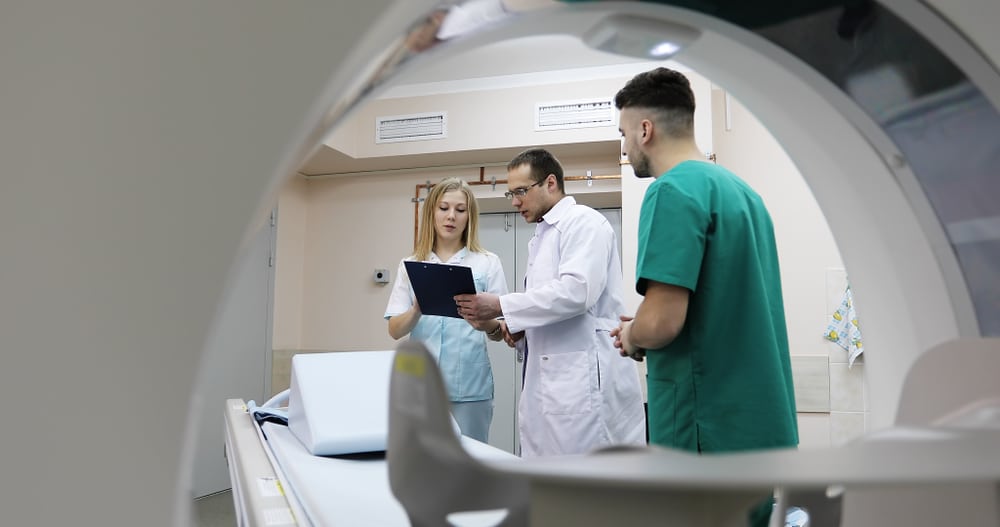
- Placement in Magnetic Field: The individual undergoing the procedure usually lies on a stretcher and is placed inside the magnetic resonance device. The MRI machine obtains images by interacting with the water molecules in the body through the magnetic field. During the examination, the individual should remain as still as possible, as movement can affect the clarity of the images.
- Duration of Application: The duration of whole body MRI can vary depending on various factors. However, it generally lasts between 45 minutes to 1.5 hours. The duration may depend on the extent of the area being imaged, the techniques used, and whether a contrast agent is used.
Whole body MRI can also be used in routine health checks or “check-ups” in some cases. This is a preventive health approach aimed at evaluating patients’ overall health status and detecting potential problems at an early stage. In check-up applications, detailed examination of specific organs and systems can help patients adopt a healthy lifestyle.
What Are the Features and Risks of Whole Body MRI?
Whole body MRI examination has some potential risks in addition to its advantages. Some features of whole body MRI application include:
- Does Not Cause Pain: Whole body MRI offers a painless procedure for patients. There is no need for any surgical intervention or needle use during the examination.
- High Resolution and Detail: MRI technology provides high resolution and detailed images during the examination. This feature facilitates the detailed examination of organs, tissues, and systems, making it easier to detect various health issues.
- Contains No Radiation: Whole body MRI is a method that does not involve radiation. This makes it a safer option, especially for children and pregnant women, compared to other imaging methods.
These factors can constitute the advantageous features of MRI application. However, there can also be some negative effects of the procedure. Some of these include:
- Effect of Magnetic Field: The high magnetic fields used during MRI examinations can affect metal-containing implants or attract movable metals. Therefore, it is important for patients to share such information before the MRI.
- Contrast Agent Reactions: In cases where a contrast agent is used, some patients may experience allergic reactions. However, these reactions are generally mild and rare.
- Pregnancy Status: MRI examinations are not recommended by some doctors for pregnant women in the early stages of pregnancy. Therefore, if pregnancy status is known or suspected, a doctor should be consulted before the procedure.
Considering the advantages and risks of whole body MRI, these situations may vary from individual to individual. Therefore, it is important to have a detailed discussion with the doctor before the procedure and evaluate the potential risks and benefits.
Frequently Asked Questions
Some frequently asked questions regarding whole body MRI are as follows:
How Long Does It Take to Get Results?
The results of the whole body MRI examination can vary depending on the scope of the examination, the workload of the imaging center, and the complexity of the area being examined. However, results are generally available within a few days.
While results of simple and routine whole body MRI examinations can be obtained more quickly, the time to obtain results may be longer for more complex cases or those requiring detailed analysis.
The results are usually communicated to the patient by a doctor. It is important for patients to consult their doctors during the evaluation process of the results to obtain detailed information and understand the results.
Is Whole Body MRI Suitable for All Age Groups?
Whole body MRI examination is generally a suitable imaging method for patients of all age groups. However, since each patient’s condition is different, an individual assessment by a doctor is necessary. This procedure can be safely applied to children, adolescents, adults, and the elderly.
Is Contrast Agent Used During the Examination?
Whether a contrast agent is used during the whole body MRI examination depends on the patient’s condition and the doctor’s request. The contrast agent is usually used to make certain structures in the body more distinct and to conduct a detailed evaluation. This substance contains a contrast agent that can be injected into the vein. It is used to visualize blood vessels, organs, and tissues more clearly in the body.
Contrast agents may be preferred in cases such as evaluating vascular blockages, tumors, inflammation, or specific vascular conditions.
Before the examination, the doctor evaluates the patient’s medical history and determines the use of a contrast agent as needed. Patients should inform their doctors whether they have allergic reactions to contrast agents and consider alternative evaluation methods if necessary. In cases where the use of a contrast agent is preferred, the patient should be evaluated beforehand to prevent possible allergic reactions.
Which Organs Are Visualized with Whole Body MRI?
The examination using Magnetic Resonance (MR) technology includes many important organs, starting from the brain and spinal cord to the heart, lungs, liver, gallbladder, kidneys, bladder, stomach, intestines, musculoskeletal system, and lymphatic system. Additionally, blood vessels, circulation, and vascular systems can also be examined in detail. All these organs and systems can be analyzed with high-resolution images, allowing for the early diagnosis of various health issues or abnormalities.
Can Patients with Any Metal Parts in Their Body Undergo Whole Body MRI Examination?
The presence of any metal parts in the body is an important factor when performing whole body MRI. Magnetic Resonance (MR) devices use a strong magnetic field. The presence of metal parts can affect whether the MRI examination can be safely performed. Metal-containing implants or devices may affect the MRI imaging process. Therefore, the situation of patients with metal parts in their bodies should be evaluated, and if necessary, an alternative imaging method should be used.
Regular health check-ups and tests like MRI are crucial for the early diagnosis and treatment of diseases. Therefore, it is very important to go for regular health check-ups and undergo tests like MRI when necessary.