



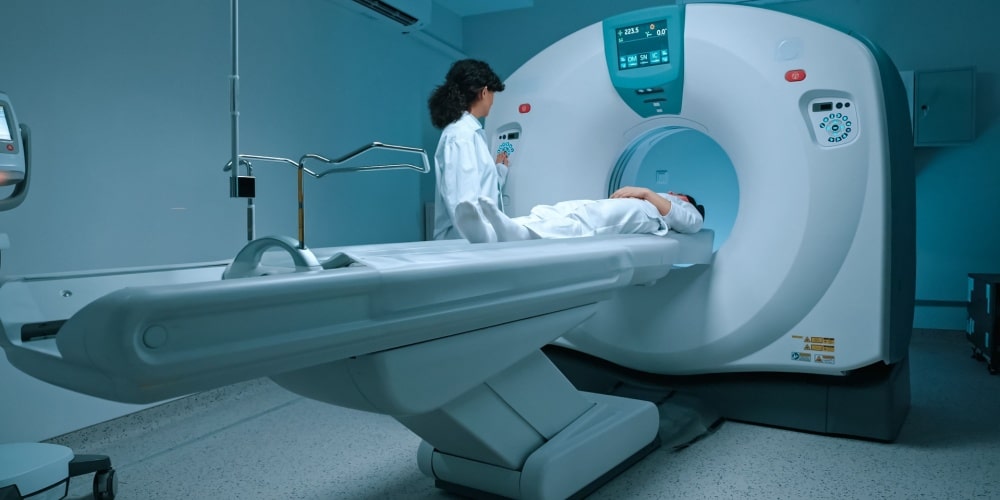
Brachytherapy is an effective form of internal (close-range) radiation therapy frequently used in the treatment of uterine cancer. This method utilizes the therapeutic effects of radioactive substances in close proximity to cancerous cells, thereby targeting high doses of radiation to the cancerous area. It is commonly used to eliminate remaining cancer cells, especially after surgery. Brachytherapy is typically administered vaginally. In patients who have undergone surgery, high doses of radiation are applied to the tumor bed, while in those who have not had surgery, radiation is applied to the position of the tumor within the uterus. Thanks to the rapid dose drop-off at short distances, minimal damage is done to surrounding tissues, and side effects are significantly limited.
What is Brachytherapy in Uterine Cancer?
Brachytherapy works by placing the radiation source directly near the cancerous area. The aim is to deliver a very high dose of radiation to the tumor bed/tumor while minimizing damage to surrounding healthy tissues. Unlike external radiation therapy, where radiation is delivered from outside the body, brachytherapy provides a more targeted treatment. It is preferred in the treatment of uterine cancer, especially to prevent recurrence or eliminate remaining cells after surgery.
How is Brachytherapy Applied in Uterine Cancer?
Brachytherapy is administered through the vagina, using radioactive sources positioned in the upper part of the vagina near the surgical site. The radioactive material used in the treatment is moved within an applicator cylinder to transfer its energy to the target area, and this cylinder is carefully placed in the upper part of the vagina. Brachytherapy is generally applied in two different ways. In low-dose rate (LDR) brachytherapy, the radioactive source is left in the body for several days, and the patient is hospitalized for treatment. Due to difficulties such as limited mobility and prolonged hospitalization, this method is less preferred. In high-dose rate (HDR) brachytherapy, each treatment session lasts approximately 20-30 minutes, and the patient can return home the same day. This method shortens the treatment duration while providing effective results. During vaginal brachytherapy, only the cancerous area receives radiation, thus minimizing exposure to surrounding healthy tissues.
What are the Side Effects of Brachytherapy in Uterine Cancer?
Like any treatment method, brachytherapy has some side effects. Various side effects may occur depending on the treated area during and after brachytherapy for uterine cancer. Vaginal sensitivity and discomfort in the treatment area are common side effects. Exposure of surrounding tissues, especially the vagina, bladder, and intestines, to radiation can cause temporary pain, irritation, or discomfort. Other side effects may include urinary tract problems and changes in bowel movements. Most of these side effects improve over time after treatment is completed. However, some patients, especially those receiving intensive treatment, may experience more permanent effects.
How Long Does Brachytherapy Treatment Last in Uterine Cancer?
The duration of brachytherapy treatment in uterine cancer varies depending on the type of treatment and the patient’s condition. High-dose rate brachytherapy (HDR) may be a shorter treatment option. Each treatment session lasts approximately 20-30 minutes, and patients usually receive 2 or 3 sessions of treatment within a week. A total of 3-5 sessions are applied. Low-dose rate brachytherapy (LDR) requires a longer treatment duration. In this method, the radioactive material is retained in the body for several days, and the patient is hospitalized during this time. Both types of brachytherapy can be used after surgery, and in some patients, they may also be applied before surgery. The recovery process after treatment depends on the individual’s situation, but it is generally quick, and patients can return to their daily activities shortly after.
What are the Differences Between Brachytherapy and Chemotherapy in Uterine Cancer?
Brachytherapy and chemotherapy are two different methods used to treat cancer in uterine cancer. The ways these methods are applied, their mechanisms of action, and their side effects are quite different. Brachytherapy, also known as internal (close-range) radiation therapy, is applied by placing radioactive substances directly into or around the tumor. Brachytherapy provides a high dose of radiation to the cancerous area in uterine cancer, thus affecting surrounding healthy tissues less. This treatment method is used to eliminate remaining cancer cells after surgical intervention or to reduce the tumor size.
Chemotherapy, on the other hand, is a systemic treatment method administered through drugs that spread throughout the body via the bloodstream, targeting not only cancer cells but also all rapidly growing cells. Therefore, the side effects of chemotherapy can be more extensive. Chemotherapy is preferred especially in cases where cancer has spread or recurred. It is generally applied after surgery to prevent the recurrence of cancer in uterine cancer patients.
Frequently Asked Questions
Who is Suitable for Brachytherapy in Uterine Cancer?
Brachytherapy is generally suitable for patients with uterine cancer who have tumor characteristics that pose a risk of recurrence after surgery. It is frequently used as an additional treatment after surgery, especially in cancers that are confined within the uterus. Uterine cancer is more commonly seen in women after menopause, and brachytherapy can be an effective option for these patients. In some selected patients who are not suitable for surgical treatment and have poor overall health, brachytherapy may be preferred as a primary treatment instead of surgery. Additionally, in more advanced cases of uterine cancer, brachytherapy can also be used as an additional treatment option. When creating a treatment plan, the patient’s age, overall health status, stage of cancer, and extent of spread are taken into consideration.
In What Situations is Brachytherapy Preferred in Uterine Cancer?
Brachytherapy is generally preferred to reduce the risk of cancer recurrence after uterine cancer surgery. It can also be applied in patients who are not suitable for surgery or in more advanced stages of cancer. This treatment, which is preferred to eliminate remaining cancer cells in the upper part of the vagina after the uterus has been removed, can yield more effective results when combined with external radiation therapy. While brachytherapy can be used alone in early-stage cancers after surgery, in more advanced stages, it can be applied in conjunction with external radiation therapy and chemotherapy. This depends on the spread of cancer and the patient’s overall health status.
What are the Long-Term Effects of Brachytherapy in Uterine Cancer?
The long-term effects of brachytherapy are generally specific to the treated area. While most patients recover quickly after treatment, some may experience permanent side effects. Localized effects such as vaginal dryness, narrowing, skin sensitivity, and bladder issues may persist for a long time. Rarely, complications such as bowel and bladder damage can occur. Some patients may also experience discomfort during sexual intercourse after treatment. While many of these side effects may lessen over time, there are also conditions that can be permanent. Therefore, regular doctor check-ups after treatment are important.
What Should be Considered During Brachytherapy in Uterine Cancer?
During brachytherapy, patients should take some precautions to ensure comfort during the treatment process. The treatment is usually performed in a hospital setting, and it is important for the patient to remain still. Since high-dose rate brachytherapy (HDR) is shorter in duration, patients are generally treated on an outpatient basis and discharged the same day. During brachytherapy, the patient is exposed to radiation for a short period. Before treatment, the radiation oncology specialist and brachytherapy nurse inform the patient about how the process will proceed and take necessary measures to ensure they feel comfortable.
What Should be Considered After Brachytherapy in Uterine Cancer?
After brachytherapy, patients should take some precautions to speed up the recovery process and minimize side effects. Mild vaginal bleeding or discharge may be observed in the first few days after treatment. In such cases, the radiation oncology specialist and brachytherapy nurse should be informed. Additionally, there may be skin sensitivity, swelling, and discomfort in the treated area. During this period, heavy exercise should be avoided, plenty of fluids should be consumed, and rest should be prioritized. Attention should be paid to the duration recommended by the doctor before resuming sexual intercourse, and recommended methods should be used to cope with side effects such as vaginal dryness and narrowing. Regular doctor check-ups after brachytherapy are important for monitoring the success of the treatment and managing possible side effects.
What Types of Cancer are Treated with Brachytherapy in Uterine Cancer?
Brachytherapy is an effective treatment method not only for uterine cancer but also for other gynecological cancers. It is commonly used in cervical (cervix) cancer, vaginal cancer, and vulvar cancer. This treatment method is particularly effective in localized cases of cancer, especially in small and medium-sized tumors. When brachytherapy is used in conjunction with external radiation therapy, stronger results can be achieved in the treatment of these cancers. Due to having fewer side effects compared to other radiation therapy methods and targeting the cancerous area directly, brachytherapy is frequently preferred.
What is the Recovery Process After Brachytherapy in Uterine Cancer?
The recovery process after brachytherapy is generally quick. Patients are discharged the same day after high-dose rate (HDR) brachytherapy applications and can return to normal activities shortly. In low-dose rate (LDR) applications, however, patients may stay in the hospital for a few days, and the recovery process may take a bit longer. Adhering to the doctor’s recommendations regarding restrictions on sexual activity and daily activities helps ensure a healthy recovery process.
Can Cancer be Completely Eliminated with Brachytherapy in Uterine Cancer?
Brachytherapy is an effective method in the treatment of uterine cancer, and it has a high success rate, especially in cancers diagnosed at an early stage. However, brachytherapy is generally used to eliminate remaining cancer cells after surgical intervention, and whether the cancer is completely eradicated depends on the stage of cancer, its spread, and many other factors. Brachytherapy may be more effective in some patients when combined with external radiation therapy and chemotherapy. In early-stage uterine cancers, the risk of recurrence can be significantly reduced with brachytherapy. However, in advanced-stage cancers, brachytherapy alone may not be sufficient and should be applied in conjunction with other treatment methods.
Brachytherapy is a highly effective method in the treatment of uterine cancer and can increase patients’ chances of recovery when combined with surgical or other radiation therapy methods. Like any treatment method, the benefits and risks of brachytherapy should be evaluated by a doctor, and a personalized plan should be created.