



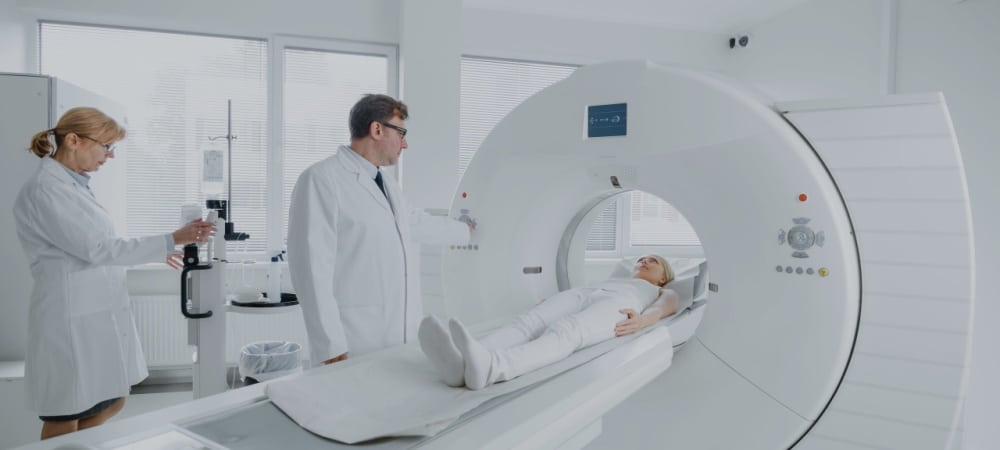
What is Radiotherapy (Radiation Therapy) and How is it Applied?
Radiotherapy, or radiation therapy, is a treatment method that uses high-energy rays to destroy cancer cells or stop their growth. This method is often used in conjunction with other treatment methods such as surgery and chemotherapy.
What is Radiotherapy?
Radiotherapy is a treatment method that targets and destroys cancer cells or prevents their growth by using controlled doses of radiation. Radiation can take the form of X-rays, gamma rays, or charged particles; this damages the DNA of cancer cells and prevents their reproduction. Over time, damaged cells die, and the body cleans them up through natural processes. Radiotherapy primarily focuses on cancer cells, but healthy tissues in the treatment area can also be affected. Therefore, the treatment is carefully planned to minimize exposure of healthy cells to radiation.
How Does Radiotherapy Work?
The fundamental principle of radiotherapy is to damage the DNA of cancer cells. When radiation rays hit these cells, small breaks occur in the DNA structure, preventing the cells from growing and dividing properly. Both healthy and cancerous cells are affected by radiation. However, healthy cells are generally more effective at repairing DNA damage compared to cancer cells. This important difference allows healthy cells to recover between treatment sessions while cancer cells accumulate damage and eventually die.
There are two main types of radiotherapy. In external beam radiotherapy, a linear accelerator sends high-energy radiation to the targeted area. The treatment is calculated to focus on the tumor area while protecting surrounding tissues and organs as much as possible. In internal radiotherapy, radioactive sources are placed inside the tumor, allowing for a higher dose of radiation to be applied in a shorter time.
What Diseases is Radiotherapy Used to Treat?
Radiotherapy is one of the most commonly used treatment methods for cancer. It can be used as a primary treatment or in conjunction with surgical intervention and chemotherapy. It is effectively used for the following types of cancer:
- Breast cancer: Radiotherapy is often used to destroy remaining cancer cells after surgery.
- Prostate cancer: Depending on the location and stage of the tumor, external or internal radiotherapy may be applied.
- Lung cancer: It can be used to shrink tumors before surgery or as an independent treatment in advanced stages.
- Brain tumors: Tumors located in hard-to-reach areas can be reduced with radiotherapy.
- Head and neck cancers: Radiotherapy is frequently used in the treatment of cancers in these areas.
- Skin cancer: In some types of skin cancer where surgery is not possible, radiotherapy can be an effective option.
Radiotherapy can also be used to treat some non-cancerous conditions:
- Benign tumors: Radiation can reduce the size of benign tumors such as meningiomas.
- Thyroid eye disease: It can help reduce swelling in this autoimmune disease.
- Keloids: Thickened scars can be treated with low-dose radiotherapy to prevent their growth.
How is Radiotherapy Applied?
The application of radiotherapy depends on the type and location of the cancer, as well as the patient’s overall health condition. The treatment process generally consists of several stages:
- Planning: Before starting treatment, the radiotherapy team plans the treatment. Imaging tests such as CT, MRI, or PET scans are used to determine the location of the tumor. This way, a detailed treatment plan is created that maximizes the radiation dose to the tumor while minimizing the risk of damage to surrounding healthy tissues.
- Simulation: In some cases, a simulation session is performed to determine the treatment area. Small, temporary tattoos may be made in areas where radiation will be applied. This helps ensure consistency in each session.
- Treatment sessions: External beam radiotherapy is usually applied in daily sessions over several weeks. Each session lasts only a few minutes, and the patient lies still on the treatment table. In internal radiotherapy, radioactive sources are placed in the tumor area, and these sources can be left temporarily or permanently according to the treatment plan.
- Monitoring and adjustments: During treatment, the healthcare team closely monitors the patient and may make adjustments based on the patient’s response to treatment.
What are the Side Effects of Radiotherapy?
Radiotherapy can lead to side effects as it can affect both cancerous and healthy cells. The type and severity of side effects vary depending on the treated area, dose, and individual patient factors. The side effects of radiotherapy include:
- Fatigue: Many patients experience a feeling of fatigue that can last for several weeks during and after treatment.
- Skin reactions: The skin in the treatment area may become red, irritated, or dry. In some cases, swelling or peeling may occur.
- Nausea and vomiting: These side effects are common, especially if radiation is applied to the abdomen or pelvic area.
- Hair loss: If treatment is applied to hairy areas, hair loss may occur in that area.
- Digestive issues: If radiation affects the digestive system, diarrhea, cramps, or loss of appetite may occur.
- Swelling or inflammation: Swelling or tenderness may develop in the treatment area.
How Long Does Radiotherapy Treatment Last?
The duration of radiotherapy depends on the type of cancer, its location, and the treatment plan. For many types of cancer, external beam radiotherapy is usually applied in daily sessions over a period of 5 to 7 weeks. Each session typically lasts 15 to 30 minutes, but radiation is only applied for a few minutes. In some cases, hypofractionated radiotherapy, which delivers larger doses in a shorter time, may be used. For example, prostate cancer can be treated with fewer but more intense sessions. Internal radiotherapy (brachytherapy) may be a one-time procedure or may require several sessions depending on the treatment plan.
What are the Differences Between Radiotherapy and Chemotherapy?
Both treatments target cancer cells, but there are significant differences in approach and application. The differences between radiotherapy and chemotherapy are:
- Radiotherapy is a local treatment aimed at specific areas, while chemotherapy is a systemic treatment that affects the entire body.
- Radiotherapy uses high-energy radiation to target cancer cells in a specific area, while chemotherapy uses drugs administered through the circulatory system to kill cancer cells.
- Radiotherapy is usually applied in daily treatment sessions over several weeks, while chemotherapy is given in cycles with rest periods in between.
- In terms of side effects, radiotherapy is generally limited to the treatment area, while chemotherapy can affect the entire body.
Frequently Asked Questions
Is Radiotherapy Painful?
Radiotherapy is applied painlessly, like receiving a normal X-ray. However, a few days after treatment, there may be mild burning, redness, or tenderness in the exposed area. These side effects are temporary and can be managed with creams and care methods recommended by your doctor.
Who is Suitable for Radiotherapy?
Radiotherapy is recommended based on a personal assessment for each patient. It is suitable for patients with localized tumors who are in good overall health and will not benefit from other treatment options. Pregnant women, individuals with certain autoimmune diseases, and those who have previously received high doses in the same area should be carefully evaluated.
When is Radiotherapy Preferred?
Radiotherapy is preferred when it is necessary to shrink or completely eliminate a tumor, prevent recurrence after surgery, shrink a tumor before surgery, or alleviate symptoms in advanced cancer cases. It can also be used in conjunction with chemotherapy to enhance treatment success in certain types of cancer.
What are the Long-Term Effects of Radiotherapy?
Long-term effects vary depending on the treatment area. Permanent color changes, slight thickening, and swelling in the treatment area may be observed after radiotherapy. Some patients may experience fatigue for several months. In rare cases, there is a risk of developing secondary cancer years after treatment, but these effects can be managed with regular follow-up.
What Should be Considered During Radiotherapy?
It is important to get regular and adequate sleep throughout the treatment process. Keeping the area exposed to radiation clean and dry and regularly using the care products recommended by the doctor is essential. Balanced nutrition and adequate water intake are also important. Alcohol and tobacco use should be avoided, and the treatment area should be protected from sunlight.
What Should be Considered After Radiotherapy?
Skin sensitivity may continue after radiotherapy, so skincare is important. It is beneficial to protect the treatment area from direct sunlight and to use moisturizer. Additionally, it is important not to neglect follow-up appointments with the doctor. Since some side effects may appear weeks later, any unusual symptoms should be reported to the doctor immediately.
Which Types of Cancer are Treated with Radiotherapy?
Radiotherapy is effective in the treatment of most cancers. It can successfully treat cancers such as breast, prostate, lung, head and neck, brain, skin cancers, and lymphomas. It is also used to control pain and improve the quality of life in metastatic cancers. In some types of cancer, radiotherapy is applied alone, while in others, it is used in conjunction with other treatment methods.
What is the Recovery Process After Radiotherapy?
The recovery process after radiotherapy varies depending on the patient’s overall health and the treated area. Post-treatment fatigue and skin sensitivity are common, but these side effects usually decrease a few weeks after treatment is completed. It is important for patients to pay attention to getting enough rest, eating healthily, and attending doctor appointments during their recovery process.
Can Radiotherapy Completely Eliminate Tumors?
Radiotherapy can shrink or eliminate tumors, but it may not always be possible to completely remove a tumor. The success of treatment depends on the type, size, stage of the tumor, and the response to treatment. In some cases, combining radiotherapy with other treatment methods (such as surgery or chemotherapy) increases the chances of completely removing the tumor.