



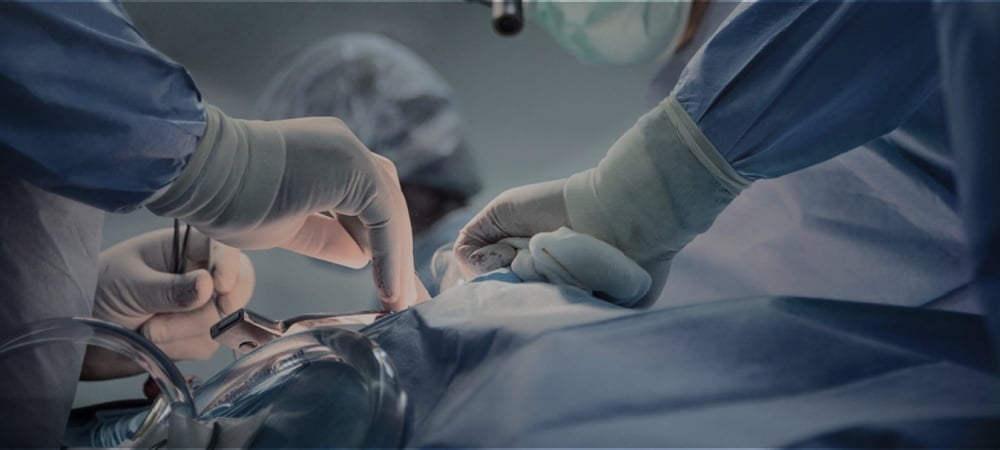
Soft tissue biopsy is a diagnostic procedure that significantly changes the way various pathological conditions are identified and characterized. This minimally invasive technique allows doctors to take small tissue samples from suspicious areas of the body, ensuring accurate diagnosis of both benign and malignant conditions. Providing detailed cellular and molecular information, soft tissue biopsies have become an indispensable tool in modern medicine, guiding treatment decisions across many medical specialties and improving patient outcomes.
What is Soft Tissue Biopsy and When is it Applied?
The soft tissue biopsy procedure is a medical process that involves taking a small sample of soft tissue from the body for microscopic examination and analysis. Soft tissues include muscles, adipose tissue, fibrous tissue, blood vessels, and nerves. The procedure is important for diagnosing various conditions and determining the most appropriate treatment approach. This diagnostic tool is commonly applied in many scenarios. When patients present with unexplained masses or swellings, biopsy helps determine whether they are benign or malignant. It is particularly valuable in situations where imaging studies alone do not provide definitive answers. Doctors often recommend soft tissue biopsy when they suspect conditions such as soft tissue sarcomas, lymphomas, or metastatic tumors. It can also be applied in the following situations:
- Investigating long-standing and unexplained pain,
- Determining the cause of chronic infections,
- Assessing tissue damage following trauma,
- Diagnosing degenerative diseases in muscle or connective tissues.
How is Soft Tissue Biopsy Performed and What are the Types of Procedures?
Soft tissue biopsies can be performed using several different techniques, each suitable for specific conditions and requirements. The choice of method depends on factors such as the location and size of the tissue to be sampled, the suspected condition, and the overall health of the patient. The most commonly used types of biopsies are as follows:
- Fine Needle Aspiration Biopsy (FNAB): In this method, fluid or cell samples are taken from the soft tissue using a thin needle. It is generally preferred in situations requiring quick results due to its less invasive nature.
- Core Needle Biopsy: Core needle biopsy is another common approach that uses a slightly larger needle to remove a small piece of tissue. Unlike fine needle aspiration biopsy, a larger tissue sample is taken. The sample provides more detailed information, especially in tumor analyses.
- Surgical Biopsy: If larger sections of tissue need to be removed for sampling, surgical biopsy is preferred. It is performed under local or general anesthesia and can serve both diagnostic and therapeutic purposes.
- Punch Biopsy: Punch biopsy is a method typically used for superficial soft tissue abnormalities, where a small tissue cutting tool is used to obtain a sample. It is more common in skin diseases.
What is the Patient’s Preparation Process Before Soft Tissue Biopsy?
To ensure the biopsy procedure goes smoothly, patients need to make certain preparations before the procedure. The process begins a few days prior to the procedure and involves multiple steps to minimize risks and optimize results.
During the preparation phase for soft tissue biopsy, the patient’s medications, existing illnesses, and allergy history are first reviewed. Patients taking anticoagulant medications may need to stop their medications a few days before the procedure. However, since abruptly stopping some medications can be dangerous, the decision should be made in consultation with the healthcare team. Some blood tests may be conducted to assess the risk of bleeding. This ensures that the procedure can be performed safely. The fasting status varies depending on the type of biopsy and the planned anesthesia. For procedures performed under local anesthesia, patients may be allowed to eat normally. However, if sedation or general anesthesia is required, patients must fast for 6-8 hours before the procedure.
As part of the preparation process, imaging studies may be performed before the biopsy to accurately identify the target tissue and plan the best approach. Patients may need to undergo CT scans, MRIs, or ultrasound examinations. The images guide the procedure and ensure proper sampling.
What are the Risks That May Occur During and After Soft Tissue Biopsy?
While soft tissue biopsy is generally considered safe, like any medical procedure, it carries certain risks that patients should be aware of. Understanding potential complications helps in making informed decisions and ensuring appropriate post-procedure care. The risks of soft tissue biopsy can be listed as follows:
- Bleeding: Bleeding is one of the most common risks, especially in patients taking anticoagulant medications or those with bleeding disorders. Most bleeding is minor and easily controlled, but sometimes more significant bleeding may occur, requiring additional medical intervention.
- Infection: There is a risk of infection in procedures performed with poorly sterilized equipment. Therefore, it is important to keep the biopsy area clean after the procedure.
- Pain and discomfort: Pain and discomfort at the biopsy site are common but can usually be managed with pain relievers. Some patients may experience bruising or swelling around the biopsy site that resolves within a few days.
- Tissue Damage: In rare cases, surrounding tissues may be damaged during the biopsy. If the biopsy is performed near major nerve structures, nerve damage may also occur.
How Long Does it Take for Soft Tissue Biopsy Results to Come Out and How are They Evaluated?
The time it takes for soft tissue biopsy results to be available can vary depending on the type of sample taken and the workload of the laboratory. Generally, results from fine needle aspiration biopsy can be obtained within a few days, while surgical biopsies requiring more comprehensive examination may take 1-2 weeks.
The evaluation process begins in the laboratory, where technicians prepare tissue samples for examination. This involves fixing the tissue in preservatives, creating thin sections, and applying various stains to highlight different cellular components. The prepared files are then thoroughly examined by pathologists.
In many cases, additional special tests may be necessary. These may include immunohistochemistry to identify specific proteins, molecular tests to detect genetic mutations, or flow cytometry to analyze cell populations. These advanced techniques may add a few days to the analysis time but provide valuable information for diagnosis and treatment planning.
Frequently Asked Questions
Does Soft Tissue Biopsy Hurt?
Local anesthesia is generally applied during soft tissue biopsy, so pain is not felt during the procedure. However, there may be a slight pressure or discomfort due to the needle insertion. After the procedure, sensitivity or mild pain in the area usually subsides shortly and can be managed with pain relievers.
How is Soft Tissue Cancer Detected?
Soft tissue cancer is detected through the pathological examination of the tissue sample obtained via biopsy. Imaging methods (MRI, ultrasound, CT) are often used before the biopsy to assess the size and structure of the mass. A biopsy is essential for making a definitive diagnosis, as microscopic examination can provide clear results regarding cancer.
Is Every Soft Tissue Mass Cancerous?
Not every soft tissue mass is cancerous. Most soft tissue masses are benign and do not require treatment. However, due to the possibility that some masses may be malignant, a biopsy is recommended. It is important to evaluate the characteristics and risk status of the masses under your doctor’s guidance.
What Does Soft Tissue Mean in Medicine?
Soft tissue refers to structures such as muscles, connective tissues, adipose tissues, blood vessels, and nerves that support and surround the body. Soft tissues, excluding bone and cartilage, play a critical role in the movement and function of the body. Various diseases or abnormalities can affect soft tissues.
How Long Does the Recovery Process After Biopsy Take?
The recovery process after soft tissue biopsy generally takes a few days. This period may be shorter for simpler procedures like fine needle biopsy, while recovery from surgical biopsies may take several weeks. Keeping the biopsy site clean and following your doctor’s recommendations can speed up the recovery process.
To get detailed information about soft tissue biopsy or to schedule an evaluation appointment with our specialists, you can fill out the contact form below or visit our Appointment Page. Don’t delay your health; early diagnosis saves lives.