



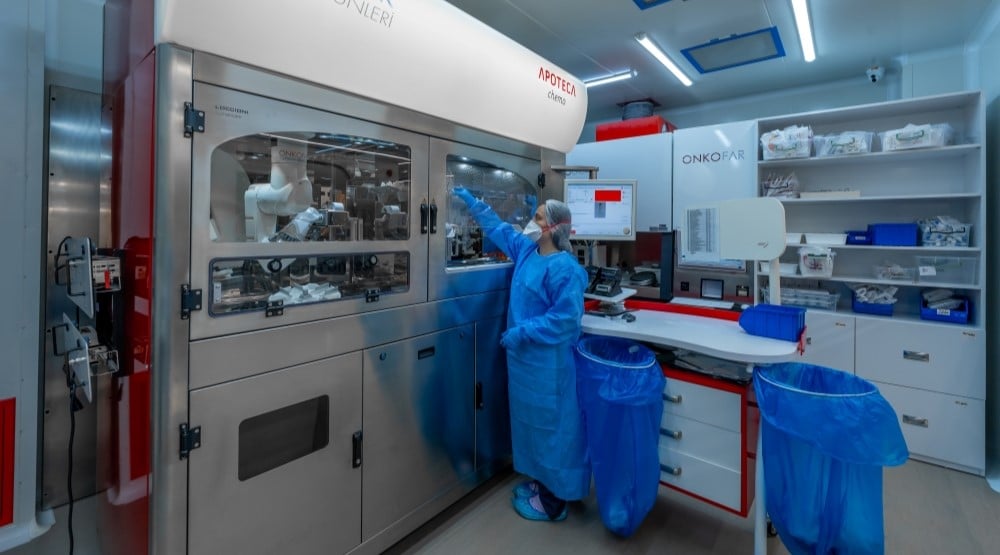
While ready-to-use drugs are more common today, in some diseases, including cancer, it may be necessary to prepare special drugs for personalized dosing. Since this drug preparation process is extremely delicate, it is performed using the robotic drug preparation method. Additionally, many advantages are gained through the robotic drug preparation method. With advancing technology, drug preparation can be done more easily, less harmfully, and more consistently. If you are curious about questions like “What is robotic drug preparation and what are its advantages?” you can continue reading to learn more about this topic.
What is Robotic Drug Preparation?
Robotic drug preparation refers to a method that uses automation in the drug preparation processes. In this approach, drugs are prepared automatically or semi-automatically through robots or automatic mechanisms. This method involves the precise dosing, mixing, blending, and shaping of drug components when necessary. Robotic drug preparation generally aims to make the drug production process more efficient, safe, and consistent. It can increase the quality of drugs by reducing human errors and variabilities.
Robots can be programmed according to specific parameters and can work with high precision. This ensures that drug components are mixed and prepared in the correct amounts. In the healthcare sector, especially in hospitals and clinics, there may be a need for large quantities of drugs to be prepared quickly. Robotic drug preparation can offer significant advantages in such situations. It completes drug preparation processes with high efficiency and reliability. Additionally, thanks to their ability to work in sterile conditions, they can ensure drug production in a hygienic environment. Robotic drug preparation stands out as a technological step in drug production. By reducing human intervention, it allows for the production of more consistent and safer drugs. In short, this method contributes to improving drug preparation processes in the healthcare sector, leading to better treatment for patients and safer delivery of medications.
What Are the Advantages of Robotic Drug Preparation?
Robotic drug preparation can provide many advantages for both patients and the individuals preparing the drugs. Some of these advantages can be listed as follows:
Advantages for Patients
This technology offers many advantages for patients. By changing the way drugs are prepared, robots reshape drug distribution while also enhancing patient care. The advantages of robotic drug preparation for patients can be listed as follows:
- Higher Accuracy: Robots prepare drugs with precise measurements and exact procedures. This can help minimize dosage errors, ensuring that patients receive accurate and reliable medications.
- Drug Efficacy: Robotic systems prepare drugs according to specific instructions. This can increase the efficacy of drugs, enhancing the benefits patients receive from their medications.
- Reduced Contamination Risk: There is a risk of contamination with microorganisms or foreign substances during manual drug preparation. Robots can operate in a sterile environment, ensuring that drugs are prepared hygienically and safely.
- Fast and Efficient Drug Preparation: Robotic systems can prepare drugs automatically and quickly. This allows patients to receive their medications in a shorter time, speeding up the treatment process.
- Reduction of Human Errors: Errors caused by human factors can lead to serious consequences in the drug preparation process. Robots minimize these errors, enhancing patient safety.
- More Hygienic Drug Preparation: It is crucial to maintain sterile conditions, especially in hospitals and clinics. Robots can prepare drugs in a sterile manner without human intervention, reducing the risk of infection.
- Customized Treatment: Robotic systems can prepare customized drugs according to the individual needs of patients. This method offers more effective and personalized treatment options with tailored dosages.
- Innovation and Technology: Robotic drug preparation represents an innovative approach in the healthcare sector. This can provide patients with a more advanced and modern treatment experience.
Advantages for Doctors and Pharmacists
Robotic drug preparation offers many advantages for healthcare professionals. Here are some of these advantages:
- Reduction of Errors: Drug preparation processes are highly sensitive and require meticulousness. Robots prepare drugs in the correct doses and completely, thanks to programmed algorithms. This helps minimize risks arising from incorrect dosages or mixing errors.
- Time Savings: Manual drug preparation can be time-consuming. Robots automate this process, allowing doctors to use their time more effectively. This means that doctors can spend more time with their patients.
- Better Focus: Thanks to robotic drug preparation, doctors can focus on more complex and challenging tasks instead of dealing with routine and repetitive tasks. This can enhance the quality of medical diagnosis and treatment processes.
- Monitoring Drug Interactions: When a patient uses different drugs together, the risk of adverse interactions can pose a threat. The software used for robots can adjust the doses of prescribed drugs precisely and detect potential interaction situations.
- Data and Monitoring Capability: Robots can record and monitor drug preparation processes. This data can be used for quality control, revisions, and audits.
- Safer Working Environment: Some drugs may contain toxic or harmful substances. Robots can ensure the safety of doctors while working with such substances and reduce exposure risks.
- Better Record Keeping and Monitoring: Robots can record and monitor the drug preparation process in detail. This facilitates retrospective reviews and helps identify the causes of errors when necessary.
- Staff Training and Retraining: Manual drug preparation methods may require staff training. Robots require less training and can be quickly reprogrammed when processes change.
What Are the Stages of Robotic Drug Preparation?
The stages of robotic drug preparation include essential steps that make medical treatment processes more effective and safe. These stages can be listed as follows:
- Prescription Evaluation: The drug preparation process begins with the careful evaluation of the prescription given by the doctor. Considering the patient’s medical history, current condition, and needs, the necessary drugs are determined.
- Drug Selection and Dosage Calculation: The robotic system selects the appropriate drugs according to the given prescription and calculates the correct doses based on the patient’s characteristics. This stage is critical for the effective and safe administration of drugs.
- Preparation of Drugs: The selected drugs are prepared by the robotic system in the specified doses and ratios. Robots mix the drugs precisely to obtain a homogeneous composition.
- Labeling and Packaging: The prepared drugs are marked with correct labels and packaged in appropriate containers. This stage ensures the identification of drugs and supports patients in using their medications correctly.
- Ensuring Storage Conditions: Drugs are stored under appropriate temperature, humidity, and light conditions. The robotic system ensures that drugs are preserved as needed, maintaining their quality.
- Drug Delivery: The prepared drugs are delivered to patients or healthcare professionals. Robots ensure the safe and timely delivery of drugs, allowing the treatment process to continue without interruption.
- Data Recording and Monitoring: The robotic system records and monitors every stage of the drug preparation process. This data allows for retrospective analysis when necessary and increases the traceability of the process.
- Maintenance and Reprogramming: Regular maintenance may be required for robotic systems to function properly. Additionally, as drug requirements or dosages change, the systems can be reprogrammed accordingly.
In Which Situations Can Robotic Drug Preparation Be Used?
The robotic drug preparation method is a versatile technology that can be used in various situations. Here are some situations where robotic drug preparation can be utilized:
- Cancer Treatment: Cancer treatment often requires specialized drug mixtures. Robotic systems can help patients receive more effective treatment by preparing drugs in the correct ratios and doses.
- Intensive Care Units: Patients in intensive care units often require complex treatments. Robots can support healthcare professionals by precisely preparing complex drug mixtures.
- Pediatric Patients: Drug dosages for children need to be precise. Robots can prepare customized drugs for children in the correct doses and palatable formulations.
- Rapid Emergency Situations: Quick and accurate drug preparation is essential in emergency services. Robots can respond quickly in emergencies and prepare drugs instantly.
- Drug Research: In the stages of developing new drugs, robots can conduct trials of new drug formulations by mixing different components precisely.
- Special Drug Production: Some patients may need special drug dosages. Robotic systems can prepare these special drugs accurately and reproducibly to meet patient needs.
- Infection Control: Especially in situations requiring sterile conditions, robots can prepare drugs without human intervention, reducing the risk of infection.
- Remote Health Services: In remote health services, robotic systems can prepare the drugs patients need in the correct doses and provide support to remote healthcare professionals.
Robotic drug preparation has a wide range of applications and can make healthcare services more effective, safe, and efficient. With the use of this technology, the goal is to provide better treatment for patients and reduce the workload of healthcare professionals.