



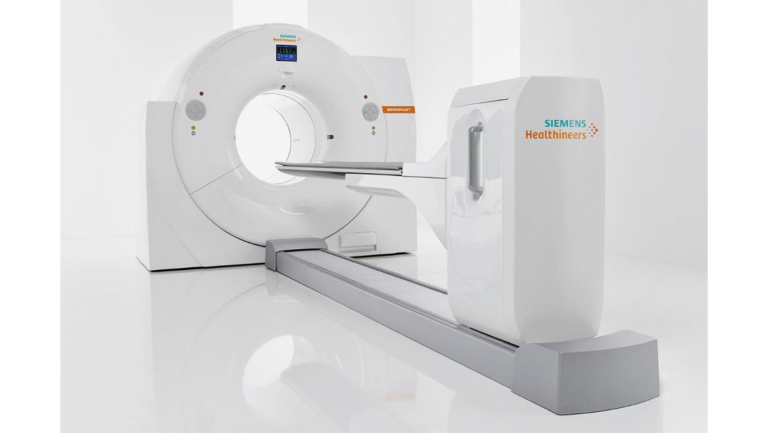
What is PET-CT?
PET-CT, an advanced imaging method that combines two separate devices into one, plays an active role not only in cardiology and neurological disorders but especially in the field of oncology. Thanks to its ability to scan the body from head to toe with low radiation and high speed, it is used in the diagnosis, treatment planning, and post-treatment evaluation processes of cancer diseases.
PET-CT is an advanced technological imaging method created by the combination of Positron Emission Tomography (PET) and Computed Tomography (CT).
The PET-CT device;
- Cancer
- Infections
- Assessment of myocardial viability
- Neurological diseases
is guiding in early diagnosis and treatment planning in cases such as these.
PET-CT in Oncological Diseases
In oncological diseases, PET-CT is utilized in the stages of early cancer diagnosis, treatment planning, staging, detection of recurrences, identification of metastases, planning of radiotherapy treatment, and evaluation of treatment success.
The types of cancer in which PET-CT is most effective include:
- Lung Cancer
- Breast Cancer
- Head and Neck Cancers
- Colorectal Cancers
- Esophageal Cancer
- Stomach Cancer
- Gynecological Cancers
- Bladder Cancer
- Prostate Cancer
- Lymphoma
- Malignant Melanoma
PET-CT in Cardiological Diseases
PET-CT plays a role in determining the viability of areas with reduced blood flow caused by coronary artery blockages. Identifying these areas is important for determining whether angioplasty or coronary artery bypass surgery will be beneficial.
PET-CT in Neurological Diseases
PET-CT technology can be utilized in the diagnosis of seizures, Alzheimer’s, and dementia diseases.
What are the Advantages of PET-CT?
The PET-CT device allows doctors to quickly perform both scans in a single session without needing to move the patient. Thus, metabolic data obtained from the PET scan and anatomical data from the CT are acquired simultaneously from a single device, providing more detailed and accurate information compared to other imaging methods.
How Does PET-CT Work?
The step-by-step process followed during the scan is as follows:
- 6 hours of fasting is required before the PET-CT scan.
- The patient’s blood sugar is measured. The blood sugar must be below the desired limit for the scan.
- A radioactive labeled sugar molecule is injected into the body through the veins.
- About 1 hour is waited for the drug to be absorbed by the cells.
- The patient is taken to the PET-CT device, and the imaging begins.
- Detailed 3D images of the body are taken with the help of X-ray.
Why Should I Have It Done at Hisar Hospital Intercontinental?
- High Resolution Difference
The PET-CT device in our hospital provides service with the highest resolution images available in the industry. Thus, even the smallest details that cannot be seen in other devices are detected, contributing to the diagnosis and treatment process while helping to prevent unnecessary surgical procedures and biopsies.
- Wider Gantry Option
Our device, developed with overweight and obese patients in mind, has a gantry that is 24% wider than those of other manufacturers. The larger area also provides an advantage for individuals with claustrophobia.
- Low Radiation, High Speed
Our PET-CT device operates with a lower dose of radiation, increasing patient comfort while scanning the entire body with maximum speed and precision to detect abnormalities such as cancerous cells.
- Diagnosis with Less Radioactive Material
Compared to other devices, high-resolution images can be obtained with a lower dose of radioactive material administered through the veins.
- Sugar molecules accumulated in abnormal structures or cancerous cells can be easily distinguished due to their bright images.
- The scanning duration lasts 15-20 minutes depending on the patient’s height.
Post-PET-CT Process
The radiation taken during the PET-CT is excreted through urine. Therefore, it is recommended to drink plenty of water on the day of the scan and to flush the toilet several times after urination.
On the other hand, while the radiation taken during the procedure does not pose a risk to those around, it is advised to avoid prolonged contact with small children and pregnant women, who are in a risk group for radiation, for 12 hours.
Lutetium-177 PSMA Treatment
Lutetium treatment is an increasing radionuclide therapy used in patients with advanced-stage prostate cancer. The aim of this treatment is to shrink tumor size and stop the proliferation of tumor cells. In this context, both the progression of the disease can be controlled, and it is possible to alleviate advanced disease symptoms such as widespread bone pain and fatigue. The radiation used in this treatment is designed to destroy cancer cells.
How is it Determined if You are Suitable for Lutetium-177 PSMA Treatment?
The doctor reviews the patient’s medical history and previous treatments to decide whether this treatment is suitable for the individual. The next step is to perform imaging with Gallium 68-PSMA PET-CT to find cancer metastases and determine if this treatment is appropriate for the patient. If it is deemed suitable for Lutetium-177 PSMA treatment, the doctor will explain in detail what the patient will encounter during and after the treatment to make an informed decision about the treatment.
How is Lutetium-177 PSMA Treatment Administered?
Lutetium PSMA treatment is typically administered every six to eight weeks, usually in a total of 4 cycles. The treatment is performed on an outpatient basis if there is no condition requiring hospitalization. The total number of cycles may vary depending on the treatment response and side effects. The Lutetium-177 PSMA compound is infused into the patient through the veins in a calculated dose specific to the patient, taking about half an hour. Routine blood tests conducted during follow-ups after treatment monitor the patient’s response to the treatment.
Since it targets cancer tissue with PSMA, the radiation dose received in other parts of the body is at low levels. However, some patients may experience nausea, dry mouth, fatigue, decreased kidney function, and especially a decrease in blood values in patients with bone lesions.
You can make an appointment with Hisar Hospital Intercontinental Integrated Oncology to discuss treatment options with a specialist doctor and to get information about the treatment.