



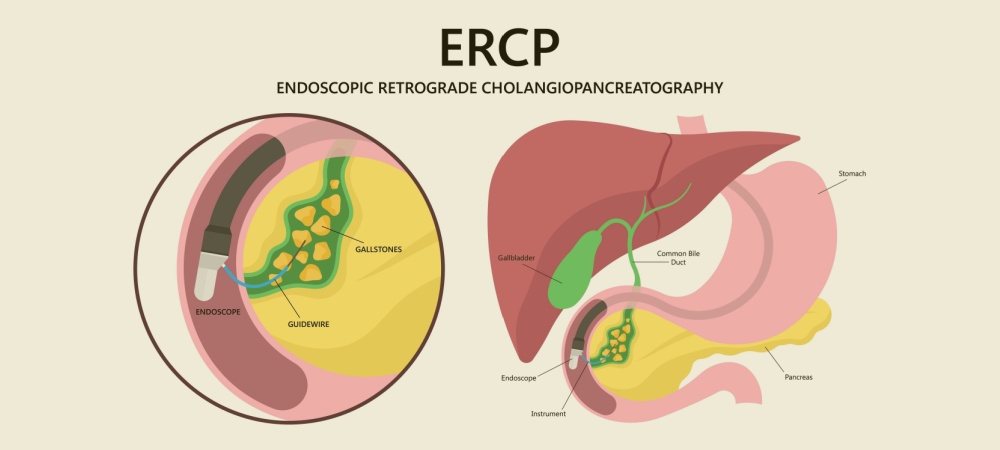
Pancreatic biopsy is an important diagnostic procedure in the diagnosis and treatment of pancreatic cancer. The biopsy procedure is usually performed to confirm the results in cases where pancreatic cancer is suspected based on tests such as blood tests and imaging methods. Today, most pancreatic biopsy procedures are performed using non-surgical methods such as endoscopic biopsy and percutaneous biopsy. In cases requiring surgery, laparoscopic biopsy, which is mostly a minimally invasive method, is often utilized.
What is Pancreatic Biopsy and When is it Applied?
The pancreatic biopsy procedure involves taking samples from pancreatic tissue using various methods and examining them in a laboratory setting. The biopsy is generally performed to confirm the diagnosis and plan treatment in cases where the presence of cancer in the pancreas is suspected. Pancreatic biopsy, performed using methods such as endoscopic ultrasound, fine needle aspiration (percutaneous biopsy), or laparoscopic biopsy, helps to detect abnormal cells in the tissue and determine the type and extent of the disease.
Pancreatic cancer is the seventh leading cause of cancer-related deaths worldwide. With advancements in health technologies, diagnostic methods for pancreatic diseases are also rapidly evolving. As a result, pancreatic cancer can now be diagnosed and treated at an early stage. Experts try to confirm the suspicion before deciding on the biopsy procedure through imaging methods such as pancreatic function tests, CT, MRI, PET, endoscopic ultrasound, and blood tests. For example, a high level of the tumor marker CA 19-9 (cancer antigen 19-9) in blood tests may indicate pancreatic cancer. If the suspicion of cancer is strengthened based on the tests, a tissue sample from the pancreas may be required.
Understanding the type, stage, and other characteristics of pancreatic cancer is critical for proper treatment planning. Especially in cases where surgical intervention is not possible, a biopsy may be necessary. In patients where surgical intervention is planned, a diagnosis may also be made using tissues taken during the surgery, so a biopsy may not be deemed necessary.
How is Pancreatic Biopsy Performed and What are the Types of Procedures?
Pancreatic biopsy, performed to take samples from suspicious tissues in the pancreas, can occur in many different ways, ranging from non-surgical methods to minimally invasive techniques. The main types of pancreatic biopsy are as follows:
- Endoscopic Ultrasound (EUS): Endoscopic pancreatic biopsy is one of the primary diagnostic methods used in the diagnosis of pancreatic cancer. During the procedure, specialists first enter through the mouth using an endoscope and progress toward the small intestine. The ultrasound probe at the end of the endoscope allows detailed imaging of the pancreas. If a suspicious area is detected during imaging, specialists can take a tissue sample.
- Biopsy during Endoscopic Retrograde Cholangiopancreatography (ERCP): During ERCP, which uses both an endoscope and an X-ray device to visualize the bile ducts and pancreatic ducts, specialists first reach the duodenum with the endoscope and then inject a special contrast agent to obtain detailed images of the bile duct and pancreas. If a suspicious area is detected in the pancreas at this point, a tissue sample can be taken.
- Percutaneous Biopsy: Also known as fine needle aspiration, during the percutaneous biopsy procedure, gastroenterology specialists enter the suspicious area through the skin with a thin needle under ultrasound or CT guidance to take a tissue sample.
- Surgical Biopsy: Although the surgical biopsy procedure is not as commonly used today, doctors may resort to surgical biopsy to examine the tissues and organs surrounding the pancreas in cases where they suspect that cancer may have spread to other tissues and organs. During the procedure, specialists make small incisions in the abdomen and use a laparoscope equipped with a high-resolution camera and light to visualize the pancreas. If suspicious areas are detected at this stage, a tissue sample is taken and sent to the laboratory for examination.
The choice of which type of biopsy to perform depends on factors such as the patient’s overall health and the size of the tumor.
What is the Patient Preparation Process Before Pancreatic Biopsy?
The preparation process before pancreatic biopsy is critical to minimize complications that may occur during and after the biopsy. First, doctors thoroughly evaluate the patient’s overall health status. At this stage, it is important for patients to inform their doctors about chronic health issues, medications used, and existing allergies. Some medications, such as blood thinners, may increase the risk of bleeding during the procedure, so these medications may need to be discontinued under medical supervision some time before the procedure. Pancreatic needle biopsy is usually performed with the help of local anesthesia. However, depending on the patient’s overall health status and personal preferences, if sedation is required, patients are generally advised to refrain from eating, drinking, and smoking for about 8 hours before the procedure.
What Risks and Complications Can Occur During and After Pancreatic Biopsy?
Although pancreatic biopsy is generally a safe procedure, there is a risk of complications in some patients. The risk of complications may vary depending on the type of biopsy performed and the individual’s overall health status, but complications are observed in only 0-2.5% of patients. One of the first risks that come to mind when discussing the risks of pancreatic biopsy is bleeding. Bleeding that occurs during fine needle aspiration is usually mild and resolves spontaneously. In more serious cases, endoscopic intervention may be required to control the bleeding.
Another possible complication that may arise during the biopsy is perforation of the small intestine, which means a hole forming in the wall of the small intestine. However, the use of various imaging methods to guide the biopsy procedure minimizes such risks. As with any interventional procedure, there is also a risk of infection after pancreatic biopsy. In rare cases, some patients may develop acute pancreatitis, also known as pancreatic inflammation.
Another complication that may occur after the biopsy is the spread of cancer cells to other tissues along the path of the needle. However, studies have shown that the incidence of this complication ranges from 0.003% to 0.009%, indicating that it is quite low.
It is important for patients to give themselves time to recover after pancreatic biopsy and to rest. During this process, drinking plenty of water and gargling to soothe the throat can be beneficial. Additionally, if complications such as difficulty breathing, chest pain, difficulty swallowing, or bloody stools occur, it is essential to inform doctors without delay.
How Long Does it Take for Pancreatic Biopsy Results to Come Out and How are the Results Evaluated?
Pancreatic biopsy results are usually obtained within one to two weeks. This duration may vary depending on the type of biopsy performed. Pathology specialists examine the tissue samples taken during the biopsy in detail under a microscope to assess whether the cells are cancerous. If cancerous cells are detected, genetic tests may be conducted to evaluate whether mutations exist in genes such as BRCA1/2 or KRAS. These tests also help in planning the treatment process. According to research, the safety of pancreatic biopsy is high. Some studies indicate that endoscopic biopsy, which is frequently used in the diagnosis of pancreatic cancer, provides accurate results in 85-95% of cases.
Frequently Asked Questions
Does Pancreatic Biopsy Hurt?
Pancreatic biopsy is usually performed under local anesthesia or sedation, so patients do not feel any pain during the procedure; however, it is normal for patients to experience some pain after the pancreatic biopsy. This pain usually resolves on its own within a few days.
How Many mm of Pancreatic Cyst is Dangerous?
According to some studies, pancreatic cysts larger than 3 cm may be dangerous. One study found that with the recent use of more advanced magnetic resonance imaging techniques, pancreatic cysts were observed in half of the patients who underwent upper abdominal MR imaging. However, the vast majority of these cysts exhibit benign characteristics in the long term. Therefore, experts often avoid unnecessary interventions, but considering the risk of pancreatic cancer progressing without any symptoms, it is recommended that patients with cysts larger than 3 cm and elevated CA-19-9 tumor markers be closely monitored and biopsied when necessary.
How Long Does it Take for Pancreatic Biopsy Results?
The pancreatic biopsy result usually comes out within an average of 1-2 weeks, depending on the type of biopsy performed and whether additional procedures are conducted.
How Long Will it Take to Heal During and After the Procedure?
Since pancreatic biopsy is generally performed using minimally invasive methods, the recovery time after the procedure is usually short; however, the recovery time may vary depending on the type of biopsy performed, the patient’s adherence to the doctor’s instructions, and overall health status.
What Preparation Should I Do for Pancreatic Biopsy?
Before pancreatic biopsy, it is important for patients to inform their doctors about existing health issues, medications they are taking, and allergies. Especially medications with blood-thinning properties may increase the risk of bleeding during and after the procedure. Therefore, these medications may need to be discontinued under medical supervision before the operation. Additionally, in cases where sedation is planned for the procedure, patients should refrain from eating and drinking for 8 hours before the biopsy.
What Should I Pay Attention to After Pancreatic Biopsy?
After pancreatic biopsy, it is important to rest and follow the doctor’s instructions. Patients who have undergone sedation are advised to avoid driving and making important decisions on the day of the procedure. Additionally, drinking plenty of water and gargling can help alleviate the discomfort caused by the endoscope in the throat. It is normal to experience some pain after the biopsy. If the pain persists for a long time, or if there are complications such as high fever, shortness of breath, or blood in the stool, it is important to seek medical attention without delay.
How Long Will It Take to Get Pancreatic Biopsy Results?
Pancreatic biopsy results are typically received within an average of 1-2 weeks. This duration may vary depending on the type of procedure performed.
Pancreatic biopsy plays a critical role in diagnosing various pancreatic diseases, especially pancreatic cancer. If you have concerns about your pancreatic health, you can schedule a detailed evaluation with our interventional radiology specialists by making an appointment. Early diagnosis increases the chances of success in treatment.