



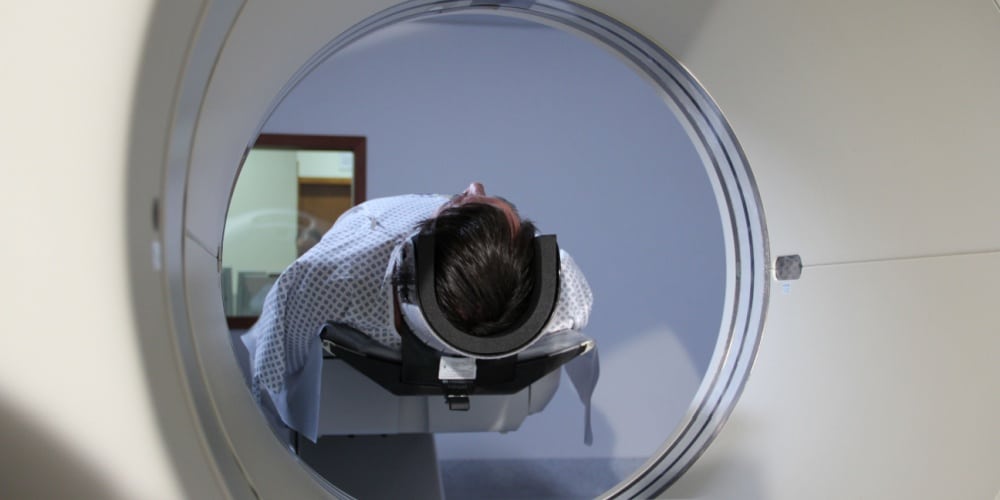
Cardiac positron emission tomography (PET) is an advanced imaging method that provides detailed information about the functional status of the heart. This technique evaluates the metabolic activity of heart tissue and is particularly used in the diagnosis of conditions such as coronary artery disease. Unlike other imaging methods, cardiac PET shows how the heart functions at the cellular level. This test, performed using a radioactive isotope, detects which areas of the heart muscle are receiving adequate blood and oxygen and which are not. This allows doctors to create a more accurate treatment plan (1).
What is Cardiac PET?
Cardiac PET is a diagnostic method that creates images of the heart using a scanning machine and the injection of a radioactive isotope. The radioactive tracers release energy. The pattern illuminated by the radioactive isotope can inform the doctor about how healthy the heart is. It is a non-invasive test that generates images of the heart from all angles. They can evaluate how healthy your heart muscle is and decide how to treat it. Cardiac PET scans use a small amount of radiation (2).
Why is Cardiac PET Performed?
Cardiac PET is used in the diagnosis and monitoring of various disorders related to heart health. Some reasons for using the test include:
- Diagnosis of coronary artery disease: It is used to assess blood flow caused by narrowing or blockages in the coronary arteries. This test shows which areas of the heart muscle are not receiving enough oxygen. This information helps doctors diagnose coronary artery disease and create a treatment plan.
- Post-heart attack evaluation: It is used to determine which areas of the heart muscle are alive and which areas have suffered permanent damage in patients who have had a heart attack. This information is critical in planning the patient’s treatment process. The presence of viable tissues helps determine whether interventions such as revascularization are needed.
- Follow-up after bypass surgery and stenting: It is performed to assess the effects of interventions such as bypass surgery or stent placement. This test shows whether the blood flow to the heart muscle is sufficient after treatment. If the blood flow is inadequate, this test can determine whether additional treatments are needed. This way, the patient’s long-term health is preserved and complications are prevented.
- Evaluation of cardiomyopathy: It is used in the diagnosis and monitoring of heart muscle diseases such as cardiomyopathy. This test provides detailed information about the functionality of the heart muscle, assessing the severity of the disease. In particular, this method determines which areas of the heart muscle are affected and how functional they are. It can also help understand how the heart responds to treatment and what course of action should be taken in the future (1,3).
How is the Cardiac PET Procedure Performed?
Before the procedure, the doctor gives the patient specific instructions related to the procedure. It is important for the patient to follow these instructions for the most accurate results. The steps of the cardiac PET procedure may include:
- Preparation: The patient may need to fast for a certain period before the cardiac PET procedure, usually 4-6 hours. This is important for obtaining accurate results as food can affect blood sugar levels. The patient removes any metal jewelry before the procedure. The doctor may review the medications taken before the procedure and may request that some medications be temporarily stopped. Additionally, smoking should not occur on the day of the cardiac PET scan as nicotine can affect test results.
- Injection of Radioactive Isotope: During the procedure, a low dose of radioactive isotope is injected into the patient through an intravenous line. After the injection, the patient is asked to rest. The radioactive isotope is quickly absorbed by the heart muscle and is used to visualize heart activity. After the injection, a waiting period of 30-60 minutes is usually required for the isotope to spread throughout the body and reach the heart tissue.
- Imaging: When it is understood that the isotope has distributed sufficiently, the patient is taken to the PET device, and the imaging process begins. The patient lies on a table inside the device and is usually asked to remain still for about 15-30 minutes. During this time, the device creates detailed images showing the metabolic activity of the heart tissue. The patient is generally asked to remain calm during imaging as movement can affect the quality of the images.
- Analysis of Results: After imaging is completed, the obtained images are analyzed by specialist doctors. This analysis determines which areas of the heart muscle receive adequate blood flow and which areas experience oxygen deficiency. The results help the doctor determine the treatment plan and suggest additional tests or interventions if necessary. After the analysis is completed, the patient can usually return to normal activities the same day (1,3,5).
In Which Diseases is Cardiac PET Performed?
Cardiac PET plays an important role in the diagnosis and management of various diseases that threaten heart health. Some diseases that require the test include:
- Coronary artery disease: Cardiac PET is used to detect narrowing or blockages in the coronary arteries. This disease prevents sufficient oxygen from being transported to the heart muscle, which can lead to serious conditions such as angina and heart attack. The test helps determine the severity of the condition and which areas of the heart muscle are affected. With the information obtained from the test, an appropriate treatment plan can be created.
- Cardiomyopathy: Cardiomyopathy is a disease that occurs due to the weakening or thickening of the heart muscle. The test determines the severity of this condition by evaluating the metabolic activity of the heart muscle. In particular, this method identifies which areas are more affected and how functional the heart muscle is.
- Assessment of damage after a heart attack: In patients who have had a heart attack, Cardiac PET is used to determine which areas of the heart muscle are alive and which have suffered permanent damage. The detection of viable tissue helps determine whether interventions such as revascularization are needed in the patient’s treatment planning. It also monitors the healing process of the heart muscle and evaluates how it responds to treatment.
- Amyloidosis: Cardiac amyloidosis is a disease characterized by the abnormal accumulation of protein in the heart tissue. This condition can lead to thickening and stiffening of the heart muscle, resulting in heart failure. The test results evaluate the amyloid accumulation and how much the heart muscle is affected by this condition. This assessment helps determine the severity of the disease and guide the treatment process.
- Evaluation of heart transplant candidates: Cardiac PET is an important diagnostic tool for assessing the suitability of heart transplant candidates. This test helps determine the current functionality of the heart and the viability of the heart muscle. Before transplantation, it shows which areas of the heart are still active and which areas have suffered irreversible damage. This information plays a critical role in selecting transplant candidates (1,6).
What are the Applications of Cardiac PET?
One of the most common applications of the test is the diagnosis of coronary artery disease. It evaluates blood flow to the heart muscle, identifying areas caused by narrowed or blocked coronary arteries. It is also used to assess the viability of damaged heart tissue after a heart attack. Thus, it can detect which areas of the heart muscle are still active and which areas have suffered irreversible damage. It also plays an important role in the diagnosis of heart muscle diseases such as cardiomyopathy. It evaluates how functional the heart muscle is and the effects of the disease on the heart. Cardiac PET is a tool used to identify many conditions that threaten heart health. This advanced technology allows doctors to see their patients’ heart conditions more clearly and determine the most appropriate treatment options (6,7).
Frequently Asked Questions About Cardiac PET
How Long Does the Cardiac PET Procedure Take?
The cardiac PET procedure typically takes 2-3 hours. This duration includes the waiting time required for the isotope to distribute in the body and reach the heart tissue, as well as the imaging process. During this process, a radioactive substance is injected into the patient through an intravenous line, and a specific waiting period is required for this substance to distribute in the body. Then, the patient is placed in the PET device, and the imaging process is performed for approximately 30-60 minutes (1).
What Does Cardiac PET Provide for the Patient?
Cardiac PET can help detect heart diseases even in the early stages, enabling the creation of more effective treatment plans. It also helps identify which areas of the heart muscle are alive and which areas are experiencing oxygen deficiency. This way, unnecessary treatments can be avoided, and targeted therapy can be applied. During the treatment process, the doctor can evaluate the effectiveness of the treatment plan by observing how the heart muscle responds to treatment (1).
What is the Radiation Rate in Cardiac PET Imaging?
The amount of radiation used in cardiac PET imaging is generally low. However, as with any medical procedure, a detailed assessment of the potential risks and benefits of radiation should be made by the doctor and the patient (7,8).
Is Any Preparation Required for the Cardiac PET Procedure?
Before the cardiac PET procedure, the doctor usually requests a fasting period of 4-6 hours. Patients should avoid caffeine, smoking, and intense physical activity before the procedure. It is also important to follow the instructions given by the doctor and to inform about the medications used (7).
Cardiac PET is an important test used in the early diagnosis and treatment of heart diseases. Individuals with heart disorders who need a cardiac PET test can start treatment by making an appointment at the cardiology clinics of hospitals.